
 Save to Pinterest
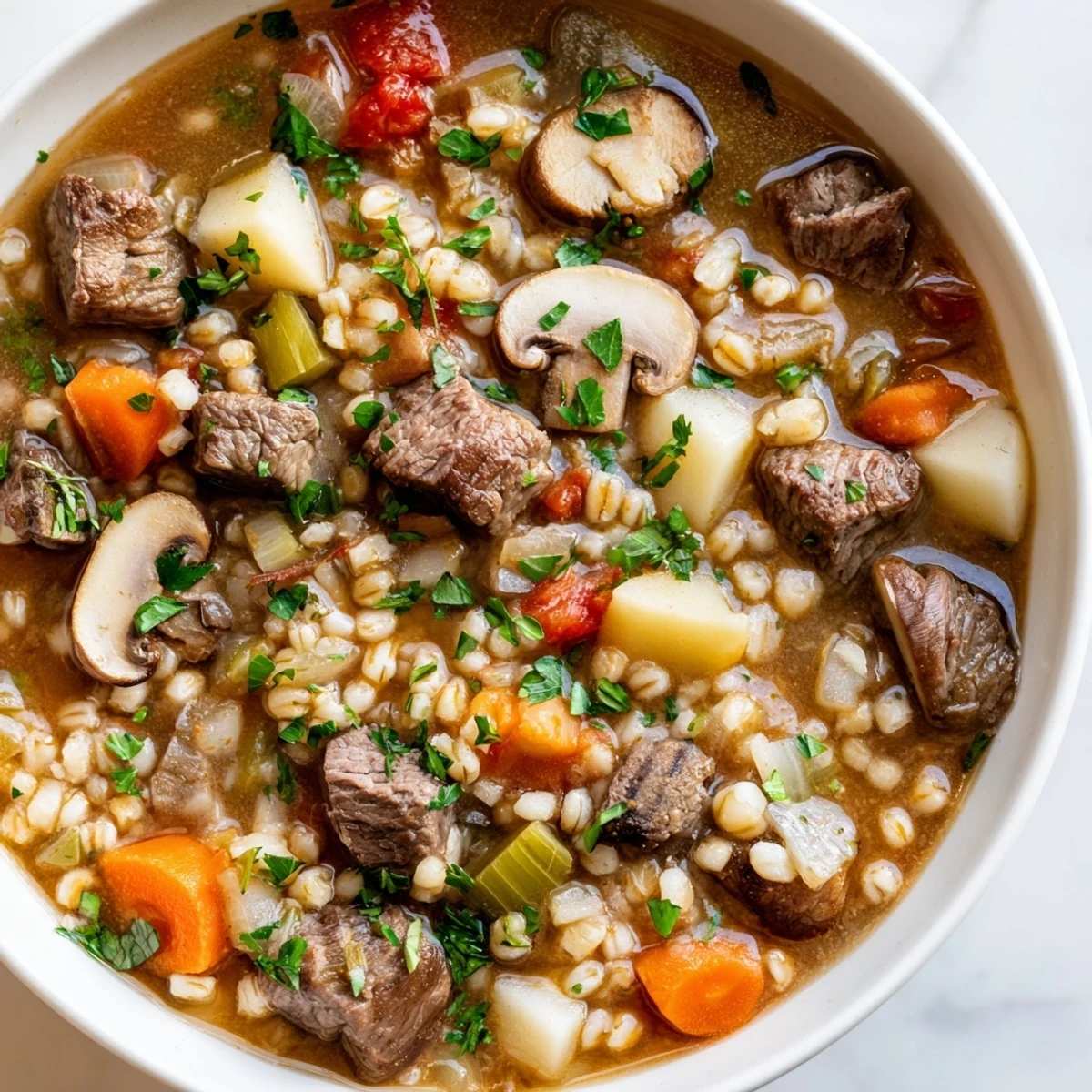
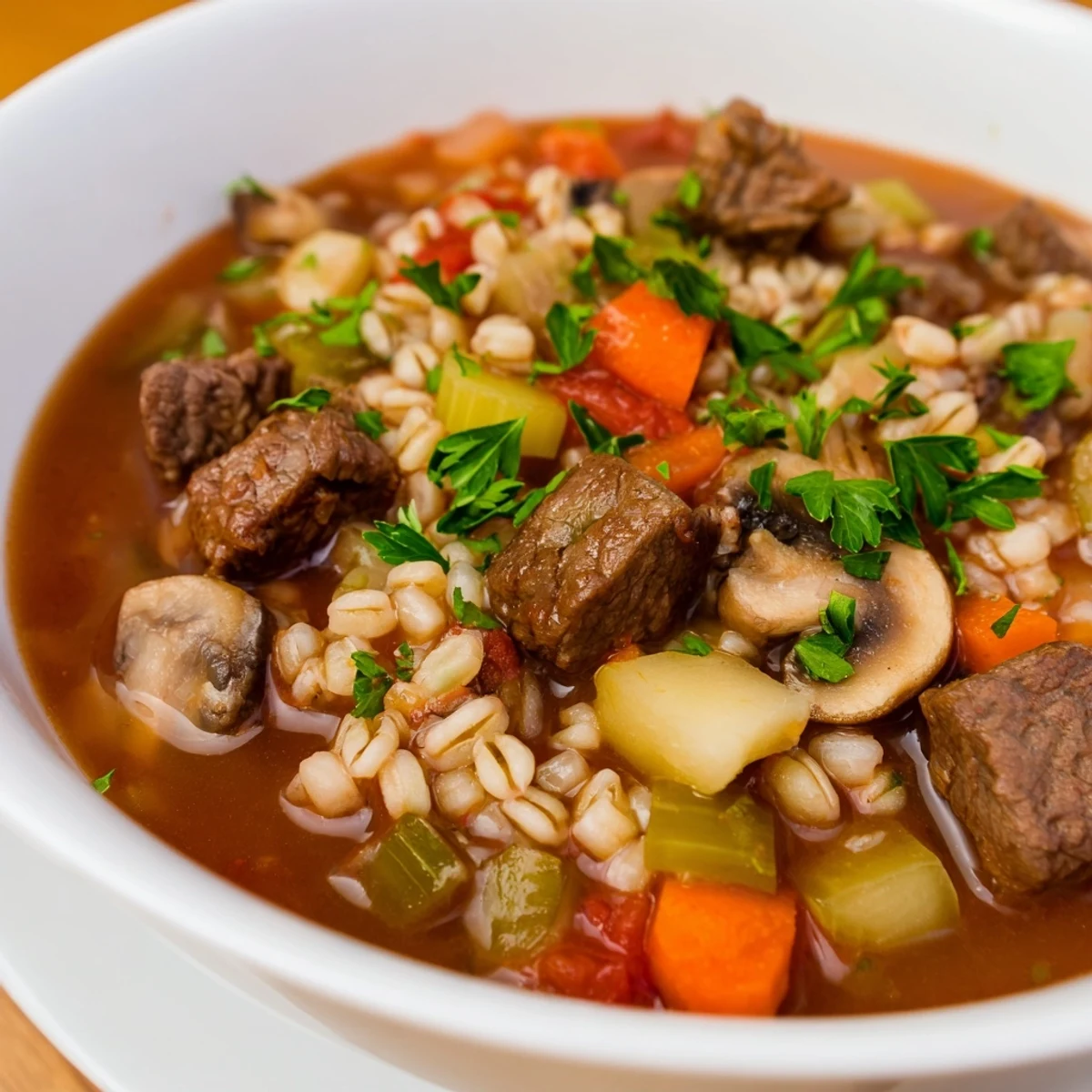
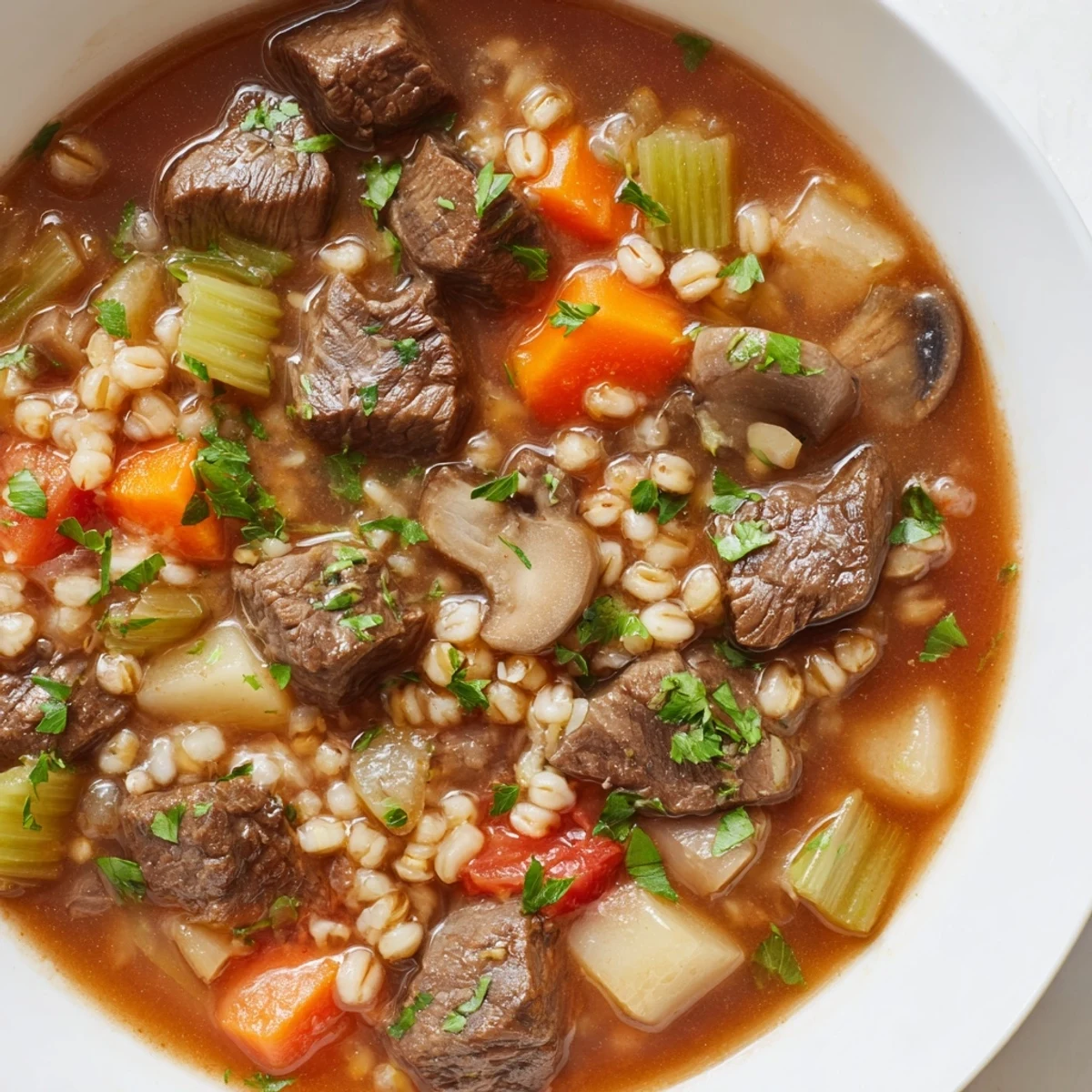
 This flavorful dish features tender chunks of beef slowly cooked with pearl barley and a mix of fresh vegetables. Simmering in a rich broth, the ingredients meld together to create a warm and satisfying meal perfect for cold days. Enhanced by herbs like thyme and rosemary, and finished with fresh parsley, each spoonful offers depth and comfort. Simple steps guide you through browning the beef, sautéing veggies, then gently simmering everything until tender. Ideal for sharing, this dish nourishes with balanced protein and grains.
There's something about the smell of beef browning in a pot on a gray afternoon that makes everything feel right. I discovered this soup years ago when I needed something that could simmer quietly while life happened around me—a dish that got better the longer it sat, like it was improving itself. The barley gives it this wonderful, slightly nutty substance that transforms from grain to something almost creamy without any cream at all. It became the soup I made whenever someone needed feeding.
I made this for my partner on the first properly cold day of autumn, when you can suddenly see your breath in the morning. They had that kind of hungry that only happens when the weather turns, and I watched them eat three bowls straight through. That's when I knew the barley was doing its job—it wasn't just filling, it was satisfying in a way that made the soup feel complete.
Ingredients
- Beef stewing meat: Use pieces that are actually labeled for stewing; they're tougher cuts that become silky after simmering, which is exactly what you want.
- Pearl barley: Rinse it first to remove the starchy coating, or it'll cloud your broth and lose some of its texture.
- Beef stock: If you can make your own, do it—store-bought works fine, but homemade adds a depth that pulls the whole soup together.
- Onion, carrots, and celery: These are your foundation; don't rush the softening step because that's where the flavor actually lives.
- Mushrooms: Optional, but they add an earthy note that feels like autumn in a bite.
- Tomato paste and diced tomatoes: The tomato paste concentrates flavor, so use it generously even though it seems small in quantity.
- Bay leaves: Absolutely essential; they're the quiet voice that pulls everything into harmony.
- Thyme and rosemary: Dried herbs work perfectly here—no need to hunt for fresh unless you have them on hand.
Instructions
- Brown the beef properly:
- Heat your oil until it shimmers, then add beef in a single layer. Let it sit without moving for a minute or two before you stir; that's when the browning actually happens. You want a dark crust on each piece, which takes about five minutes total.
- Build your base:
- Once the beef is out, add your onion, carrots, and celery to the same pot. The fond stuck to the bottom is liquid gold—it'll loosen as the vegetables release their moisture. After five minutes, when everything is soft and the kitchen smells alive, add the garlic.
- Assemble the soup:
- Return the beef and add everything else except the stock. Stir it all together so the tomato paste and herbs coat everything evenly.
- First simmer:
- Pour in your stock, bring it to a boil, then turn the heat down low and cover. An hour and fifteen minutes at a gentle simmer is when the magic happens—the barley softens, the beef becomes tender, and the flavors start talking to each other.
- Final cook:
- Remove the lid and simmer for another twenty to thirty minutes. This is when the broth reduces slightly and concentrates, and you can watch the barley grains go from distinct to just barely tender.
- Finish and serve:
- Fish out those bay leaves, taste it, adjust salt and pepper. Ladle into bowls and scatter parsley on top like you actually care how it looks.
 Save to Pinterest
 My neighbor came over on a Tuesday evening when she'd had one of those days that just wears you down, and I ladled her a bowl of this soup. She sat at my kitchen table for two hours, and we didn't talk much—we just let the soup do the work. That's when I realized this isn't just a recipe; it's permission to slow down and let something warm take care of you for a while.
Why This Soup Works
Beef and barley is one of those combinations that exists in kitchens across Europe for a reason—it's not fancy, but it's undeniably satisfying. The barley absorbs all the beef flavor while adding its own gentle earthiness, and the vegetables dissolve into sweetness without disappearing. There's no cream, no shortcuts, just ingredients that were meant to spend time together in a pot.
Making It Your Own
This soup is forgiving enough to adapt without losing its character. You can swap beef for lamb if you want something slightly richer, or use chicken for a lighter version that still feels complete. Some people add a splash of wine, others stir in pearl onions or extra herbs—whatever you do, give it time to simmer and the soup will reward you.
Serving and Storage
Serve this with crusty bread that can soak up every last drop of broth. It stores beautifully in the fridge for up to four days, and it actually tastes better after a night in the cold, when the flavors have had time to deepen and meld together.
- Reheat gently on the stove so the barley doesn't break down further.
- Fresh parsley added just before serving keeps things bright no matter how many times you've warmed it up.
- Freeze leftovers in portions if you want to save them longer—this soup is always welcome on a morning when you open the freezer and find something this good waiting.
 Save to Pinterest
 This soup has fed me through seasons and seasons of cooking, and it never asks for much—just time and attention and a pot big enough to hold it all. Make it once and you'll understand why it's stayed around.
Recipe Questions & Answers
- → What cut of beef works best for this dish?
-
Stewing beef cut into cubes is ideal as it becomes tender during slow simmering.
- → Can pearl barley be substituted?
-
Certainly, but pearl barley adds a distinctive chewy texture and heartiness that's hard to match.
- → How long should the soup simmer?
-
Simmer gently for around 1 hour 40 minutes to fully tenderize beef and soften barley.
- → Are mushrooms necessary for flavor?
-
They add an earthy note but can be omitted for a more classic profile without losing richness.
- → What herbs complement this dish?
-
Bay leaves, thyme, and rosemary enhance the savory depth and aroma beautifully.