
 Save to Pinterest
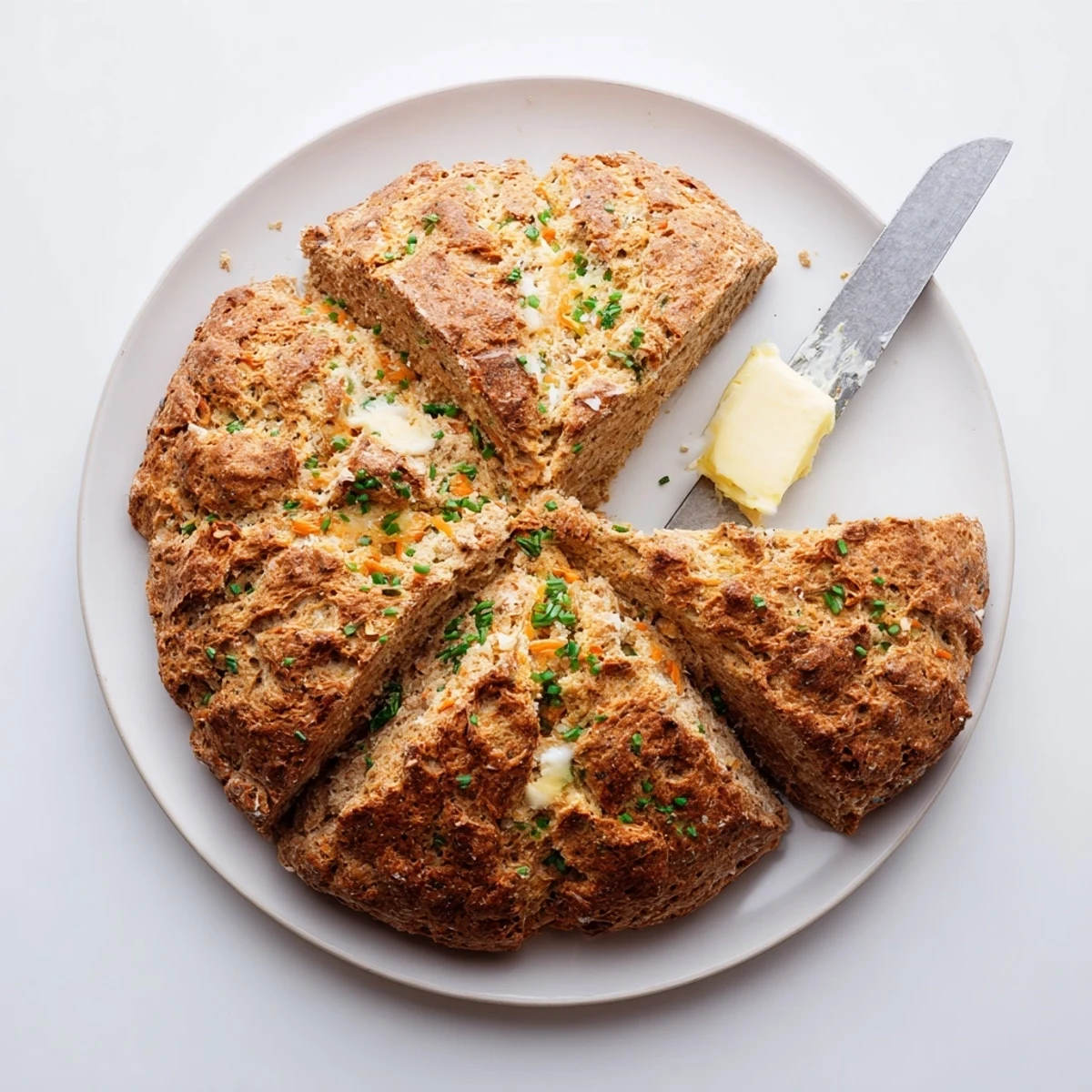
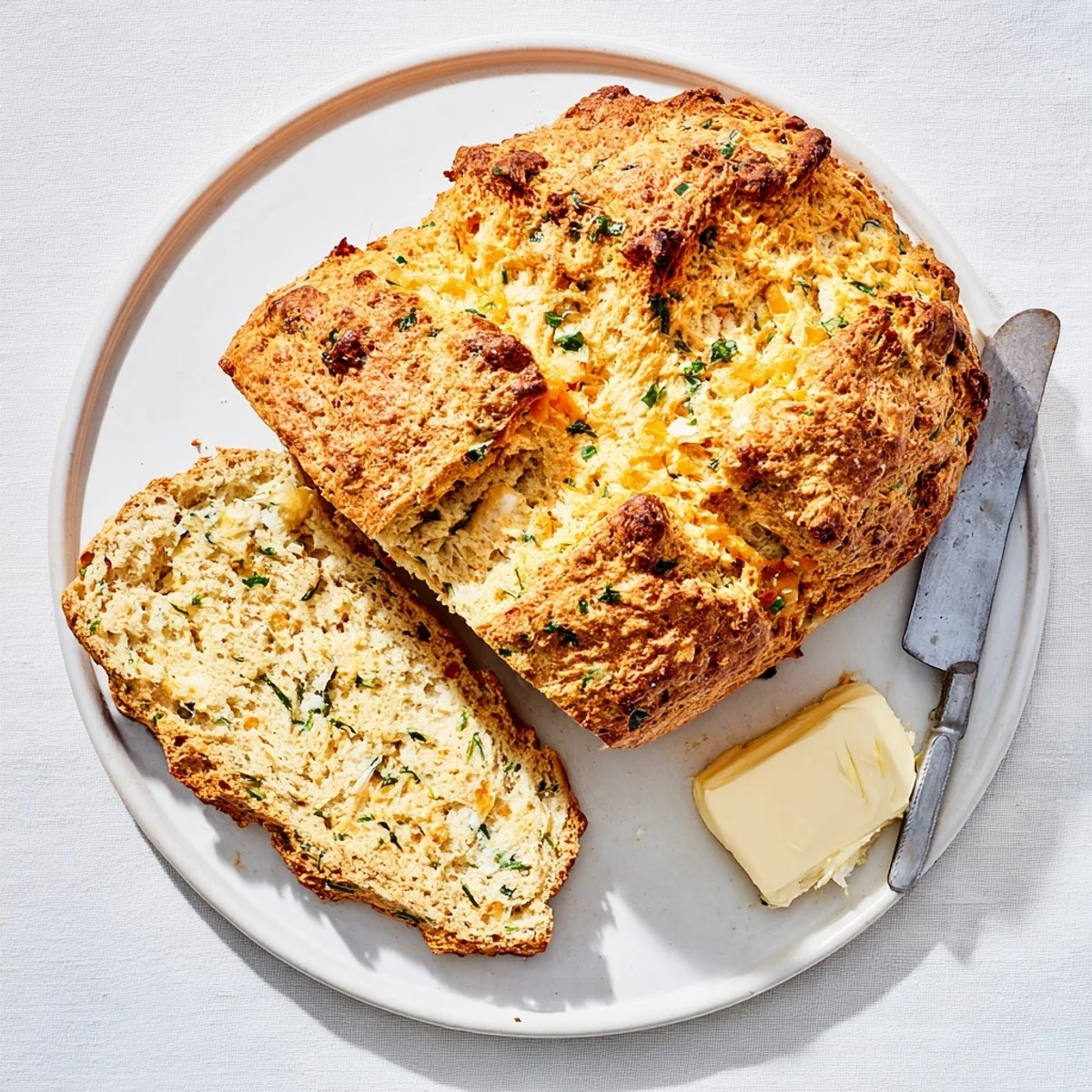
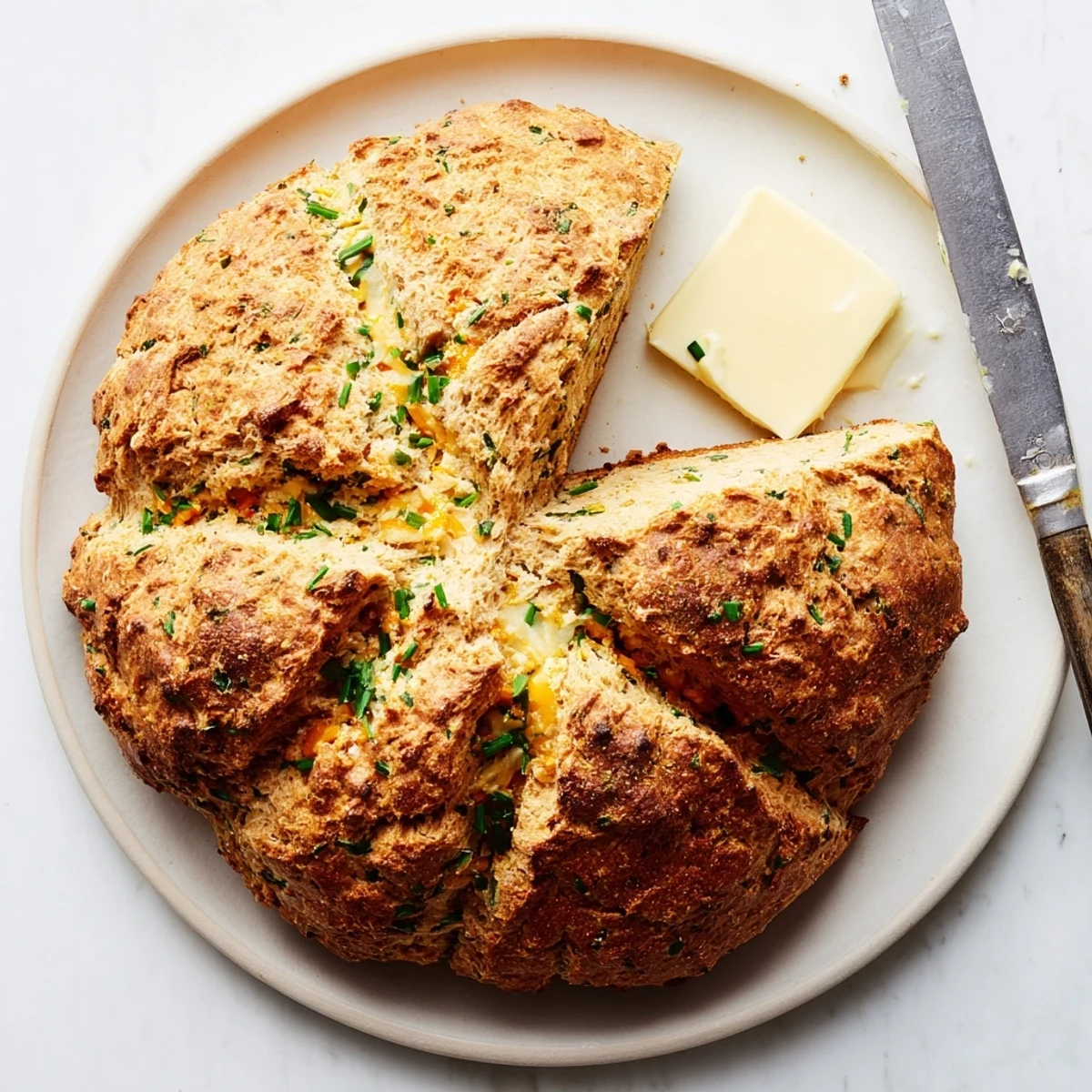
 This traditional soda bread delivers a tender, moist crumb thanks to buttermilk, while generous chunks of sharp cheddar provide rich, savory depth throughout. A trio of fresh herbs—chives, parsley, and thyme—adds bright, aromatic notes that balance the cheese perfectly. The signature cross cut on top ensures even baking and creates that classic rustic appearance. Best served warm with melting butter alongside hearty soups or stews, though equally delicious toasted for breakfast.
The first time I made this soda bread, my tiny apartment filled with such an incredible aroma that my neighbor actually knocked on my door to ask what was baking. I'd been experimenting with adding cheese to the traditional Irish recipe my grandmother taught me, and the combination of sharp cheddar and fresh herbs turned out to be pure magic. Now whenever the weather turns chilly, this bread becomes a weekly ritual in my kitchen.
Last winter, I served this alongside a pot of potato leek soup during a snowed-in weekend with friends. Everyone kept reaching for another slice, and the loaf disappeared before we even made it to the main course. Something about the warmth of fresh bread with melted cheese makes people gather around the kitchen island and linger longer than they planned.
Ingredients
- 3 ½ cups all-purpose flour: The foundation of the bread; any standard brand works beautifully
- 1 tsp salt: Essential to balance the richness of the cheese and enhance all the flavors
- 1 tsp baking soda: The leavening agent that gives soda bread its characteristic rise and texture
- 1 tsp freshly ground black pepper: Adds a subtle warmth that complements the sharp cheddar perfectly
- 1 ½ cups sharp cheddar cheese: Coarsely grate it yourself for better melting and more pockets of cheesy goodness throughout
- 3 tbsp fresh chives: Their mild onion flavor brightens the rich cheese
- 2 tbsp fresh parsley: Brings fresh herbal notes that cut through the heaviness
- 1 tbsp fresh thyme leaves: Earthy and aromatic; dried thyme works in a pinch at one-third the amount
- 1 ⅔ cups buttermilk: Creates tenderness and reacts with the soda for rise; regular milk with a splash of vinegar works too
- 2 tbsp unsalted butter: Melted into the dough adds richness, brushed on top creates that gorgeous golden finish
Instructions
- Get your oven ready:
- Preheat to 425°F and line a baking sheet with parchment paper
- Whisk the dry ingredients:
- Combine flour, salt, baking soda, and pepper in a large bowl until well blended
- Add the flavor makers:
- Toss in the grated cheddar, chives, parsley, and thyme; mix until evenly distributed throughout the flour
- Bring it together:
- Make a well in the center, pour in buttermilk and melted butter, then stir with a fork just until the dough comes together
- Shape your loaf:
- Turn onto a floured surface and gently form into a round about 7 inches across and 2 inches high
- Mark it traditionally:
- Use a sharp knife to cut a deep cross on top; this helps the bread bake evenly and gives it that classic soda bread look
- Brush and bake:
- Lightly brush with extra melted butter, then bake for 30 to 35 minutes until golden and hollow when tapped
- Cool and serve:
- Let it rest on a wire rack for at least 15 minutes before slicing; it is irresistible warm with butter
 Save to Pinterest
 This bread has become my go-to gift for new neighbors and housewarming presents. There is something so universally comforting about receiving warm homemade bread, still slightly steaming when you wrap it in a clean kitchen towel.
Cheese Variations To Try
I have discovered that smoked cheddar adds an incredible depth that pairs beautifully with the herbs. Sometimes I mix half sharp cheddar with half gruyère for a more complex flavor profile. Even a bit of parmesan grated into the flour creates these amazing salty pockets throughout the crumb.
Make It Your Own
Herb combinations can change with the seasons or whatever is growing in your garden. Fresh dill works surprisingly well with the cheddar, especially in springtime. Rosemary makes it more rustic and pairs perfectly with tomato soup.
Serving Suggestions
This bread shines alongside almost any soup, but it is equally fantastic toasted for breakfast. The leftovers make incredible grilled cheese sandwiches the next day.
- Slice it thick and pan-fry in butter until crisp for the ultimate indulgence
- Cubed and toasted, it becomes extraordinary croutons for salads
- Wrap leftovers tightly and refresh in a 350°F oven for 10 minutes
 Save to Pinterest
 Best eaten within two days, though honestly, it rarely lasts that long in my house.
Recipe Questions & Answers
- → What makes soda bread different from regular yeast bread?
-
Soda bread relies on baking soda and buttermilk's acidity for rising instead of yeast. This creates a denser, more tender crumb with no kneading or proofing time required—making it much faster to prepare.
- → Can I use dried herbs instead of fresh?
-
Yes, though the flavor will be more muted. Use one-third the amount of dried herbs compared to fresh. For example, substitute 1 tablespoon fresh herbs with 1 teaspoon dried.
- → What can I substitute for buttermilk?
-
Make a quick buttermilk substitute by adding 1 tablespoon vinegar or lemon juice to 1 cup regular milk. Let it sit for 5 minutes until slightly thickened before using.
- → How do I know when the bread is done?
-
The bread is ready when it's deep golden brown on top and sounds hollow when tapped on the bottom. An instant thermometer inserted into the center should read 190-200°F (88-93°C).
- → Can I freeze this bread?
-
Absolutely. Wrap the completely cooled loaf tightly in plastic wrap and foil, then freeze for up to 3 months. Thaw at room temperature and refresh in a warm oven for best texture.
- → Why is there a cross cut on top?
-
The traditional cross helps the heat penetrate the center of this dense loaf, ensuring even baking. It also allows the bread to expand properly during baking, preventing cracking in unwanted places.