 Save to Pinterest
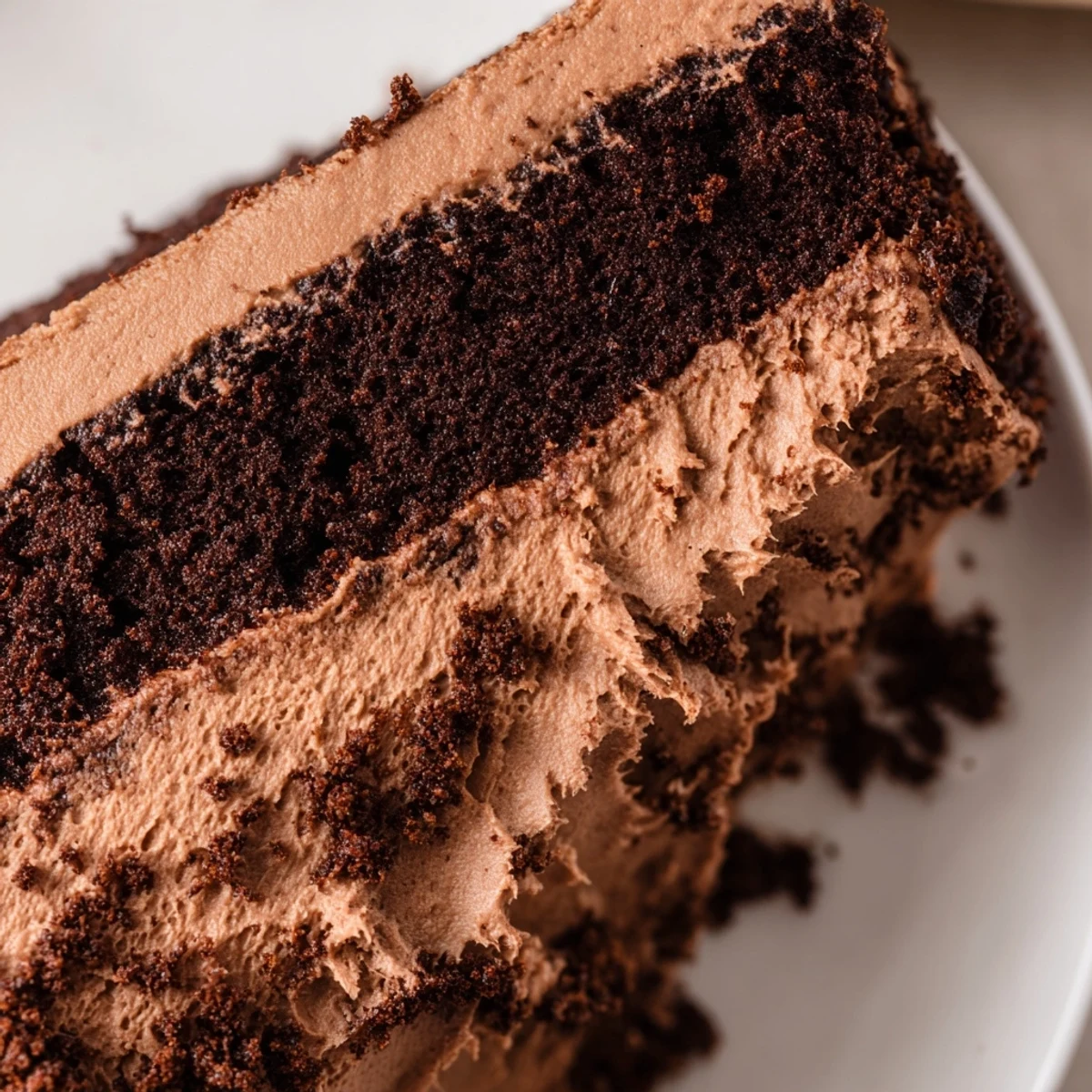
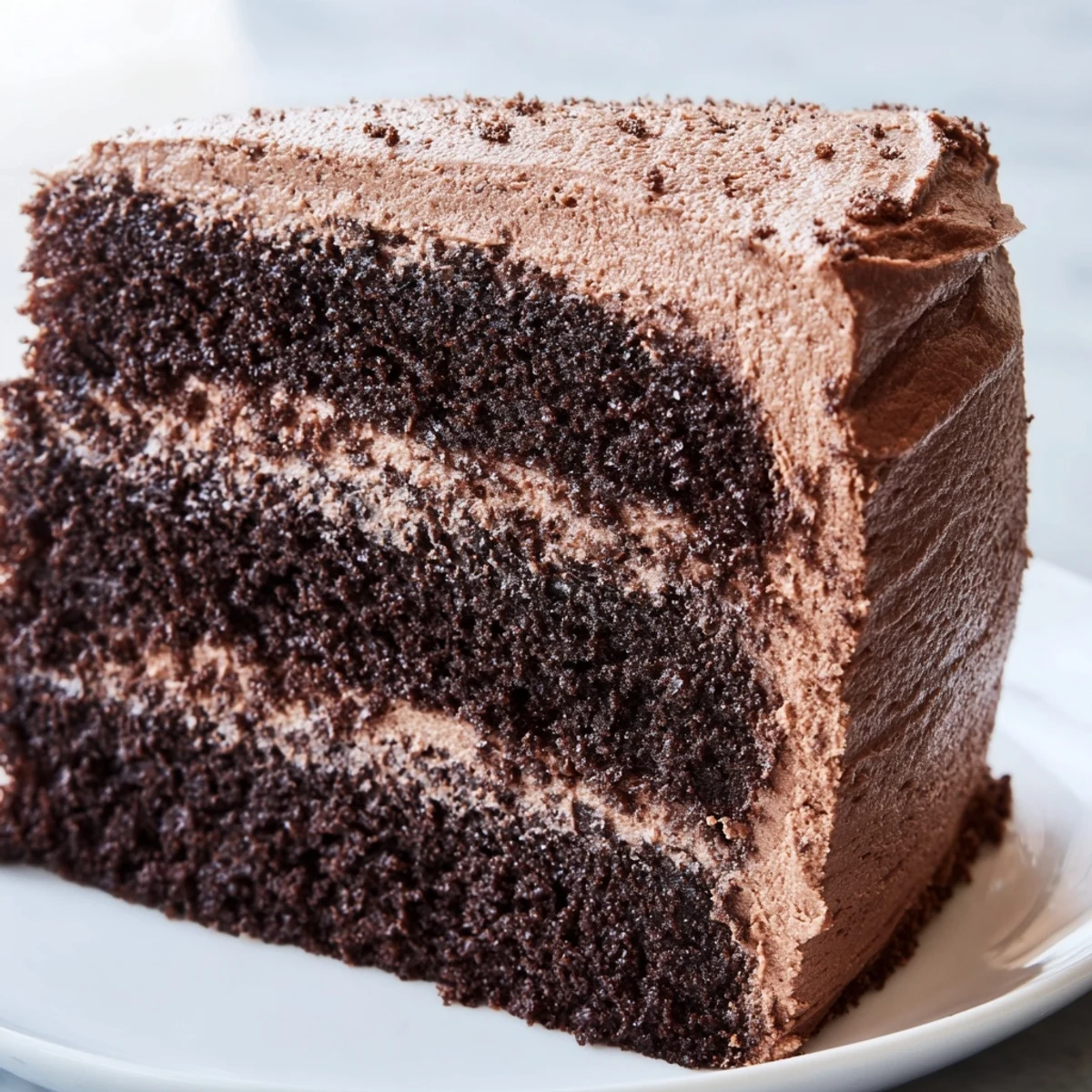
 This chocolate cake delivers a moist, tender crumb enhanced by the deep flavor of cocoa. Layered generously with creamy chocolate frosting, its balance of sweetness and rich chocolate notes makes it a favorite for celebrations or any chocolate lover’s craving. The batter combines flour, cocoa powder, sugar, eggs, milk, and oil, finished with boiling water for smooth texture. After baking, the cake is cooled and enveloped in smooth, fluffy cocoa and butter frosting with a touch of vanilla. Optional additions like mini chips or raspberry jam can elevate the experience. Perfect served alongside fresh berries or vanilla ice cream.
There's something almost magical about the moment you pull a chocolate cake from the oven—that smell filling your kitchen like a warm hug. I learned to make this version years ago when a friend brought it to a potluck, and I couldn't stop thinking about how impossibly moist it was, how the frosting was thick enough to swirl but soft enough to spread with just a warm knife. What struck me most wasn't the recipe itself, but how she'd casually mentioned the boiling water trick, like it was no big deal, even though it changed everything about the texture. Now it's become my go-to cake for every occasion that matters.
I made this cake for my sister's birthday last spring, and she literally had seconds before anyone else had finished their first slice. What I remember most isn't just her reaction, but my nephew asking if we could make it every single week—and how the kitchen felt warm and full of laughter while we frosted it together, him sneaking tastes of frosting with his finger when he thought I wasn't looking.
Ingredients
- All-purpose flour: This is your structure; don't skip whisking it with the cocoa, baking powder, and soda so everything distributes evenly.
- Unsweetened cocoa powder: Use good quality if you can—the difference between grocery store and slightly better cocoa is honestly noticeable in the final taste.
- Baking powder and baking soda: These two work together here; the soda reacts with the cocoa, so don't reduce either one.
- Granulated sugar: Measure it by spooning and leveling, not by dipping the cup into the bag—it makes a real difference in moisture.
- Eggs, milk, and vegetable oil: These create the tender crumb that makes this cake special; room temperature eggs mix in more smoothly and create better volume.
- Boiling water: This is the trick that transforms the cake from good to exceptional, making it impossibly moist without being wet.
- Unsalted butter for frosting: Softened butter beats smoother and lighter; cold butter will be lumpy no matter how long you beat it.
- Powdered sugar: Sift it before measuring to avoid dense frosting; unsifted powdered sugar often contains hard lumps from packaging.
Instructions
- Set up your pans and oven:
- Preheat to 175°C (350°F) and prepare two 20-cm round pans by greasing the bottoms and sides, then lining with parchment cut to fit the bottom. This prevents sticking and makes turning out the layers easier than you'd expect.
- Mix the dry ingredients:
- In a large bowl, whisk together flour, cocoa powder, baking powder, baking soda, salt, and sugar until you don't see any streaks of cocoa or powder. This step matters more than it seems—it ensures the leavening is evenly distributed throughout the batter.
- Add the wet ingredients:
- Add eggs, milk, oil, and vanilla to the dry mixture and beat on medium speed for exactly 2 minutes, scraping down the bowl halfway through. You'll notice the mixture becoming smooth and silky, with no lumps of flour hiding at the bottom.
- Add the boiling water:
- Carefully stir in the boiling water—yes, the batter will suddenly look thin and almost soupy, but this is exactly right and creates the moisture magic. The thin consistency means it will bake evenly without any dry edges.
- Bake until just done:
- Divide the batter evenly between pans and bake for 30–35 minutes, checking around minute 30 with a toothpick inserted in the center—it should come out clean or with just a few moist crumbs. The cakes should bounce back slightly when you gently press the top.
- Cool completely before frosting:
- Let the cakes rest in their pans for 10 minutes (this helps them set), then turn out onto wire racks and cool completely to room temperature. Trying to frost a warm cake will melt the frosting off and create a sad situation you'll want to avoid.
- Make the frosting smooth and fluffy:
- Beat softened butter in a large bowl until it's pale and creamy, looking almost like soft serve ice cream. Sift in cocoa powder and mix until there are no brown streaks, then gradually add powdered sugar alternating with milk, beating between additions until you reach spreadable consistency.
- Assemble with care:
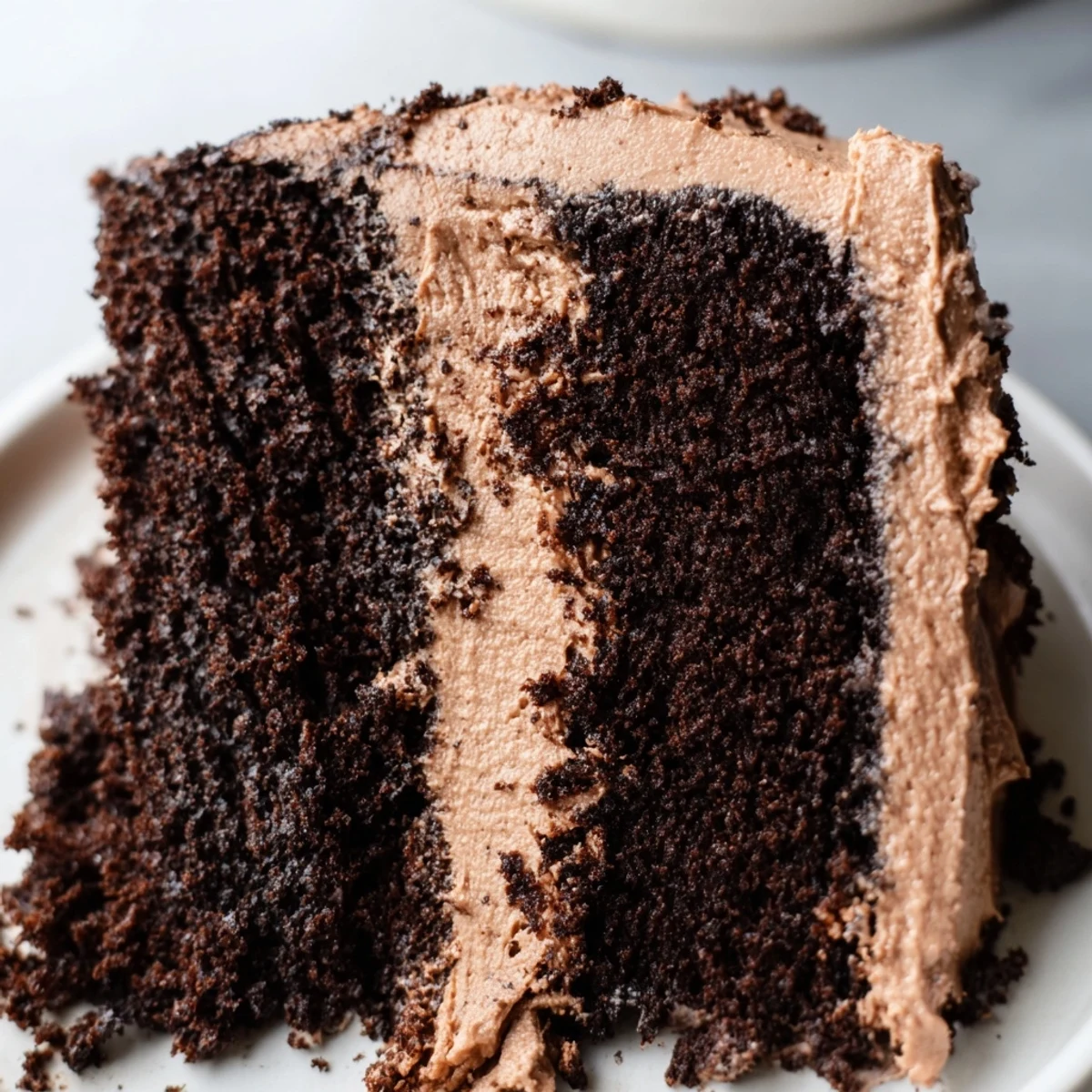
- Place the first cake layer on a serving plate, spread a generous layer of frosting on top, then set the second layer on top and frost the sides and top. A warm offset spatula or the back of a warm knife makes smoothing the frosting almost meditative.
 Save to Pinterest
 The moment I'll always remember is watching my mom take a bite at a family dinner, her eyes closing like she was tasting something from childhood. That's when I realized a cake isn't just dessert—it's the feeling you create in a room, the way people slow down to savor something you made with your hands.
Making This Cake Taste Even Better
If you want to elevate this cake without much extra effort, consider adding 100 grams of mini chocolate chips to the batter—they scatter throughout and give unexpected bursts of chocolate in each bite. Another option that surprised me was layering the cakes with raspberry jam instead of frosting on one side, which adds brightness without competing with the chocolate. A thin layer of both creates balance, especially if you're serving the cake to people who find rich chocolate overwhelming.
Frosting Troubleshooting That Actually Works
The most common frosting problem is texture—sometimes it turns out grainy, sometimes it's too soft and won't hold shape. Graininess usually means the butter was cold or the powdered sugar wasn't sifted, which you can fix by letting everything come to room temperature and beating again for a few minutes. If the frosting is too soft, refrigerate it for 15–20 minutes, then beat it again; if it's too stiff, add milk one tablespoon at a time while beating.
Serving and Storage Ideas
This cake actually gets better after a day, as the flavors deepen and the crumb stays impossibly moist thanks to that boiling water. Keep it covered at room temperature on the counter, or wrapped loosely in plastic wrap in the refrigerator for up to four days. Serve each slice with a scoop of vanilla ice cream, or alongside fresh raspberries and whipped cream for something that feels like a restaurant dessert.
- If you're making this ahead, frost the layers and store them separately, then assemble just before serving for a fresher presentation.
- A slice with strong coffee is honestly one of life's quiet pleasures—the bitterness of espresso plays perfectly against the sweet chocolate.
- Leftover frosting keeps in the refrigerator for a week and can frost brownies or be spread on banana bread.
 Save to Pinterest
 This chocolate cake has become my answer to almost every celebration, the recipe I return to when I want something that tastes like care. It's simple enough to make on a Tuesday night, but impressive enough to bring to dinner parties where people ask for the recipe.
Recipe Questions & Answers
- → What gives the cake its moist texture?
-
The combination of vegetable oil, whole milk, and boiling water in the batter contributes to its moist and tender crumb.
- → How do I achieve a creamy frosting?
-
Beating softened butter until smooth, then gradually mixing in cocoa powder, sifted powdered sugar, milk, and vanilla extract creates a fluffy and creamy frosting.
- → Can I add extra chocolate flavor to the batter?
-
Yes, adding mini chocolate chips to the batter enhances the chocolate intensity with delightful bursts in each bite.
- → What tools are essential for baking this cake?
-
You’ll need 8-inch round cake pans, mixing bowls, an electric mixer or whisk, measuring utensils, and a wire rack for cooling.
- → How can I add a fruity twist to the layers?
-
Spreading raspberry jam between the cake layers adds a fresh, tart contrast that complements the rich chocolate flavor.
- → What should I look out for allergen-wise?
-
Ingredients include wheat, eggs, and milk. Cocoa and chocolate may contain soy traces, so check labels if allergies are a concern.