
 Save to Pinterest
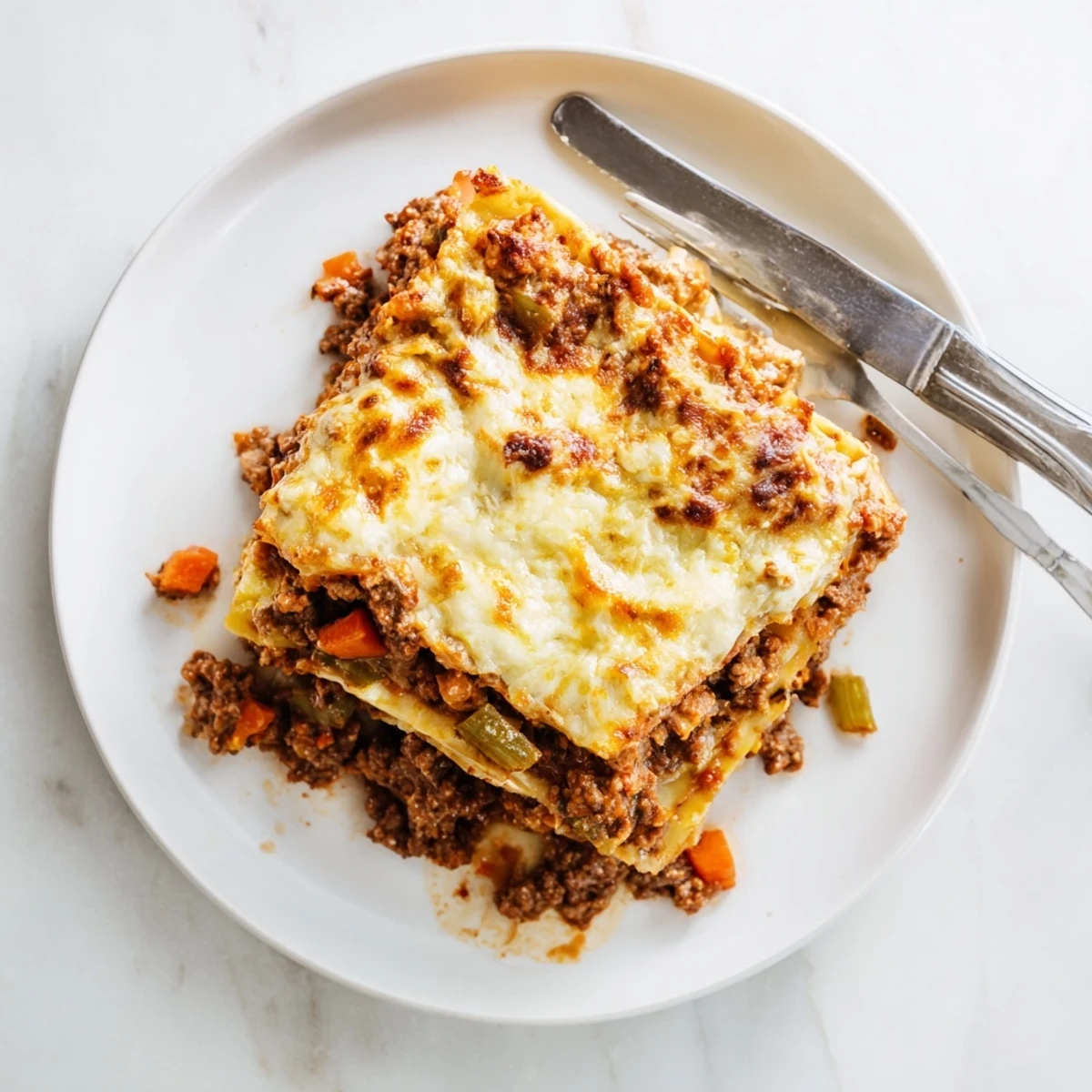
 This traditional Italian dish brings together slow-simmered beef ragù, silky white sauce, and pasta in perfect harmony. The meat sauce develops deep flavor through red wine and aromatics, while the béchamel adds luxurious creaminess between each layer. Though preparation takes about 90 minutes total, the result feeds six generously and tastes even better the next day.
The first time I made lasagne from scratch, my tiny apartment kitchen smelled like an Italian grandmother had moved in for the weekend. I spent three hours stirring the ragù and whisking the béchamel, probably overcomplicating everything. When my roommate walked through the door and announced dinner based solely on the aroma, I knew something magical was happening.
Last winter I made this for a Sunday dinner with friends, and one guy who swore he hated lasagne went back for thirds. We sat around the table for hours, talking and eating while the snow fell outside. Something about layers of pasta and sauce just makes people linger.
Ingredients
- 2 tablespoons olive oil: Use a good quality extra virgin oil since it builds the flavor foundation for the entire ragù
- 1 large onion, finely chopped: I take my time dicing this finely because nobody wants big onion chunks in their lasagne
- 2 carrots, diced: The sweetness balances the acidity of the tomatoes and mellows the meat
- 2 celery stalks, diced: This completes the classic Italian soffritto base that gives depth
- 3 garlic cloves, minced: Fresh minced garlic beats jarred every single time
- 750 g (1.7 lbs) ground beef: Look for beef with some fat content because lean meat makes dry lasagne
- 2 tablespoons tomato paste: This concentrates the tomato flavor and adds rich color
- 800 g (28 oz) canned crushed tomatoes: San Marzano tomatoes will elevate your ragù noticeably
- 125 ml (½ cup) dry red wine: Any drinkable red works, and it cuts through the richness beautifully
- 1 teaspoon dried oregano: Dried herbs work better than fresh here since theyll cook so long
- 1 teaspoon dried basil: Together with oregano this creates that classic Italian herb profile
- 1 teaspoon salt: Taste as you go because the tomato brand affects how much you need
- ½ teaspoon black pepper: Freshly cracked makes a subtle but real difference
- 1 teaspoon sugar (optional): If your tomatoes taste acidic this is the secret to balanced sauce
- 60 g (¼ cup) unsalted butter: Unsalted lets you control the seasoning exactly
- 60 g (½ cup) all-purpose flour: This creates the thick creamy béchamel we all love
- 800 ml (3⅓ cups) whole milk, warmed: Cold milk creates lumps so warm it slightly first
- ¼ teaspoon ground nutmeg: Just a pinch adds that subtle sophisticated background note
- ½ teaspoon salt: Béchamel needs salt or it will taste bland and floury
- ¼ teaspoon white pepper: White pepper keeps the sauce pristine looking
- 12 no-boil lasagne sheets: These save so much time and actually absorb sauce better
- 150 g (1½ cups) grated mozzarella cheese: Fresh mozzarella gives those gorgeous cheese pulls
- 60 g (½ cup) grated Parmesan cheese: Grate it yourself because pre grated has anti caking agents
Instructions
- Build the ragù foundation:
- Heat olive oil in a large skillet over medium heat and add your onion, carrot, and celery, sautéing for 6–8 minutes until softened and fragrant. Add garlic and cook 1 minute before adding ground beef, breaking it up with your spoon until browned completely.
- Deepen the flavor:
- Stir in tomato paste and let it cook 2 minutes to caramelize slightly. Pour in wine and simmer until mostly evaporated, then add crushed tomatoes, oregano, basil, salt, pepper, and sugar if using. Simmer uncovered 30–40 minutes, stirring occasionally, until thickened into a rich meaty sauce.
- Whisk the béchamel:
- Melt butter in a saucepan over medium heat, add flour, and whisk constantly for 1–2 minutes to cook out the raw flour taste. Gradually whisk in warm milk and cook, whisking constantly, until thickened and smooth, about 6–8 minutes. Season with nutmeg, salt, and white pepper, then remove from heat.
- Layer it up:
- Preheat oven to 180°C (350°F) and spread a thin layer of ragù on the bottom of a 23x33 cm baking dish to prevent sticking. Add a layer of lasagne sheets, then spread ¼ of the ragù followed by ¼ of the béchamel. Repeat layers three more times, finishing with béchamel on top.
- Finish with cheese:
- Sprinkle mozzarella and Parmesan evenly over the top, covering every corner. Cover loosely with foil and bake 30 minutes, then remove foil and bake an additional 15–20 minutes until golden and bubbling. Let rest 15 minutes before slicing or the layers will slide apart.
 Save to Pinterest
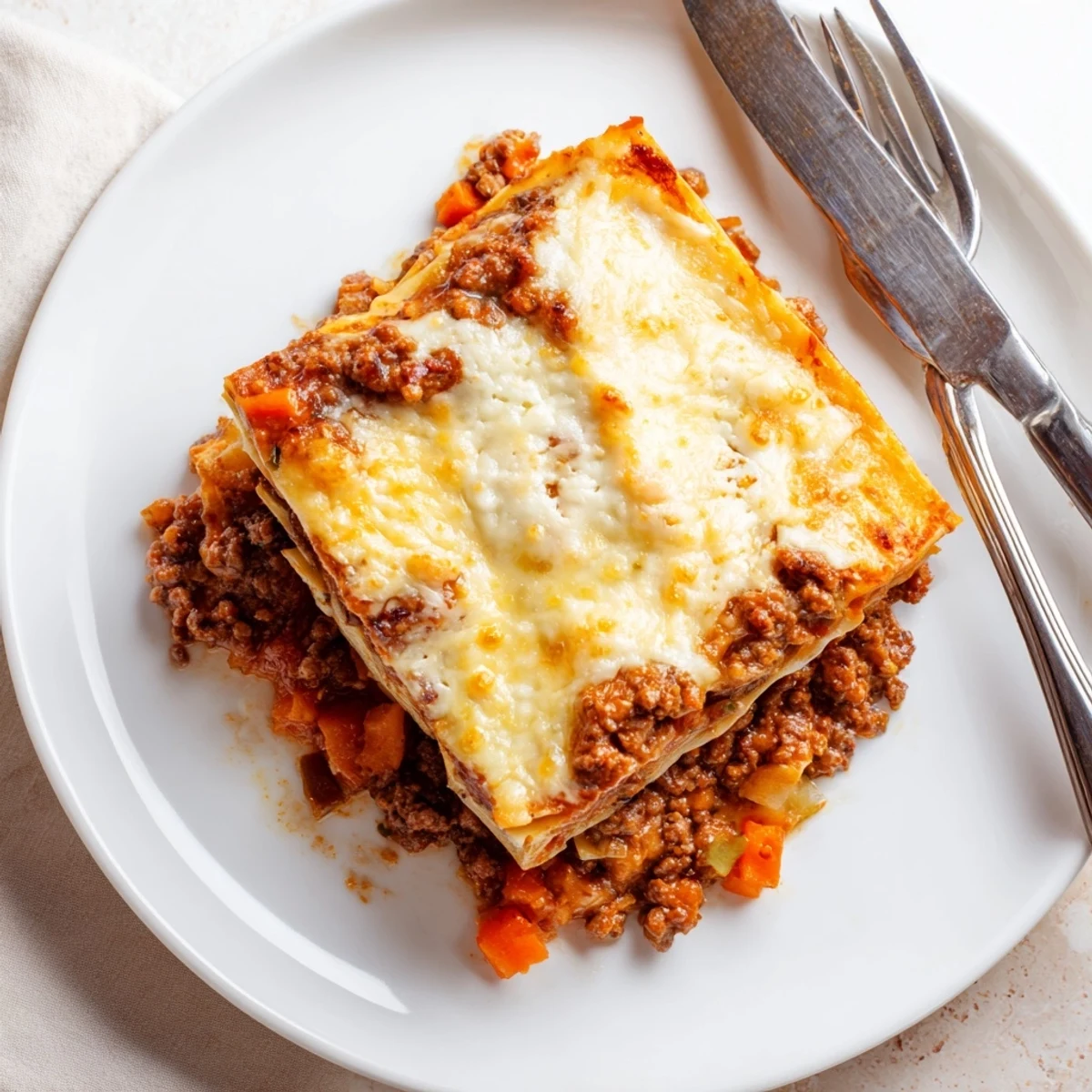
 My mother finally asked for the recipe after years of claiming her version was perfectly fine. Now she makes it for special occasions and texts me photos of her golden bubbling creation. Recipes have a way of traveling through families like that.
Make It Your Own
Ive started mixing in some ground pork with the beef for extra richness and depth. The subtle sweetness from pork changes the whole character. Sometimes I add a pinch of red pepper flakes to the ragù if Im craving a little warmth.
Getting Ahead
The entire recipe can be assembled a day before baking and stored in the refrigerator. In fact, the flavors seem to meld together even better this way. Just add 10 minutes to the baking time if baking from cold.
Serving Suggestions
A simple green salad with bright vinaigrette cuts through the richness beautifully. Crusty bread is never a bad idea for sopping up any escaped sauce on your plate.
- Let guests add extra Parmesan at the table
- Cool slightly longer than you think necessary
- Save leftovers for breakfast because theyre incredible
 Save to Pinterest
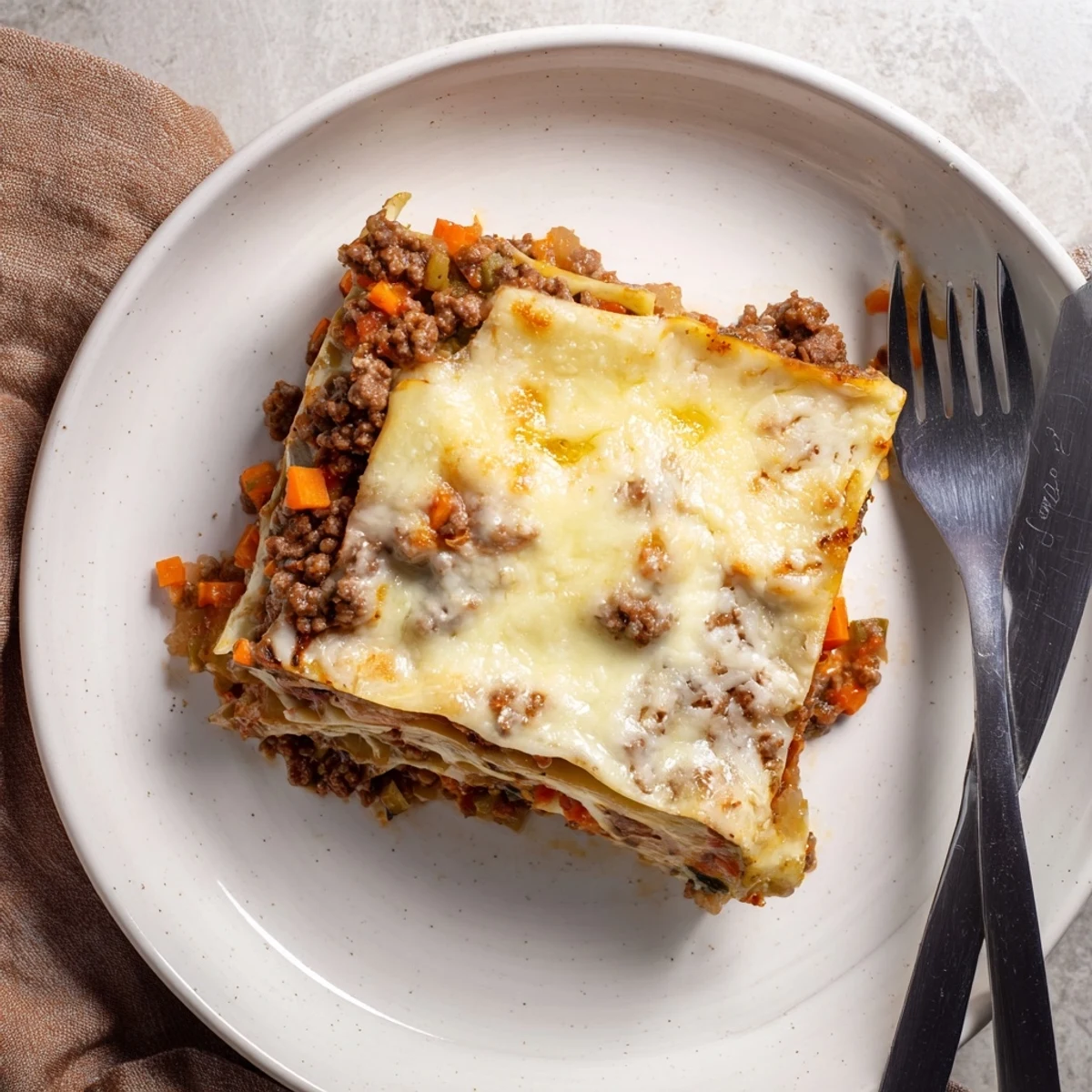
 Lasagne is never really about following a recipe perfectly. Its about taking your time, tasting often, and feeding people you care about.
Recipe Questions & Answers
- → Can I make lasagne ahead of time?
-
Absolutely. Assemble the dish up to 24 hours in advance, cover tightly, and refrigerate. Add 10-15 minutes to baking time if baking cold. You can also freeze unbaked for up to 3 months.
- → What can I substitute for red wine in the ragù?
-
Use equal parts beef broth mixed with a tablespoon of balsamic vinegar. The vinegar provides the acidity wine typically offers, helping balance the tomatoes' sweetness.
- → Why does my lasagne fall apart when sliced?
-
The dish needs at least 15 minutes of resting time after baking. This allows the layers to set and the cheeses to firm slightly. Cutting too soon results in sliding layers and messy servings.
- → Can I use regular lasagne noodles instead of no-boil?
-
Yes. Cook regular noodles according to package directions until al dente, drain carefully, and proceed with assembly. They may absorb more sauce during baking, so consider having extra béchamel ready.
- → How do I know when the ragù is properly thickened?
-
The sauce is ready when a spoon drawn through it leaves a clear trail that doesn't immediately fill back in. This typically takes 30-40 minutes of simmering uncovered.