
 Save to Pinterest
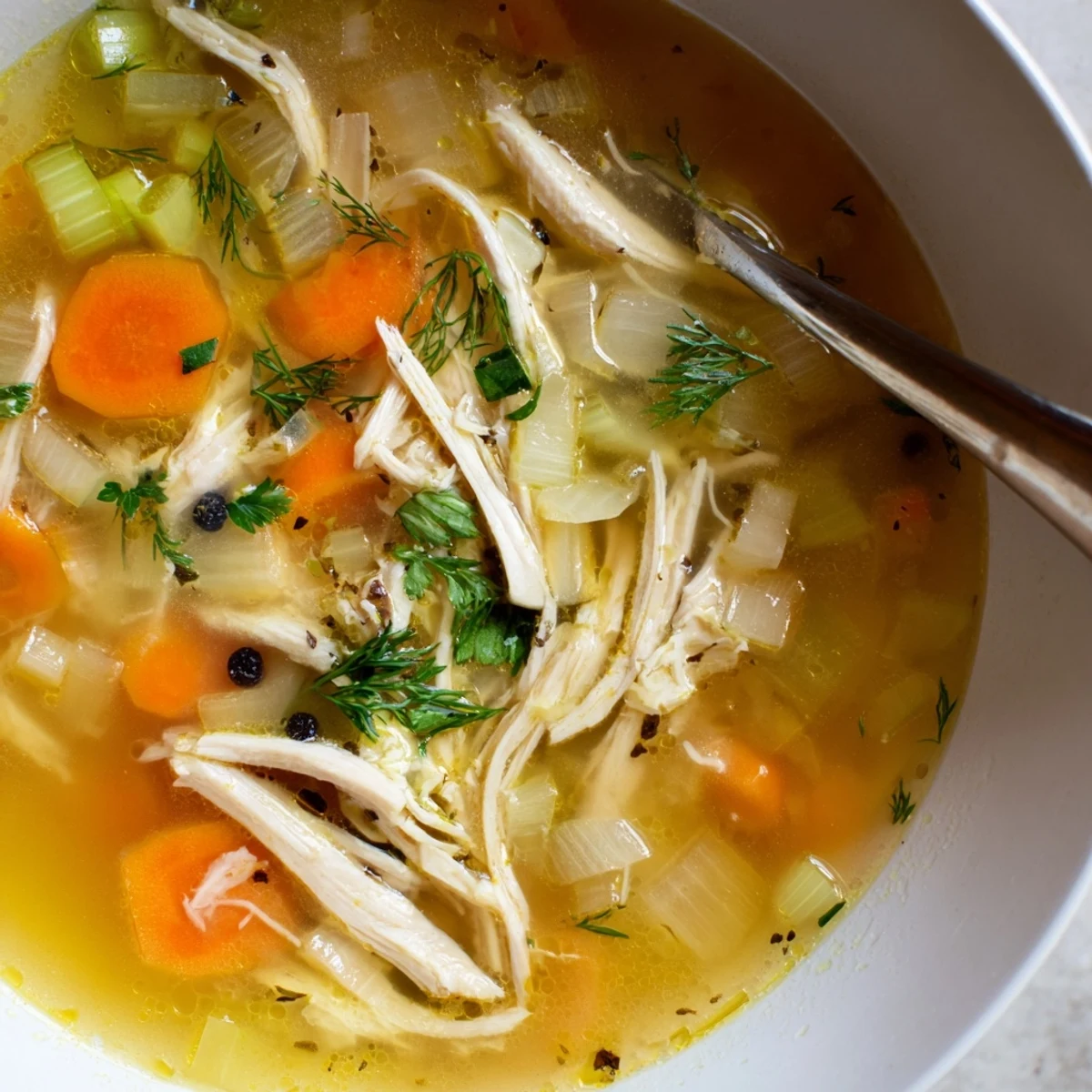
 This classic chicken soup starts by simmering bone-in chicken with carrots, celery, onion, garlic and thyme in cold water or low-sodium broth. After 45–60 minutes, remove the meat, shred it, then return it to the pot; add egg noodles or rice if desired and cook until tender. Skim foam, season to taste, and finish with fresh parsley or dill. Sautéing vegetables first deepens the flavor, and leftovers improve overnight.
The screen door slammed shut and my grandmother looked up from the stove, wooden spoon in hand, steam fogging the kitchen window above the sink. That pot had been burbling since before I woke up, filling the whole house with something that felt like a promise. Chicken soup was her answer to everything: cold rain, bad news, a long week, or just a Tuesday. I never argued with the logic.
I made this for a friend who was going through a brutal breakup once, and she sat at my kitchen table in silence for ten minutes before saying anything. She said it tasted like someone actually cared, which is probably the best review any soup will ever get.
Ingredients
- 1 whole chicken (about 1.2 kg), cut into pieces, or 800 g chicken thighs or breasts, bone in, skin on: Bone in meat is the whole secret here, releasing collagen and flavor that boneless cuts simply cannot replicate.
- 3 medium carrots, sliced: Slice them on a slight angle for prettier bowls and even cooking throughout.
- 2 celery stalks, chopped: The quiet backbone of the broth, adding an earthy note you would miss if it were gone.
- 1 large onion, diced: Rough chunks work fine since everything melds together during the long simmer.
- 3 garlic cloves, minced: Fresh garlic only, and add it a few minutes after the vegetables so it does not scorch.
- 2 bay leaves: Do not forget to remove them before serving, unless you enjoy a surprise leathery bite.
- 1 parsnip (optional), peeled and sliced: This is the secret weapon that adds a gentle sweetness most people cannot quite identify.
- 2 liters cold water or low sodium chicken broth: Starting with cold liquid helps extract more flavor from the bones slowly and evenly.
- 1 tsp whole black peppercorns: Whole peppercorns give gentle warmth without gritty specks floating in every spoonful.
- 1 small bunch fresh parsley: Stems go into the pot during cooking, leaves get saved for garnish at the end.
- 1 tsp dried thyme or 3 sprigs fresh thyme: Either works beautifully, but fresh thyme has a brighter, almost lemony quality.
- 1 and a half tsp salt, plus more to taste: Start modest and adjust at the end because reduction concentrates saltiness quickly.
- 150 g egg noodles or rice (optional): Add these only in the final minutes so they keep their texture and do not turn to mush.
- Fresh dill, chopped, for garnish: A scattering of dill at the end transforms the bowl into something unexpectedly elegant.
Instructions
- Start the foundation:
- Place the chicken pieces in a large pot and pour in the cold water or broth. Bring it to a gentle simmer over medium heat, and use a spoon or skimmer to whisk away the cloudy foam that rises to the top.
- Build the flavor:
- Tumble in the carrots, celery, onion, garlic, parsnip if you are using one, bay leaves, peppercorns, thyme, and salt. Let everything simmer uncovered for about 45 to 60 minutes until the chicken is cooked through and the vegetables yield easily to a fork.
- Prep the chicken:
- Carefully lift the chicken pieces out of the pot and set them aside to cool just enough to handle. Discard the skin and bones, then shred or chop the meat into bite sized pieces.
- Add the extras:
- If you want noodles or rice, drop them in now and let them cook for 8 to 10 minutes until tender. Return all that beautiful shredded chicken back to the pot to warm through.
- Finish and taste:
- Fish out the bay leaves and any herb stems, then taste the broth and add more salt or pepper if it needs a lift. Trust your palate because every batch is a little different.
- Serve with love:
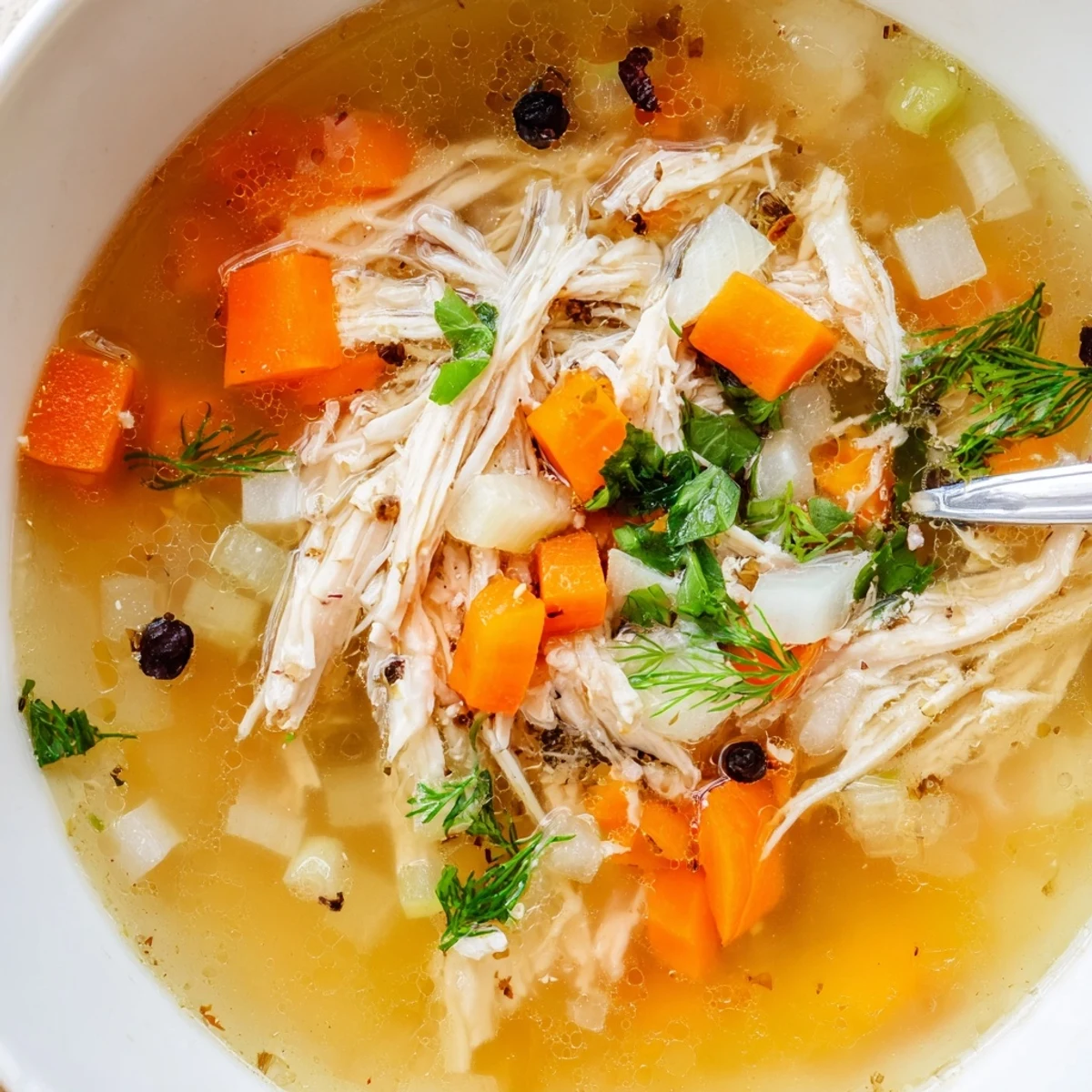
- Ladle the steaming soup into wide bowls and scatter fresh parsley and dill over the top. Serve it piping hot with crusty bread nearby for dunking.
 Save to Pinterest
 Somewhere around my third winter in a tiny apartment with a broken heater, I realized this soup was less about the recipe and more about the act of making something warm when everything else felt cold.
Why This Soup Tastes Better the Next Day
The flavors continue to marry and deepen as the soup rests overnight in the refrigerator, which means leftover chicken soup is almost always better than the first bowl. The broth thickens slightly as the gelatin from the bones sets, giving it a silky body that feels luxurious without any cream or butter. Make a double batch on Sunday and you will not regret it on Wednesday.
Choosing the Right Cut of Chicken
Thighs produce a richer, more flavorful broth, while breasts give you leaner meat that shreds cleanly. A whole chicken cut into pieces gives you the best of both worlds, with the back and wing bones contributing enormous flavor to the liquid. Skin on pieces render a little fat into the broth, which carries flavor in a way that skinless cuts simply cannot match.
What to Serve Alongside
A hunk of crusty bread is the obvious and correct answer, but a simple green salad with a sharp vinaigrette cuts through the richness beautifully. A glass of Sauvignon Blanc or even a light beer makes the meal feel intentional rather than accidental.
- Toast the bread and rub it with a raw garlic clove for an instant upgrade that costs almost nothing.
- Freeze individual portions in flat freezer bags so you always have soup ready in a pinch.
- Remember that the soup will thicken as it sits, so add a splash of water when reheating if needed.
 Save to Pinterest
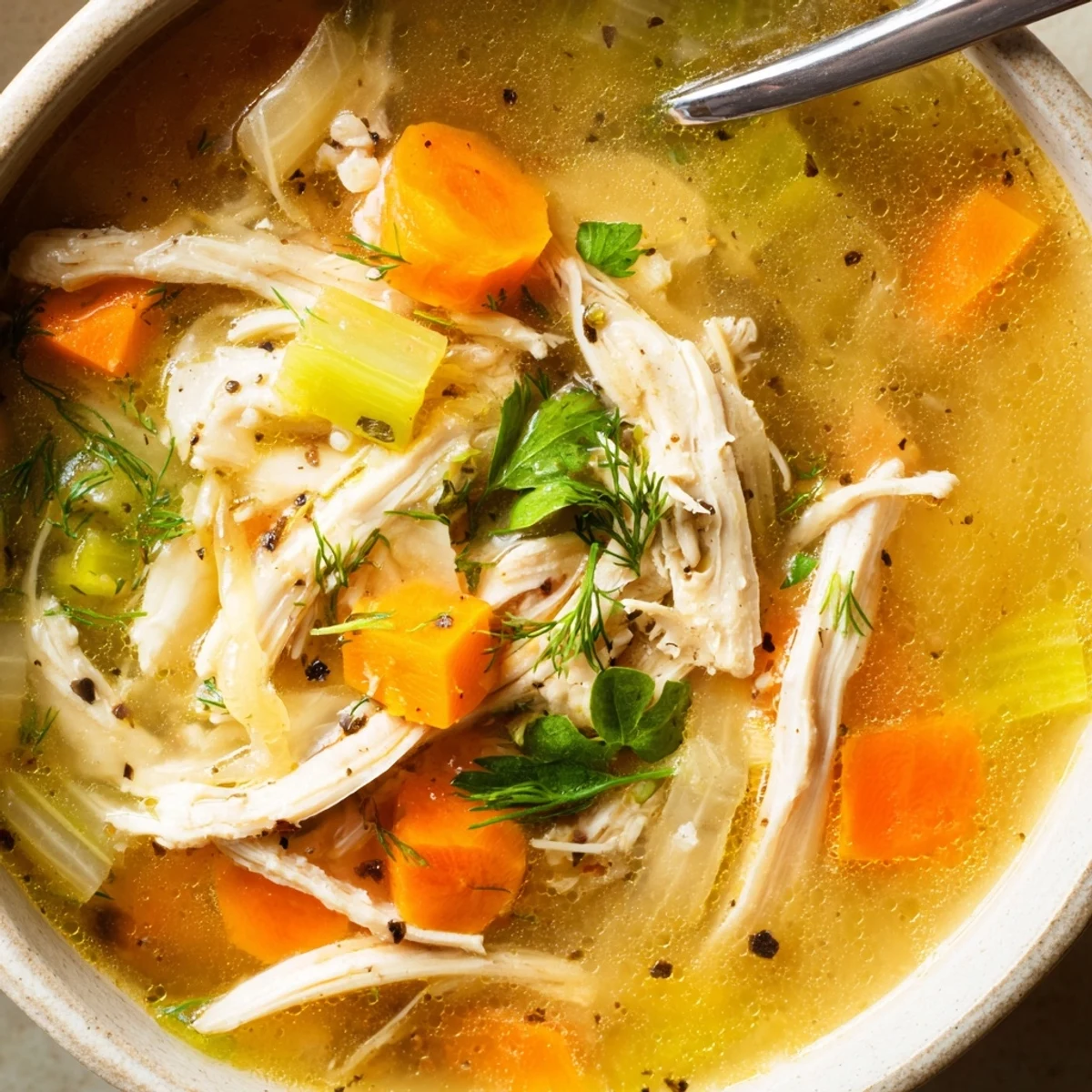
 Some recipes feed the body and some feed the soul, but a pot of homemade chicken soup manages to do both without any fuss. Share it generously and often.
Recipe Questions & Answers
- → How long should the chicken simmer?
-
Simmer gently for about 45–60 minutes until the chicken is cooked through and vegetables are tender. Check that meat reaches 165°F (75°C) internally before shredding.
- → Can I use boneless chicken instead of a whole bird?
-
Yes—bone-in, skin-on pieces yield a richer broth, but boneless thighs or breasts work. Reduce simmer time slightly for boneless cuts and add a cup of stock if you want more depth.
- → How do I keep the broth clear?
-
Start with cold water, bring to a gentle simmer, and skim off foam as it rises. Avoid a rolling boil and strain the broth through a fine-mesh sieve for extra clarity.
- → When should I add noodles or rice?
-
Add egg noodles or rice near the end, simmering 8–10 minutes for noodles or until rice is tender. Add them just before serving to prevent them from becoming overly soft in leftovers.
- → How can I deepen the flavor?
-
Sauté the vegetables in a little olive oil before simmering, roast the bones first, or simmer longer to concentrate the broth. A Parmesan rind or extra herbs can also boost umami.
- → What is the best way to store or freeze leftovers?
-
Cool quickly and refrigerate for 3–4 days or freeze up to 3 months. If freezing with starches (noodles/rice), texture may change—consider adding them fresh when reheating.