
 Save to Pinterest
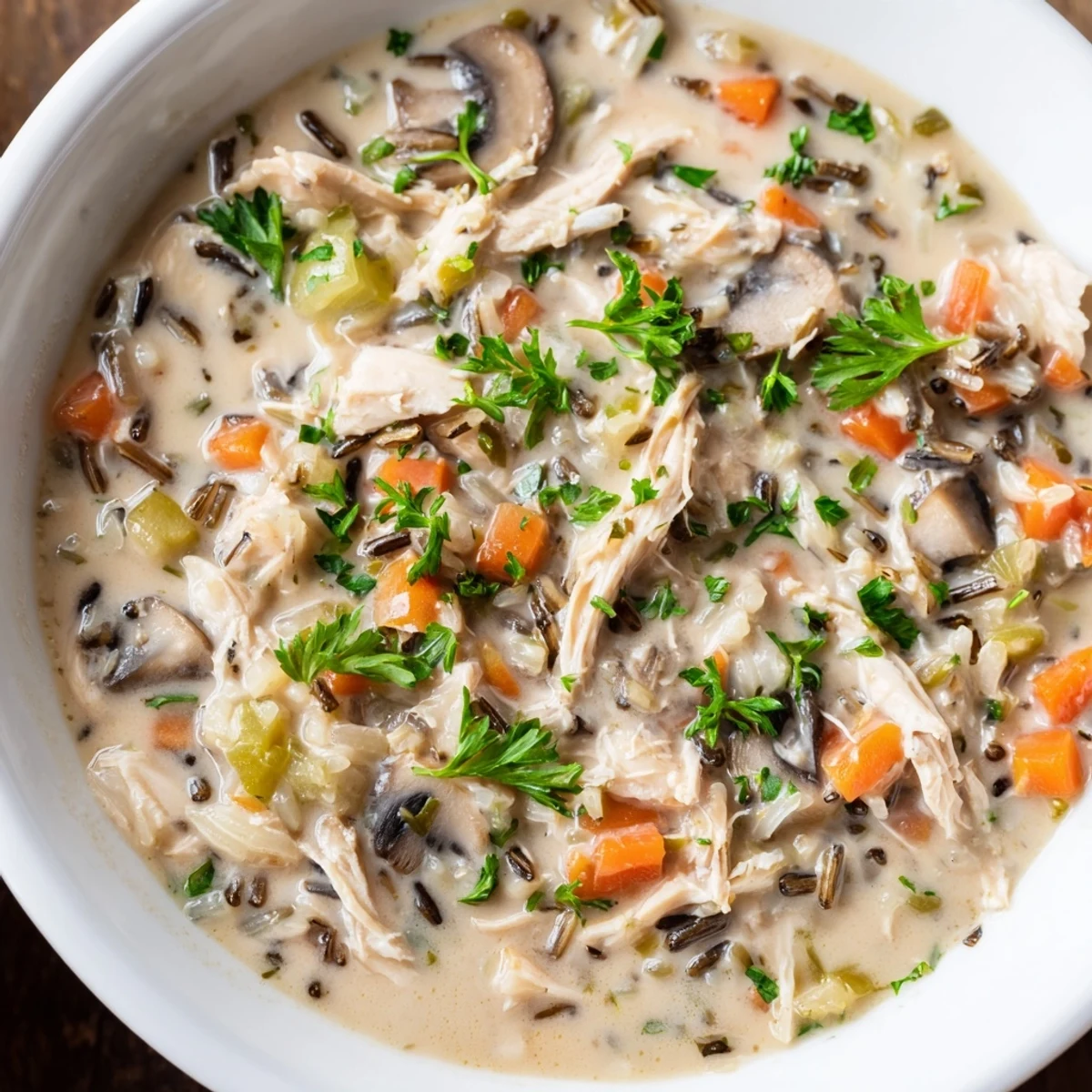
 This comforting bowl showcases tender chicken and nutty wild rice simmered in a rich, creamy broth. Aromatic vegetables like onions, carrots, celery, and mushrooms are sautéed to soften, then thickened with flour. A blend of chicken broth, cream, and milk creates a smooth, velvety base. Fresh parsley adds a bright finish, making it perfect for chilly days. This hearty dish offers warmth and deep flavors from a careful balance of seasonings and textures.
There's something about wild rice that makes a soup feel instantly more elegant than it has any right to be. I discovered this soup on a gray November afternoon when I had leftover rotisserie chicken and an almost-forgotten bag of wild rice blend in my pantry. The nutty, earthy grains seemed to transform the whole pot into something restaurant-worthy, and by the time the cream swirled in, I understood why this became the dish I'd make whenever someone needed real comfort food.
I'll never forget making this for my sister during a surprise visit—she showed up unannounced on a cold Sunday with her family, and I had just enough time to pull together this soup before they arrived. Watching their faces light up when they tasted it, when they asked for seconds, when my nephew actually ate vegetables without complaining—that's when I knew this recipe was a keeper.
Ingredients
- Cooked chicken breast (2 cups, shredded or diced): Rotisserie chicken saves time and adds deeper flavor, but any cooked chicken works beautifully here.
- Wild rice blend (1 cup uncooked): The nutty texture is what sets this soup apart—it stays slightly chewy even when fully cooked, which is exactly what you want.
- Onion (1 medium, finely chopped): This is your flavor foundation, so don't rush chopping it fine; it dissolves into the broth and builds the base taste.
- Carrots (2 medium, diced): They add natural sweetness and color, balancing the earthiness of the mushrooms and rice.
- Celery (2 stalks, diced): This is the quiet player that rounds out the classic soup trinity with onion and carrot.
- Garlic (3 cloves, minced): Fresh garlic stirred in near the end keeps its sharp edge just right; don't let it burn or it turns bitter.
- Fresh mushrooms (1 cup, sliced): They add umami depth and an almost meaty quality that makes this soup feel more substantial.
- Fresh parsley (2 tablespoons, chopped, plus extra for garnish): The brightness of fresh parsley at the end lifts the whole bowl; dried just won't give you that same freshness.
- Low-sodium chicken broth (6 cups): Use low-sodium so you control the salt level and the soup doesn't become one-note.
- Heavy cream (1 cup): This is where the luxury lives—don't skip it or substitute light cream if you want the real thing.
- Whole milk (1 cup): This tempers the heaviness of the cream without making the soup feel thin.
- Unsalted butter and olive oil (2 tablespoons each): The combination gives you richness and a subtle fruity note from the oil.
- All-purpose flour (3 tablespoons): This thickens the soup gently; cook it with the vegetables first to remove the raw taste.
- Dried thyme (1 teaspoon): Thyme is classic for a reason—it whispers through the whole soup without overpowering anything.
- Bay leaf (1): Remove it before serving, but it infuses the broth with subtle complexity while it steeps.
- Salt and black pepper: Season gradually as you go; you'll probably need more salt than you think since the broth is low-sodium.
Instructions
- Start the wild rice early:
- Rinse the wild rice under cold water to remove any dust, then combine with 2 cups of chicken broth in a medium saucepan. Bring to a boil, then lower the heat to a gentle simmer, cover, and let it cook for 30–35 minutes until the grains are tender but still have a slight chew to them. This head start ensures the rice is ready when you need it.
- Build your flavor base:
- While the rice cooks, heat olive oil and butter together in a large Dutch oven or soup pot over medium heat—that combination creates a richer starting point than either one alone. Add your chopped onion, carrots, celery, and mushroom slices, and let them soften for 6–8 minutes, stirring occasionally so everything releases its flavors evenly.
- Toast the aromatics:
- Stir in the minced garlic, dried thyme, salt, and pepper, and let everything cook for about 1 minute until you can smell the garlic—that's your signal that the raw edge is gone. The kitchen will smell incredible at this point, and that aroma is part of the magic.
- Make a simple roux:
- Sprinkle the flour over the vegetables and stir constantly for 1–2 minutes to cook out the raw flour taste. This thickens the soup without any lumpy surprises later.
- Add the broth carefully:
- Gradually pour in the remaining 4 cups of chicken broth, stirring constantly to smooth out any flour lumps before they have a chance to form. Add the bay leaf, then bring everything to a gentle simmer.
- Bring it all together:
- Stir in the cooked wild rice and shredded chicken, then let it simmer for about 10 minutes so the flavors start talking to each other. Taste it now and adjust your salt and pepper if needed.
- Finish with cream:
- Reduce the heat to low, then slowly pour in the heavy cream and whole milk while stirring—this gradual addition keeps the soup silky instead of curdled. Heat it gently for 5 minutes, just until it's steaming; high heat is the enemy of cream soups.
- Final touches:
- Fish out the bay leaf, stir in the fresh chopped parsley, and taste one more time for seasoning. Ladle into bowls and top with extra parsley for color and that fresh taste that makes people ask for the recipe.
 Save to Pinterest
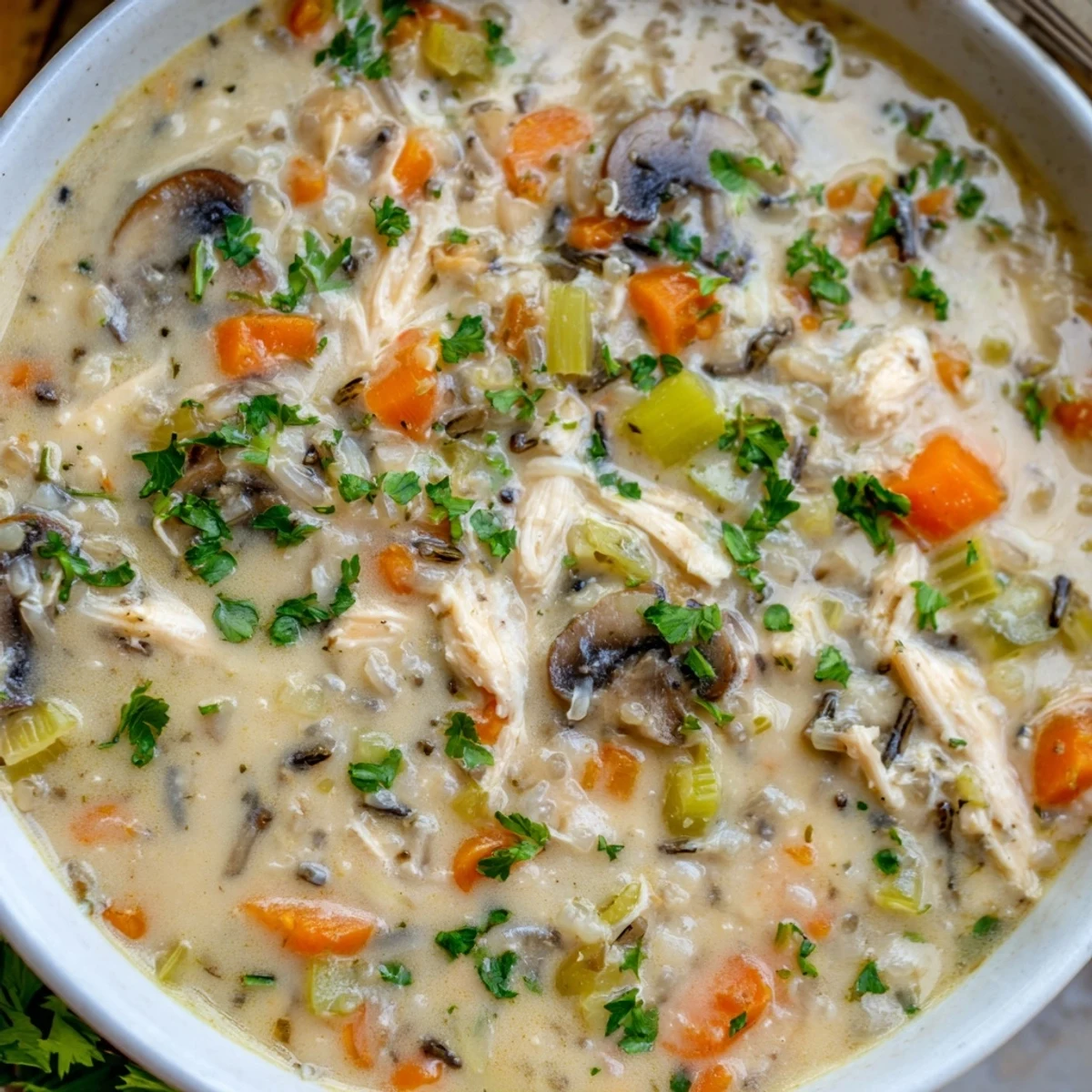
 This soup is the kind that makes people linger at the table, trading stories between spoonfuls. It's warm and filling without making you feel heavy, and somehow it always tastes even better the next day when the flavors have settled and deepened.
Why Wild Rice Makes the Difference
Regular rice would disappear into the broth, but wild rice holds its shape and texture, giving you something to bite into with every spoonful. The nutty flavor runs underneath everything else like a quiet bass note that makes the whole composition richer. I've tried this soup with regular rice before (when someone in the house complained wild rice was too weird), and it was fine, but it wasn't memorable—the wild rice is what transforms this from a standard chicken soup into something special.
Timing and Make-Ahead Wisdom
The whole soup comes together in just over an hour, but you can get creative with timing. Cook the wild rice the morning you're making soup and store it in the fridge; then the rest of the recipe takes about 30 minutes. You can also make the entire soup ahead and reheat it gently on the stove before serving, which actually improves the flavors—just go low and slow so the cream doesn't curdle.
Variations and Additions
Once you've made this soup a few times and know how it tastes, you can start playing with it. Fresh spinach or kale stirred in at the very end adds color and nutrition without weighing anything down. Some people swear by a splash of white wine (add it right after cooking the garlic), and others stir in a touch of Dijon mustard or fresh tarragon. The bones of the recipe are strong enough to handle these additions gracefully.
- Substitute half-and-half for the heavy cream and whole milk if you want something lighter that still feels creamy.
- Use rotisserie chicken for deeper flavor and zero cooking time on that part of the recipe.
- Pair it with crusty bread and a glass of crisp Sauvignon Blanc for a meal that feels completely put-together.
 Save to Pinterest
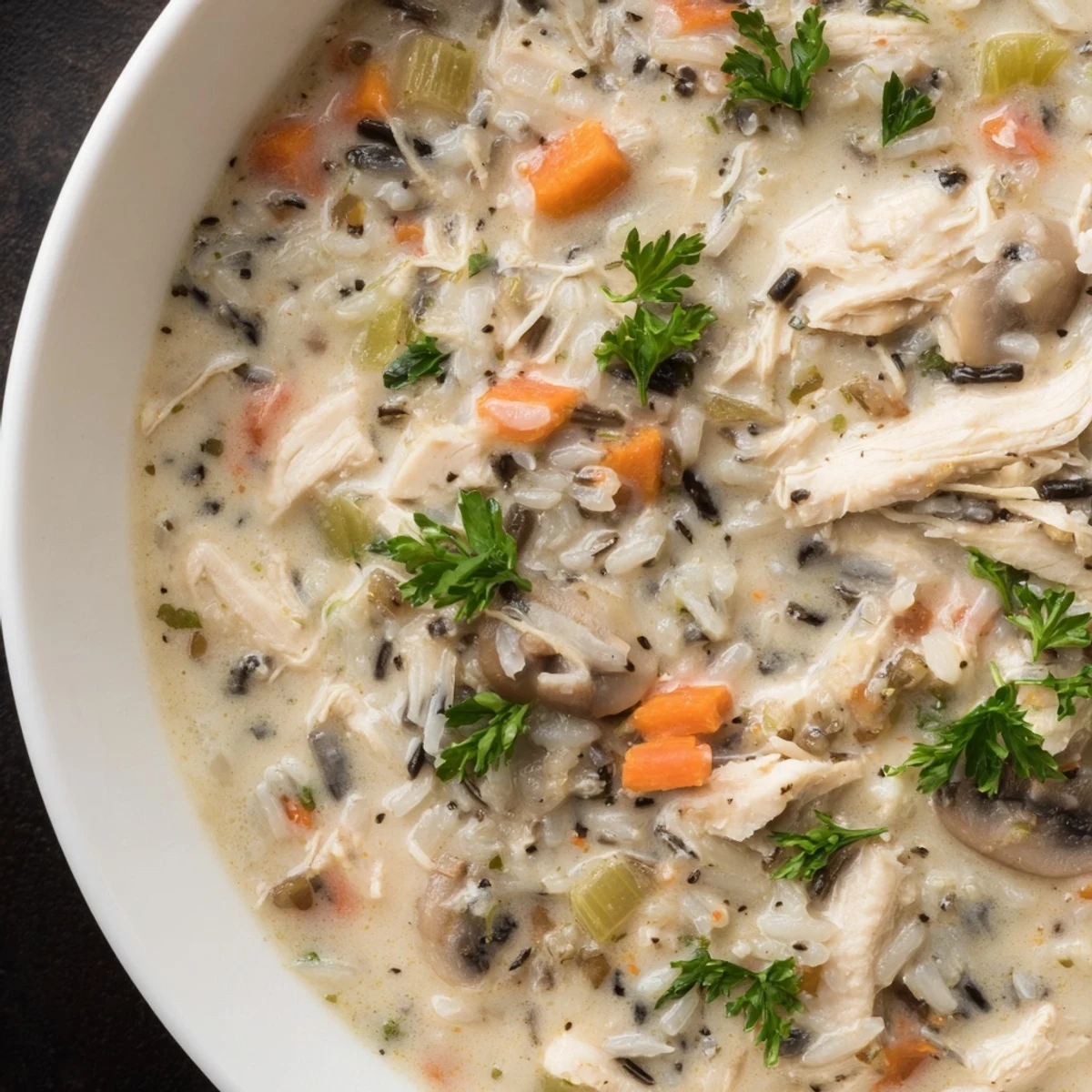
 This soup has a way of becoming part of your cooking rotation for good reason. It's the kind of dish that makes people feel cared for, the kind you find yourself making again and again because it never disappoints.
Recipe Questions & Answers
- → How should wild rice be prepared for this dish?
-
Wild rice is rinsed and simmered in chicken broth until tender, usually 30–35 minutes, to enhance flavor and texture before combining with other ingredients.
- → Can I substitute heavy cream for a lighter option?
-
Yes, half-and-half can be used to reduce richness while maintaining a creamy texture without altering the overall balance significantly.
- → What vegetables are key to the flavor base?
-
Onion, carrots, celery, garlic, and mushrooms are sautéed to develop a savory foundation that complements the wild rice and chicken.
- → Is it important to avoid boiling after adding the cream?
-
Yes, heating gently without boiling preserves the cream’s smoothness and prevents curdling, ensuring a velvety broth.
- → What herbs enhance the flavor profile?
-
Dried thyme and fresh parsley provide aromatic notes and subtle herbal brightness that balance the dish’s richness.
- → What is a good accompaniment for this dish?
-
Crusty bread or a crisp white wine like Sauvignon Blanc pairs beautifully, offering contrast to the creamy, hearty textures.