 Save to Pinterest
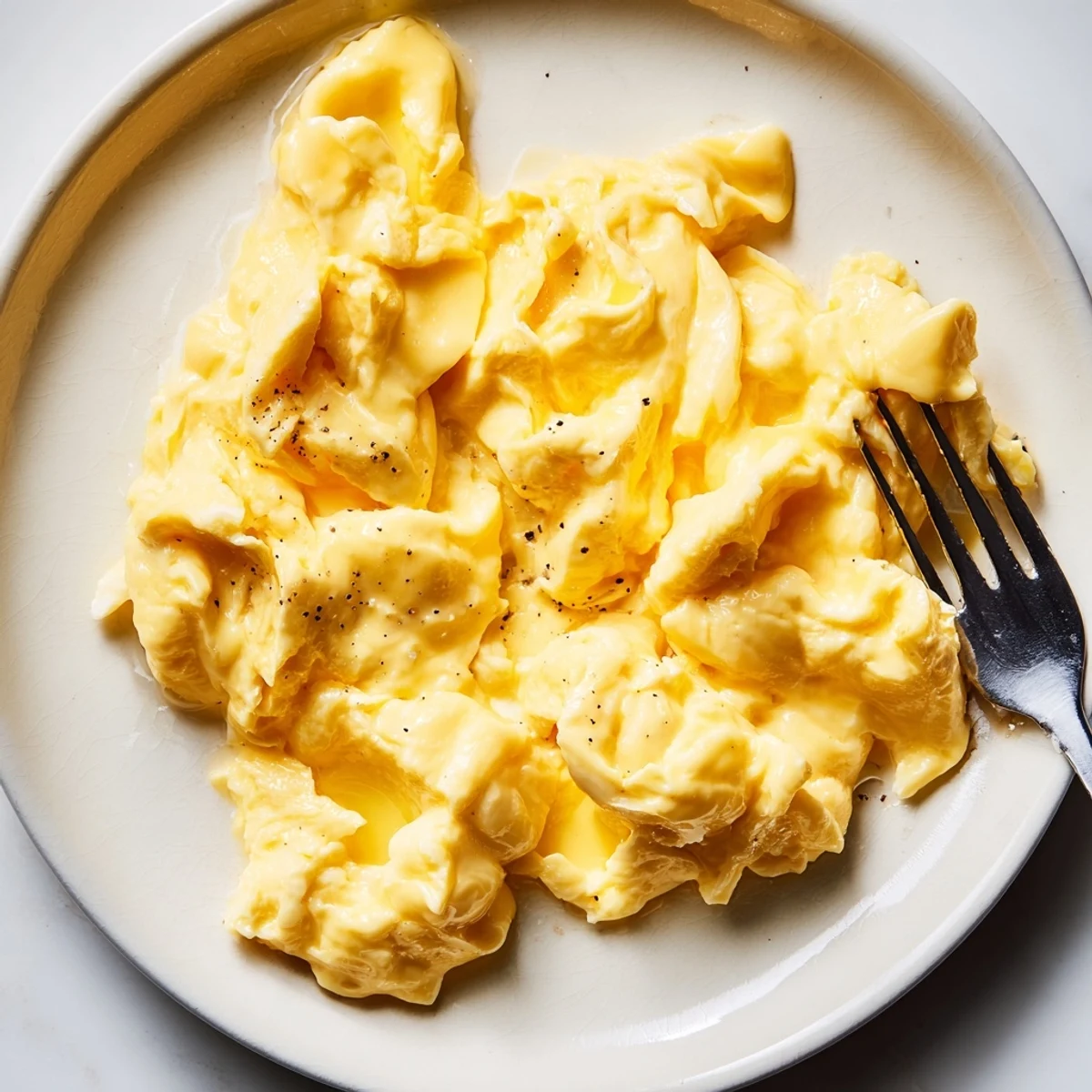
 Create restaurant-quality scrambled eggs at home with this foolproof technique. The secret lies in low heat and gentle stirring, producing soft curds that melt in your mouth. Whole milk or cream adds richness, while butter provides the perfect cooking medium.
This versatile dish serves as a canvas for endless variations—fresh herbs, sharp cheddar, or sautéed vegetables transform the basic preparation into something special. Perfect alongside buttered toast, sliced avocado, or lox for a complete morning meal.
The smell of butter melting in a pan at 7 AM is one of those simple pleasures that makes everything feel okay. I learned to make scrambled eggs during college when my roommate and I took turns making breakfast before early classes. She swore by adding milk, while I insisted cream was the secret. Turns out we were both right.
Last Sunday my partner woke up craving something comforting but we had almost nothing in the fridge. Just eggs, some cream, butter. Sometimes the most basic ingredients create the most honest food. We stood at the stove together taking turns with the spatula.
Ingredients
- 4 large eggs: Room temperature eggs whisk up better and create that uniform creamy texture
- 2 tbsp whole milk or cream: This little bit of dairy makes all the difference between dry and luxurious
- 1 tbsp unsalted butter: Butter adds richness and helps prevent sticking without adding overwhelming flavor
- 1/4 tsp salt: Enhances the natural eggy flavor without making them taste salty
- 1/8 tsp freshly ground black pepper: Adds a gentle warmth that balances the creaminess
Instructions
- Whisk everything together:
- Crack eggs into a bowl and pour in your milk or cream. Add salt and pepper. Whisk until the mixture turns slightly frothy and looks uniform in color.
- Melt the butter:
- Drop butter into a nonstick skillet over medium-low heat. Watch it melt and start gently bubbling. This tells you the pan is ready.
- Start the curds:
- Pour in the egg mixture and let it sit untouched for just a few seconds. Watch the edges begin to set slightly.
- Fold gently:
- Use your spatula to push eggs from the edges toward the center. Let raw egg flow into the empty spaces. Keep folding and pushing.
- Watch for doneness:
- Continue until eggs are just set but still look slightly moist. They should hold soft curds not a dry mass.
- Serve immediately:
- Remove from heat the moment they reach your desired consistency. Eggs keep cooking in the pan so trust your instincts.
 Save to Pinterest
 My grandmother used to say you can tell a lot about a cook by their scrambled eggs. Hers were always perfect and I spent years trying to figure out what made them different. The secret turned out to be patience and knowing when to walk away.
Choosing Your Dairy
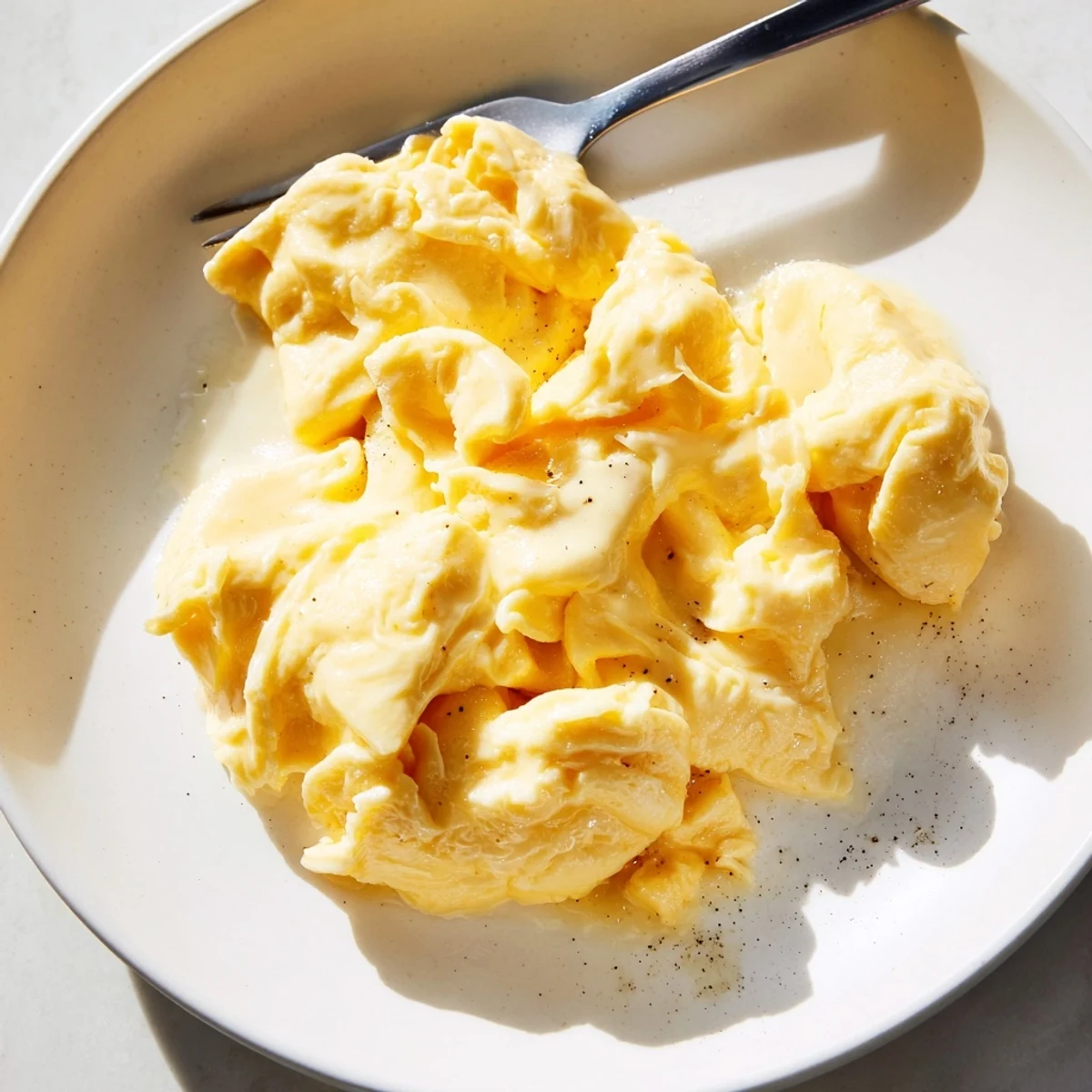
Cream creates richer more luxurious curds while milk keeps things lighter. I keep both on hand and decide based on my mood. Neither choice is wrong here.
Temperature Control
Too high heat and the proteins seize creating rubbery eggs. Medium-low gives you control over the process. If the pan starts sizzling aggressively pull it off the burner for thirty seconds.
Customization Ideas
Once you have the basic technique down these eggs become a canvas. Fresh chives or parsley folded in at the end adds brightness. Grated cheese melted through the curds makes them decadent. Sautéed mushrooms or spinach can turn this into a full meal.
- Try adding a splash of hot sauce for a morning kick
- Fold in some smoked salmon for brunch vibes
- Top with microgreens for an elegant touch
 Save to Pinterest
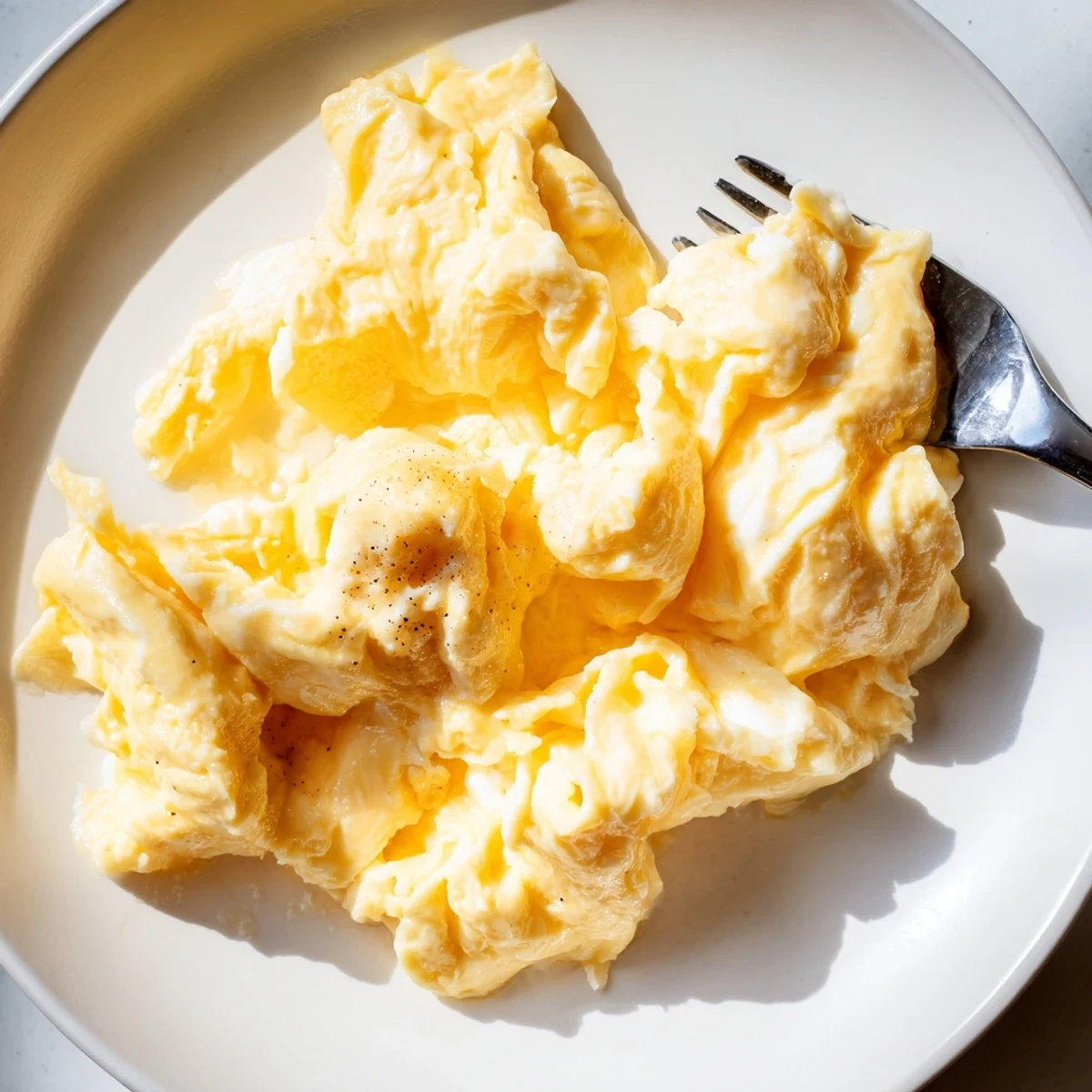
 Perfect scrambled eggs are less about following a recipe and more about learning to trust your senses. The first time you nail that creamy custard like texture you will understand why this simple breakfast endures.
Recipe Questions & Answers
- → Why add milk or cream to scrambled eggs?
-
Dairy creates a richer, creamier texture and adds moisture. The fat content prevents proteins from tightening too much during cooking, resulting in softer curds. Use cream for ultra-luxurious results or whole milk for a lighter version.
- → What's the ideal cooking temperature?
-
Medium-low heat prevents overcooking and rubbery texture. High heat causes eggs to seize and become dry. Gentle heat allows even cooking, giving you time to form those desirable soft curds without losing moisture.
- → How do I know when scrambled eggs are done?
-
Remove from heat while still slightly moist and shiny-looking. The residual heat completes the cooking process. Perfectly scrambled eggs should be soft, creamy curds—not dry or browned. When in doubt, undercook slightly rather than overcook.
- → Can I make scrambled eggs ahead?
-
Scrambled eggs taste best immediately after cooking. Reheating often results in rubbery texture and off flavors. If meal prepping, consider making egg bites or frittatas instead, which hold up better for make-ahead breakfasts.
- → What adds the most flavor?
-
Fresh herbs like chives, parsley, or tarragon elevate simple eggs. Aged cheddar, goat cheese, or grated Parmesan adds depth. For savory notes, try caramelized onions, sautéed mushrooms, or fresh spinach.