
 Save to Pinterest
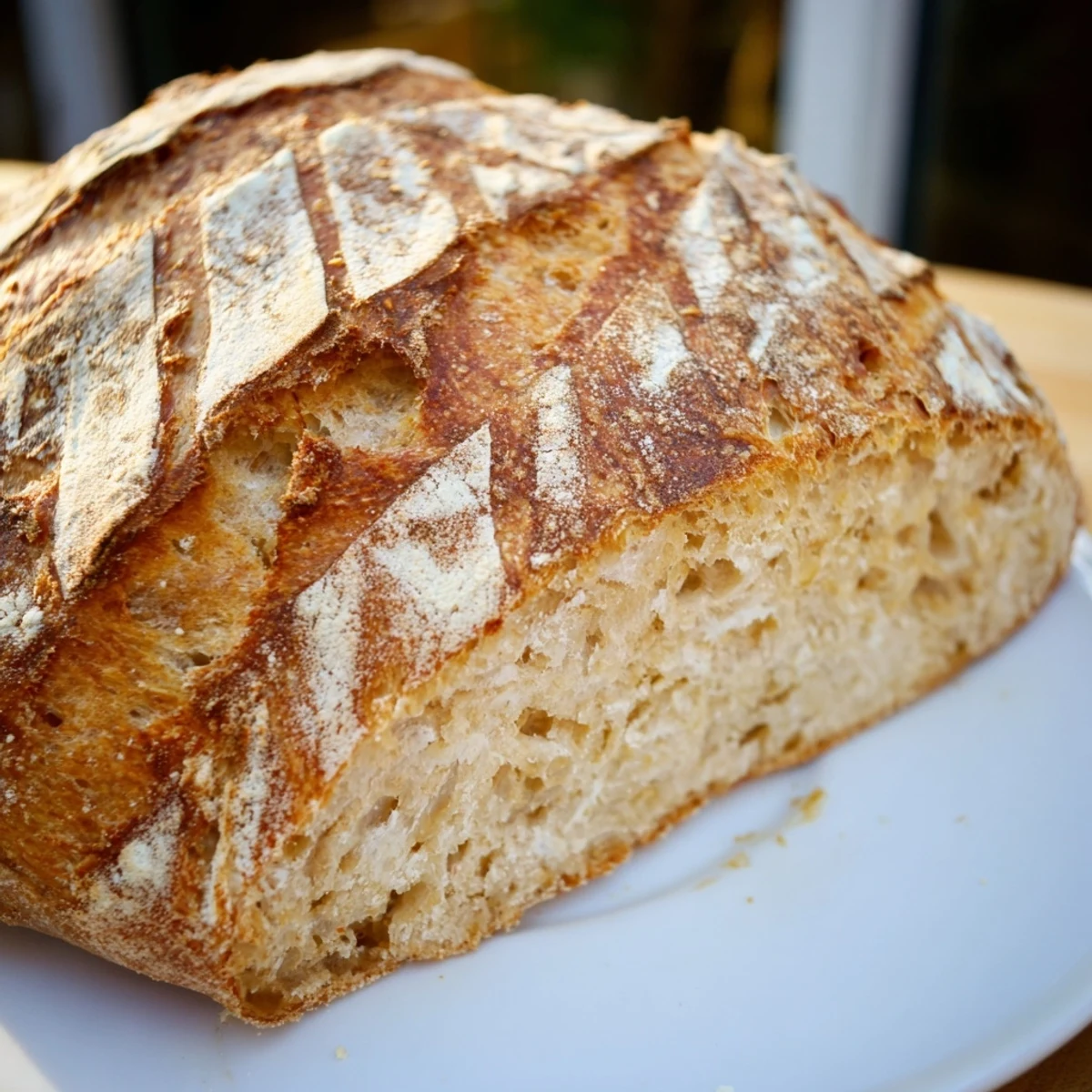
 Create bakery-worthy crusty bread with minimal effort. This European-style loaf features a thick, golden crust and tender, chewy interior using just flour, water, yeast, and salt. The no-knead method makes it perfect for beginners while delivering professional results.
After a simple 2-hour rise, bake in a Dutch oven for that steam-baked professional finish. The result is an impressive large loaf with 8-10 generous slices, ideal for serving alongside soups, stews, or simply with olive oil and butter.
My tiny apartment smelled like heaven the first time I made this bread. I'd been intimidated by baking for years, convinced yeast was some fickle creature only professionals understood. That afternoon, watching the shaggy mess transform into a beautiful loaf, I felt like I'd unlocked a secret kitchen door. Now this recipe is my Sunday ritual, no fancy skills required.
Last winter my neighbor knocked on my door, drawn by the aroma drifting through the building's old vents. I gave her a still warm slice, and we ended up talking at her kitchen table for two hours. This bread has a way of pulling people together, maybe because it's so unpretentious and honest.
Ingredients
- Bread flour: The higher protein content creates that satisfying chewy crumb and helps the loaf develop structure
- Salt: Dont skip this, it's what transforms the bread from bland to bakery worthy
- Instant yeast: The easiest variety to work with, no proofing required, just mix it in
- Lukewarm water: Should feel like a comfortable bath temperature, around 100°F activates the yeast without killing it
Instructions
- Mix the dough:
- Combine flour, salt, and yeast in a large bowl, then pour in the water and stir until everything comes together into a rough, sticky mass
- Let it rise:
- Cover the bowl and walk away for 1 to 2 hours, letting the yeast work its magic until the dough has doubled in size
- Shape the loaf:
- Turn the dough onto a floured surface, fold the edges underneath to create tension, and place it seam side down on parchment paper
- Rest again:
- Let the shaped dough relax for 30 minutes while you preheat your oven to 450°F, heating a Dutch oven inside if you have one
- Bake with steam:
- Transfer the dough into the hot Dutch oven, score the top with a sharp knife, and bake covered for 25 minutes to create steam
- Finish the crust:
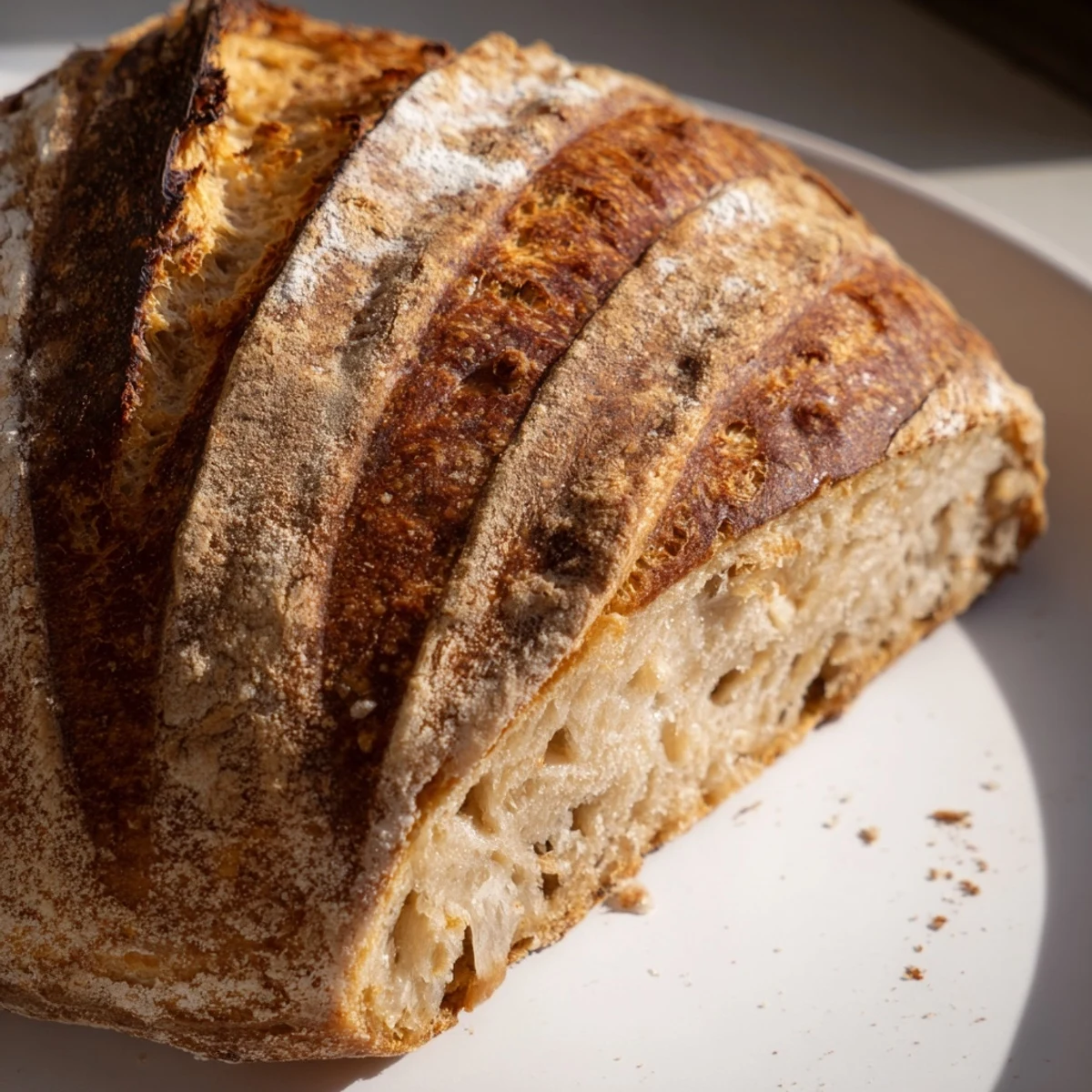
- Remove the lid and bake another 15 minutes until the bread is deeply golden and sounds hollow when you tap the bottom
 Save to Pinterest
 My daughter now requests this bread for every family gathering, hovering around the oven like I used to. Watching her break off that first piece, steam rising into the air, I realize I've passed down more than a recipe. It's a small ritual of patience and simple pleasures.
Getting Creative
Once you're comfortable with the basic recipe, try mixing in a tablespoon of olive oil for subtle richness. Fresh herbs like rosemary or thyme folded into the dough transform it into something entirely new. I've also added chopped olives or sun dried tomatoes for a savory variation that disappears instantly.
Troubleshooting
If your bread doesn't rise, check that your yeast wasn't expired or your water too hot. A dense loaf usually means the dough was over handled or didn't proof long enough. Don't worry, even imperfect homemade bread beats anything from the store, and you'll learn something every time.
Serving Ideas
This bread needs nothing more than good butter and perhaps some flaky salt. It's perfect for sopping up soup sauces or making the simplest sandwich feel special. For a real treat, toast a slice and rub it with a cut garlic clove while still warm.
- Wrap cooled bread in a clean towel to keep the crust crisp
- Freeze extra loaves whole or sliced, they reheat beautifully
- Stale bread makes incredible croutons or breadcrumbs for later use
 Save to Pinterest
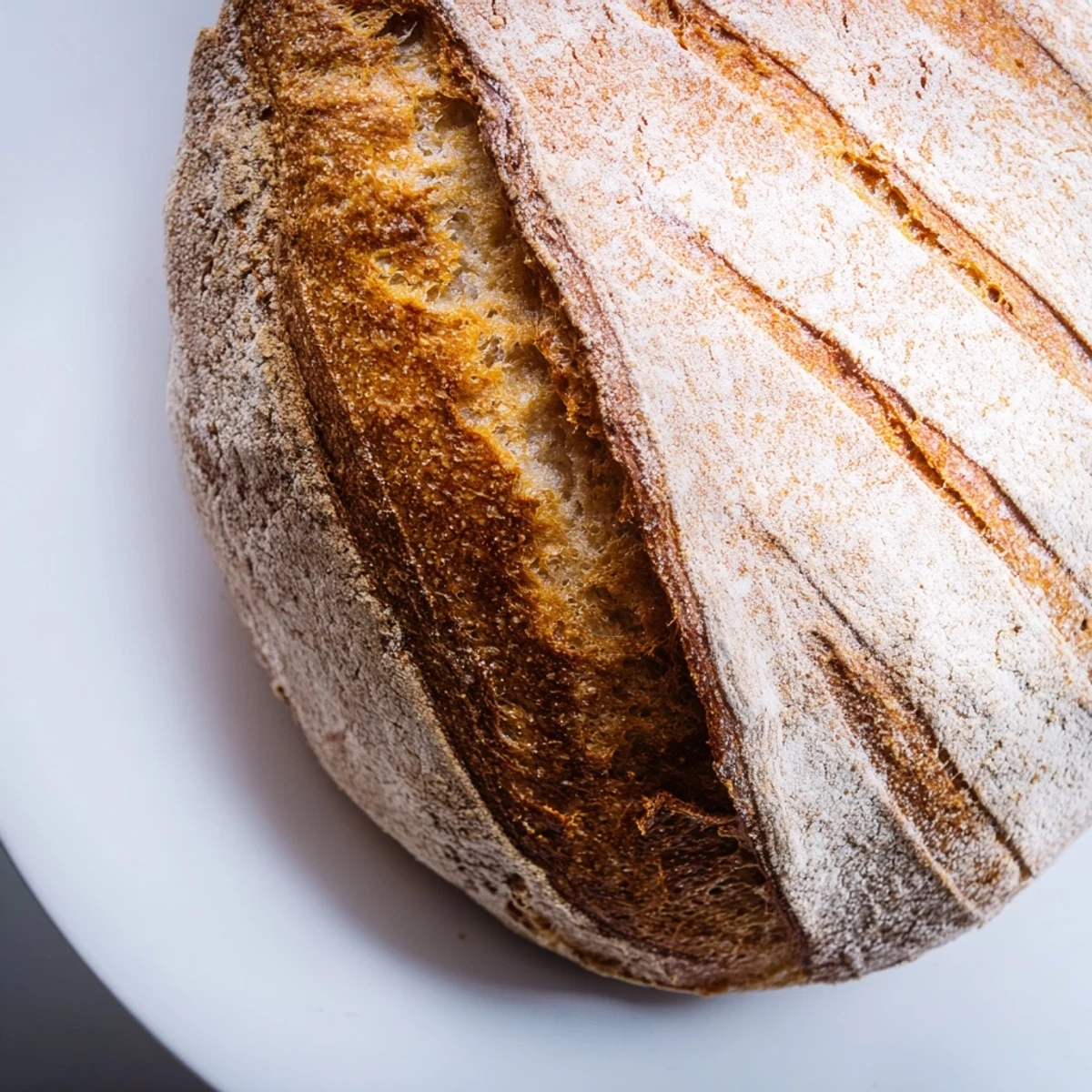
 There's something profoundly satisfying about making your own bread, connecting you to generations of home bakers. Start this recipe today, and by tomorrow afternoon you'll be breaking into your very own crusty masterpiece.
Recipe Questions & Answers
- → What makes this bread rustic?
-
The rustic character comes from the thick, golden crust and chewy interior, achieved through Dutch oven baking which creates steam. The simple shaggy dough without extensive kneading also contributes to the artisanal, irregular crumb structure typical of traditional European loaves.
- → Can I make this without a Dutch oven?
-
Yes, you can use a heavy baking sheet or pizza stone instead. The Dutch oven helps create steam for a crispy crust, but you can achieve similar results by placing a pan of water in the bottom of your oven while preheating to generate steam during baking.
- → How do I know when the bread is done?
-
The bread is ready when the crust is deep golden brown and the loaf sounds hollow when tapped on the bottom. This typically takes 40 minutes total—25 minutes covered and 15 minutes uncovered. The internal temperature should reach 200°F (93°C) for fully baked results.
- → Can I add flavors to this dough?
-
Absolutely. Mix in 1 tablespoon of olive oil for added richness, or incorporate herbs like rosemary, thyme, or garlic during the initial mixing. You can also add roasted garlic, olives, or sun-dried tomatoes for variations. Keep additions to 1/4 cup total to maintain proper dough structure.
- → Why is there no kneading required?
-
The long fermentation time allows gluten strands to develop naturally through hydration and resting. This no-knead approach creates a more open, airy crumb structure. The 1-2 hour rise does the work that kneading traditionally would, making this method accessible for all skill levels.