
 Save to Pinterest
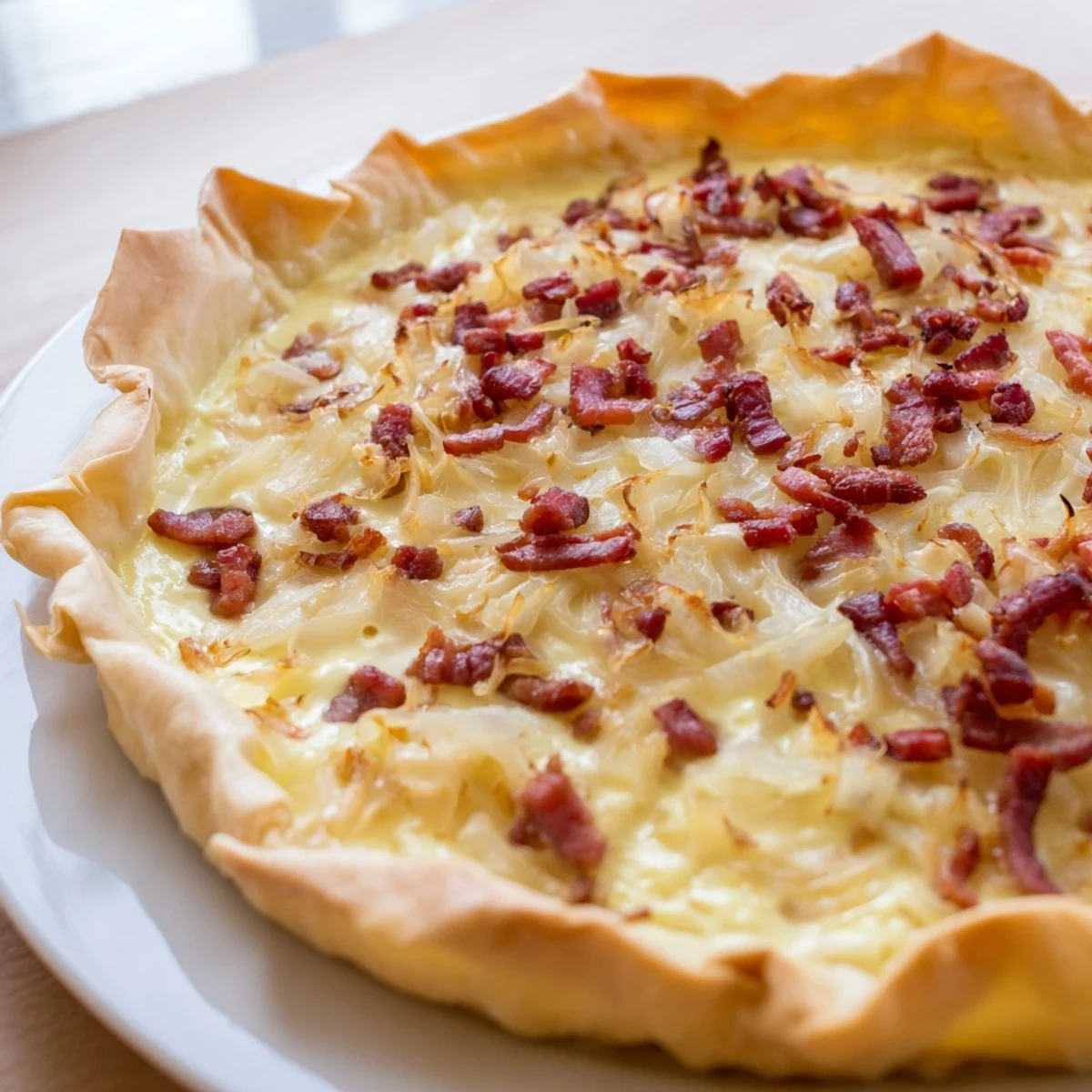
 This traditional German dish combines slowly caramelized yellow onions with crispy bacon in a rich, custard-like filling. The savory mixture bakes on a homemade buttery pastry crust until golden and set. Perfect for serving at autumn gatherings, Oktoberfest events, or as a comforting main course with a fresh green salad.
The first time I encountered Zwiebelkuchen was at a cramped neighborhood biergarten in October, where steam rose from earthenware plates and strangers became friends over shared quarters of onion tart. The bartender explained that this humble pie was the unofficial welcome mat of autumn, appearing like clockwork when the air turned crisp and the first casks were tapped. Something about the way the smoky bacon and sweet onions mingled in that creamy custard made everything feel right with the world. Ive been making it every fall since, and my kitchen finally smells like that biergarten.
Last year my neighbor came over while I was caramelizing onions and asked what smelled so incredible. She ended up staying for the entire baking process, glass of wine in hand, watching the custard set through the oven door. We ate it straight from the pan, standing at the counter, and agreed that some recipes are worth every minute of onion-induced tears. Now she texts me every September asking when the onions are hitting the pan.
Ingredients
- All-purpose flour: The foundation of your crust, keep it cold and you will thank yourself later
- Cold butter: Those tiny butter pockets are what make your crust flaky and worth every effort
- Yellow onions: The star of the show, they will transform into something entirely different and wonderful
- Thick-cut bacon: Smoky depth that makes vegetarians reconsider and meat lovers swoon
- Caraway seeds: That distinctive German note that whispers Oktoberfest in every bite
- Freshly grated nutmeg: Do not skip this, it is the secret that makes people ask what is in this
- Heavy cream and whole milk: The luxury your filling deserves, anything less is just not worth it
- Emmental or Gruyère: Nutty, melting perfection that brings everything together
Instructions
- Build your buttery foundation:
- Rub that cold butter into flour with your fingertips until you have a landscape of coarse crumbs, then add egg and just enough water to bring it together into a disk that will rest peacefully in your refrigerator for 30 minutes.
- Roll and nestle:
- Let your dough relax on the counter before rolling it out and gently pressing it into your tart pan like you are tucking it in for a nap.
- Work your onion magic:
- Let bacon render its fat in a hot skillet, then give those sliced onions a long, slow dance in the rendered fat until they turn golden and surrender their sweetness.
- Create the custard:
- Whisk cream, milk, eggs, and grated cheese until you have something silky and smooth that will cradle those onions.
- Assemble and bake:
- Spread your onion mixture across the crust, pour the custard over everything, and let your oven transform it into something golden and set.
 Save to Pinterest
 My mother-in-law from Hamburg took one bite and declared it better than her own, which I am pretty sure is the highest compliment a German can give. Now she requests it every time she visits, and I have learned to make two because one disappears between bites and conversation.
Choosing Your Onions
Yellow onions are your best bet here because they sweeten beautifully without becoming too sharp. Red onions can work in a pinch but they will change the color of your filling to something unexpected.
The Art of Caramelization
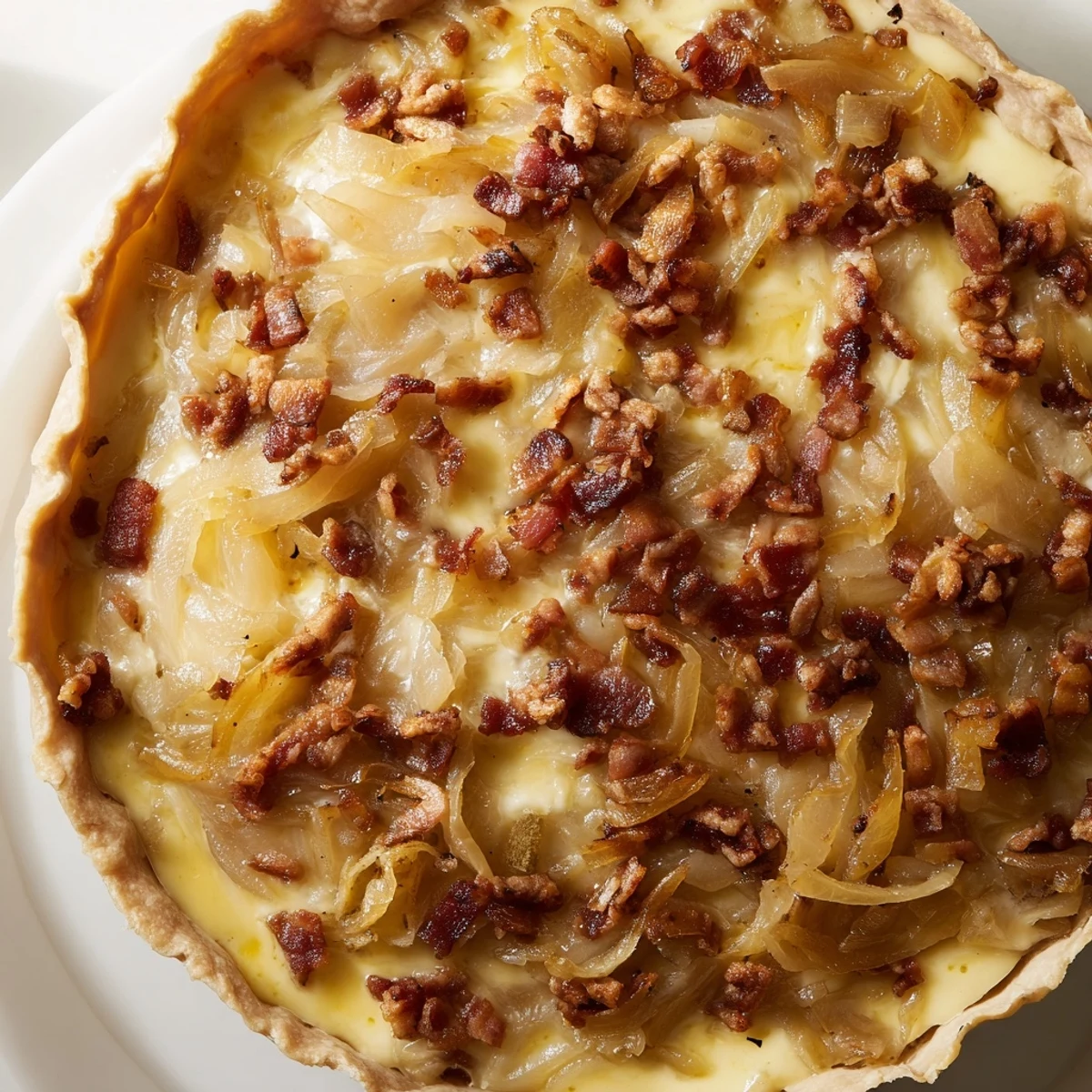
Low and slow is your mantra when cooking onions. You want them to collapse into themselves, turning a deep golden color that will make your entire apartment smell like comfort.
Serving It Right
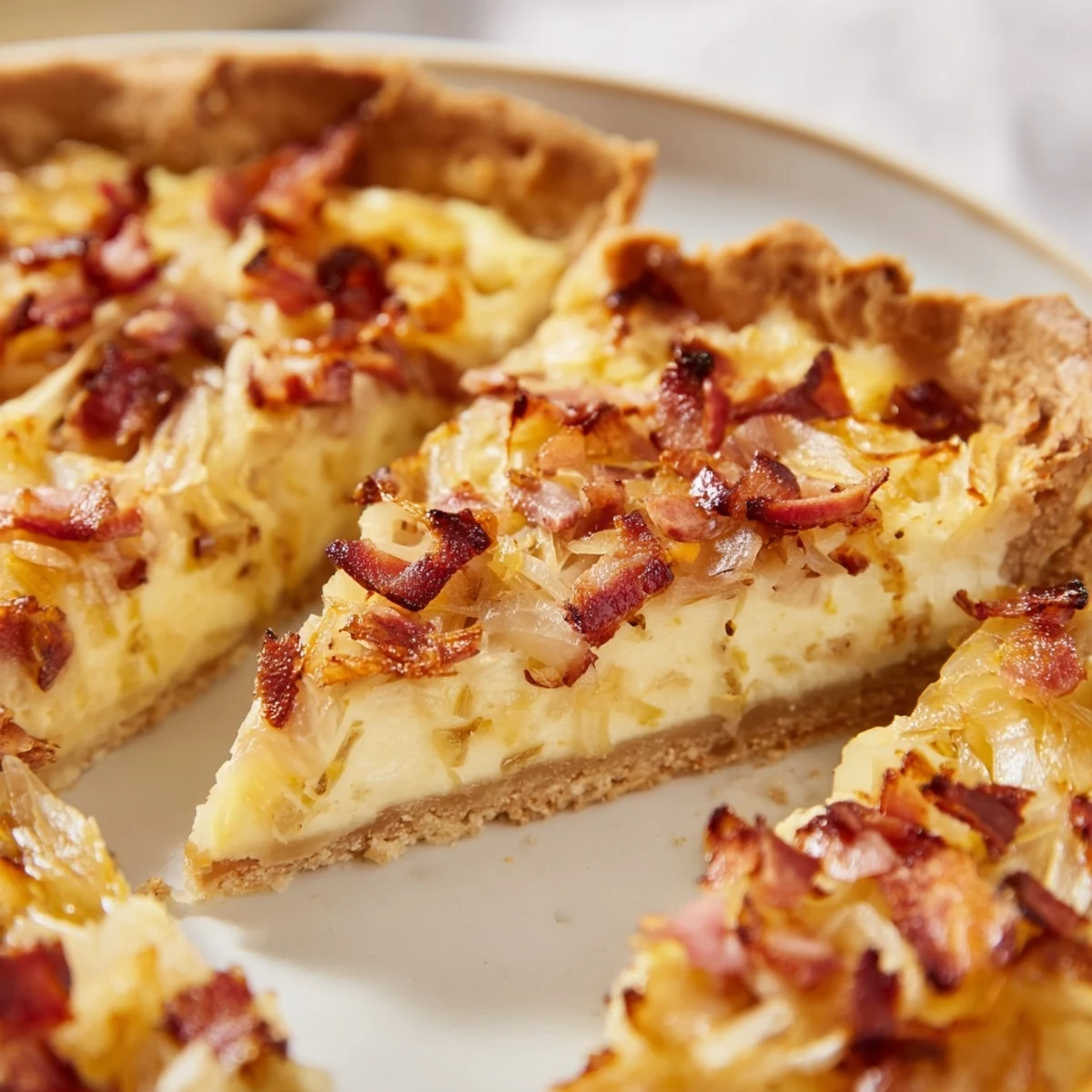
This tart wants to be served warm but not piping hot, giving the flavors a moment to settle. A crisp green salad on the side cuts through the richness perfectly.
- A glass of Riesling or dry Gewürztraminer will make everything sing
- Leftovers reheat surprisingly well for breakfast the next morning
- This freezes beautifully if you want to get ahead of your autumn cooking
 Save to Pinterest
 There is something deeply satisfying about serving a dish that looks impressive but comes from such humble ingredients. Watch it disappear and know you have made something people will remember.
Recipe Questions & Answers
- → What is German onion pie called?
-
Traditional German onion pie is known as Zwiebelkuchen, which translates literally to onion cake. It's a beloved savory tart that originated in German wine regions and is typically served during autumn wine festivals and Oktoberfest celebrations.
- → Can I make German onion pie vegetarian?
-
Yes, simply omit the bacon or substitute it with smoked tofu for a vegetarian version. The dish remains delicious with the caramelized onions and creamy custard filling providing plenty of flavor. You can also add extra cheese to enhance the savory profile.
- → How do I know when German onion pie is done baking?
-
The pie is ready when the custard filling is completely set and no longer jiggles in the center. The top should be lightly golden brown, and the pastry edges should be golden. A knife inserted near the center should come out clean.
- → What should I serve with German onion pie?
-
Traditionally, Zwiebelkuchen pairs beautifully with crisp German white wines like Riesling or Federweißer. For a complete meal, serve with a fresh green salad dressed with vinaigrette or classic German sides like sauerkraut and potato salad.
- → Can German onion pie be made ahead?
-
The pastry dough can be prepared and refrigerated up to 2 days in advance. The fully baked pie can be made 1 day ahead and served warm or at room temperature. Reheat gently in a 325°F oven for 15-20 minutes before serving if desired.
- → Why is nutmeg used in German onion pie?
-
A small amount of freshly grated nutmeg is a classic German seasoning that adds subtle warmth and depth to savory dishes. It complements the sweetness of the caramelized onions and the richness of the creamy custard filling without overpowering the other flavors.