
 Save to Pinterest
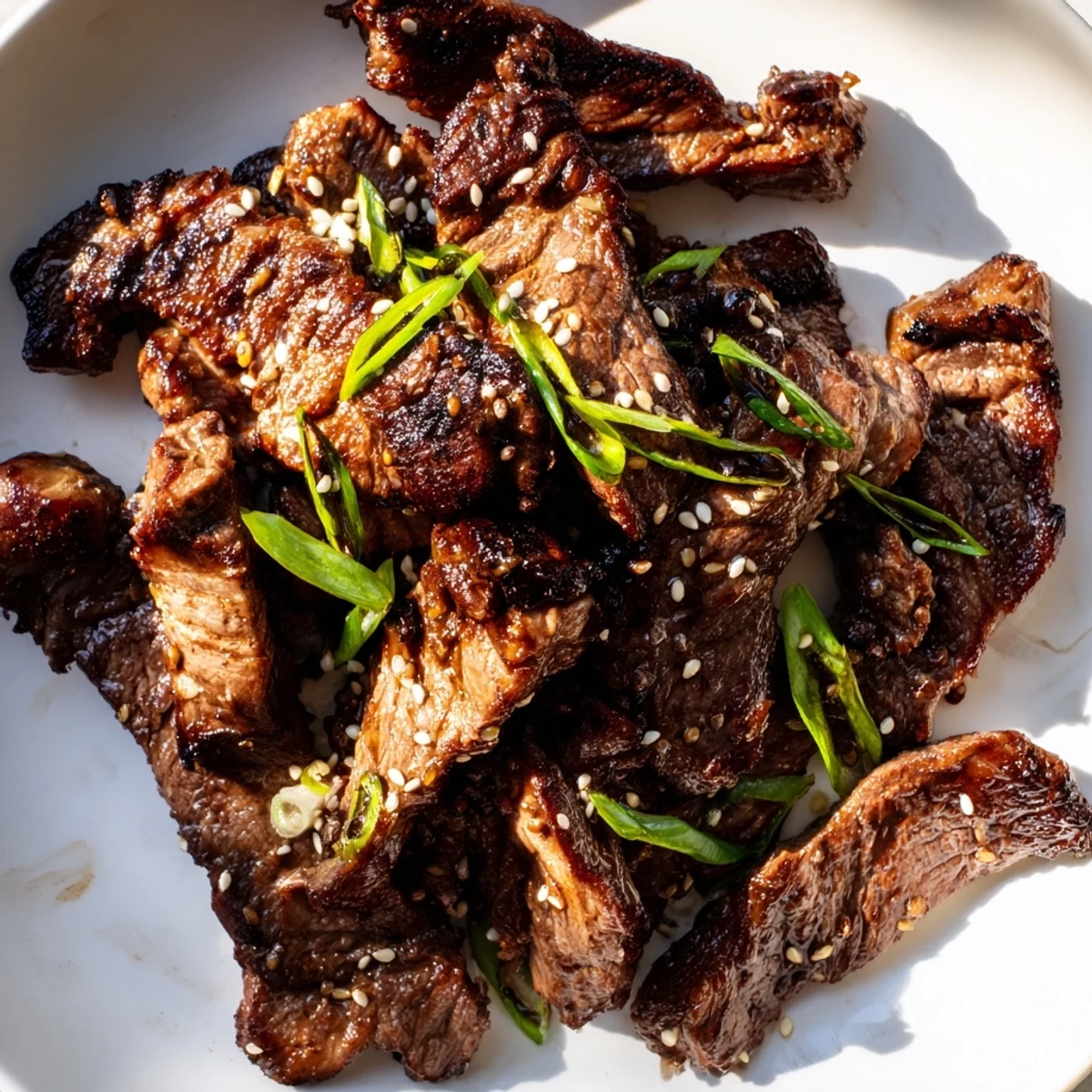
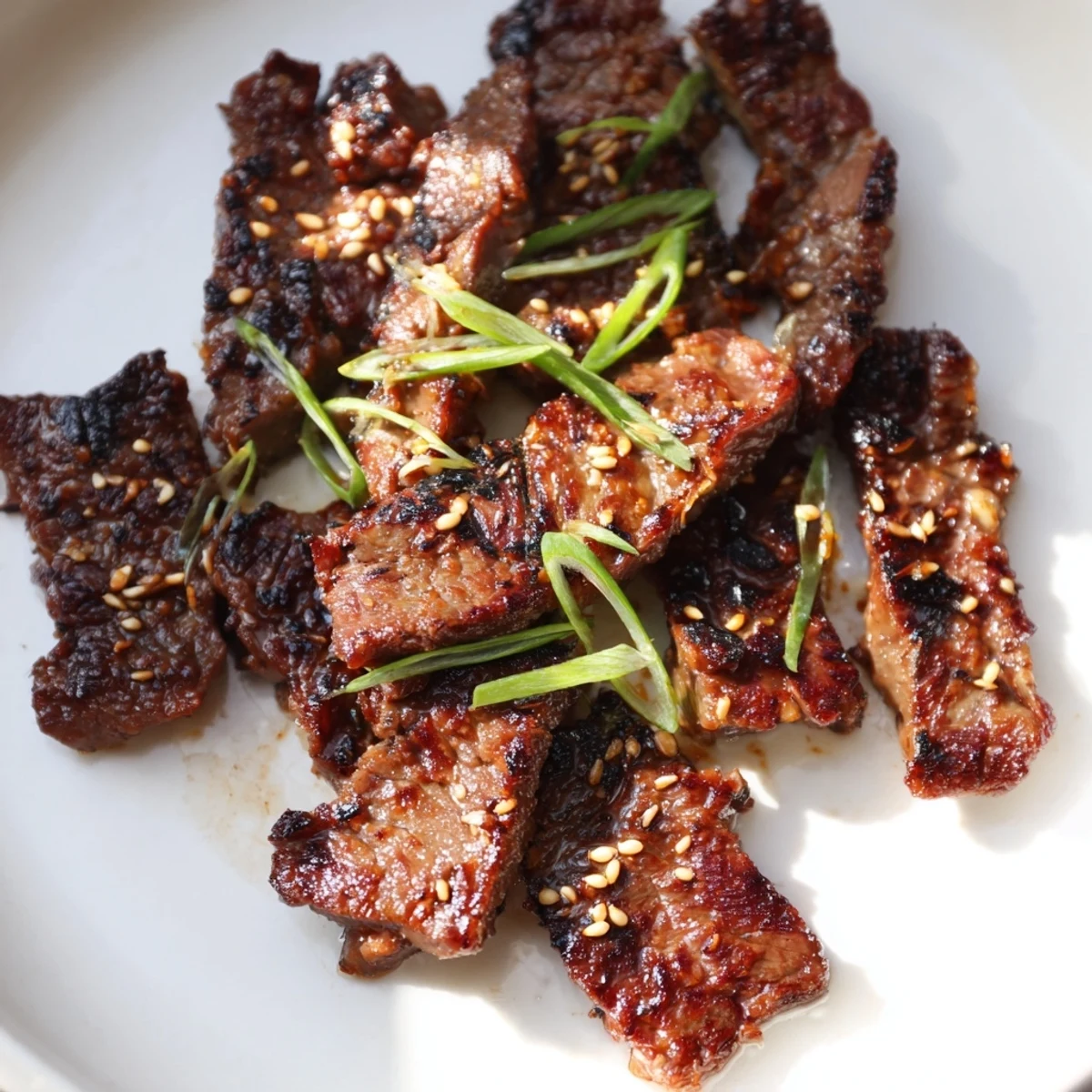
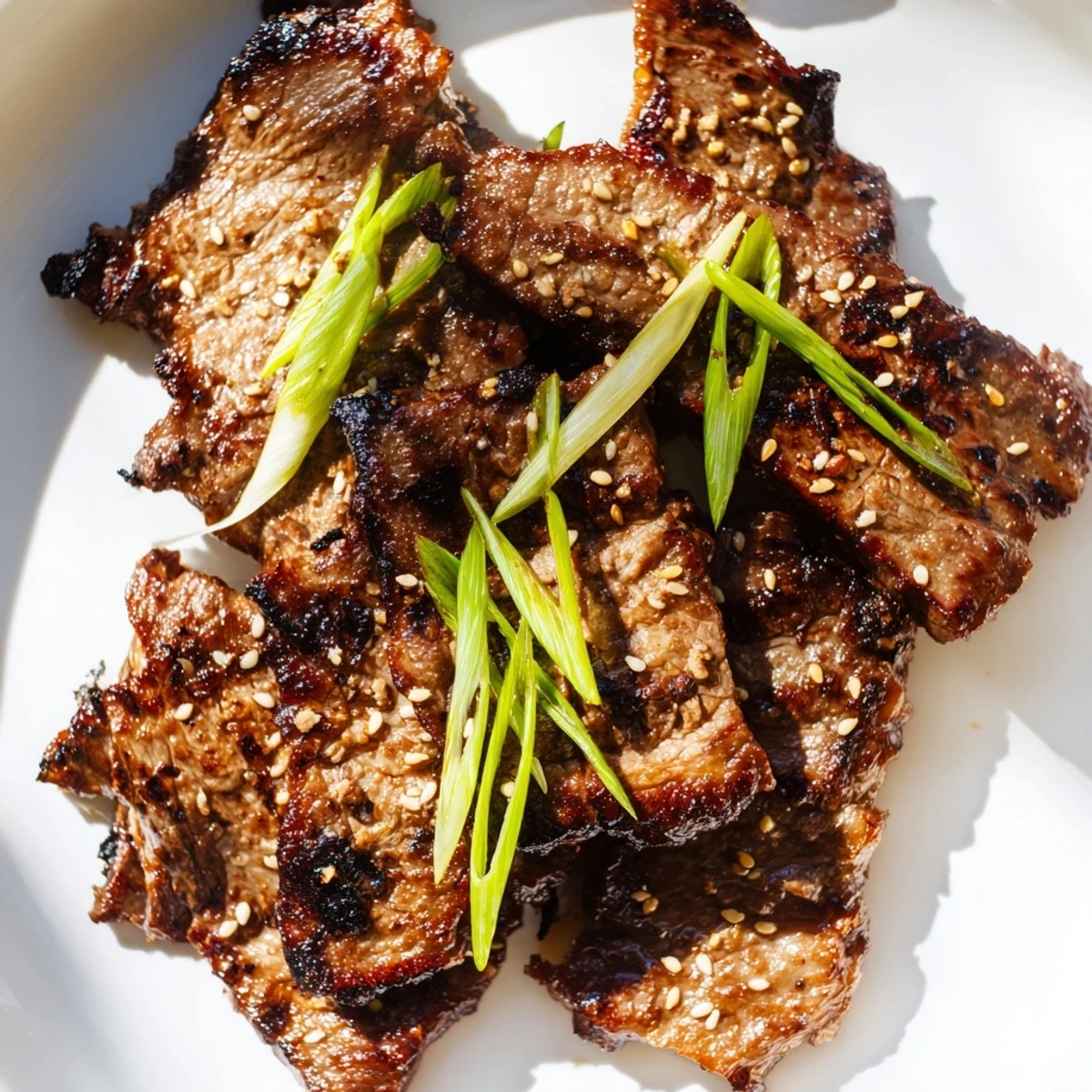
 These Korean-style grilled short ribs feature a richly flavored marinade combining soy sauce, mirin, brown sugar, honey, sesame oil, Asian pear, onion, garlic, and fresh ginger. After marinating for 4-12 hours, the beef achieves maximum tenderness and flavor penetration. Grilling creates a beautiful caramelized exterior with slightly charred edges while keeping the meat juicy inside. The flanken cut ensures quick, even cooking.
Serve with steamed rice and kimchi for an authentic Korean dining experience. The natural fruit enzymes help break down the meat fibers, creating that signature melt-in-your-mouth texture. Perfect for summer grilling or indoor cooking using a grill pan.
The smell of caramelized soy and sesame hitting a hot grill still takes me back to my friend Jin is backyard, where he first taught me how galbi should really taste. We stood around his portable grill until well past midnight, eating ribs straight off the grate with our fingers while he explained that patience with the marinade is what separates restaurant galbi from home attempts. Now every summer gathering demands these ribs, and I isve learned that the overnight marinating time isn is a suggestion
Last Fourth of July, I made these for a crowd of skeptics who had never tried Korean barbecue. Within fifteen minutes of the first ribs hitting the grill, the entire party had migrated to the patio, drawn by that unmistakable aroma. Watching my neighbor is kids fight over the last piece while simultaneously learning how to use chopsticks was exactly the kind of food moment that makes cooking worthwhile.
Ingredients
- Beef short ribs flanken cut: This thin cross-cut is traditional for galbi because it marinates quickly and cooks evenly on the grill, plus it is easier to eat than thick English-style ribs
- Soy sauce: The salty backbone of the marinade, and using a quality Japanese or Korean soy sauce makes a noticeable difference in depth
- Mirin or rice wine: Adds subtle sweetness and helps tenderize the meat while cutting through the rich beef flavor
- Brown sugar and honey: This dual-sugar approach creates the perfect caramelized char on the grill without burning too quickly
- Asian pear: The natural enzymes in the fruit break down connective tissue for that signature tender texture, and the subtle sweetness rounds out the marinade
- Sesame oil: Just a tablespoon provides that unmistakable nutty aroma that signals authentic Korean flavors
- Garlic and ginger: Fresh is non-negotiable here, as these aromatics form the flavor foundation that gets mellowed by the marinating time
- Toasted sesame seeds and scallions: The finishing garnish adds texture and fresh brightness against the rich, salty meat
Instructions
- Prep the ribs:
- Rinse the short ribs in cold water and pat them completely dry with paper towels to remove any bone fragments from butchering
- Mix the marinade:
- Whisk together soy sauce, mirin, water, brown sugar, honey, and sesame oil until the sugar has fully dissolved
- Add aromatics:
- Stir in the grated Asian pear, onion, garlic, ginger, black pepper, chopped scallions, and sesame seeds until well combined
- Marinate the meat:
- Add the ribs to the marinade, turn to coat, cover, and refrigerate for at least 4 hours, preferably overnight, turning the ribs occasionally
- Heat the grill:
- Preheat your grill or grill pan to medium-high heat until it is hot enough that you can only hold your hand above it for a few seconds
- Grill to perfection:
- Remove ribs from the marinade, let excess drip off, and grill for 3 to 4 minutes per side until caramelized with slightly charred edges
- Rest and serve:
- Let the ribs rest for 5 minutes to redistribute juices, then slice if desired and garnish with sliced scallions and sesame seeds
 Save to Pinterest
 My sister once tried to shortcut the marinating time and ended up with tough, flavorless ribs that taught both of us a valuable lesson about respecting the process. Now we plan our galbi dinners at least a day in advance, treating the marinating time as an opportunity to catch up over a glass of wine while the fridge does all the work.
Getting the Right Cut
Ask your butcher specifically for flanken-cut short ribs, which are cut across the bone into thin strips rather than between the bones. If you can only find thick English-cut ribs, you will need to cook them longer over lower heat and adjust your expectations for texture. The flanken cut is what makes these distinctly Korean and perfect for fast grilling.
Mastering the Grill
Medium-high heat is your sweet spot, as anything lower will not give you that beautiful caramelization, while higher heat will burn the sugar in the marinade before the meat is cooked through. If you are using a charcoal grill, bank your coals to create a hot zone for searing and a cooler zone for finishing. Gas grill users should preheat for at least 15 minutes to ensure even heat distribution.
Building the Perfect Plate
A proper galbi experience includes steamed white rice to soak up the juices, fresh kimchi for contrast, and maybe some simple banchan like seasoned spinach or cucumber salad if you are feeling ambitious. The rice should be slightly sticky so it clings to the caramelized edges of the meat.
- Lettuce wraps with ssamjang and a piece of galbi wrapped inside are traditional and absolutely delicious
- Cold beer or soju helps cut through the richness of the meat
- Cook extra ribs intentionally, because leftovers make incredible fried rice the next day
 Save to Pinterest
 These ribs have become my go-to for bringing people together, turning ordinary Tuesdays into celebrations and summer parties into memories that linger long after the grill has cooled down.
Recipe Questions & Answers
- → What cut of beef works best for galbi?
-
Flanken-cut short ribs are traditional for galbi. This cut is sliced across the bone into thin strips, allowing quick cooking and maximum marinade absorption. Look for ribs cut about 1/2 inch thick.
- → How long should I marinate the ribs?
-
Marinate for at least 4 hours, but overnight (8-12 hours) yields the most tender and flavorful results. The fruit enzymes in the pear help break down connective tissue, making the meat exceptionally tender.
- → Can I make this gluten-free?
-
Yes, simply substitute regular soy sauce with a certified gluten-free tamari or coconut aminos. Verify that all other ingredients, particularly mirin, are gluten-free as well.
- → What can I substitute for Asian pear?
-
Bosc pear works well as an alternative. For extra tenderness, use grated kiwi or pineapple, but reduce marinating time to 2 hours maximum as these fruits contain stronger enzymes that can make the texture mushy.
- → How do I know when the ribs are done?
-
The ribs are ready when they're caramelized with slightly charred edges, about 3-4 minutes per side. The meat should feel firm but still give slightly when pressed. An instant-read thermometer should read 145°F (63°C) for medium.
- → Can I cook these in the oven?
-
Yes, broil on high for 4-5 minutes per side, watching closely to prevent burning. You can also grill on a stovetop grill pan or cast iron skillet for similar results.