 Save to Pinterest
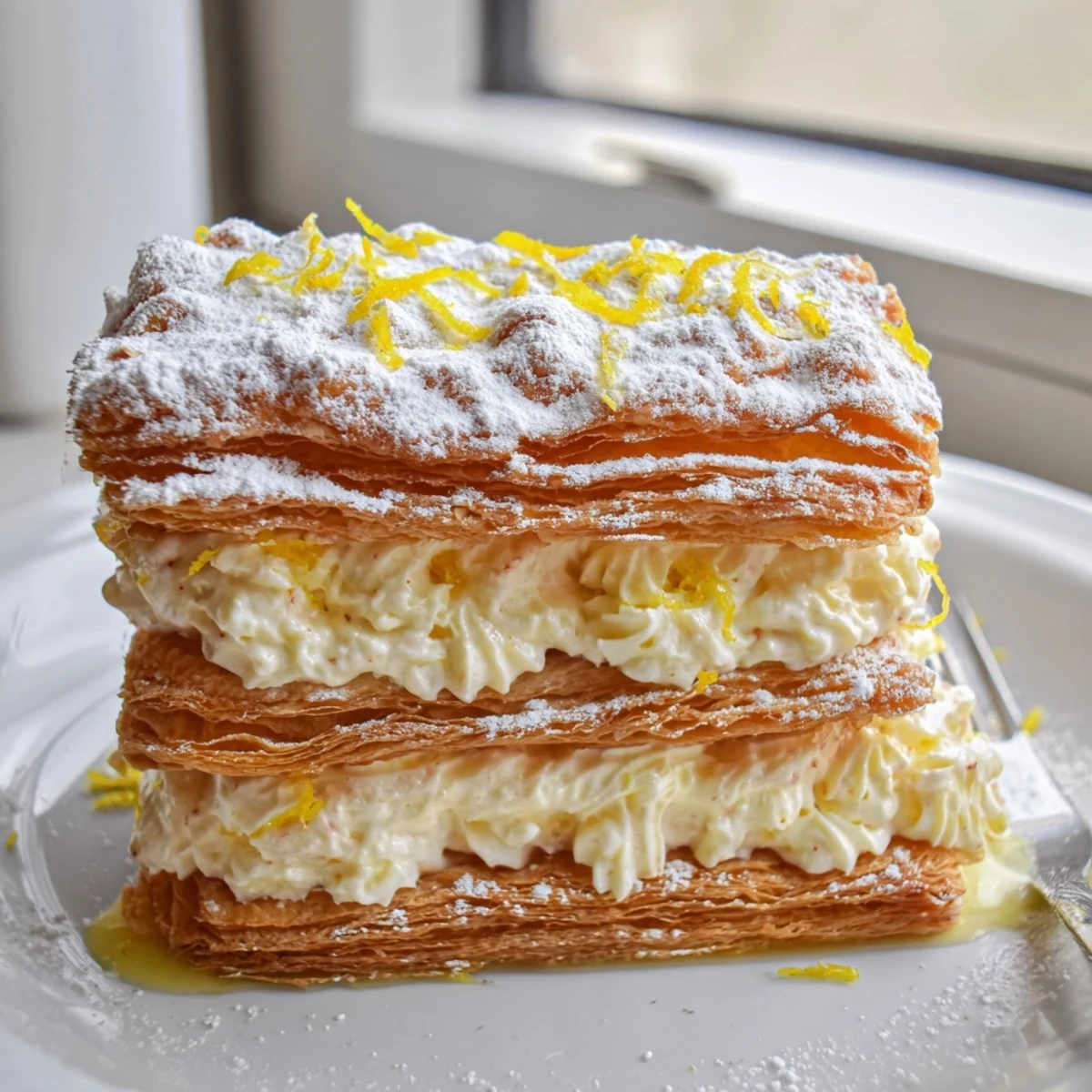
 This elegant mille feuille brings together shatteringly crisp puff pastry and a cloud-like lemon ricotta cream. Each bite delivers a contrast of textures — golden, caramelized pastry shells against a silky, citrus-kissed filling that's bright without being overly sweet.
The assembly is straightforward: bake the pastry rectangles until deeply golden, whip up a quick ricotta cream enriched with heavy cream, lemon zest and juice, then stack and serve. It's an impressive dessert that comes together in under an hour but looks like it came from a pâtisserie.
The window was open and a warm breeze kept fluttering my recipe notes as I tried to stack pastry layers that refused to cooperate. I had invited friends over for dinner and wanted something that looked impressive without requiring a pastry degree. Lemon and ricotta felt like the right note for that evening, bright against the richness of the meal we had just finished. That first attempt was messy, but someone licked their plate clean, and I knew I was onto something.
I made these for my sisters birthday brunch last spring and watched the whole table go quiet after the first bite, which is honestly the highest compliment in my family. My brother in law, who never comments on dessert, asked if there were seconds. I doubled the batch the next time.
Ingredients
- Puff pastry (1 sheet, about 250 g): Store bought is perfectly fine here and saves you hours of laminating dough by hand.
- Granulated sugar (1 tbsp): A light sprinkle on the pastry before baking creates a subtle caramelized crunch.
- Ricotta cheese (250 g): Drain it in a sieve for twenty minutes if it looks watery, because excess moisture will make your cream slide right off the pastry.
- Heavy cream (100 ml): Whip this to stiff peaks so the filling holds its shape between the layers.
- 1 lemon (zest and juice): Use a Microplane for the zest and roll the lemon on the counter before juicing to get every last drop.
- Powdered sugar (60 g plus extra for dusting): This sweetens the cream without adding graininess.
- Vanilla extract (1 tsp): A small amount rounds out the lemon and adds warmth to the filling.
Instructions
- Prepare your oven:
- Heat the oven to 200°C (400°F) and line a baking tray with parchment paper so the pastry does not stick.
- Cut and sugar the pastry:
- Roll out the puff pastry on a lightly floured surface and cut it into twelve equal rectangles. Arrange them on the tray, sprinkle with granulated sugar, then place another sheet of parchment and a second tray on top to keep them from puffing unevenly.
- Bake until golden:
- Bake for fifteen to twenty minutes, watching for that deep golden color that means maximum crunch. Cool them completely on a wire rack because warm pastry will melt your filling.
- Make the lemon ricotta cream:
- Whisk the ricotta in a bowl until perfectly smooth, then blend in the powdered sugar, lemon zest, lemon juice, and vanilla. In a separate bowl, whip the heavy cream to stiff peaks and gently fold it into the ricotta mixture with a spatula. Refrigerate until you are ready to assemble.
- Build the mille feuille:
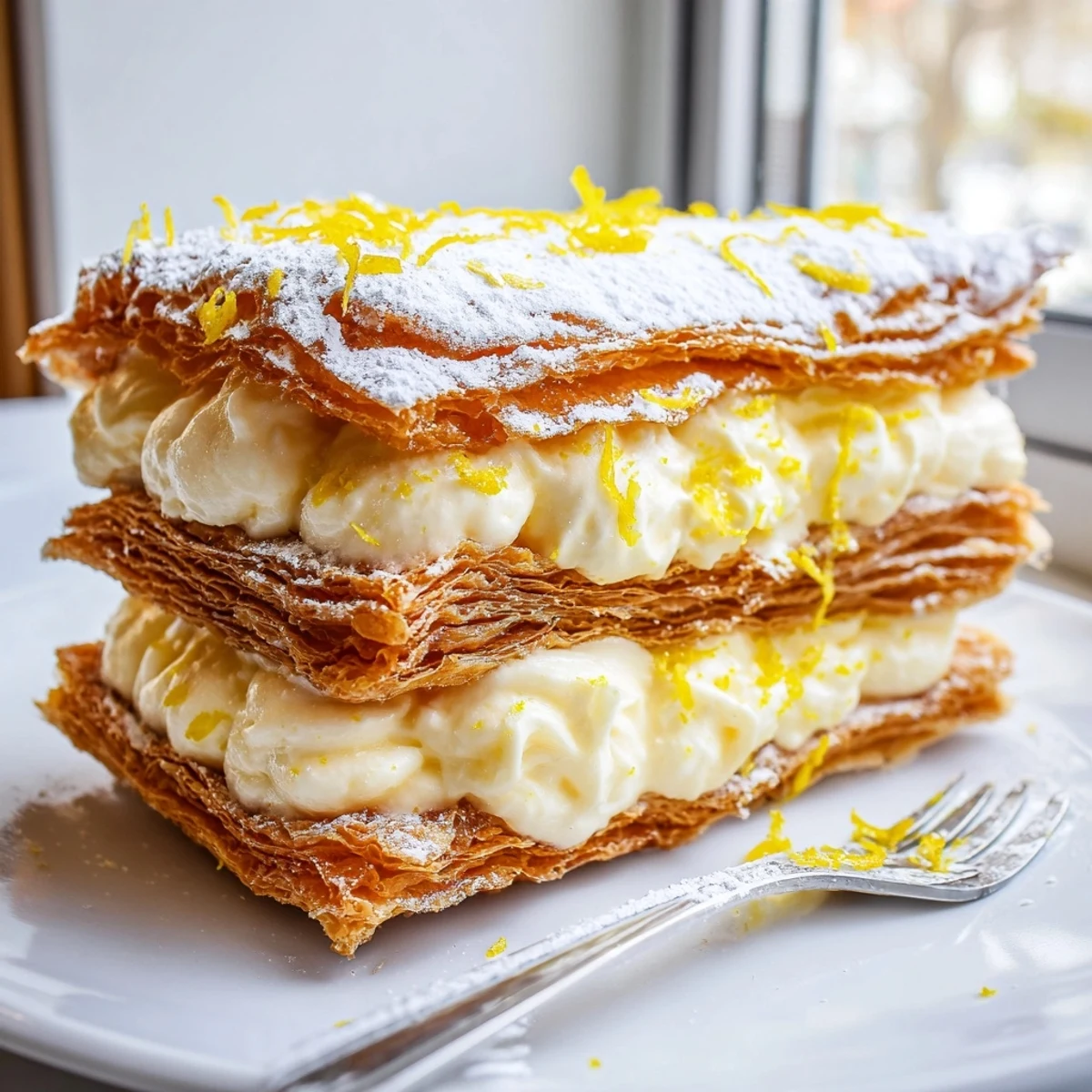
- Spread or pipe a generous layer of the lemon ricotta cream onto six of the pastry rectangles. Set another rectangle on top of each one and press down very gently so the cream peeks out at the edges.
- Finish and serve:
- Dust the tops with powdered sugar using a small sieve and scatter extra lemon zest over each one. Serve right away because the pastry stays crisp for only so long once assembled.
 Save to Pinterest
 There is something deeply satisfying about pressing down gently on that top layer and watching the lemon cream squeeze out just slightly at the edges. It feels like a tiny moment of perfection in an otherwise ordinary Tuesday.
Working with Puff Pastry
Keep the pastry cold until the moment you roll it out. If it gets warm and sticky, pop it back in the fridge for ten minutes and it will behave again. I learned this the hard way on a humid August afternoon when my rectangles turned into amoeba shapes.
Choosing the Right Ricotta
Not all ricotta is created equal, and this recipe will expose any shortcomings. Fresh ricotta from an Italian deli produces a noticeably silkier cream than the standard supermarket tub, though both work if you drain them well.
Serving and Pairing Ideas
A glass of icy limoncello or a slightly sweet Moscato dAsti beside one of these turns a casual dessert into a full experience. Fresh berries scattered on the plate add color and a welcome tartness that balances the richness.
- Demerara sugar on the pastry instead of granulated gives an unexpectedly deep, toffee like crunch.
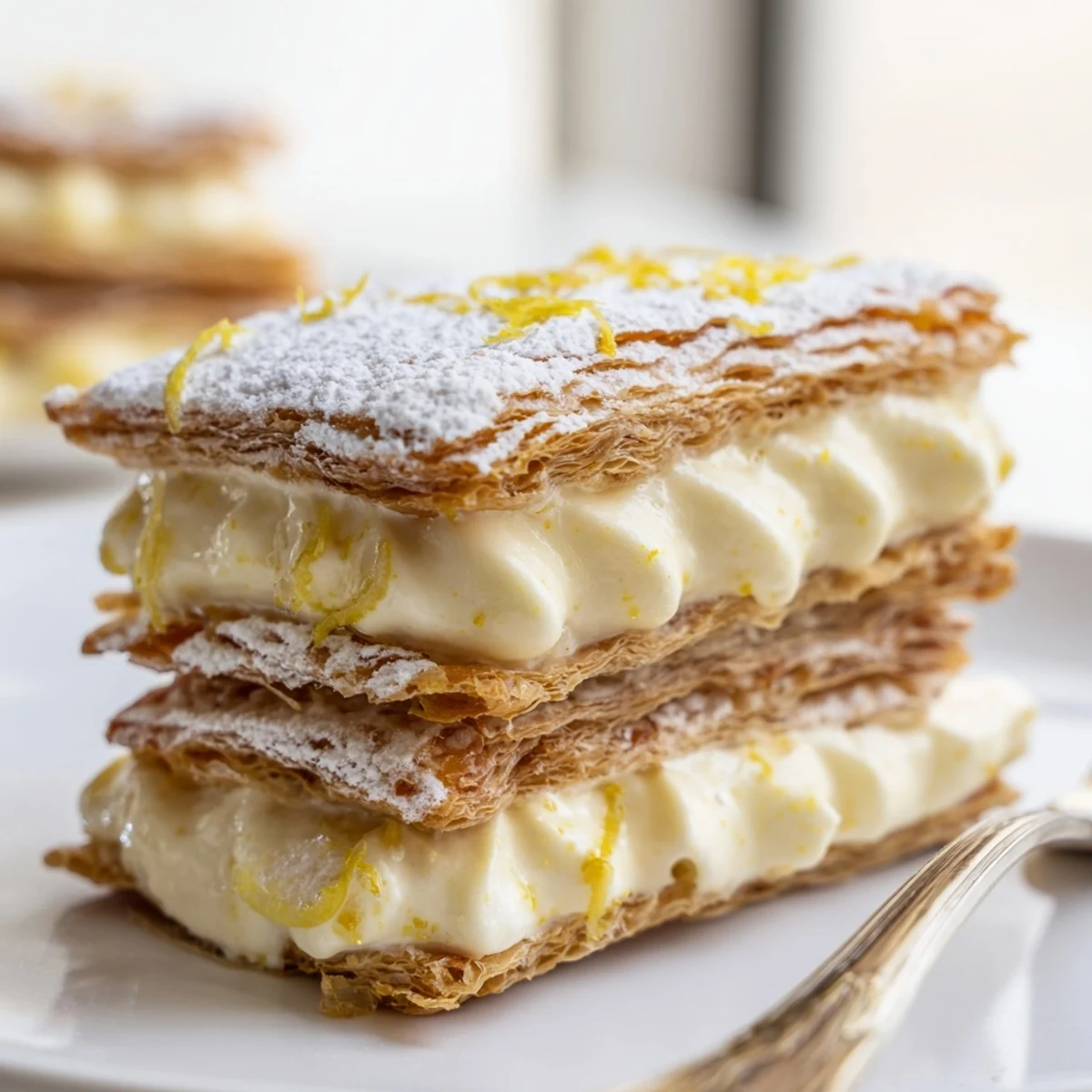
- A piping bag with a wide star tip makes the cream layer look professionally swirled.
- Check your puff pastry ingredient list for hidden allergens, especially if serving to guests.
 Save to Pinterest
 These little pastries are proof that elegant food does not require professional training, just good ingredients and a willingness to try. Make them once and they will become your go to when you want to impress without stress.
Recipe Questions & Answers
- → Can I make the puff pastry from scratch?
-
Absolutely. Homemade puff pastry will give you even flakier, more buttery layers. However, a good quality store-bought puff pastry works wonderfully and saves considerable time. Just make sure it's fully thawed before rolling.
- → How do I prevent the puff pastry from rising unevenly?
-
The key is placing a second baking tray on top of the pastry while baking, weighted down slightly. This ensures the rectangles bake flat and evenly crisp. Don't skip the parchment paper between the tray and pastry to prevent sticking.
- → Can I prepare the lemon ricotta cream in advance?
-
Yes, the cream can be made up to 24 hours ahead and stored covered in the refrigerator. The lemon flavor actually deepens as it rests. Give it a gentle stir before assembling, but avoid over-mixing or the cream may lose its airy texture.
- → What's the best way to get smooth ricotta for the filling?
-
Strain the ricotta through a fine-mesh sieve or cheesecloth for at least 30 minutes to remove excess moisture, then whisk vigorously until completely smooth before adding the other ingredients. This prevents any grainy texture in the final cream.
- → How far in advance can I assemble the mille feuille?
-
For the best texture contrast, assemble no more than 1 to 2 hours before serving. The pastry will gradually soften from the cream's moisture. If you need to prep ahead, keep the baked pastry rectangles and the cream separate, then assemble shortly before your guests arrive.
- → What can I substitute for heavy cream in the filling?
-
Mascarpone is an excellent substitute that adds richness and a slightly tangy note. You could also use crème fraîche for a more pronounced tang. Avoid using regular milk or half-and-half, as they won't provide the necessary structure and stability for the cream.