 Save to Pinterest
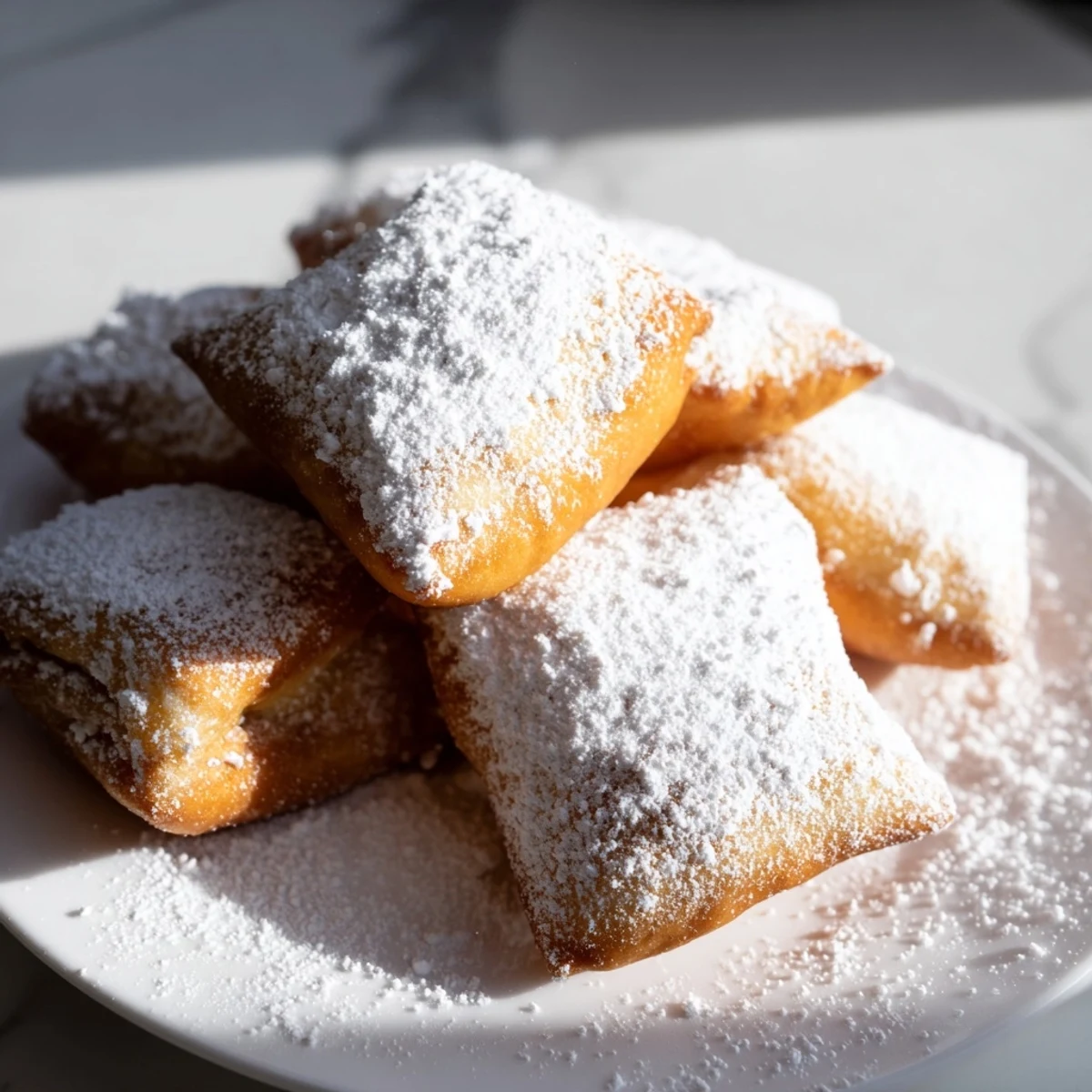
 These Mardi Gras beignets are soft, fluffy, and golden, created by a yeast-leavened dough gently fried until puffed and lightly crisp. After frying, they are generously dusted with powdered sugar for a sweet finish. The dough requires proofing for about an hour to develop the perfect airy texture. Served warm, these treats beautifully reflect the vibrant culinary tradition of New Orleans, ideal for celebrations or special gatherings. A subtle hint of vanilla enhances the flavor, and optional citrus zest can add a refreshing twist.
The first time I tasted a beignet was on a rainy Tuesday morning in New Orleans. Coffee with chicory spilled onto my shirt as I bit into that pillow of fried dough, powdered sugar coating everything in sight. I left the café looking like I'd rolled in fresh snow, grinning like a fool. That moment ruined me forever—nothing else compares.
My sister called me last February absolutely determined to host a Mardi Gras party. We spent the entire afternoon frying batch after batch, aprons dusted white, testing each one with obvious dedication. By the time guests arrived, we'd eaten about a dozen ourselves. Nobody complained.
Ingredients
- Warm milk: 110°F is perfect—too hot kills the yeast, too cold makes it sluggish
- Active dry yeast: One packet is exactly what you need, and watching it foam feels like kitchen chemistry
- All-purpose flour: Bread flour makes them tough, so stick with regular all-purpose
- Unsalted butter: Melted and slightly cooled works best—hot butter can scramble those eggs
- Vanilla extract: Don't skip this—it adds a subtle sweetness that balances the fried exterior
- Vegetable oil: Canola or peanut oil handles high heat beautifully without adding flavor
- Powdered sugar: You'll need more than you think—be generous and coat them thoroughly
Instructions
- Wake up the yeast:
- Combine warm milk, yeast, and one tablespoon sugar in a small bowl. Let it sit until you see a layer of foam on top—that means your yeast is alive and ready to work.
- Mix the wet ingredients:
- Whisk together the remaining sugar, eggs, melted butter, salt, and vanilla extract until everything's thoroughly combined. The mixture should look glossy and smooth.
- Combine and knead:
- Pour in the yeast mixture, then gradually add flour while mixing. Knead for about 7 minutes—the dough should be smooth, elastic, and slightly tacky but not sticky.
- Let it rise:
- Place dough in a greased bowl, cover it, and find the warmest spot in your kitchen. Wait about an hour until it's doubled in size. This is when I pour more coffee.
- Roll and cut:
- Punch down the dough gently and roll it out to 1/4-inch thickness. Cut into 2-inch squares—don't stress about perfection, the irregular ones fry up just as delicious.
- Heat the oil:
- Get your oil to 350°F. If you don't have a thermometer, drop in a small piece of dough—it should sizzle immediately and rise to the surface.
- Fry to golden:
- Cook 3–4 beignets at a time for 1–2 minutes per side. They're done when they're puffed and beautifully golden. Transfer to paper towels immediately.
- Sugar shower:
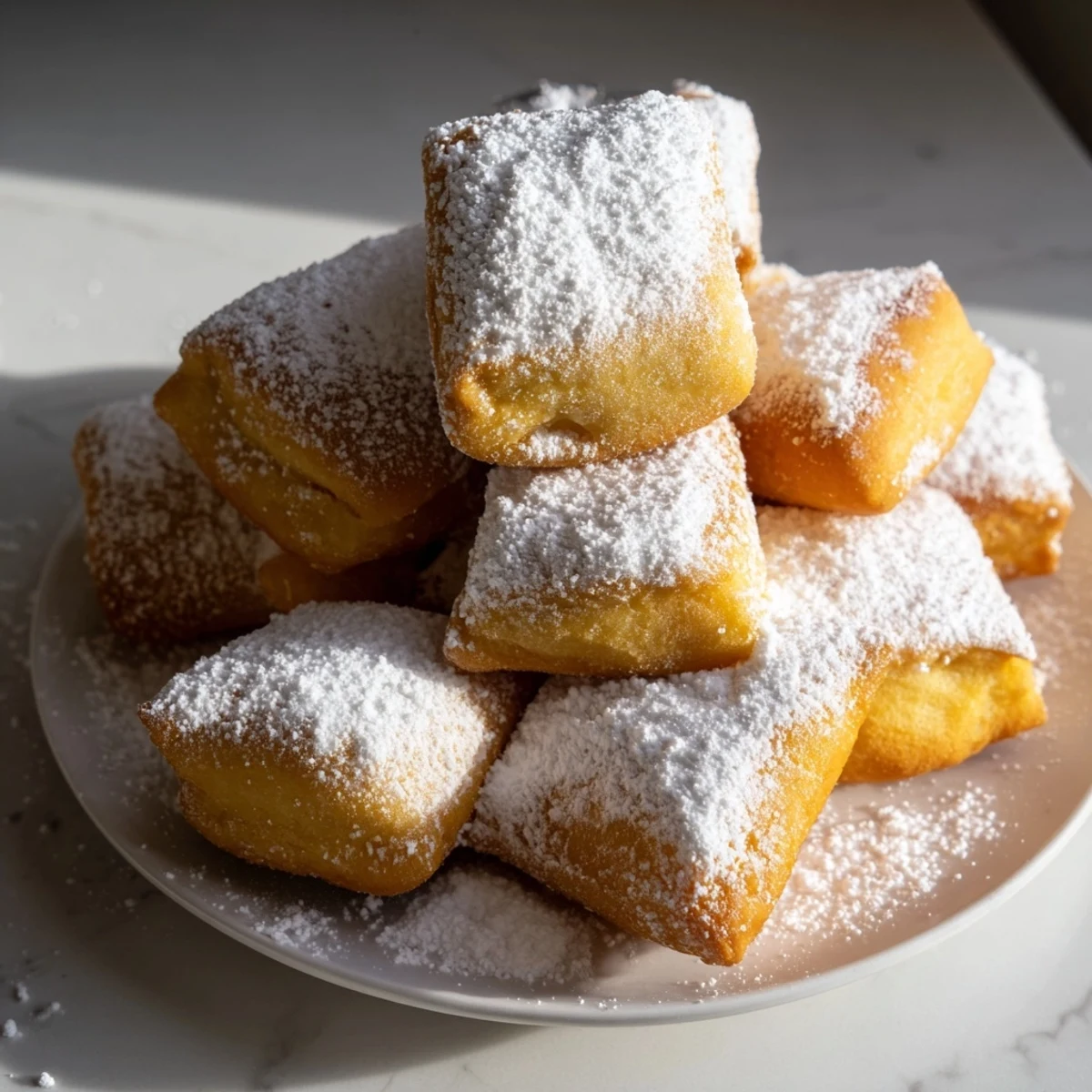
- While they're still warm, dust generously with powdered sugar. I use a sieve for even coating, but shaking it from a height works too.
 Save to Pinterest
 Last year I made these for my daughter's birthday instead of cake. She licked powdered sugar off her fingers for twenty minutes straight and declared it the best day ever. Sometimes tradition starts exactly like that.
Making Ahead
You can prepare the dough the night before and let it rise slowly in the refrigerator. The cold fermentation actually develops better flavor. Bring it to room temperature for about 30 minutes before rolling and frying.
Frying Secrets
Crowding the pan drops the oil temperature dramatically, so be patient and fry in small batches. I usually set up a station with the frying pot, paper towel rack, and sugar-dusting area all within arm's reach. This keeps the whole process smooth and surprisingly meditative.
Serving Ideas
These are phenomenal with café au lait, the traditional New Orleans way. I've also served them alongside berry compote for brunch, and once, for a dinner party dessert, with vanilla ice cream melting between two warm beignets. The contrast of hot and cold is absolutely worth trying.
- Add citrus zest to the dough for a bright, fresh variation
- Keep the oil at 350°F for the best texture
- Dust sugar generously—there's no such thing as too much
 Save to Pinterest
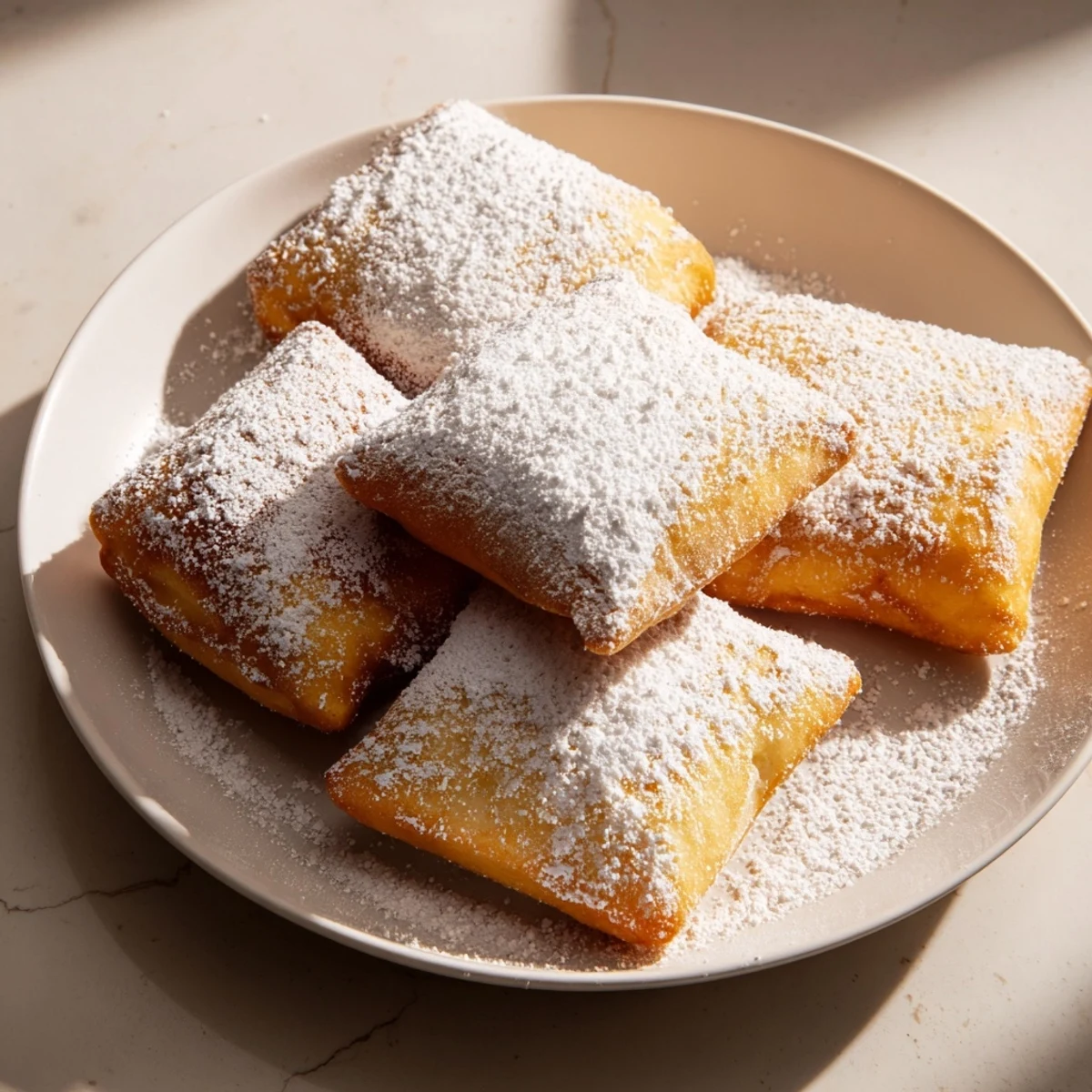
 Make these on a weekend morning when you have zero plans and nowhere to be. The kitchen will smell like heaven and you'll understand why New Orleans treats this recipe like gospel.
Recipe Questions & Answers
- → How do I achieve the perfect fluffy texture?
-
Ensuring the dough proofs until doubled in size is key. Kneading until smooth and elastic helps develop gluten, resulting in a light, airy interior after frying.
- → What oil is best for frying beignets?
-
Use a neutral oil with a high smoke point such as canola or peanut oil for even frying and golden color without imparting unwanted flavors.
- → Can I prepare the dough ahead of time?
-
Yes, after the initial rise, the dough can be refrigerated overnight. Allow it to come to room temperature and finish rising before frying.
- → How should beignets be served for best taste?
-
Serve them warm and freshly fried, generously dusted with powdered sugar. Pairing with café au lait or a mild coffee complements their sweetness.
- → What variations can enhance the flavor?
-
Adding a teaspoon of grated lemon or orange zest to the dough introduces a subtle citrus brightness that lifts the overall flavor profile.