 Save to Pinterest
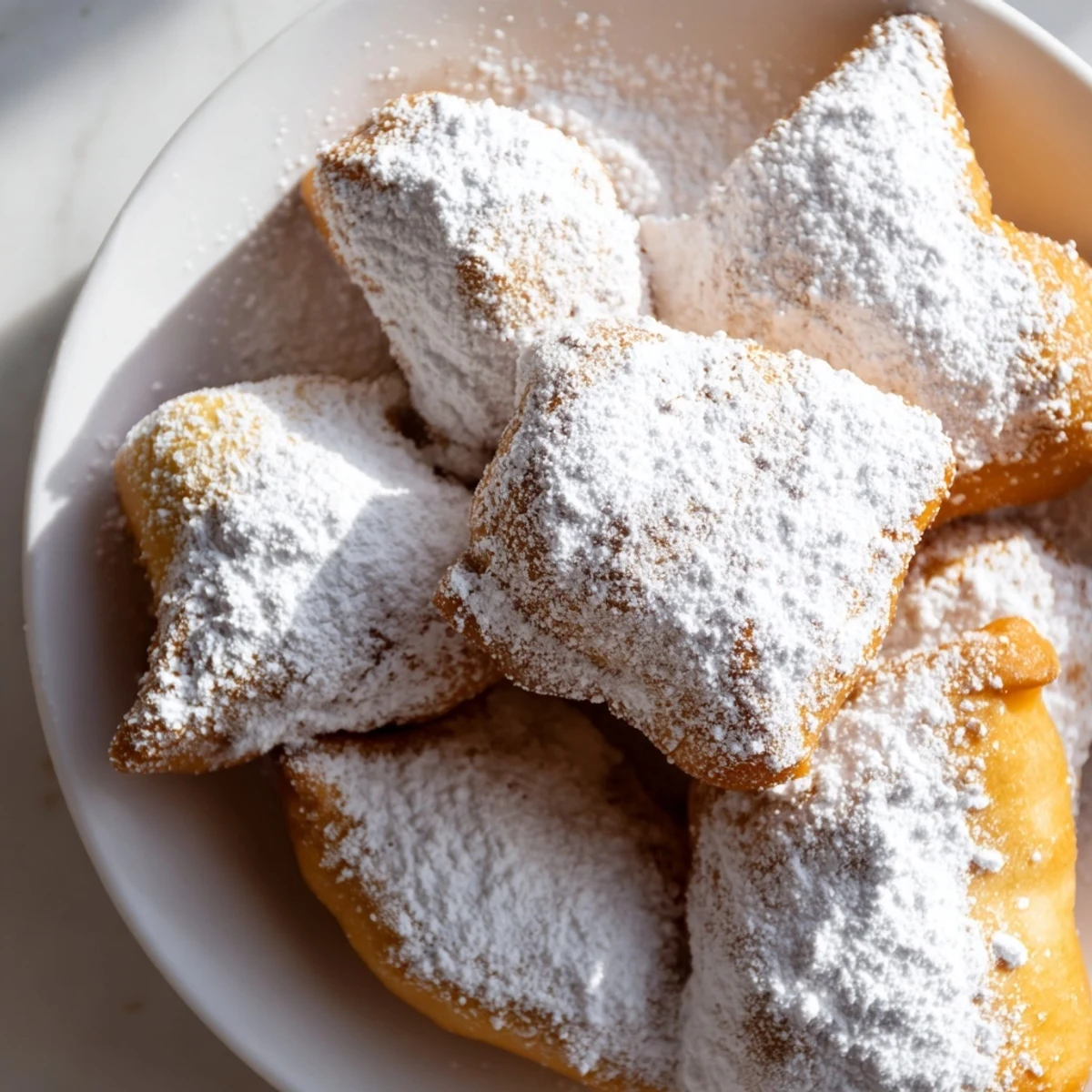
 These flaky, puffed pastries capture the spirit of Mardi Gras with their light texture and rich flavor. The dough rises slowly, creating a tender bite that crisps beautifully when fried. After cooking, a generous dusting of powdered sugar adds sweetness and a festive touch. Ideal for sharing or enticing your sweet tooth, this treat combines a simple mixture of yeast, milk, butter, and sugar with classic deep-frying techniques to achieve perfect results.
The smell of frying dough hitting hot oil still takes me back to a tiny apartment kitchen where I first attempted these Mardi Gras classics. I had no idea what I was doing, creating clouds of flour that settled on every surface, but when that first batch emerged golden and pillowy, I understood why people line up at Cafe du Monde for these treats. My roommate wandered in, drawn by the scent, and we stood over the stove eating them straight from the paper towels, powdered sugar coating our chins like guilty children. That messy, joyful afternoon taught me that beignets are meant to be shared, warm, and absolutely covered in sugar.
Last year I made a double batch for a Mardi Gras party, setting up a frying station on the patio so guests could watch the process. The weather was unseasonably warm, and we ended up with an assembly line of friends dipping fresh beignets into coffee while kids ran around with powdered sugar in their hair. Someone brought jazz music, another brought chicory coffee, and suddenly my backyard felt like the French Quarter. The beignets disappeared faster than I could fry them, which is exactly how it should be.
Ingredients
- Active dry yeast: This little packet works its magic to create those signature air pockets inside each beignet
- Warm water: Keep it around 110°F so the yeast activates without killing it
- Granulated sugar: Feeds the yeast and adds just enough sweetness to the dough itself
- Unsalted butter: Melted butter creates a tender crumb and rich flavor throughout
- Whole milk: Room temperature milk helps the dough come together smoothly
- Large egg: Adds structure and richness to the dough
- Vanilla extract: A warm aromatic that deepens the flavor profile
- Salt: Balances the sweetness and enhances all the other flavors
- All purpose flour: The foundation that gives these pastries their structure and chew
- Vegetable oil: For deep frying at the right temperature without adding flavor
- Powdered sugar: The essential finishing touch that makes beignets instantly recognizable
Instructions
- Wake up the yeast:
- Dissolve the yeast in warm water and watch for that beautiful foam that tells you it is alive and working
- Mix the wet ingredients:
- Whisk in sugar, melted butter, milk, egg, vanilla and salt until everything is thoroughly combined
- Build the dough:
- Gradually add flour until you have a soft, slightly sticky dough that feels alive under your fingers
- Knead it smooth:
- Work the dough on a floured surface for 3 to 4 minutes until it feels elastic and smooth
- Let it rise:
- Place in a greased bowl, cover, and wait patiently for it to double in size
- Roll and cut:
- Punch down the dough, roll to half inch thickness, and cut into 2 inch squares with a sharp knife
- Heat the oil:
- Bring your oil to 350°F, the perfect temperature for golden crispy outsides and tender insides
- Fry to perfection:
- Cook beignets for 2 to 3 minutes per side until they are puffed and gorgeous golden brown
- Drain and sugar:
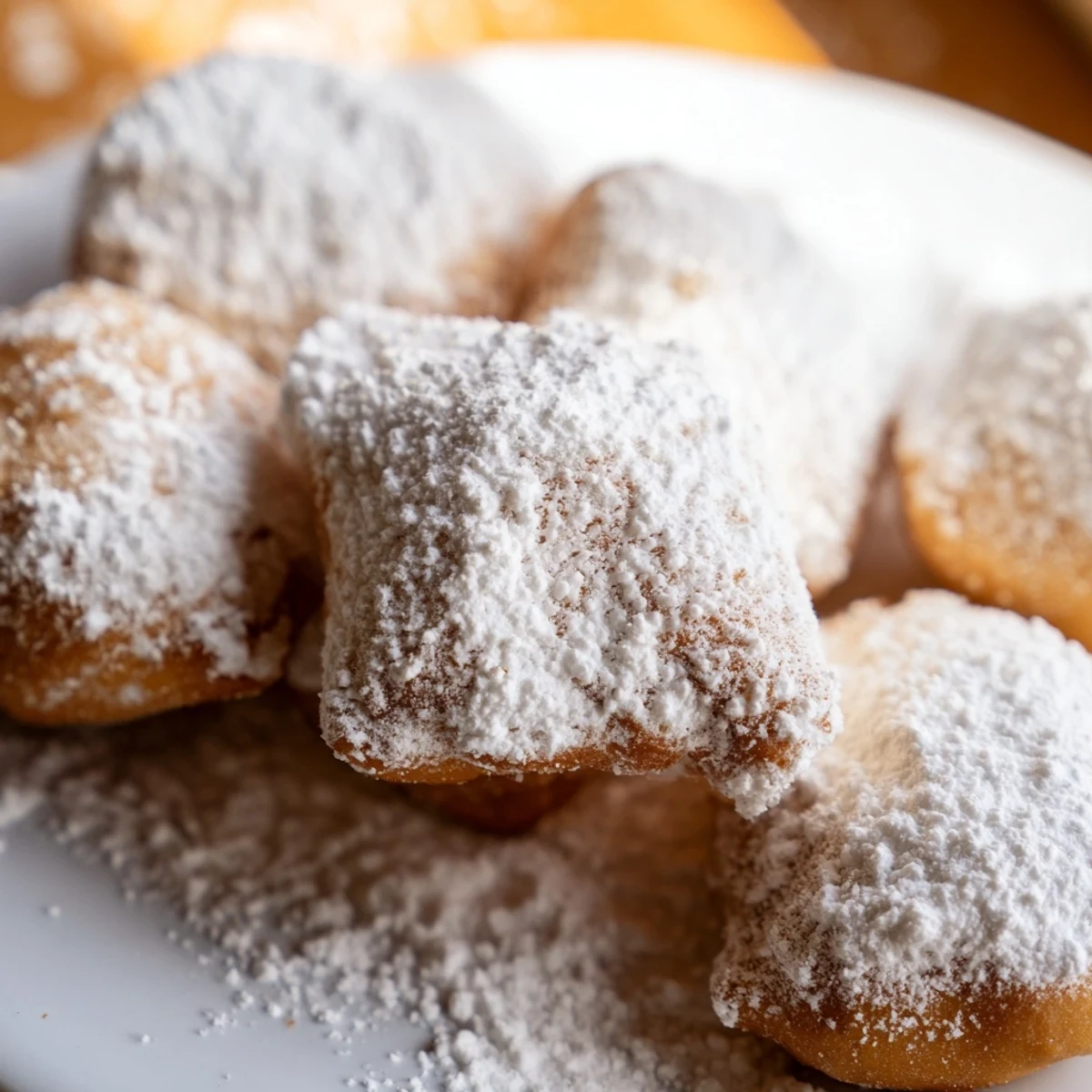
- Let them rest briefly on paper towels then dust generously with powdered sugar while still warm
 Save to Pinterest
 My grandmother used to say that beignets taste better when someone else makes them for you, but I think the real secret is eating them fresh from the fryer. There is a moment of pure magic when you bite through that crisp sugar coated exterior into the steamy soft center. I have made these for birthdays, bad days, and Tuesday mornings that needed saving, and they never fail to transform ordinary moments into something worth celebrating.
Getting That Perfect Rise
The temperature of your kitchen makes a bigger difference than most people realize. I once tried making these in a drafty winter kitchen and the dough took twice as long to rise. Find a warm, cozy corner for your bowl, or better yet, let it rise in the oven with just the light on. The yeast will thank you with the most beautiful pillowy texture.
Oil Temperature Secrets
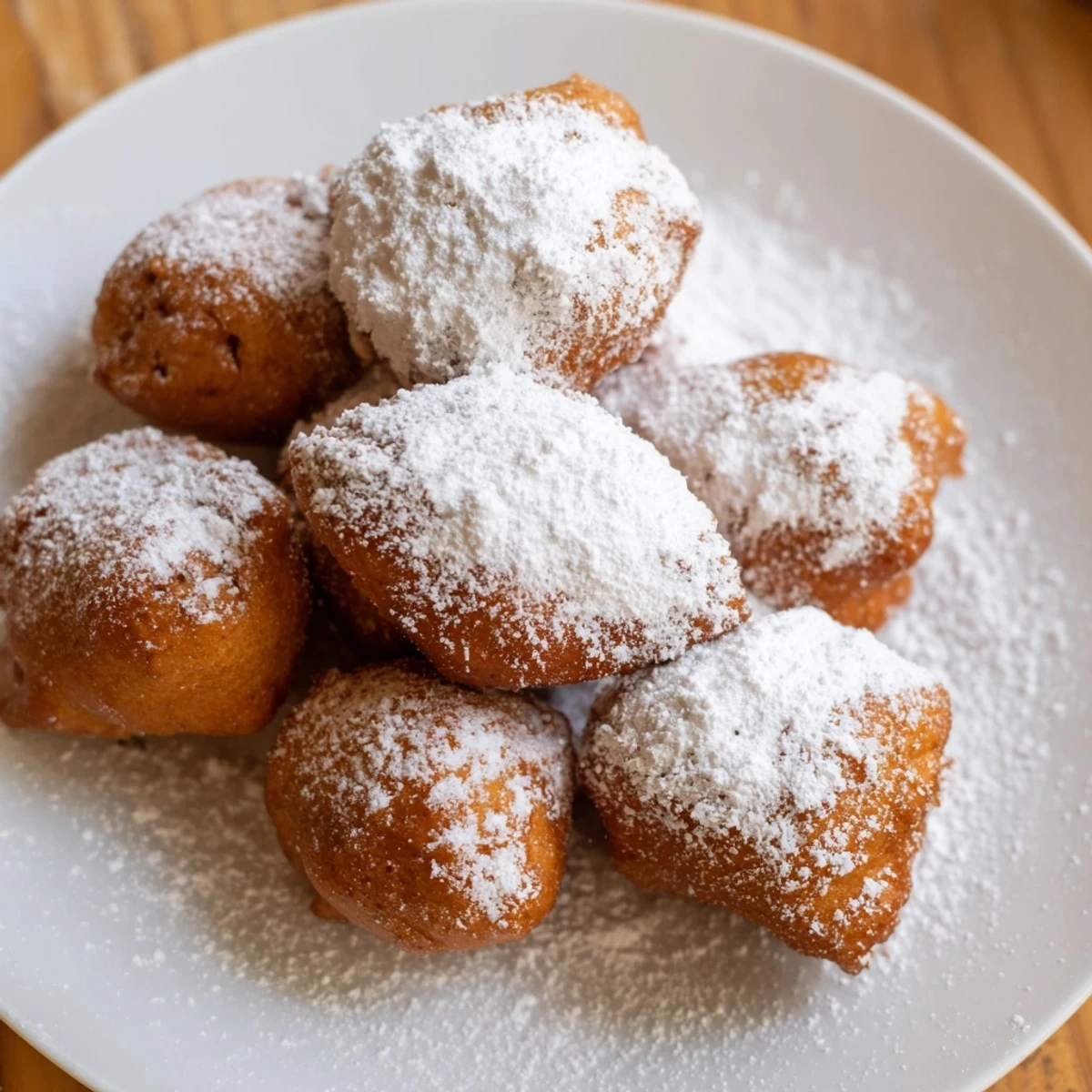
Too cold and your beignets will soak up oil like sponges. Too hot and they will burn outside while remaining raw inside. I keep a thermometer in my oil and maintain that sweet spot of 350°F religiously. When you drop in a square of dough, it should immediately sizzle and bob to the surface, puffing up like a little balloon.
Serving Suggestions
While beignets are perfect on their own, they pair beautifully with strong chicory coffee or dark roast. I have also served them alongside fresh berries for a brunch that feels indulgent but not overwhelming. The contrast of hot fried dough with cold, tart fruit is absolutely worth trying.
- Set up a powdered sugar station so guests can add their own dusting
- Keep fried beignets warm in a 200°F oven if making a large batch
- Have napkins ready because this is a gloriously messy experience
 Save to Pinterest
 There is something wonderfully communal about standing around a pot of hot oil, waiting for beignets to float to the surface, reaching in with powdered sugar covered fingers. Make these for someone you love.
Recipe Questions & Answers
- → How do I achieve fluffy and light beignets?
-
Ensuring the dough rises properly by giving it enough warm time to double in size is key. Use fresh yeast and knead until smooth to develop gluten for a soft, airy texture.
- → What oil is best for frying?
-
Use a neutral oil with a high smoke point, like vegetable or canola oil, heated to 350°F to ensure even, golden frying without burning.
- → How thick should I roll out the dough?
-
Roll the dough to about half an inch thickness to allow the pastries to puff nicely while cooking through evenly.
- → Can I add flavor variations to the dough?
-
Absolutely. Adding lemon or orange zest imparts a fresh citrus aroma and brightens the overall flavor profile without overpowering.
- → How to store leftovers for best quality?
-
Store cooled pastries in an airtight container at room temperature and reheat briefly in a moderate oven to restore crispness without drying them out.