 Save to Pinterest
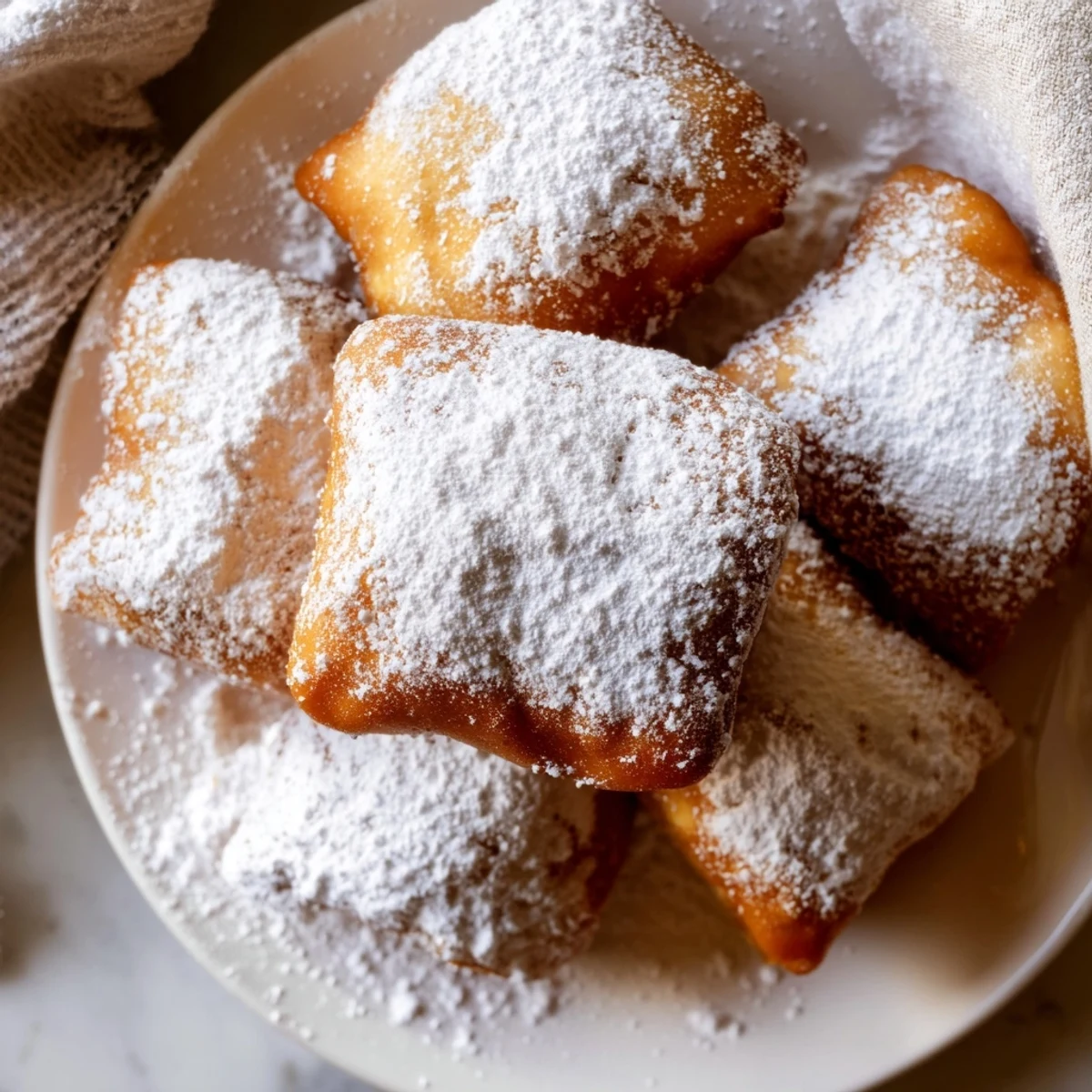
 These fluffy beignets bring a touch of New Orleans charm with their pillowy texture and generous dusting of powdered sugar. The dough, enriched with eggs, milk, and melted butter, is carefully kneaded and left to rise before being cut into squares and fried until golden. The final dusting of powdered sugar adds a sweet finish, making these treats perfect for festive gatherings or anytime you want a soft, sweet pastry. Serve warm alongside a café au lait for a truly authentic experience.
The kitchen smelled like yeast and possibility at six in the morning, and my roommate wandered in still half asleep, asking why I was frying dough before the sun had properly risen. I had no good answer except that I had woken up craving that particular pillowy texture, the kind that collapses under powdered sugar and leaves your fingertips dusted white like you have been handling chalk or magic.
I once made these for a friend who had never been to New Orleans, and she ate four standing at the counter, not even bothering with a plate, while outside February rain hit the windows and the coffee pot gurgled its last drops.
Ingredients
- All purpose flour: The backbone of the dough, and I have learned that measuring with a light hand prevents dense beignets.
- Granulated sugar: Just enough to feed the yeast and hint at sweetness without competing with the powdered sugar avalanche to come.
- Active dry yeast: Proof it properly and wait for that foamy bloom, it is the only way to know your yeast is alive and ready to work.
- Warm water: About 110 degrees, too hot kills the yeast, too cold makes it sluggish, I use my wrist like my grandmother did.
- Whole milk: Room temperature matters here, cold milk shocks the yeast and slows everything down.
- Eggs: They add richness and structure, and room temperature eggs blend more smoothly into the dough.
- Unsalted butter: Melted and slightly cooled, it brings that subtle richness that makes these taste like proper pastry.
- Vanilla extract: A small amount that somehow makes the whole kitchen smell like a bakery.
- Salt: Barely there but essential, it wakes up all the other flavors.
- Vegetable oil: For frying, and you need more than you think, these babies need room to bob and turn.
- Powdered sugar: Meant for generous dusting, do not be shy, the mess is half the point.
Instructions
- Wake up the yeast:
- Dissolve yeast and a teaspoon of sugar in warm water, then wait for foamy proof of life, about five minutes of anticipation.
- Build the base:
- Whisk flour, remaining sugar, and salt together in your largest bowl, creating a well in the center like a nest waiting to be filled.
- Mix the wets:
- Beat milk, eggs, melted butter, and vanilla until they look like thin custard, pale and promising.
- Bring it together:
- Pour both liquid mixtures into the flour well, stirring until a shaggy sticky dough forms that clings to your spoon.
- Knead with patience:
- Turn onto a floured surface and work the dough for five to seven minutes, pushing and folding until it feels smooth and springs back when poked.
- First rise:
- Place in a greased bowl, cover with a damp cloth, and let it double in a warm spot, this takes an hour or more depending on your kitchen's mood.
- Roll and cut:
- Punch down the risen dough, roll to quarter inch thickness, and cut into two inch squares with a sharp knife or pizza wheel.
- Heat the oil:
- Bring vegetable oil to 350 degrees in a deep pot, use a thermometer, guessing leads to greasy or burned beignets.
- Fry in batches:
- Slide squares into hot oil, they will sink then dramatically puff and rise, flip once when golden, about one to two minutes per side.
- Drain and dust:
- Lift with a slotted spoon onto paper towels, then shower with powdered sugar while still warm so it sticks and melts slightly.
 Save to Pinterest
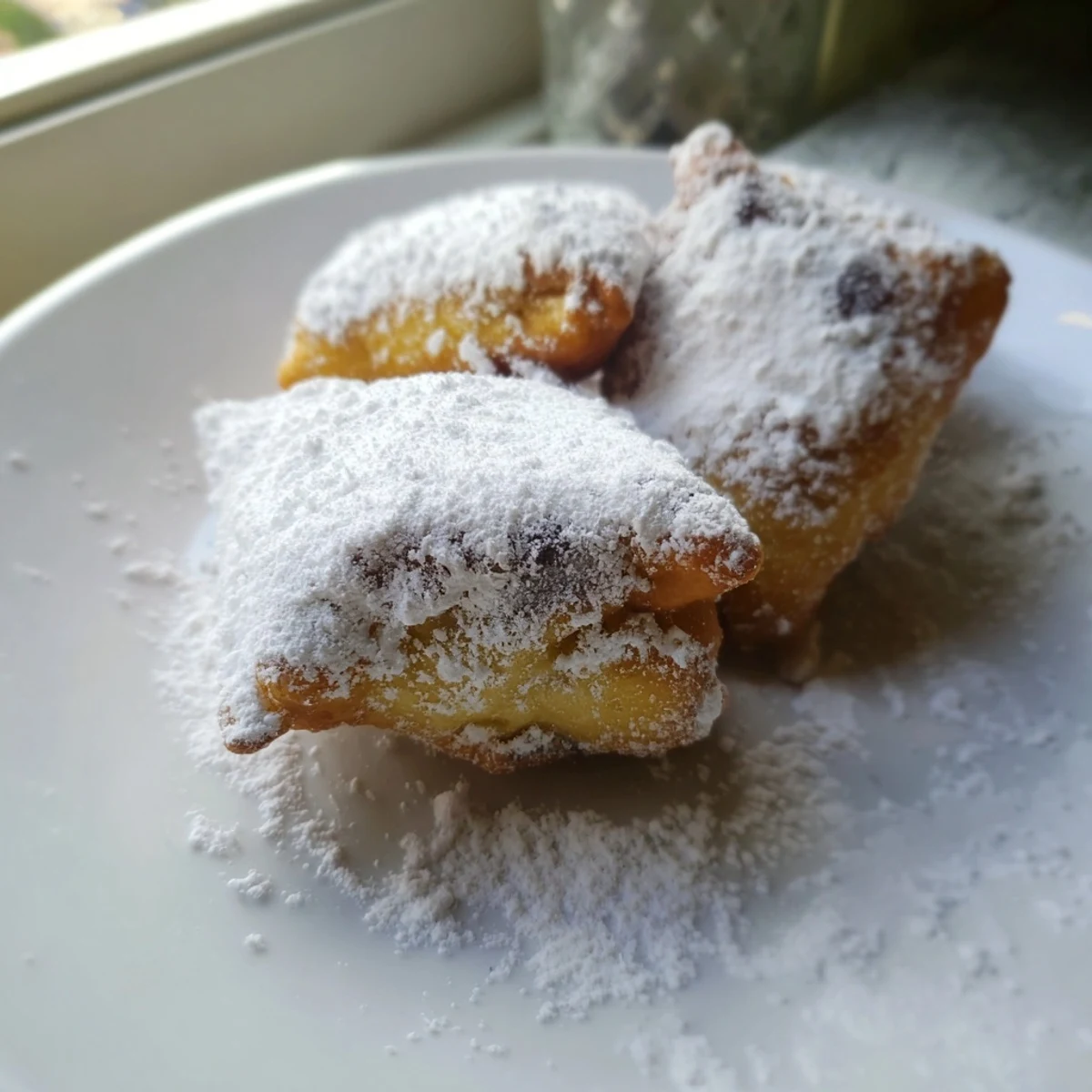
 My favorite batch was the one I burned slightly on one side, the imperfect ones we fought over because the caramelized edge tasted like toasted marshmallow against the soft center.
The Right Way to Fry
I used to crowd the pot thinking I was being efficient, but the temperature drops and everything suffers, now I fry three or four at a time and use the waiting moments to clean or sip coffee.
Making It Your Own
A pinch of nutmeg in the dough reminds me of winter mornings, though cinnamon is the safer crowd pleaser, and once I added orange zest which made the whole house smell like a citrus grove.
Serving and Storing
These disappear within minutes of hitting the table, but if you somehow have leftovers, a quick ten seconds in the microwave revives them enough to enjoy with afternoon coffee.
- Freeze uncooked squares on a tray before bagging, then fry straight from frozen with an extra minute in the oil.
- Cafe au lait is traditional but cold milk works surprisingly well for cutting the sweetness.
- The powdered sugar will get everywhere, accept this, it is part of the ritual.
 Save to Pinterest
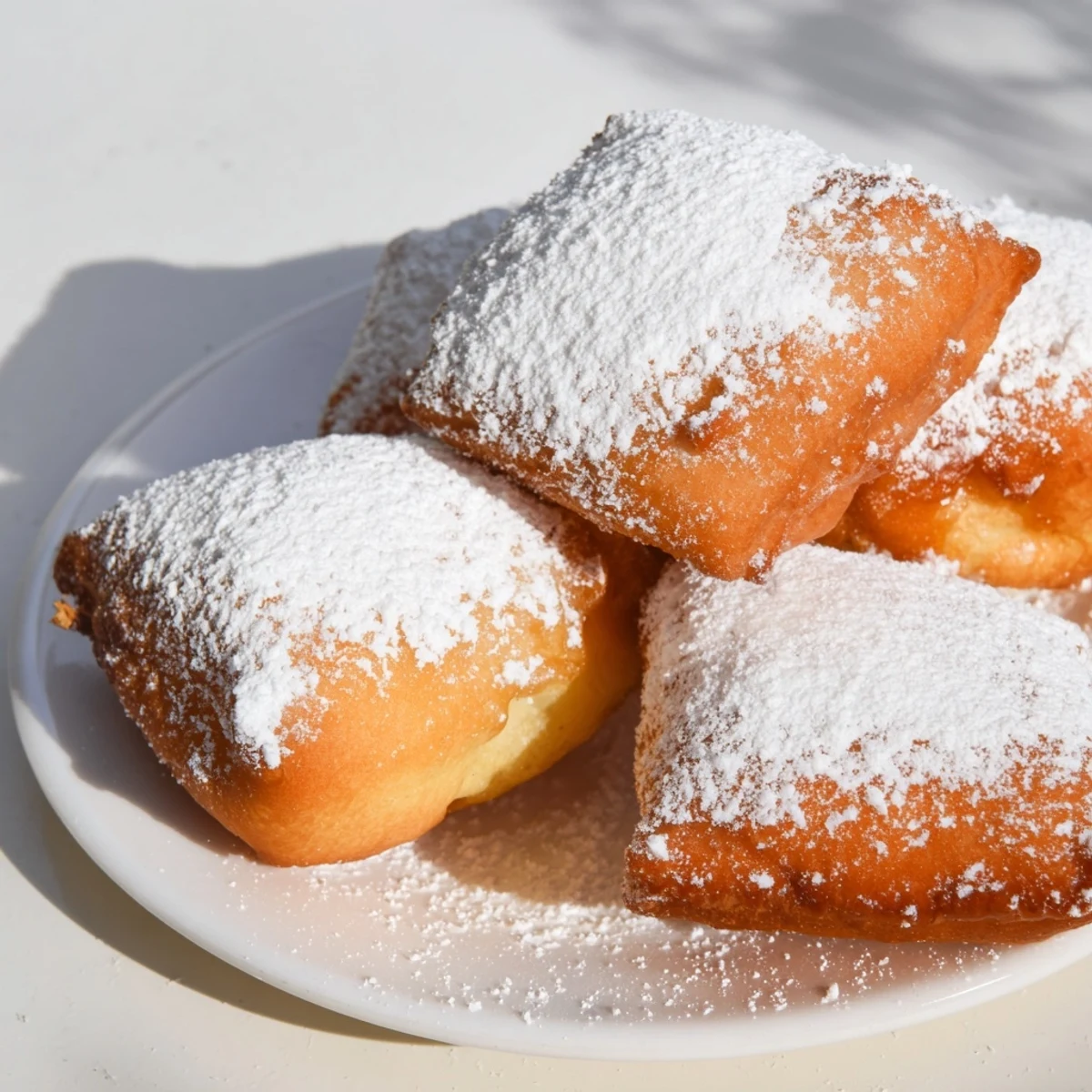
 However you serve them, alone at dawn or surrounded by friends at midnight, these beignets carry the warmth of somewhere far south and the comfort of something you made with your own hands.
Recipe Questions & Answers
- → What is the best way to achieve a fluffy texture?
-
Allowing the dough to rise until doubled in volume ensures a light, airy inside. Gentle kneading helps develop gluten for elasticity.
- → Can I prepare the dough ahead of time?
-
Yes, shaped but uncooked dough squares can be frozen and fried straight from the freezer when ready.
- → What oil is best for frying?
-
Vegetable oil with a high smoke point is ideal to achieve a crispy, golden exterior without burning.
- → How do I know when the beignets are done frying?
-
They should be puffed up and golden brown on both sides, usually about 1–2 minutes per side.
- → Are there flavor variations to try?
-
Adding a pinch of nutmeg or cinnamon to the dough offers a warm, aromatic twist to the classic taste.