
 Save to Pinterest
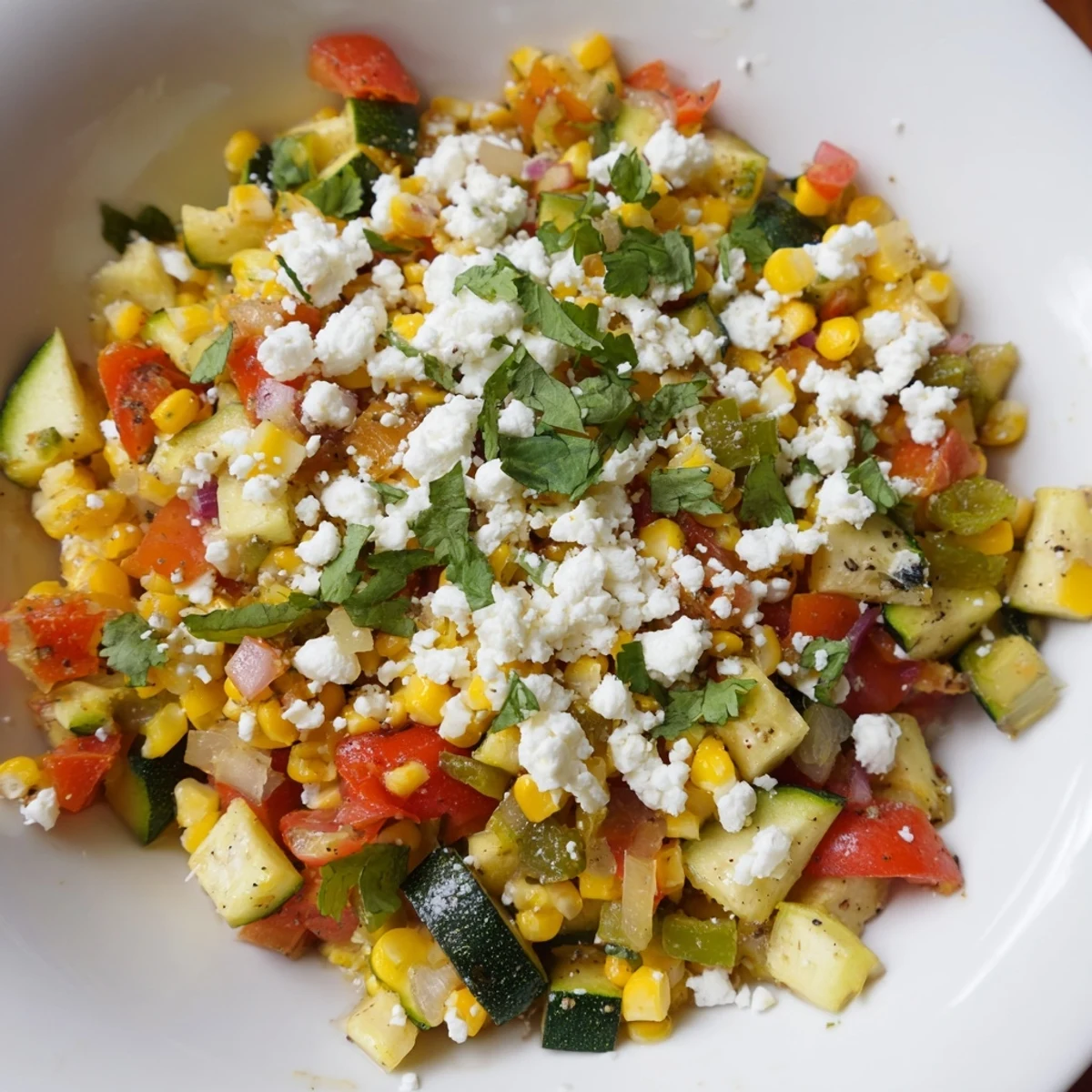
 This classic Mexican dish combines tender diced zucchini with sweet corn kernels, ripe tomatoes, and aromatic poblano peppers in a fragrant skillet. The vegetables are sautéed with onions, garlic, cumin, and oregano until perfectly tender, then finished with crumbled queso fresco and fresh cilantro. Ready in just 35 minutes, this versatile dish works beautifully as a colorful side dish alongside grilled meats, a satisfying vegetarian main served with warm tortillas, or even as a flavorful taco filling.
The first time my abuela taught me to make calabacitas, I was eight years old and standing on a step stool to reach the stove. She told me the secret was in listening to the vegetables sing in the pan, that soft sizzle that means they're cooking together, not just cooking separately. Now whenever I make this dish, that smell of zucchini and corn hitting hot oil takes me straight back to her tiny kitchen in Mexico City, where we cooked and laughed and ate standing up because the table was always covered in laundry.
Last summer I made a huge batch for a dinner party and my friend Carlos, who's usually skeptical of vegetarian anything, went back for thirds. He kept saying, There's just so much going on here, and he was right, the sweetness of corn playing against the slight bite of poblano, the tang of lime, the way zucchini soaks up all those flavors like it's been waiting its whole life for this moment. Now he asks for it every time he comes over, calling it that Mexican squash stuff that's better than meat.
Ingredients
- 2 medium zucchini: Choose ones that feel heavy for their size with firm, unblemished skin. Younger zucchini have thinner skin and more tender flesh, which matters here since we keep the peel on for color and texture.
- 1 cup fresh corn kernels: Fresh corn is worth the extra effort, but frozen works in a pinch. If using fresh, stand the cob upright in a bowl and slice downward to catch all those sweet milky juices.
- 1 medium yellow onion: Yellow onions become sweet and mellow when cooked, providing the aromatic foundation. Dice them evenly so everything cooks at the same rate.
- 1 medium tomato: Vine-ripened tomatoes add acidity and moisture that balances the sweetness of the corn. Remove the seeds if you want to keep the dish from getting too watery.
- 1 medium poblano pepper: Poblanos offer mild heat with an earthy, almost fruity flavor profile that's distinctly Mexican. Roast and peel them first if you want a smokier depth.
- 2 cloves garlic: Minced finely so it distributes evenly throughout the dish. Add it toward the end of sautéing the onions to prevent burning.
- 2 tablespoons fresh cilantro: Cilantro adds brightness and cuts through the richness of the cheese. Some people find it soapy tasting, so offer extra on the side for the cilantro lovers.
- 1/2 cup queso fresco: This mild, crumbly Mexican cheese doesn't melt completely, creating these salty little pockets throughout the dish. Monterey Jack works too and melts more aggressively.
- 2 tablespoons olive oil: A neutral oil that can handle medium heat without burning. You want enough fat to properly sauté the vegetables, not steam them.
- 1/2 teaspoon ground cumin: Cumin provides that essential Mexican backbone, warm and slightly smoky. Toast it in a dry pan for 30 seconds before adding to really wake up the oils.
- 1/2 teaspoon dried oregano: Mexican oregano has a citrusy, slightly wild flavor compared to Mediterranean varieties. If you can find it, the difference is worth seeking out.
- Salt and freshly ground black pepper: Season generously but taste as you go. The cheese will add salt, so adjust accordingly.
- 1 small jalapeño: Optional, but if you like heat, leave some of the white membrane attached, that's where the capsaicin concentrates.
- Lime wedges: A squeeze of fresh lime right before serving brightens all the flavors and adds that essential acid note that Mexican food thrives on.
Instructions
- Get everything ready before you turn on the stove:
- Mise en place isn't just restaurant fancy talk, it's what makes cooking feel effortless instead of frantic. Dice your vegetables, measure your spices, crumble your cheese, set everything out in little bowls like you're hosting your own cooking show.
- Heat the olive oil in your largest skillet:
- Medium heat is your friend here, you want the oil shimmering but not smoking. A 12-inch skillet gives the vegetables room to cook properly instead of steaming each other in a crowded pan.
- Sauté the onion and poblano pepper:
- Let them cook for about 4 minutes until they're softened and translucent. Don't rush this step, the onions should be just starting to turn golden at the edges.
- Add the garlic:
- Stir constantly for just 30 seconds, you want it fragrant and pale yellow, not brown and bitter. This is quick work that makes a huge difference in the final flavor.
- Add zucchini, corn, tomato, and spices:
- Toss everything together so the vegetables get coated in those spices. The cumin and oregano will bloom in the heat, releasing their oils and perfuming the whole dish.
- Cook until vegetables are tender:
- About 10 minutes of occasional stirring. You want the zucchini to be tender but still holding its shape, not collapsing into mush. The corn should be cooked through and the tomatoes should have released their juices to create a light sauce.
- Remove from heat and stir in half the cheese:
- This is the magic moment, the residual heat will soften the cheese and start melting it into the vegetables. Add the cilantro now too, letting it wilt slightly in the warmth.
- Taste and adjust seasoning:
- Trust your palate, add more salt if it needs it, more pepper if you want a kick. This is your last chance to balance everything before serving.
- Transfer and top with remaining cheese:
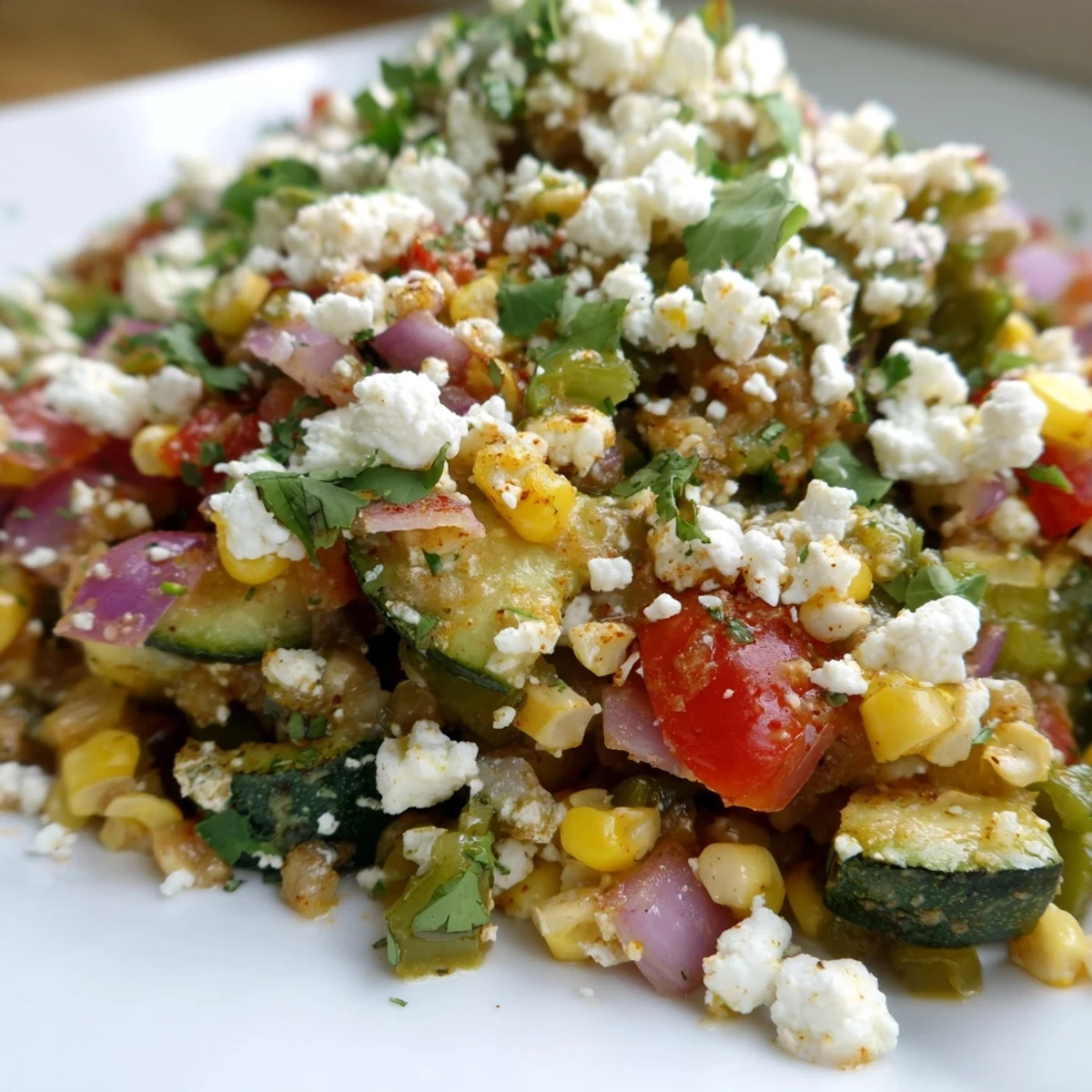
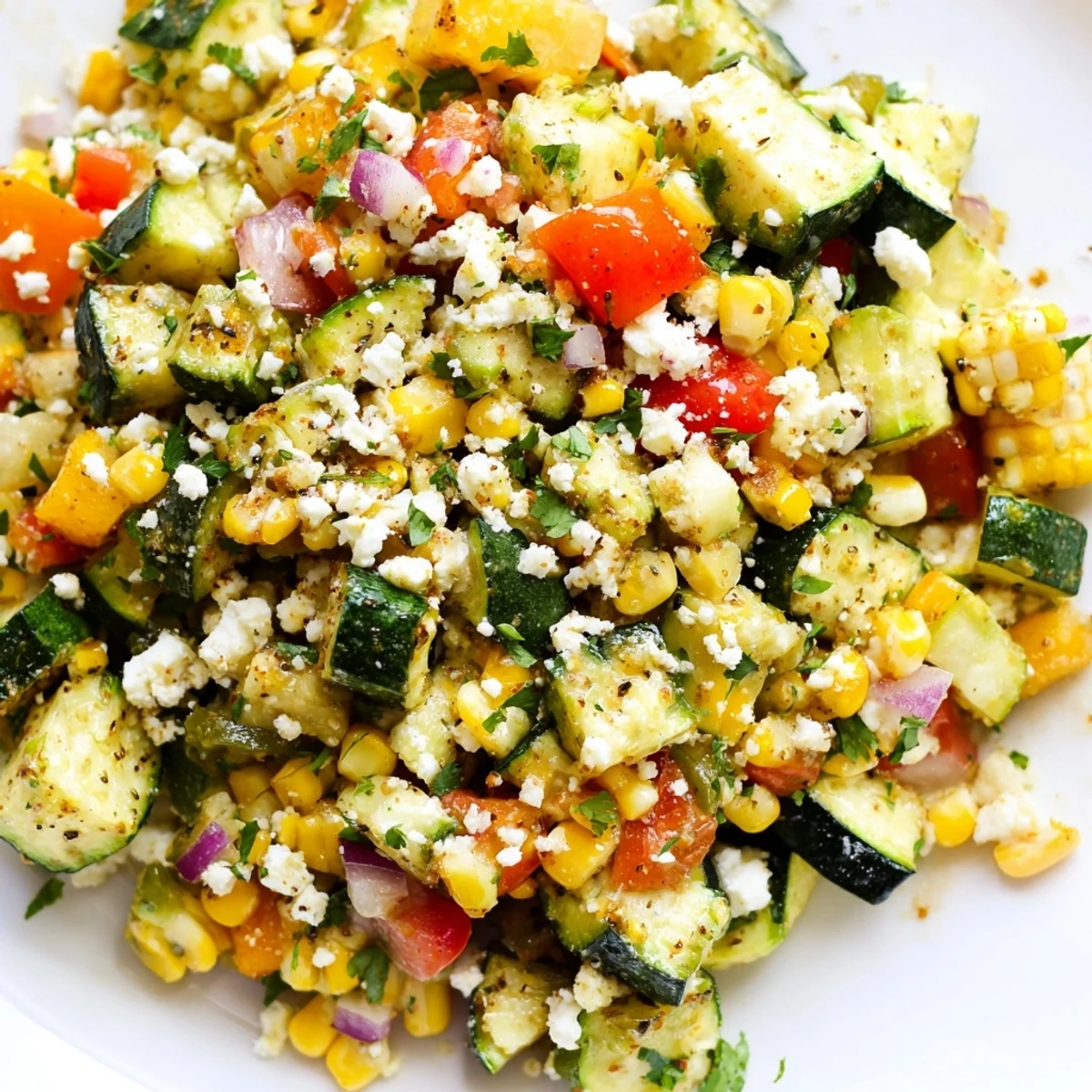
- Serve it family style in a pretty bowl, the contrast of white cheese against green zucchini and yellow corn is almost too beautiful to disturb. Almost.
 Save to Pinterest
 My sister called me last week, frantic, because she'd promised to bring a side to a potluck and had forgotten until an hour before. I talked her through this recipe over the phone, measuring in her kitchen while I measured in mine. When she texted later, she said people were asking for the recipe more than they were asking about the main dish.
Making It Your Own
The beauty of calabacitas is how forgiving it is as a template. I've added black beans for protein, thrown in roasted red peppers for sweetness, even used summer squash from the garden when zucchini wasn't available. The combination of squash, corn, and tomatoes is a classic for a reason, but there's room to play within those boundaries.
Serving Suggestions
While this is perfect as a side dish, I've made it into a full meal by serving it over rice with a fried egg on top, the yolk mixing with the spices and cheese into something extraordinary. It also shines as a taco filling, wrapped in warm tortillas with a dollop of sour cream. My kids even eat it over quinoa for a school lunch that comes back empty every time.
Storage and Reheating
Calabacitas keeps beautifully in the refrigerator for up to four days, actually developing more flavor as the spices mingle. Reheat it gently in a skillet with a splash of water to loosen things up, though it's also excellent cold, straight from the container for a midnight snack.
- Freeze portions in freezer bags for up to three months, though the texture will be softer
- The cheese can separate slightly upon reheating, but a quick stir brings everything back together
- If meal prepping, store fresh cilantro and lime wedges separately to add before serving
 Save to Pinterest
 This dish has fed my family through busy weeknights, lazy Sundays, and everything in between. It's simple enough for a Tuesday after work but special enough for a Friday dinner with friends, the kind of food that makes people feel taken care of without quite knowing why.
Recipe Questions & Answers
- → What does calabacitas mean?
-
Calabacitas is Spanish for 'little squashes,' referring to the zucchini that stars in this traditional Mexican dish. It's a beloved home-style preparation found throughout Mexico and the American Southwest.
- → Can I make this dairy-free?
-
Absolutely. Simply omit the cheese entirely or substitute with your favorite dairy-free alternative. The dish remains delicious and flavorful thanks to the seasoned vegetables and fresh herbs.
- → What can I serve with calabacitas?
-
This versatile dish pairs wonderfully with grilled chicken, steak, or fish. It's also excellent served alongside rice and beans, tucked into warm tortillas as tacos, or enjoyed on its own as a light vegetarian meal.
- → How long will leftovers keep?
-
Store cooled calabacitas in an airtight container in the refrigerator for up to 3-4 days. Reheat gently in a skillet or microwave, though the texture is best enjoyed fresh.
- → Can I freeze calabacitas?
-
Yes, you can freeze this dish for up to 3 months. However, keep in mind that the zucchini may become slightly softer upon thawing. It's best enjoyed fresh, but freezing works well for meal prep.