 Save to Pinterest
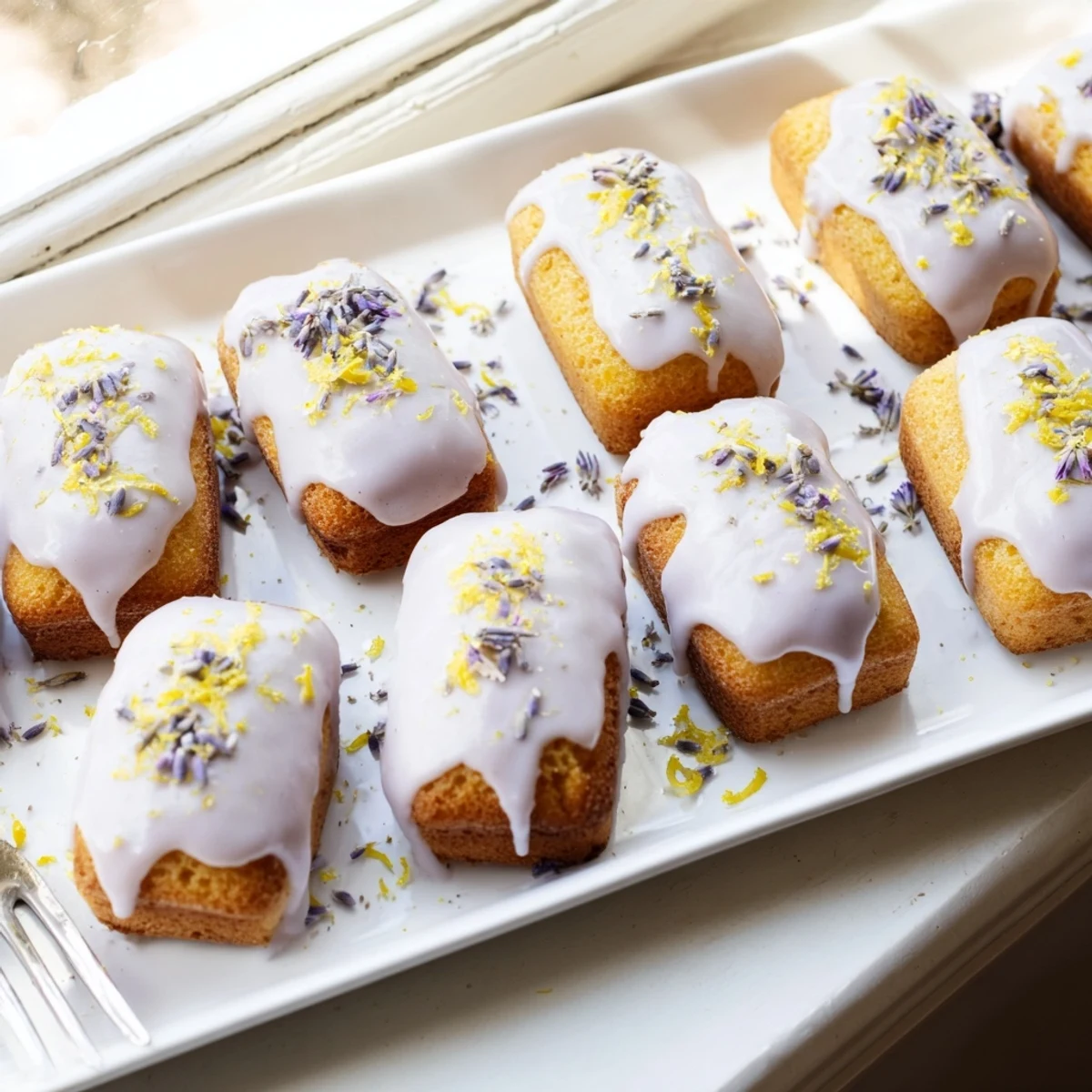
 These individual-sized lemon cakes deliver bright citrus flavor complemented by delicate floral notes from the lavender-infused glaze. The tender crumb comes from proper creaming technique and careful mixing, while fresh lemon zest and juice provide vibrant taste. Perfect for afternoon tea service, bridal showers, or garden parties, these elegant treats look beautiful garnished with extra zest or edible lavender buds. The glaze sets beautifully for easy serving and transport.
The scent of lavender always pulls me back to this tiny herb shop in Provence where I first learned that flowers belong in desserts. I bought a small packet of culinary lavender buds and spent the rest of my trip imagining all the ways I could use them. These mini lemon cakes became the answer, combining bright citrus with that delicate floral perfume I fell in love with.
I first made these for my mothers birthday tea last spring, and watching her eyes light up at that first taste gave me that specific kitchen feeling where you know youve nailed something. She made me write the recipe down on the spot, and now these little cakes show up at every family celebration.
Ingredients
- 1 1/2 cups (190 g) all-purpose flour: The foundation of tender cakes, sift before measuring for the lightest texture
- 1/2 teaspoon baking powder: Works with baking soda for the perfect gentle rise without making them taste metallic
- 1/4 teaspoon baking soda: Balances the acidity from the lemon juice for even baking
- 1/4 teaspoon salt: Enhances all the flavors and prevents the cakes from tasting flat
- 1/2 cup (115 g) unsalted butter, softened: Room temperature butter creates aeration and tenderness, cold butter makes dense cakes
- 1 cup (200 g) granulated sugar: Creamed with butter to create tiny air pockets for light texture
- 2 large eggs, room temperature: Always use room temperature eggs or they will seize the butter and create lumpy batter
- 2 tablespoons lemon zest: Use a microplane and avoid the white pith where all the bitterness lives
- 1/4 cup (60 ml) fresh lemon juice: Brightens everything and activates the baking soda
- 1/2 teaspoon pure vanilla extract: Rounds out the sharp citrus notes
- 1/2 cup (120 ml) whole milk, room temperature: Creates steam for tenderness and keeps the crumb moist
- 1/4 cup (60 ml) whole milk: For infusing the lavender flavor into the glaze
- 1 teaspoon culinary lavender buds: Only use lavender marked as culinary, regular lavender from the garden may have been treated with pesticides
- 1 cup (120 g) powdered sugar, sifted: Sifting prevents lumps in your glaze that look unappealing
- 1/2 teaspoon lemon juice: Just enough acid to cut through the sweetness and make the glaze pourable
Instructions
- Heat and prepare your pan:
- Preheat the oven to 350°F (175°C) and thoroughly grease a 12 cup mini bundt or muffin pan with butter, getting into every crevice so the cakes release beautifully
- Whisk the dry ingredients:
- In a medium bowl, whisk together the flour, baking powder, baking soda, and salt until fully combined and aerated
- Cream butter and sugar:
- Beat the softened butter and granulated sugar in a large bowl for 2 to 3 minutes until pale and fluffy, scraping the bowl halfway through
- Add eggs and flavor:
- Add eggs one at a time, beating completely after each, then stir in the lemon zest, lemon juice, and vanilla until incorporated
- Combine wet and dry:
- Add the flour mixture in three additions, alternating with the milk and beginning and ending with flour, mixing only until just combined
- Fill and bake:
- Divide batter among prepared cups about 2/3 full and bake for 17 to 20 minutes until a toothpick in the center comes out clean
- Cool completely:
- Let cakes rest in the pan for 10 minutes, then turn out onto a wire rack to cool entirely before glazing
- Infuse the milk:
- Heat 1/4 cup milk to a simmer, remove from heat, add lavender buds, and steep for 10 minutes before straining
- Make the glaze:
- Whisk the lavender infused milk with sifted powdered sugar and lemon juice until completely smooth
- Finish and serve:
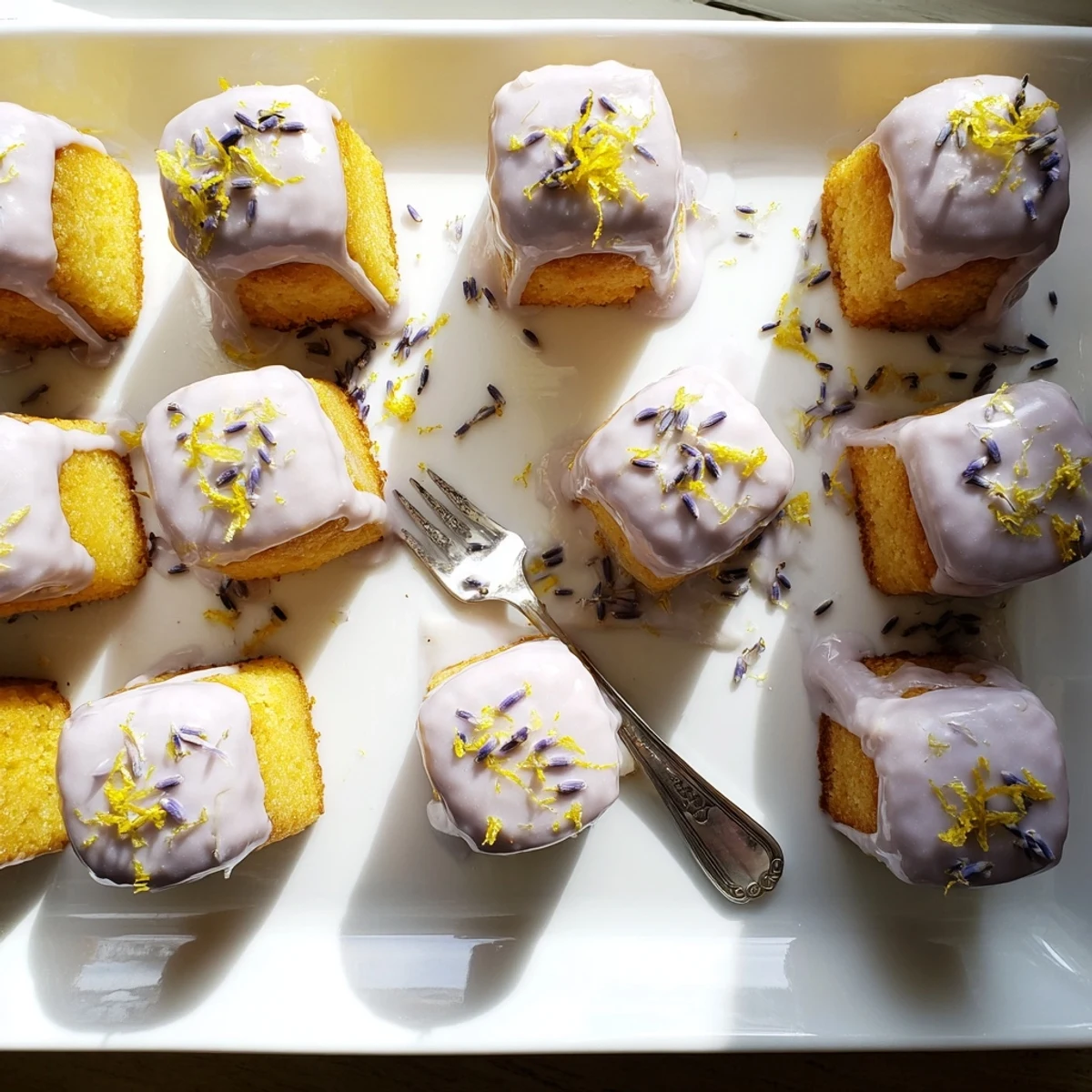
- Drizzle glaze over cooled cakes and garnish with extra lemon zest or edible lavender if you want them extra pretty
 Save to Pinterest
 My neighbor texted me at midnight after I brought her a batch of these, demanding the recipe because her husband had eaten three and was asking when I would make more. Now I keep a stash of culinary lavender just for these moments.
Getting The Perfect Lemon Zest
I learned through too many batches that a box grater mangles the zest and often catches the bitter white pith. A microplane gives you those perfect delicate shreds that release their oils into the batter without any harsh bitterness.
Infusing Lavender Like A Pro
Too much lavender turns these into little soap cakes, which is a mistake I only had to make once. A teaspoon of culinary lavender in warm milk creates just enough infusion to taste like a garden and not like a spa treatment.
Making These In Advance
These actually taste better on day two when the flavors have had time to meld. Bake them up to 24 hours ahead, store in an airtight container, and glaze right before serving so they stay fresh and look gorgeous.
- Wrap the unglazed cakes tightly in plastic and freeze for up to a month
- Thaw frozen cakes at room temperature for 2 hours before glazing
- The glaze only takes 5 minutes to make when you are ready to serve
 Save to Pinterest
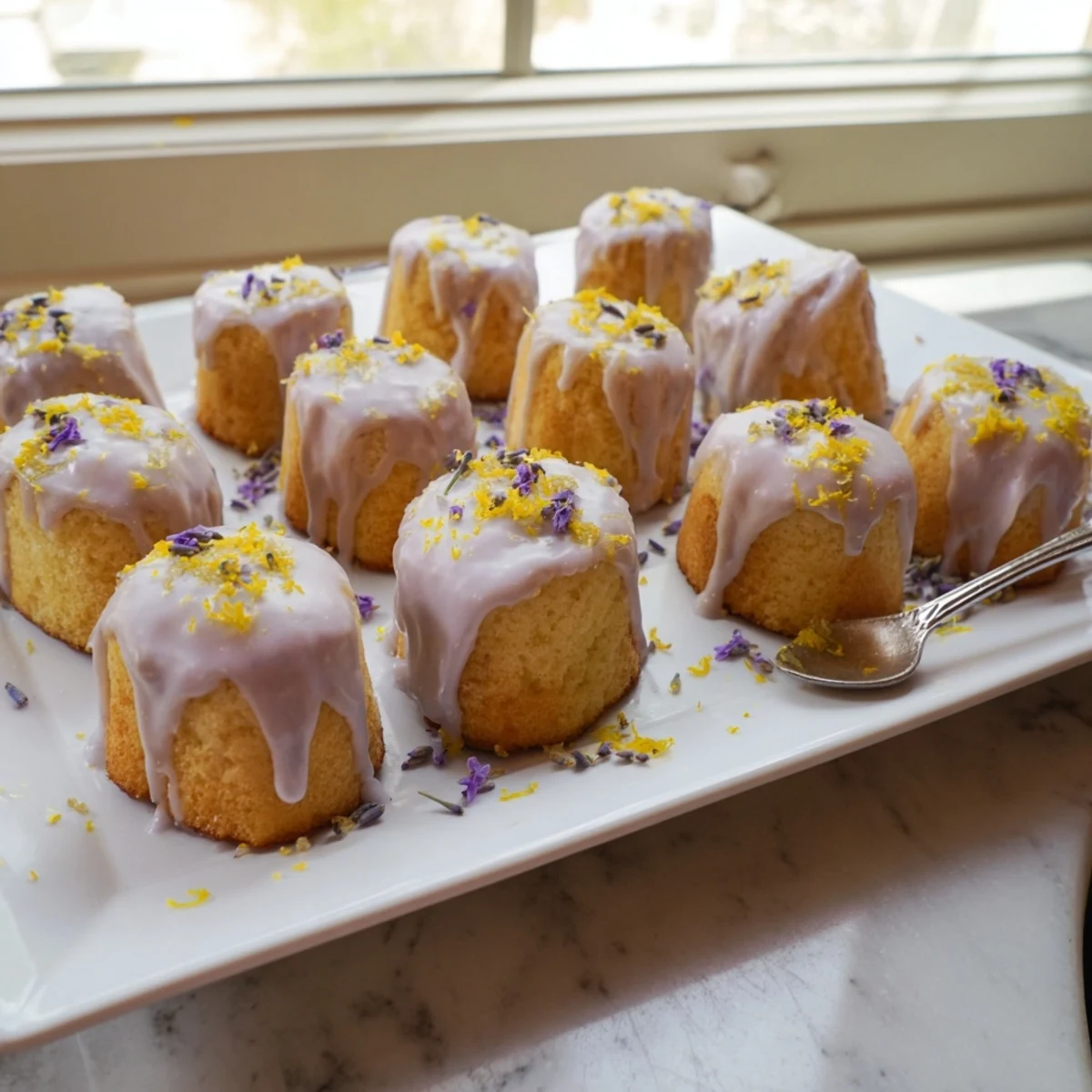
 There is something magical about serving these little cakes on a pretty plate while the steam rises from your tea cup. They make any ordinary afternoon feel like a tiny celebration.
Recipe Questions & Answers
- → Can I make these mini lemon cakes ahead of time?
-
Yes, bake the cakes up to two days in advance and store in an airtight container. Add the lavender glaze shortly before serving for the freshest appearance and texture.
- → What type of lavender should I use for the glaze?
-
Always use culinary-grade lavender buds, which are specifically grown for consumption and free from pesticides. Regular craft or sachet lavender may contain additives not suitable for eating.
- → Can I substitute the regular flour with a gluten-free alternative?
-
A 1-to-1 gluten-free flour blend typically works well, though the texture may be slightly denser. Add an extra teaspoon of baking powder to help with rise.
- → How should I store leftover glazed cakes?
-
Keep them in a single layer in an airtight container at room temperature for up to three days. For longer storage, freeze unglazed cakes for up to three months.
- → Can I use regular-sized pans instead of mini ones?
-
Yes, but adjust baking time accordingly. A standard 12-cup muffin pan will take 20-25 minutes, while a bundt pan may require 35-45 minutes. Check for doneness with a toothpick.
- → Is the lavender flavor very strong in these cakes?
-
The lavender provides a subtle, fragrant background note rather than an overpowering flavor. Steeping the milk for exactly 10 minutes yields a delicate floral balance that complements the lemon.