
 Save to Pinterest
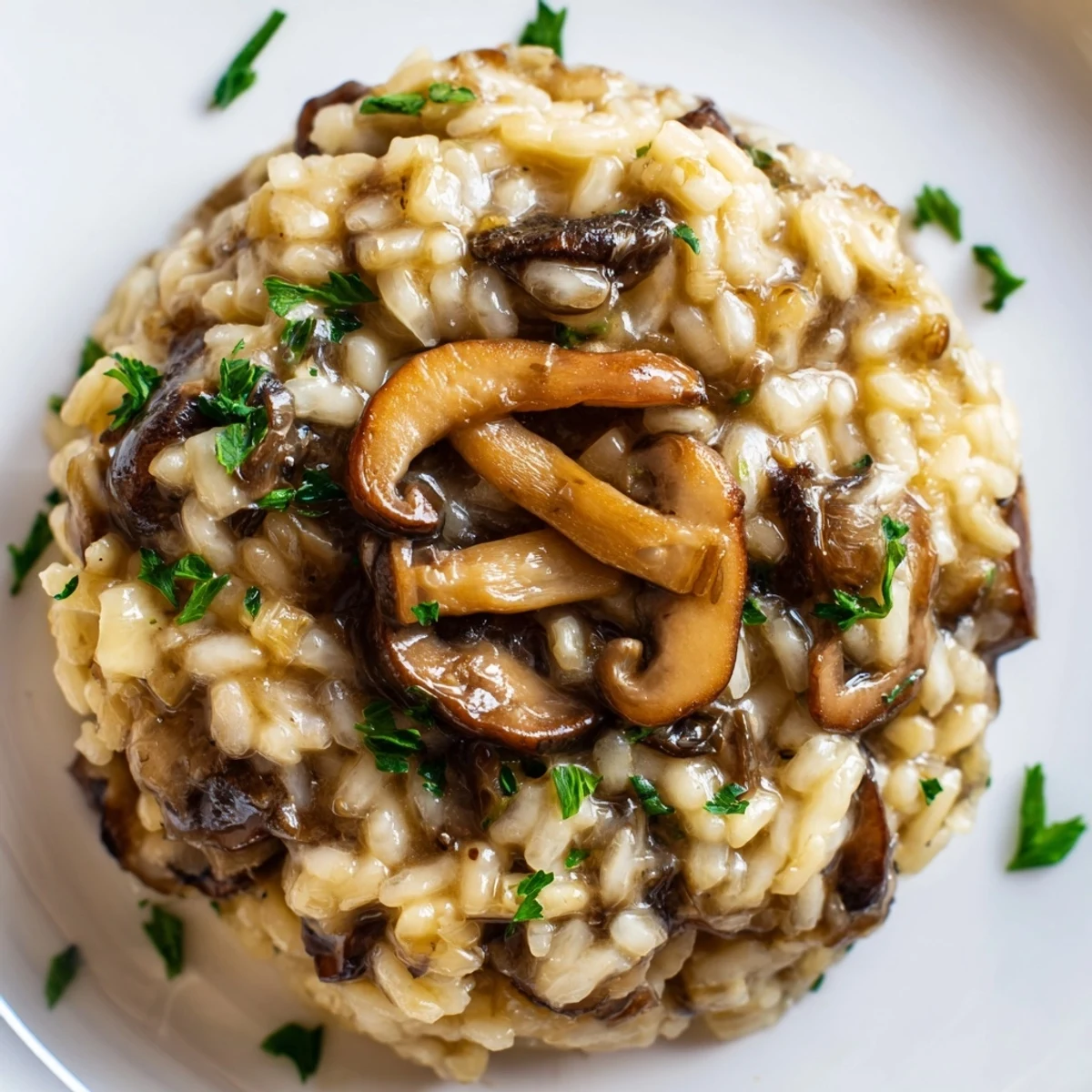
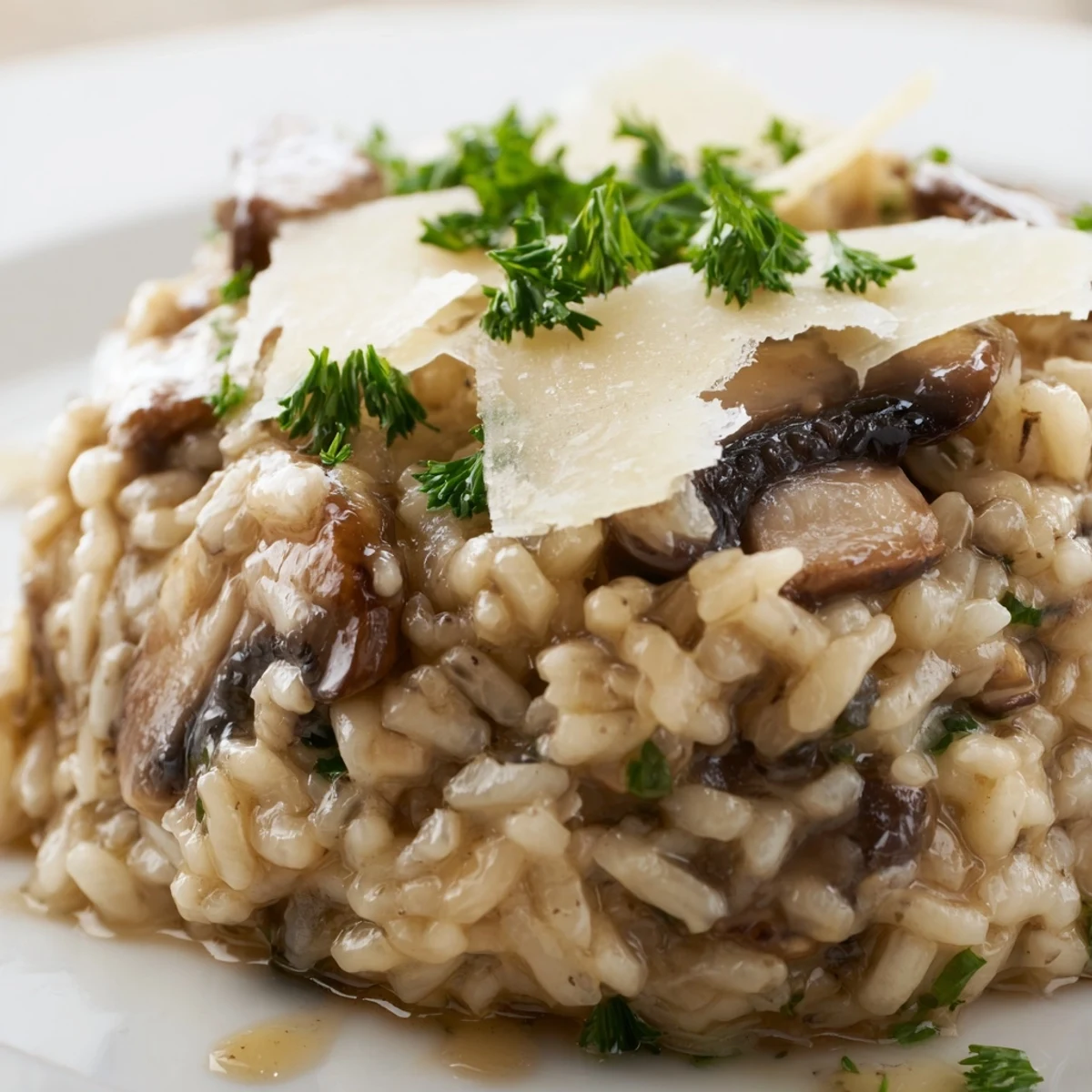
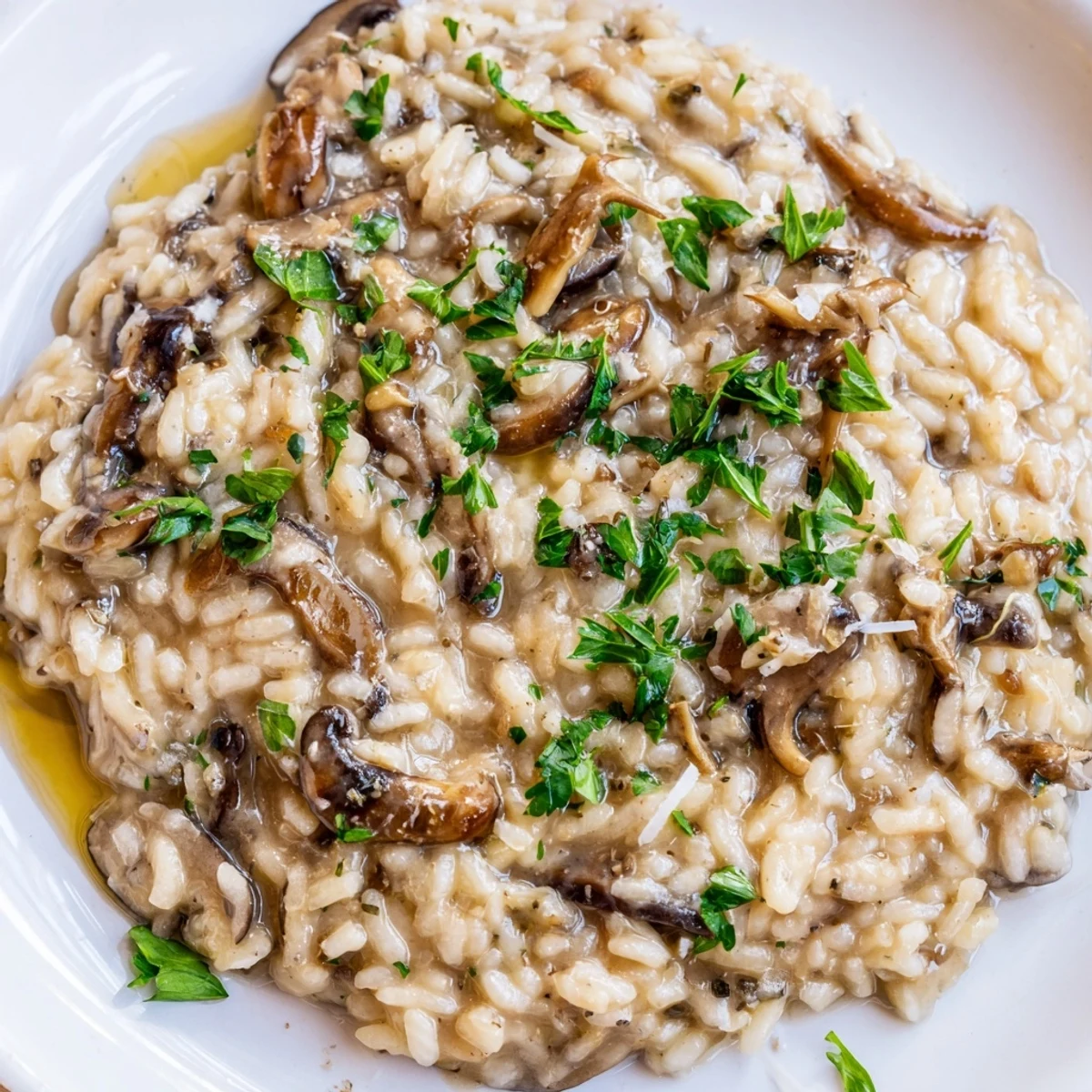
 This creamy risotto blends mixed mushrooms sautéed with garlic and onion, combined with Arborio rice cooked slowly in vegetable broth and white wine. Finished with butter, Parmesan, and a fragrant drizzle of truffle oil, it offers a luxurious earthy flavor and smooth texture. Perfect for cozy dinners or special meals, garnished with fresh parsley for a vibrant touch.
There's a particular magic that happens when you're cooking for someone you want to impress, and truffle oil has a way of making that magic feel effortless. I discovered this risotto on a quiet Tuesday evening when I had a friend stopping by unexpectedly, and all I had were mushrooms, rice, and a small bottle of truffle oil that had been sitting in my pantry. What started as improvisation became something I'd make again and again—creamy, earthy, and finished with just enough luxury to feel like you've done something extraordinary.
I remember my neighbor tasting this for the first time and closing her eyes at that first spoonful—not in a dramatic way, just a quiet moment of recognition that sometimes the simplest ingredients, when treated with care, are all you need. That's when I realized risotto isn't about being fancy; it's about paying attention.
Ingredients
- Mixed mushrooms (cremini, shiitake, or button), 300 g: The variety matters more than the quantity—each type brings its own earthiness to the party, and mixing them creates depth you can't get from just one.
- Yellow onion, 1 small: Dice it fine so it melts into the rice rather than staying as distinct pieces; this becomes the flavor base everything else builds on.
- Garlic, 2 cloves: Mince it well and add it after the onions soften, so it perfumes the pan without burning and turning bitter.
- Fresh parsley, 2 tbsp: Chop it just before serving to keep it bright; the freshness at the end makes the whole dish feel alive.
- Arborio rice, 300 g: Don't skip this variety—the starches in Arborio are what make risotto creamy, and other rice simply won't give you the same silky texture.
- Vegetable broth, 1 L: Keep it warm in a separate pot so each ladle adds heat rather than shocking the rice into cooking unevenly.
- Dry white wine, 120 ml: Something you'd actually drink—the acid brightens everything and the alcohol burns off, leaving only flavor.
- Parmesan cheese, 50 g, freshly grated: Grate it yourself if you can; the pre-grated stuff has anti-caking agents that prevent it from melting as smoothly into the creamy rice.
- Unsalted butter, 2 tbsp: Cold butter stirred in at the end is what creates that glossy, creamy finish—it's called mantecatura and it's non-negotiable.
- Olive oil, 2 tbsp: Good quality if you have it, since it's doing real work in the beginning stages.
- Truffle oil, 2 tbsp: This is your finishing touch—a little goes a long way, and the aroma is half the experience.
- Salt and freshly ground black pepper: Season gradually throughout cooking rather than all at once; you have more control this way.
Instructions
- Build your base:
- Heat the olive oil and 1 tablespoon of butter in a large, heavy pan over medium heat until it's shimmering gently—not smoking. Add the diced onion and let it cook for 3 to 4 minutes, stirring occasionally, until it turns translucent and soft.
- Bloom the garlic:
- Stir in the minced garlic and cook for just 1 minute, until the whole pan smells wonderful. Don't let it go longer or it'll brown and taste sharp instead of mellow.
- Render the mushrooms:
- Add all your sliced mushrooms to the pan and cook, stirring every minute or so, for 6 to 8 minutes until they've released their liquid and it's mostly evaporated—you want them golden at the edges. Season lightly with salt and pepper.
- Toast the rice:
- Pour in the Arborio rice and stir constantly for 1 to 2 minutes, coating every grain with the oil and mushroom mixture. You'll notice the edges of the grains start to look translucent and almost glassy—this is toasting, and it prevents mushy risotto.
- Deglaze and reduce:
- Pour in the white wine and stir continuously until most of it has been absorbed and you can see the bottom of the pan for just a moment between stirring. This takes about 2 to 3 minutes and smells incredible.
- Add broth gradually and stir:
- Using a ladle, add one ladle of warm broth to the rice, stirring frequently. Wait until most of that broth is absorbed—you should see the rice getting creamy—before adding the next ladle. Keep the heat at medium so the rice is always simmering gently, not boiling rapidly.
- Keep tasting and adjusting:
- After about 18 to 20 minutes total of adding broth, taste a few grains of rice—they should be tender but still have the tiniest bit of firmness when you bite them (this is al dente). If they're still hard, add another ladle of broth and wait a minute.
- Finish with butter and cheese:
- Remove the pan from heat and stir in the remaining tablespoon of cold butter and the grated Parmesan. The risotto should look glossy and flow slightly on the plate when you spoon it—if it's too thick, a splash of warm broth will loosen it.
- Plate and drizzle:
- Spoon the risotto into warm bowls or plates, then drizzle each serving with about 1/2 tablespoon of truffle oil and a small handful of fresh parsley. Serve immediately while it's still hot and creamy.
 Save to Pinterest
 The first time someone I'd cooked for asked me for the recipe, I realized this dish had become something more than just dinner—it was my version of comfort, my way of showing care without making a big announcement about it. That's the thing about a good risotto: it sneaks up on you and becomes a favorite.
Why the Truffle Oil Matters
Truffle oil is one of those ingredients that sounds unnecessarily fancy until you understand what it's actually doing. It's not pretentious—it's just a bright, earthy finishing note that makes the mushrooms taste more like themselves. The warm risotto carries that aroma up to your nose, and suddenly you understand why people get excited about it. A tiny drizzle is enough; more than that overwhelms everything else you've worked for.
The Rhythm of Risotto
The thing people don't mention often enough is that risotto has a meditative quality if you let it. You're stirring, watching, listening to the gentle simmer, smelling the wine disappear and the rice absorb each addition of broth. It's the opposite of cooking that feels rushed. Once you've made it a few times, your hands know when it's right—the rice starts to look creamy, the wooden spoon leaves a brief trail when you drag it across the bottom of the pan, and you just know it's time to finish.
Making It Your Own and Storing Leftovers
The beauty of this recipe is that it's a canvas—you can use any mix of mushrooms you find, swap in different herbs, or even add a splash of cream if you want it even richer. Leftover risotto is thicker when it cools; you can warm it gently with a splash of broth, or do what Italian kitchens have done forever and transform it into arancini by shaping it into patties and pan-frying them until they're golden and crispy outside with a creamy center.
- Store leftover risotto in an airtight container for up to 3 days; it tastes better the next day when the flavors have settled.
- To revive cold risotto, add a little warm broth and stir over medium-low heat until it reaches that creamy consistency again.
- If you're making arancini, let the risotto cool completely, form it into balls, roll lightly in breadcrumbs if you want, and pan-fry in a little olive oil until the outside is golden and crispy.
 Save to Pinterest
 This risotto has become my answer to the question, 'What should we make tonight?' because it feels special without being complicated, and it turns regular Tuesday into something worth remembering. Make it for someone you like—they'll ask for it again.
Recipe Questions & Answers
- → What mushrooms work best for this dish?
-
Mixed mushrooms like cremini, shiitake, and button mushrooms provide an earthy depth and varied texture that enhance the creamy risotto.
- → Can I substitute the Parmesan cheese?
-
Yes, a vegetarian or plant-based Parmesan alternative works well, maintaining richness without compromising flavor.
- → How do I achieve the perfect creamy risotto texture?
-
Slowly adding warm broth one ladle at a time while stirring often helps release starches, resulting in a creamy, al dente rice consistency.
- → What is the purpose of white wine in the cooking process?
-
White wine adds subtle acidity and depth, balancing the richness of butter and Parmesan while enhancing mushroom flavors.
- → How should the truffle oil be used?
-
Drizzle truffle oil on top just before serving to preserve its fragrance and add a luxurious finishing aroma.