
 Save to Pinterest
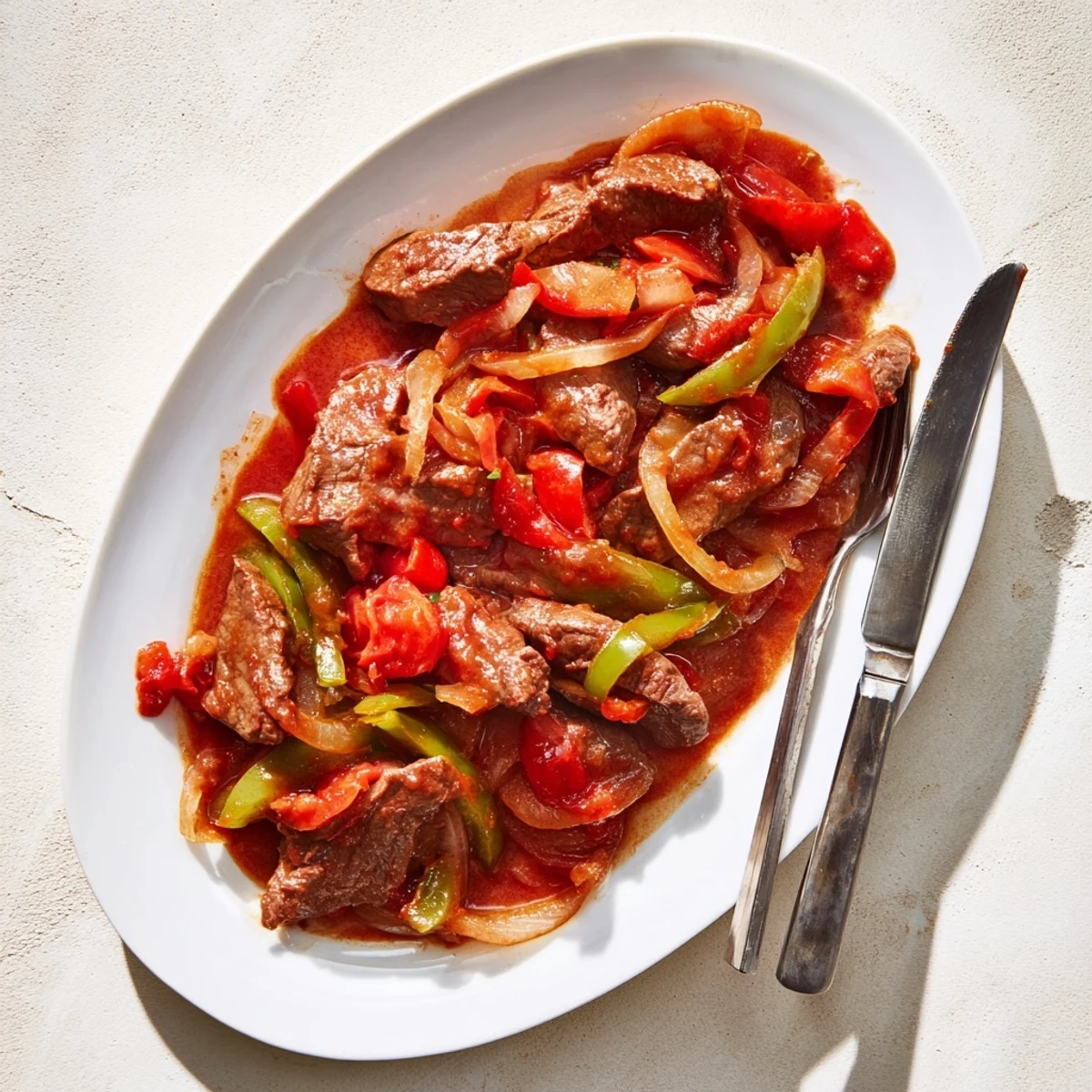
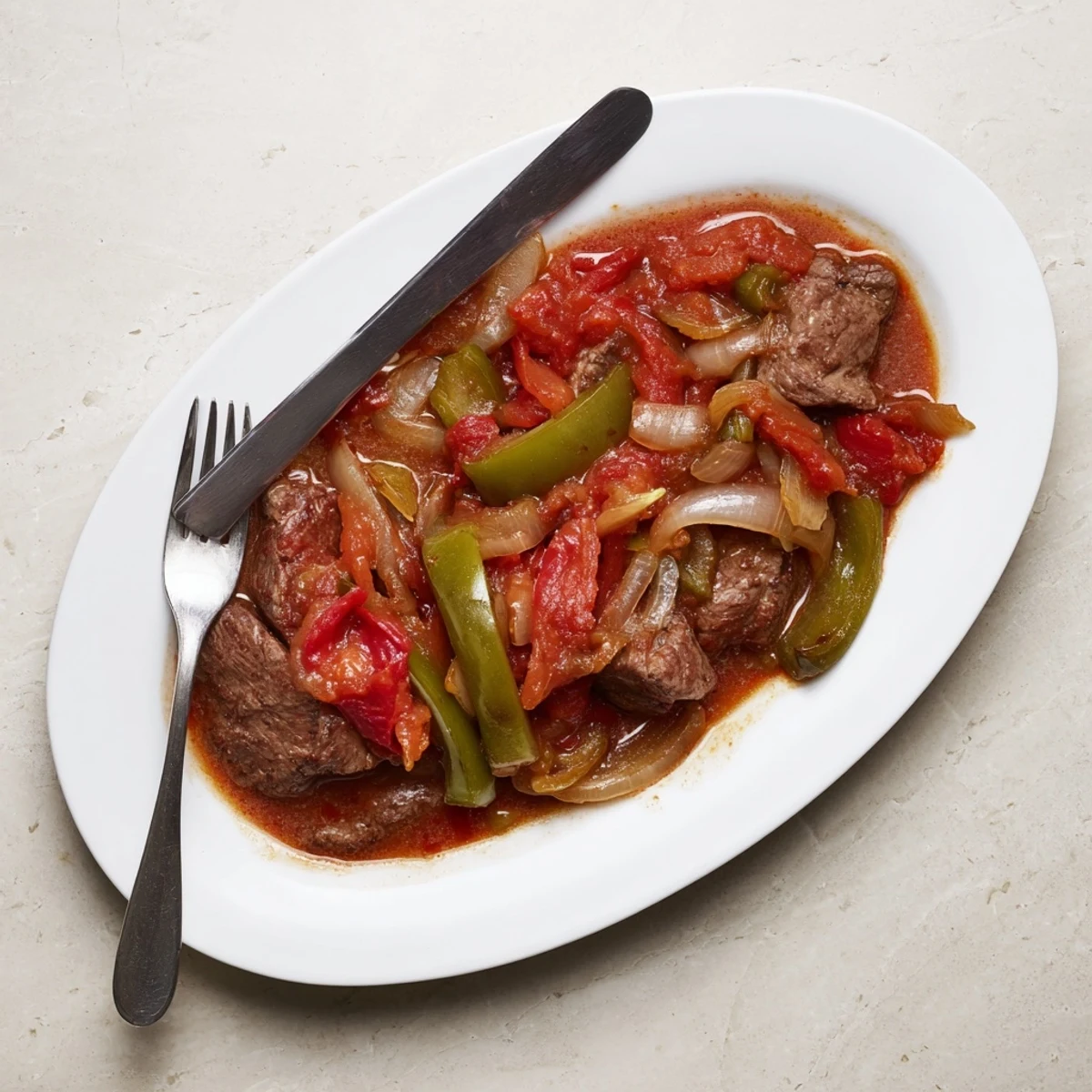
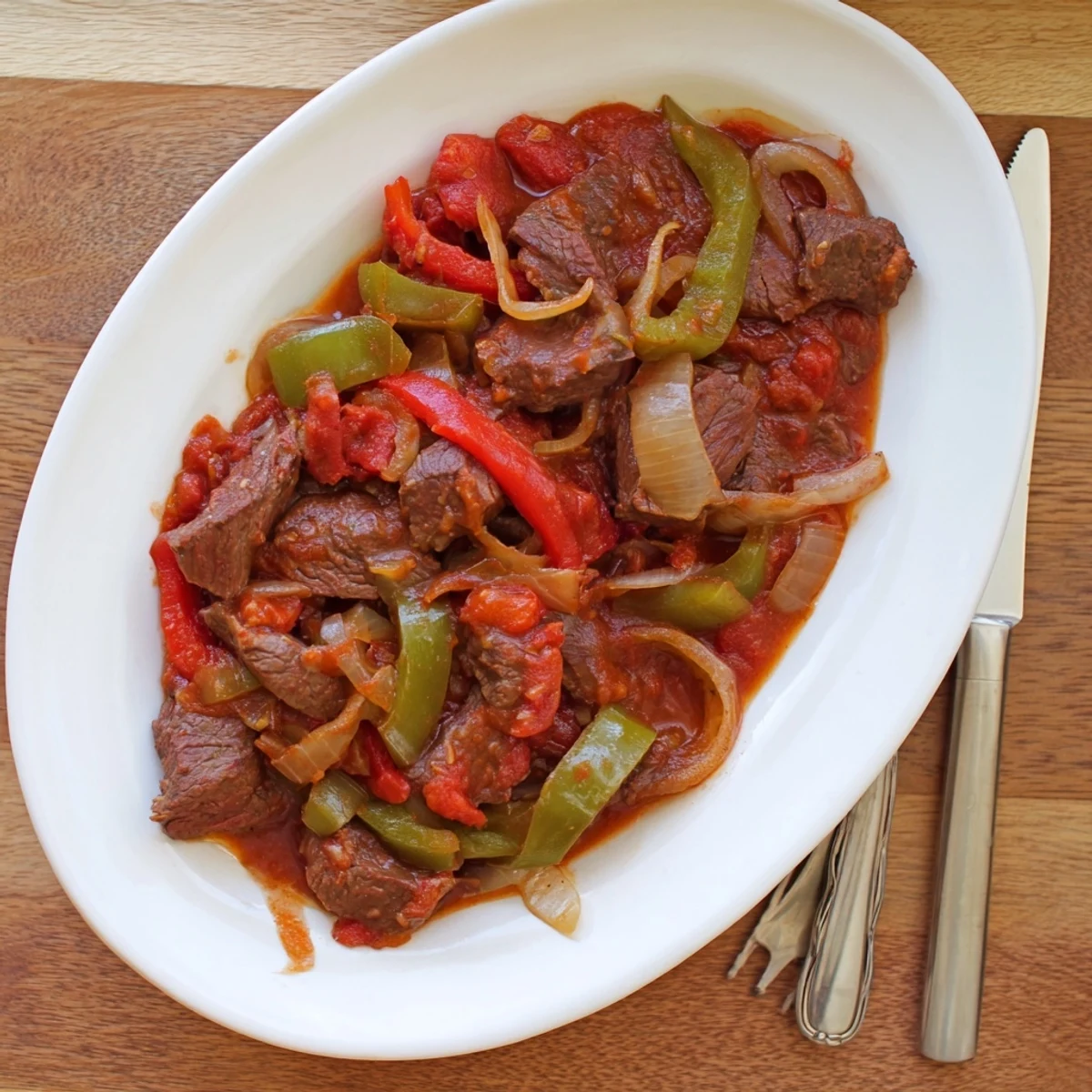
 This classic American comfort dish transforms beef round steak into tender, melt-in-your-mouth perfection through slow braising. The meat is dredged in seasoned flour, seared until golden, then simmered for two hours with diced tomatoes, onions, bell peppers, celery, and aromatic herbs. The result is a savory steak with a thick, flavorful sauce that naturally develops while cooking. Serve over mashed potatoes, buttered noodles, or rice to soak up every drop of the rich gravy.
The smell of tomatoes and beef slow-cooking together takes me straight back to my grandmother's tiny kitchen, where her well-worn Dutch oven lived on the back burner most weekends. She never measured anything, yet her Swiss steak came out perfectly tender every single time, the meat practically falling apart at the mere suggestion of a fork. I spent years trying to replicate that magic, overcooking and under-seasoning my way through many disappointing dinners before finally understanding her secret: patience and a heavy pot.
I made this for my husband during our first winter together, back when our apartment was drafty and our budget was tight. He took one bite of that tender beef swimming in the savory tomato sauce and actually went quiet for a full minute, which I quickly learned was his highest form of culinary praise. That Dutch oven has been through three moves with us now, and every time Swiss steak appears on our table, it still feels like a celebration of comfort and home.
Ingredients
- Beef round steak: This economical cut becomes meltingly tender after hours of braising in that flavorful tomato sauce
- All-purpose flour: Creates a light coating that helps thicken the sauce while adding a subtle body to each bite
- Salt and black pepper: The essential foundation that brings all the other flavors forward
- Paprika: Adds a subtle warmth and beautiful reddish hue to the coating
- Large onion: Melts down into sweetness that balances the acidity of the tomatoes
- Garlic cloves: Two cloves provide just enough background aromatic warmth without overpowering
- Green bell pepper: Contributes a slight bitterness and fresh pop that cuts through the richness
- Celery stalks: Adds subtle savory depth and a classic aromatic base note
- Diced tomatoes with juice: The backbone of the sauce, providing body, acidity, and that beautiful red color
- Beef broth: Deepens the savory flavor profile and creates a braising liquid that infuses the meat
- Worcestershire sauce: That umami-rich secret ingredient that makes the sauce taste like it cooked for days
- Dried oregano and thyme: Classic herbs that complement both the beef and tomato elements perfectly
- Bay leaf: Adds a subtle herbal depth that permeates the whole dish during slow cooking
- Vegetable oil: High heat tolerance for getting that gorgeous brown crust on the beef
Instructions
- Prepare your oven and work station:
- Get your oven to 325°F and clear some counter space, because this recipe comes together in phases but rewards every bit of prep work.
- Coat the beef:
- Mix flour, salt, pepper, and paprika in a shallow dish, then press both sides of each steak piece into the mixture, letting the excess fall away.
- Sear to perfection:
- Heat oil in your Dutch oven until it shimmers, then brown the beef for 2-3 minutes per side until it develops a deep, golden crust that will flavor the entire sauce.
- Build the flavor base:
- Sauté onions, garlic, bell pepper, and celery in those beautiful browned bits left behind, cooking until the vegetables soften and release their aromas.
- Assemble everything:
- Return the beef to the pot, then pour in tomatoes, broth, Worcestershire, herbs, and bay leaf, stirring gently to combine all the elements.
- Slow braise to tenderness:
- Bring everything to a simmer, cover tightly, and slide into the oven for 1.5 to 2 hours, until the beef yields easily to a fork.
- Finish and serve:
- Fish out and discard the bay leaf, taste and adjust seasoning if needed, then serve each portion with plenty of that luscious sauce and tender vegetables.
 Save to Pinterest
 My friend Sarah called me once in a panic because her mother-in-law was coming over and she had no idea what to cook. I walked her through this Swiss steak recipe over the phone, and later she texted me that her mother-in-law had actually asked for seconds, which apparently never happened. Something about this dish just says welcome home, even to people who have never set foot in your kitchen before.
Making It Your Own
Once you have the basic technique down, this recipe welcomes all sorts of personal touches. Sometimes I add a splash of red wine along with the broth, which deepens the flavor and makes the whole house smell even more incredible. Other times I throw in a handful of mushrooms or some carrots during the vegetable phase, just to stretch it further and add more color to the bowl.
The Art of Leftovers
Swiss steak might actually be better the second day, after all those flavors have had even more time to get acquainted in the refrigerator. I often make a double batch specifically so I can enjoy it for lunch the next day, served over whatever grain I have on hand. The sauce thickens up beautifully and the meat becomes even more tender, if that is even possible.
Perfect Pairings
This dish was practically invented for soaking into mashed potatoes, but rice, buttered noodles, or even crusty bread all work wonderfully to catch every drop of that sauce. I have found that a simple green salad with a bright vinaigrette cuts through the richness perfectly, while steamed green beans or roasted broccoli add some color and freshness to the plate.
- Make extra sauce intentionally and freeze it for a quick dinner another night
- Leftover meat makes incredible sandwiches the next day, piled on crusty bread
- The sauce works beautifully over baked potatoes or even polenta
 Save to Pinterest
 There is something deeply satisfying about taking a humble cut of meat and transforming it into a meal that makes people close their eyes and savor every bite. Swiss steak reminds me that good cooking does not require expensive ingredients or fancy techniques, just time, care, and a little bit of faith in the process.
Recipe Questions & Answers
- → What cut of beef works best for Swiss steak?
-
Beef round steak about 1/2-inch thick is traditional, but chuck or shoulder steak also work beautifully. The key is using a lean cut that benefits from long, slow braising to become tender.
- → Why is the meat coated in flour before cooking?
-
The seasoned flour coating helps create a beautiful golden crust during searing and naturally thickens the sauce as the dish braises, resulting in a rich, velvety gravy.
- → Can I make this on the stovetop instead of the oven?
-
Absolutely. After bringing everything to a simmer, reduce heat to low, cover tightly, and cook on the stovetop for about 2 hours, checking occasionally to maintain a gentle simmer.
- → What sides pair well with this dish?
-
Creamy mashed potatoes are the classic choice to soak up the savory sauce. Buttered egg noodles, fluffy white rice, or roasted potatoes also complement the tender beef beautifully.
- → How do I store and reheat leftovers?
-
Store in an airtight container in the refrigerator for up to 3 days. Reheat gently on the stovetop with a splash of beef broth to restore the sauce's consistency. The flavors often deepen overnight.
- → Can I make this gluten-free?
-
Yes, simply substitute the all-purpose flour with a 1:1 gluten-free flour blend. Ensure your Worcestershire sauce and beef broth are certified gluten-free as well.