 Save to Pinterest
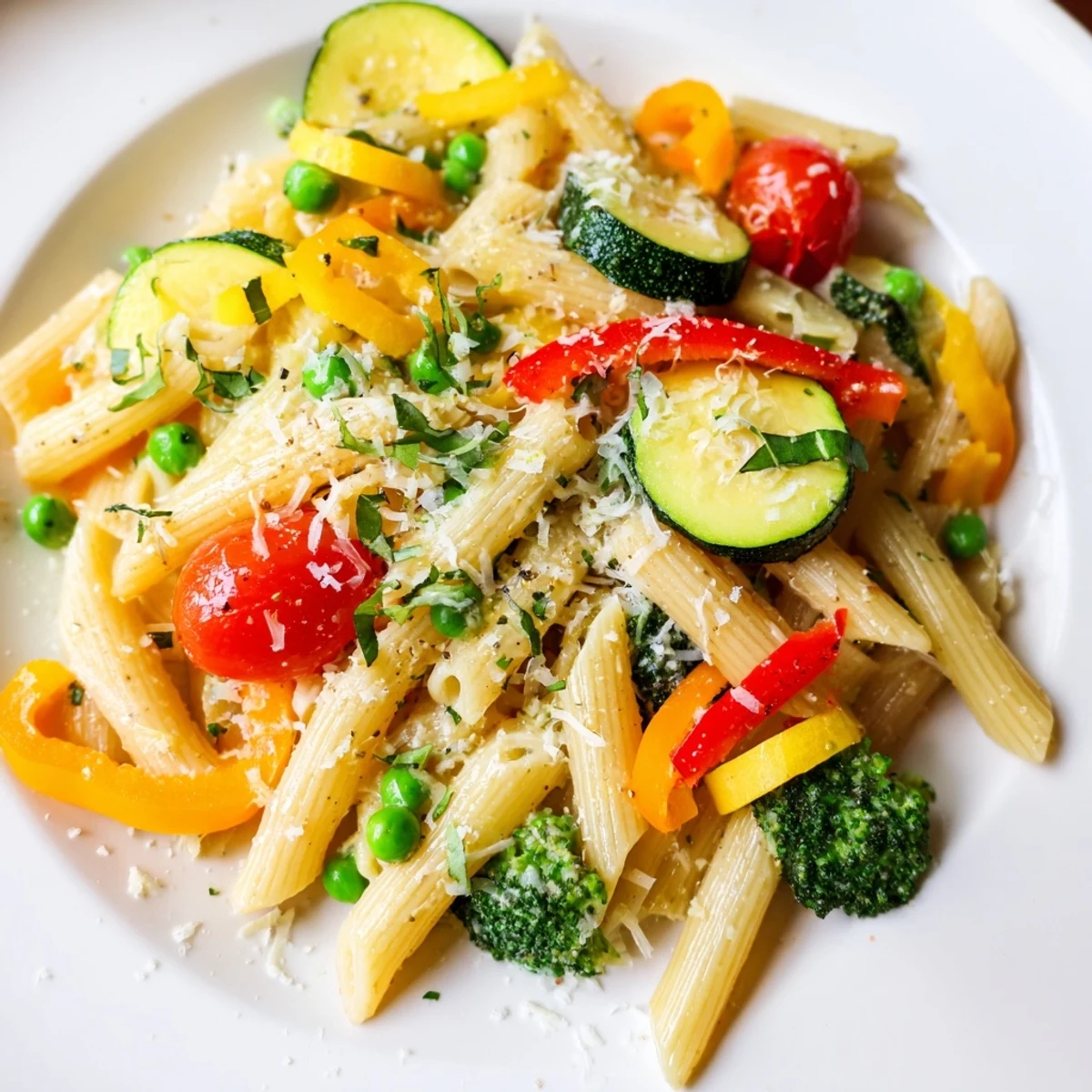
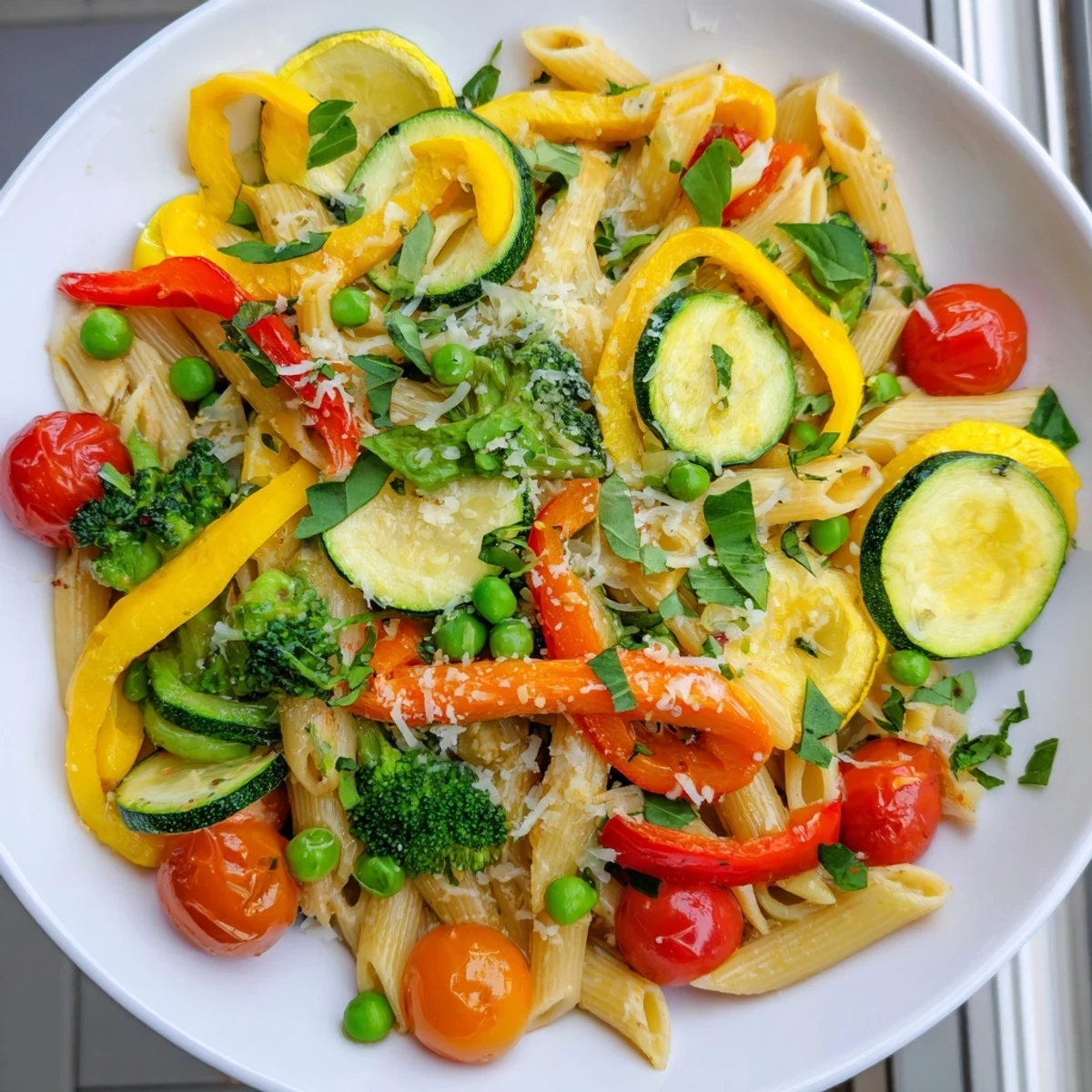
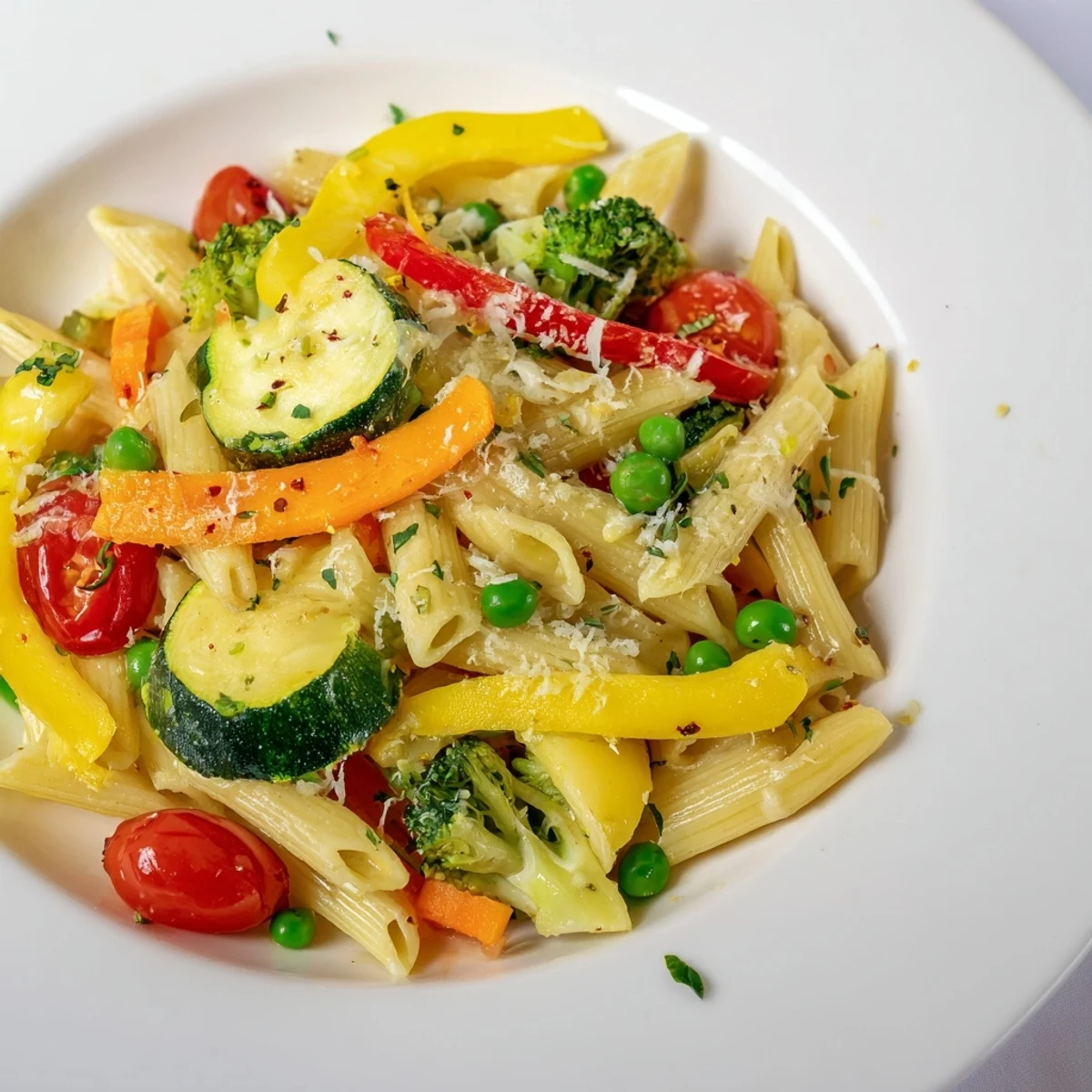
 This classic Italian dish transforms al dente penne or fusilli into a colorful celebration of spring vegetables. Crisp zucchini, bell pepper, broccoli, and cherry tomatoes sauté to tender perfection, creating a medley of textures and flavors. The light sauce combines extra virgin olive oil, fresh lemon zest and juice, aromatic garlic, and nutty Parmesan cheese. Fresh basil adds the perfect finishing touch, while a pinch of red pepper flakes offers optional warmth. Reserve pasta water creates silky cohesion, ensuring every strand gets coated in the vibrant vegetable mixture.
My friend Marco taught me this during his first attempt at cooking dinner for us, back when we were both terrible at timing everything. The kitchen was tiny, the vegetables kept piling up, and we panicked when everything hit the pan at once. Somehow, that chaotic mess became the most vibrant, alive pasta dish I'd ever tasted. Now I make it whenever I need to feel that same unpolished joy.
Last spring, my sister came over with a bag of vegetables from her first garden attempt. The zucchini were oddly shaped and the broccoli florets were tiny, but we used them anyway. We sat on my back porch eating this straight from the pan, watching the sunset and laughing about her lopsided harvest. It tasted like friendship and fresh starts.
Ingredients
- 350 g penne or fusilli pasta: The ridges catch all that lovely light sauce, but any short pasta works beautifully here.
- 1 small zucchini and yellow squash: Slice them thin so they cook quickly but still hold their shape in the final dish.
- 1 red bell pepper: The sweetness balances the slight bitterness of broccoli perfectly.
- 1 cup broccoli florets: Don't make them too big or they'll take forever to cook through.
- 1 cup cherry tomatoes: They burst open slightly and create little pockets of juicy brightness.
- 1/2 cup frozen peas: These add instant sweetness and a pop of vibrant green color.
- 2 cloves garlic: Minced finely so it infuses the oil without burning.
- 1 small carrot, julienned: This adds a subtle sweetness and pretty orange ribbons throughout.
- 3 tbsp extra virgin olive oil: Use the good stuff since it carries all the flavors.
- 1/4 cup grated Parmesan cheese: Save some extra for sprinkling on top because more cheese is always better.
- 1/4 cup chopped fresh basil: Or flat leaf parsley if that's what you have on hand.
- Zest of 1 lemon: This brightens everything without making the dish taste lemony.
- Juice of 1/2 lemon: Just enough to wake up all the vegetables' natural flavors.
- Salt and freshly ground black pepper: Taste as you go since the Parmesan already adds saltiness.
- Pinch of red pepper flakes: Optional, but I love that gentle warmth at the finish.
Instructions
- Start the pasta water:
- Bring a large pot of salted water to boil and cook pasta until al dente, then reserve that precious pasta water before draining.
- Sauté the aromatics:
- Heat olive oil in a large skillet over medium heat and add minced garlic, letting it perfume the oil for about 30 seconds.
- Add the harder vegetables:
- Toss in carrot, bell pepper, and broccoli, stirring frequently for 3 minutes until they start to soften.
- Softer vegetables join the pan:
- Add zucchini, yellow squash, and peas, cooking another 4 to 5 minutes until tender but still bright and firm.
- The burst of freshness:
- Stir in cherry tomatoes, lemon zest, and juice, letting the tomatoes just start to wrinkle and release their juices.
- Bring it all together:
- Add the drained pasta to the skillet with vegetables, tossing with reserved pasta water to create a silky light sauce.
- Finish with love:
- Remove from heat and fold in Parmesan and basil, then season with salt, pepper, and red pepper flakes if you like some warmth.
- Serve immediately:
- Plat it while it's still steaming, with extra Parmesan and herbs scattered on top like confetti.
 Save to Pinterest
 This recipe became my go-to for potlucks after I brought it to my book club meeting and everyone asked for seconds. The hostess messaged me that night saying her daughter, who supposedly hated vegetables, had eaten three servings. Sometimes the simplest food is the most convincing.
Making It Your Own
Seasonal vegetables work wonderfully here. Asparagus in spring, green beans in summer, or butternut squash cubes in autumn all bring their own character to this forgiving template.
Perfecting the Texture
The key is not overcrowding your pan. If the vegetables look too crowded, they'll steam instead of sauté. Work in batches if you must, or use your largest skillet.
Serving Suggestions
This pasta shines on its own but loves a simple arugula salad dressed with just olive oil and lemon alongside. A crisp white wine like Pinot Grigio cuts through the richness beautifully.
- Let the pasta rest for 2 minutes after tossing so the sauce thickens slightly.
- Room temperature vegetables actually sauté better than cold ones from the fridge.
- Save a few whole cherry tomatoes to scatter on top for that restaurant worthy finish.
 Save to Pinterest
 I hope this becomes your spring go too. There's something magical about a bowl full of colors that tastes as fresh as the season itself.
Recipe Questions & Answers
- → What vegetables work best in pasta primavera?
-
Spring vegetables like zucchini, yellow squash, bell peppers, broccoli florets, and cherry tomatoes create vibrant color and varied textures. Feel free to substitute based on seasonality—snap peas, asparagus, or fresh green beans work beautifully.
- → How do you prevent vegetables from becoming mushy?
-
Sauté vegetables in stages based on cooking time. Start with harder vegetables like carrots and broccoli, then add quicker-cooking squash and tomatoes. Keep the heat at medium and stir frequently to maintain crisp-tender texture.
- → Can pasta primavera be made ahead?
-
Vegetables can be prepped in advance and stored refrigerated. For best results, cook vegetables and pasta fresh, as reheating can overcook the vegetables. If meal prepping, slightly undercook vegetables and toss with cold pasta for salads.
- → What pasta shapes pair well with primavera?
-
Penne, fusilli, and rotini capture vegetables and sauce in their ridges and curves. Short shapes with texture work better than smooth spaghetti, ensuring each bite delivers balanced flavor and vegetable chunks.
- → How can I add protein to pasta primavera?
-
Grilled chicken, sautéed shrimp, or white beans complement the vegetable medley without overpowering fresh flavors. Add protein during the final minutes of vegetable cooking to warm through without drying.
- → What makes the sauce creamy without heavy cream?
-
Reserved starchy pasta water emulsifies with olive oil and Parmesan, creating a silky coating. Lemon zest and juice provide brightness while fresh basil adds aromatic depth—no cream needed.