
 Save to Pinterest
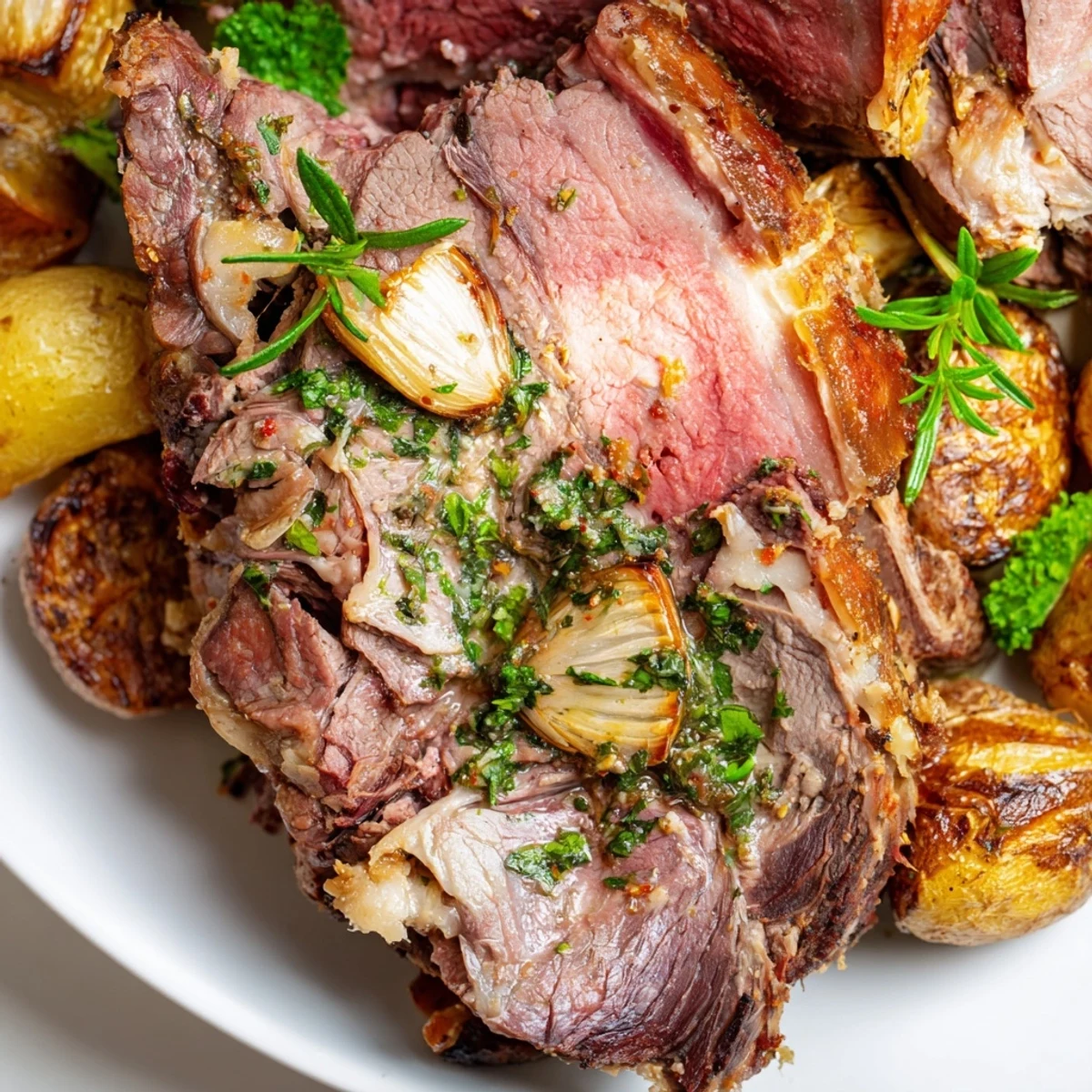
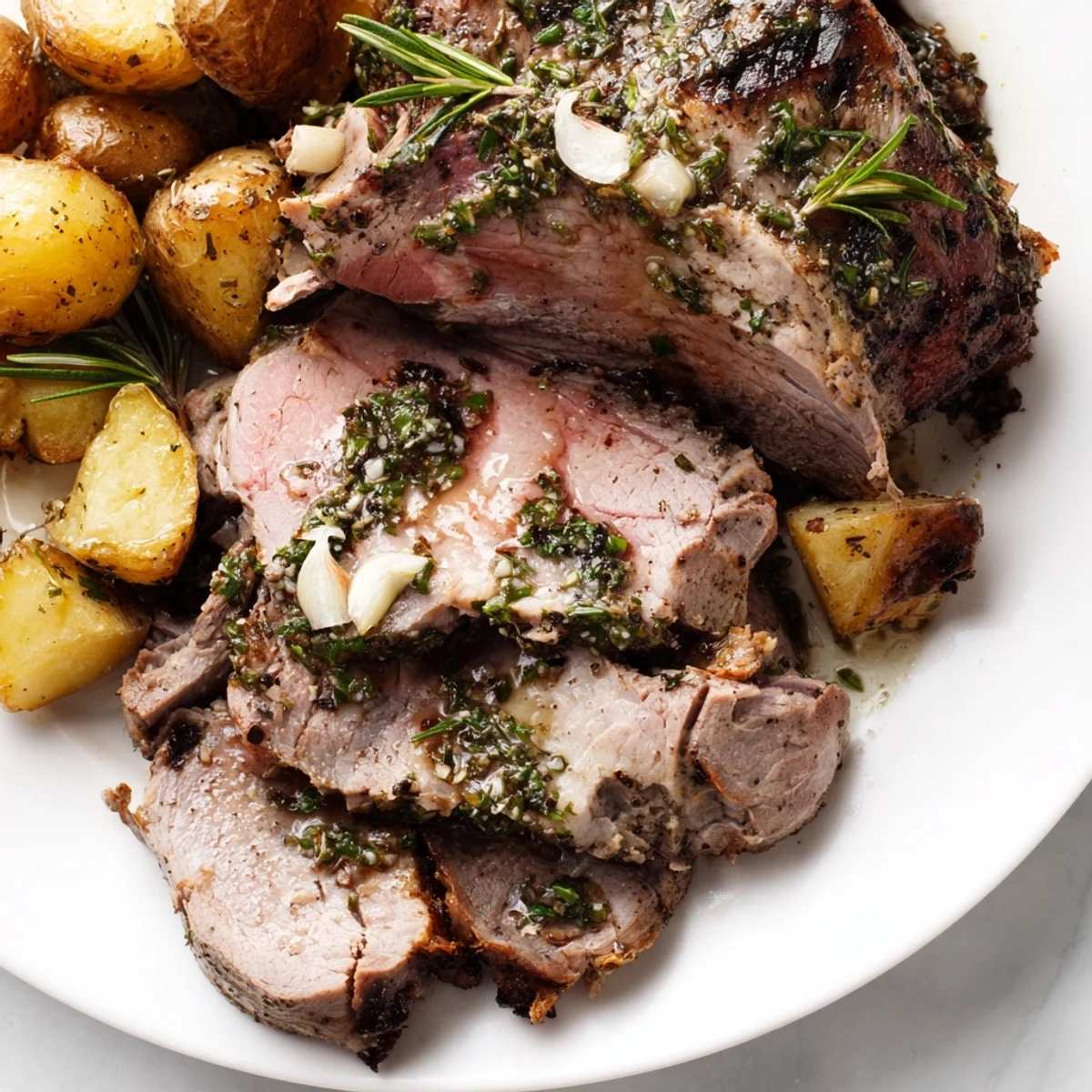
 This dish showcases a succulent leg of lamb, rubbed with garlic and fresh herbs, then roasted to juicy perfection. The accompanying fresh mint sauce, made with chopped mint, vinegar, and a touch of sweetness, brings a vibrant contrast to the savory meat. Ideal for festive occasions or relaxed Sunday lunches, it's balanced by optional roasted potatoes and steamed vegetables. A simple marinade enhances flavor and resting the lamb ensures tender slices. A flavorful and classic British main course that delights the senses.
There's something about the smell of lamb roasting with rosemary that stops you mid-conversation, makes you close your eyes for a second. I learned to make this during a chaotic Sunday when my sister showed up unannounced with her fiancé, and I had two hours to transform a leg of lamb into something that felt intentional, not panicked. It became the dish I reach for whenever I want people to linger at the table a little longer.
I'll never forget carving this lamb at a dinner party where someone asked if I'd bought it from a restaurant—the crust had turned this mahogany brown, the inside still pink and warm. My friend snuck a slice of mint sauce on the side of her plate like it was treasure, and suddenly everyone wanted to know how to make it at home. That's when I realized this recipe doesn't just feed people; it makes them remember the moment.
Ingredients
- Bone-in leg of lamb (1.8 kg/4 lb): The bone conducts heat evenly and adds flavor—don't skip it or opt for boneless unless you must.
- Garlic slices: Slicing rather than mincing keeps them intact so they roast into mild, sweet cloves instead of burning.
- Olive oil (2 tbsp): Just enough to help herbs cling and create a protective coating that turns golden.
- Sea salt and freshly ground black pepper: Coarse salt sticks better than fine; grind pepper fresh or the flavor disappears during the long roast.
- Fresh rosemary and thyme: Dried herbs taste dusty here—fresh leaves matter because they soften as they roast and become part of the crust.
- Fresh mint leaves (1 cup): Pick leaves that smell bright and almost peppery; spearmint works but garden mint is more complex.
- Granulated sugar (2 tbsp): This balances the vinegar and prevents the sauce from tasting like an assault, making it almost sweet.
- Boiling water and white wine vinegar: The water dissolves the sugar and gently cooks the mint while vinegar adds the sharp note that wakes up your palate.
Instructions
- Heat your oven and prepare the lamb:
- Preheat to 200°C (400°F). Pat the lamb completely dry with paper towels—moisture on the surface prevents browning and keeps it from forming that crucial crust. Any dampness works against you here.
- Make strategic slits for garlic:
- Using a sharp knife, pierce the lamb in 8 to 10 places, angling the knife to create small pockets. Slide a garlic slice into each one until it disappears; the heat will turn the garlic creamy and mild while it seasons the meat from within.
- Season generously and evenly:
- Rub olive oil all over, then scatter salt, pepper, rosemary, and thyme so no patch is bare. Press the herbs so they stick; they'll crisp up and taste nutty as they roast, creating an herbed crust that's part of the whole experience.
- Start hot, finish gentle:
- Place the lamb in a roasting pan and roast uncovered at 200°C for 20 minutes until the outside browns. Lower the heat to 180°C and continue for about 1 hour, checking with a meat thermometer—aim for 60°C (140°F) for medium-rare that's still juicy.
- Rest the meat before carving:
- Remove from the oven and loosely cover with foil for 15 minutes; this pause lets the juices redistribute so every bite stays tender instead of weeping onto the plate. Resist the urge to skip this step.
- Build the mint sauce while lamb rests:
- Dissolve sugar in 1/3 cup boiling water, then stir in the finely chopped mint, vinegar, and a pinch of salt. Let it sit for at least 10 minutes so the mint steeps and the flavors marry into something balanced and bright.
- Carve and serve:
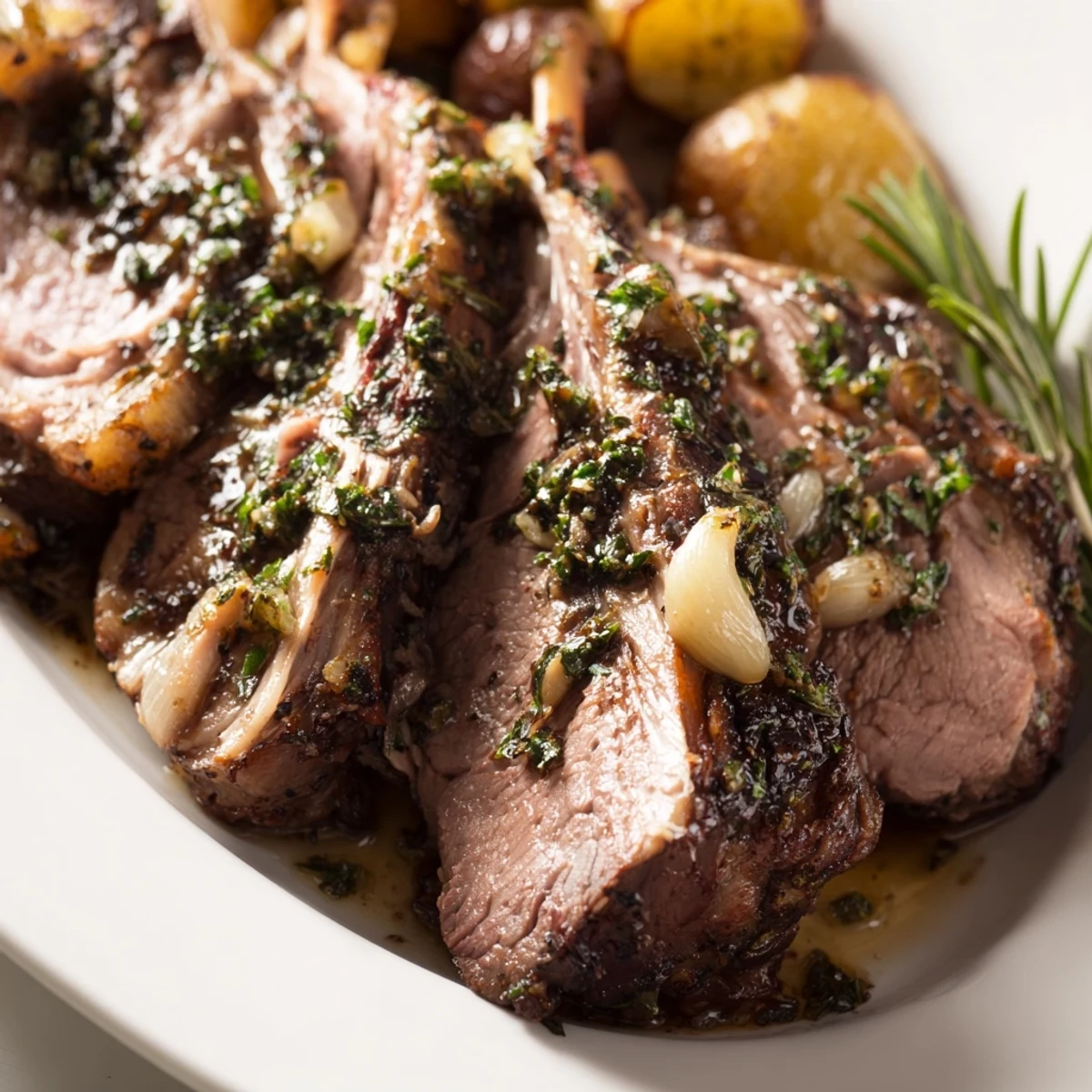
- Slice the lamb against the grain so each piece is tender. Pour the sauce into a small bowl and let guests add what they like, which always tastes better than pre-dressed lamb.
 Save to Pinterest
 The first time someone tasted this and asked for the recipe before finishing their plate, I understood that good cooking isn't about technique alone—it's about creating a moment people want to repeat. This lamb became the centerpiece of quiet Sunday dinners and celebration dinners alike, the thing I make when I want to feel like I'm taking care of people properly.
Temperature and Timing Matters
Getting the internal temperature right is the difference between tender and tough, and a meat thermometer is the most honest tool you'll own. Insert it into the thickest part of the leg without touching bone, and trust the numbers more than your instincts—55°C (130°F) gives you a rare interior with rosy warmth, 60°C (140°F) is medium-rare and my preference, and 70°C (160°F) is well-done if that's what your guests prefer. Every degree matters, and the lamb will continue cooking slightly after you remove it from the oven.
The Magic of Fresh Herbs
I've made this with dried herbs out of necessity and learned that fresh herbs create an entirely different dish. The rosemary and thyme smell green and alive as they roast, almost floral, and they cling to the surface creating a crust that tastes herbaceous rather than flat. When you run your fingers through fresh herbs before using them, they release oils that dried herbs never quite recover, and that difference is noticeable on the plate.
Make It Your Own
This recipe welcomes small changes once you understand the fundamentals. Some people add a splash of red wine to the pan halfway through roasting, others include a bay leaf in the mint sauce, and I've seen beautiful versions where juniper berries replace some of the thyme. The foundation stays solid while the details can shift with what's in your garden or what you're craving that day.
- For overnight marinating, mix the oil, herbs, and garlic into a paste and coat the lamb the evening before, letting the flavors deepen while you sleep.
- Pair this with roasted potatoes that have caught the lamb drippings, or steamed green vegetables that benefit from the bright mint sauce.
- Leftover mint sauce is wonderful with roasted chicken, stirred into yogurt, or drizzled over roasted vegetables the next day.
 Save to Pinterest
 This is the kind of meal that reminds you why you cook, why you gather people around a table, why a perfectly simple thing done with attention tastes like love. Once you've made it once, you'll make it again.