
 Save to Pinterest
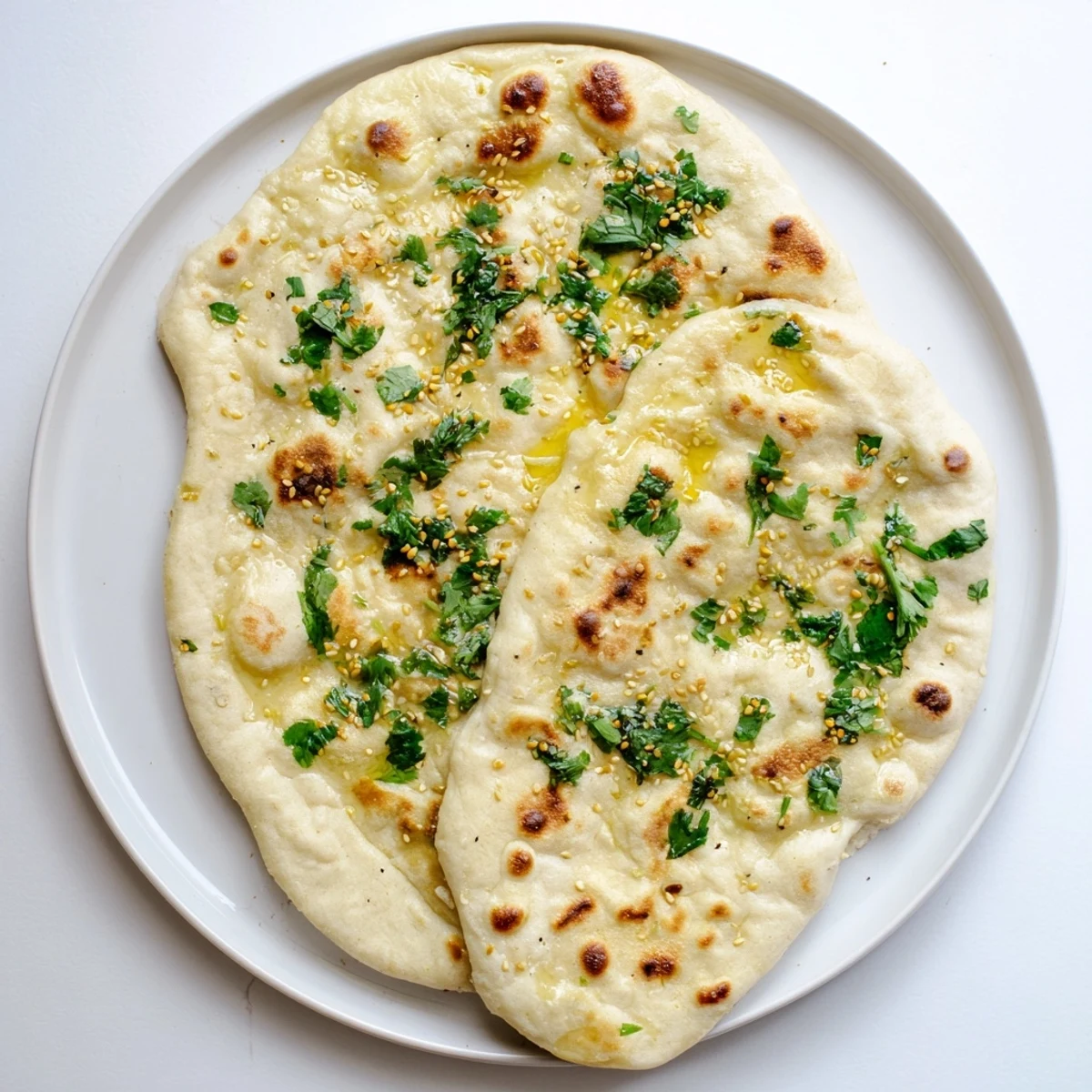
 Create pillowy, tender Indian flatbread using your sourdough discard. This soft naan combines yogurt, melted butter, and active leavening agents for a dough that rises beautifully. The result is an oval-shaped bread with golden bubbles, perfect for scooping up curries or serving alongside your favorite dishes. Each piece gets brushed with melted butter after cooking for added richness and can be customized with garlic, cilantro, or nigella seeds.
The smell of a hot cast iron pan hitting raw dough is something you never forget once you have heard it that sharp sizzle, the way the edges curl up and blister. My sourdough discard jar was overflowing on a Tuesday afternoon and I had leftover dal bubbling on the stove, so naan just made sense. What came out of that pan was so soft and puffy that I ate two standing at the counter before the dal even made it to a bowl.
I made a double batch for a friend who claimed she did not like homemade bread, and she quietly packed three into a napkin before leaving. That was all the proof I needed.
Ingredients
- Sourdough discard (1 cup, unfed, 100% hydration): This is the soul of the recipe, giving the naan depth and a slight sourness that pairs perfectly with rich curries.
- All-purpose flour (2 1/4 cups): You want standard AP flour here, not bread flour, because tenderness matters more than chew.
- Plain yogurt (1/2 cup): Keeps the dough soft and adds a gentle richness, whole milk yogurt works best.
- Melted butter or neutral oil (2 tbsp): Fat in the dough makes it pliable and keeps it from drying out.
- Sugar (2 tsp): Just enough to feed the wild yeast and balance the tang without making anything sweet.
- Salt (1 tsp): Essential, do not skimp or the flatbread will taste flat.
- Baking powder (1/2 tsp) and baking soda (1/4 tsp): The dual leavening gives you those beautiful bubbles in the pan.
- Warm water (2 to 4 tbsp, as needed): Every discard is different in hydration, so add gradually until the dough feels right.
- Melted butter for brushing (2 tbsp): This finishing touch is non-negotiable, it soaks in and keeps everything pillowy.
- Optional toppings (cilantro, garlic, nigella seeds): Choose one or pile them all on, each one transforms a plain naan into something memorable.
Instructions
- Build the wet mixture:
- In a large bowl, whisk the sourdough discard, yogurt, sugar, melted butter, salt, baking powder, and baking soda until smooth and bubbly on the surface.
- Bring in the flour:
- Add the flour gradually, stirring with a spoon or your hand until a shaggy, uneven dough comes together.
- Adjust the hydration:
- Sprinkle in warm water one tablespoon at a time, feeling for a dough that is soft and slightly tacky but not clinging to your fingers.
- Knead until smooth:
- Turn the dough onto a floured surface and knead gently for two to three minutes until it feels like a soft pillow under your palms.
- Let it rest and rise:
- Place the dough in a greased bowl, cover with a damp towel, and leave it in a warm spot for one to two hours until puffed and relaxed.
- Shape the portions:
- Divide into eight equal pieces, roll each into a smooth ball, and let them sit for five minutes so the gluten relaxes.
- Roll them out:
- On a lightly floured surface, roll each ball into an oval or teardrop shape about a quarter inch thick, dusting with just enough flour to prevent sticking.
- Get the pan screaming hot:
- Heat your cast iron skillet over medium-high heat until a drop of water dances and evaporates within seconds.
- Cook and watch the magic:
- Lay a naan in the dry pan and watch for bubbles to form across the surface, then flip when the bottom is golden with dark spots, about one to two minutes per side.
- Brush and garnish immediately:
- The moment each naan leaves the pan, brush it generously with melted butter and sprinkle on your toppings while the surface is still hot and receptive.
- Keep them warm and serve:
- Stack cooked naans in a clean towel to keep them soft and warm, and serve as soon as possible for the best texture.
 Save to Pinterest
 One rainy evening I wrapped a stack of these in a kitchen towel and carried them next door to my neighbor who had just had a baby. She texted me at midnight saying she ate all four with her fingers standing in the kitchen.
Making It Your Own
Garlic butter is the obvious upgrade but I urge you to try nigella seeds at least once. They have an earthy, almost onion-like flavor that turns plain naan into something you would pay good money for at a restaurant.
Storing and Reheating
These are at their absolute best within an hour of cooking but they reheat surprisingly well in a hot dry pan for about thirty seconds per side. I have also frozen them in zip bags with parchment between layers and they thaw beautifully.
The difference between good naan and great naan is all in the dough consistency, which took me several batches to truly understand. Your dough should feel like a soft cheek, not a firm ball. Here are the small adjustments that make a big difference.
- If the dough springs back aggressively when you roll it, let it rest five more minutes.
- A touch more yogurt can rescue dough that feels dry without making it sticky.
- Always cover resting dough with a damp towel, not plastic wrap, to keep the surface from crusting over.
 Save to Pinterest
 Once you have made naan from your own sourdough discard, the store-bought version will never satisfy you again. Keep that jar fed and happy, because dinner is always better with warm bread on the side.
Recipe Questions & Answers
- → What makes this naan pillowy and tender?
-
The combination of yogurt, melted butter, and dual leavening from baking powder plus baking soda creates an exceptionally tender dough. The sourdough discard adds both moisture and subtle tang while contributing to the soft texture.
- → Can I make this without a cast iron skillet?
-
Yes, any heavy-bottomed skillet or nonstick pan works well. The key is getting the pan very hot before adding the dough. A lighter pan may require slightly adjusted heat to maintain the right temperature for proper bubbling and browning.
- → Why does the dough need to rise for 1-2 hours?
-
The resting period allows the flour to fully hydrate and gives the leavening agents time to work. Even though the dough may not double completely, this relaxation period makes rolling easier and contributes to the characteristic air pockets in the finished naan.
- → How do I store leftover naan?
-
Naan is best served fresh but can be stored in an airtight container at room temperature for 1-2 days. Reheat in a hot skillet for 30 seconds per side to restore warmth and softness. Avoid refrigerating as this can make the bread tough.
- → Can I freeze the dough or baked naan?
-
You can freeze baked naan for up to 2 months. Wrap individually in plastic and thaw at room temperature before reheating. For freezing dough, shape into balls after the first rise, freeze on a tray, then transfer to a bag. Thaw overnight in the refrigerator before rolling and cooking.
- → What's the best way to get those golden bubbles?
-
A very hot pan is essential—the dough should start bubbling within seconds of hitting the surface. Don't flip too early; wait until you see golden brown spots and distinct bubbles form on the bottom side, then cook briefly on the second side just to set the top.