
 Save to Pinterest
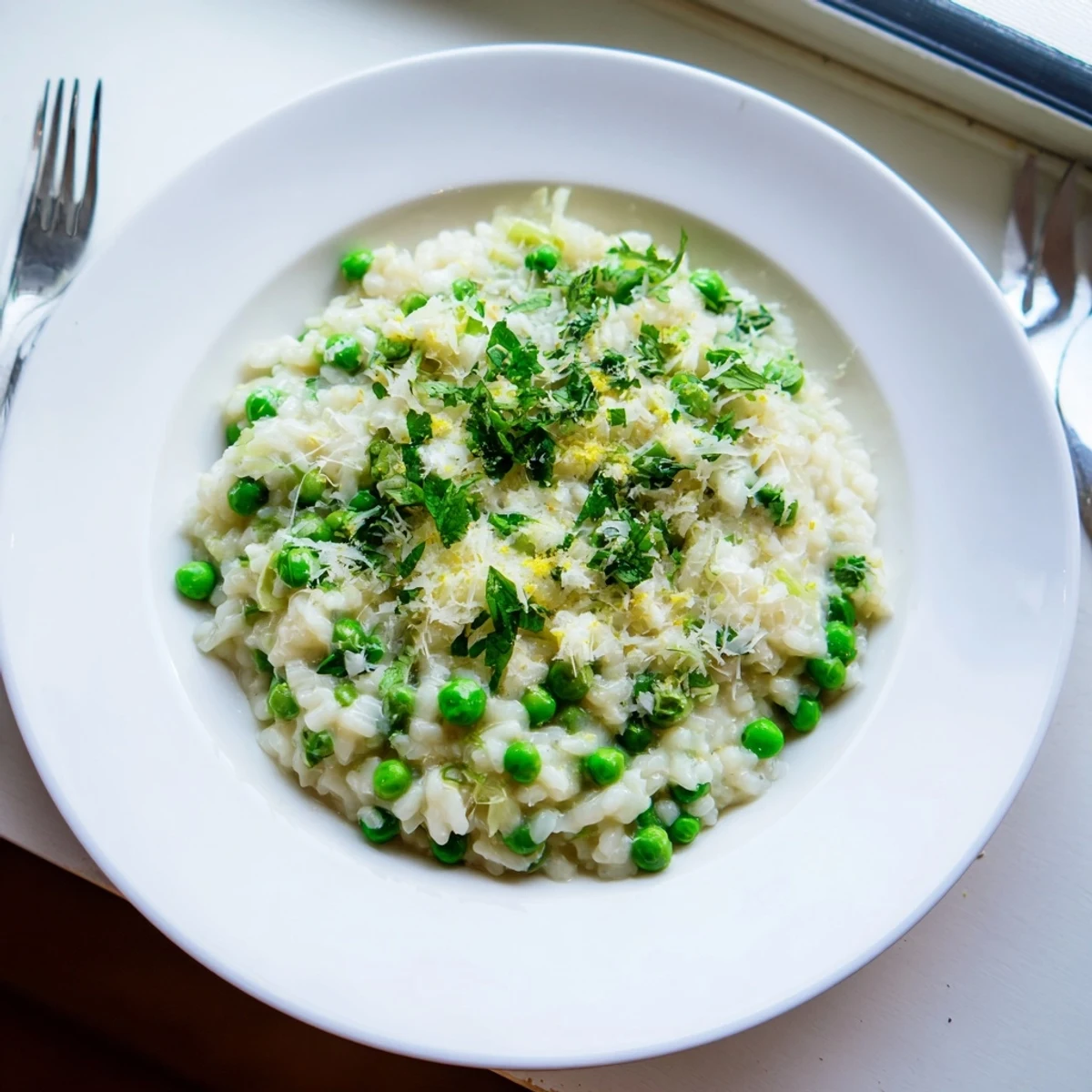
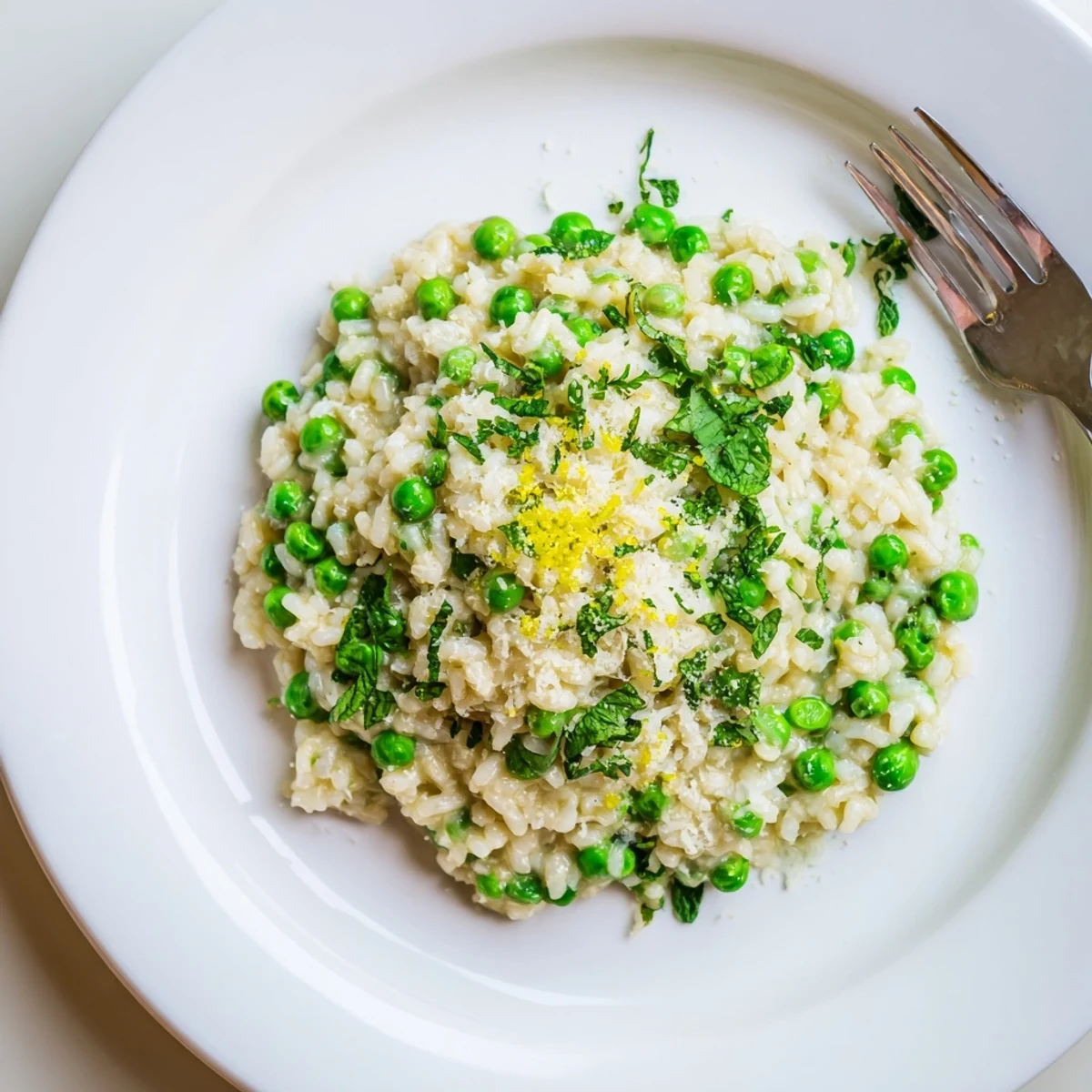
 This vibrant Italian dish transforms Arborio rice into a luxuriously creamy texture through the traditional slow-cooking method. Sweet spring peas bring freshness and color, while Parmesan adds rich umami depth. Fresh herbs like parsley and mint brighten each bite, making this an ideal choice for light yet satisfying spring dining.
The first time I made risotto, I stood at the stove stirring for what felt like hours, wondering if I was doing it wrong. My husband kept wandering into the kitchen, drawn by the smell of garlic and onions hitting the butter, asking if it was ready yet. Now this spring pea version has become our go-to when we want something that feels fancy but actually comes together in under an hour.
Last spring I made this for a dinner party when fresh peas were popping up at the farmers market. Everyone stood around the island while I stirred in the final butter and Parmesan, the kitchen filling with that incredible aroma of fresh herbs and warm rice. My friend Sarah, who swore she hated risotto, went back for seconds and took home the recipe card.
Ingredients
- 1 1/2 cups Arborio rice: This short-grain rice is essential for risotto because it releases starch as it cooks, creating that signature creamy texture. Regular rice just does not give you the same result.
- 4 cups vegetable broth: Keep it warm in a separate pot so adding cold broth does not shock the rice and interrupt the cooking process. Homemade broth tastes best but store-bought works perfectly fine.
- 1 cup fresh or frozen spring peas: Fresh peas are incredible when they are in season, but frozen peas work beautifully here too. They add pops of sweetness and bright green color throughout the dish.
- 1 small onion, finely chopped: The foundation of flavor. Take your time cooking it until it is translucent but not browned, which creates a sweeter, more delicate base for the risotto.
- 2 cloves garlic, minced: Add this after the onion has softened so it does not burn. Fresh garlic makes such a difference compared to jarred versions.
- 1/2 cup dry white wine: This deglazes the pan and adds acidity to balance the richness. Use something you would actually drink, like a Sauvignon Blanc or Pinot Grigio.
- 3 tablespoons unsalted butter, divided: One tablespoon starts the risotto, and the remaining two get stirred in at the end for that luxurious finish. Room temperature butter melts more evenly.
- 1/2 cup grated Parmesan cheese: Freshly grated makes all the difference for texture and melting. The salty, nutty flavor ties everything together beautifully.
- 2 tablespoons fresh parsley, finely chopped: Adds fresh, herbaceous notes that brighten the whole dish. Flat-leaf parsley has more flavor than curly varieties.
- 1 tablespoon fresh mint, finely chopped: An optional addition that pairs surprisingly well with peas, adding a cool, refreshing contrast to the warm, creamy rice.
- 2 tablespoons olive oil: Helps prevent the butter from burning when you are sautéing the aromatics and gives the rice a nice coating before the wine goes in.
- Salt and freshly ground black pepper: Taste and adjust at the end since the Parmesan and broth already bring saltiness to the dish.
- Zest of 1 lemon: This optional addition brightens everything up and makes the flavors sing, especially on warm spring days.
Instructions
- Warm your broth:
- Pour the vegetable broth into a medium saucepan and bring it to a gentle simmer over low heat. Keep it warm throughout the cooking process, as adding hot broth maintains the rice is cooking temperature.
- Sauté the aromatics:
- Heat the olive oil and 1 tablespoon butter in a large, heavy-bottomed skillet over medium heat. Add the chopped onion and cook for 2 to 3 minutes until it becomes translucent and fragrant.
- Add the garlic:
- Stir in the minced garlic and cook for just 1 minute until it becomes aromatic. Be careful not to let it brown or it will turn bitter.
- Toast the rice:
- Add the Arborio rice to the pan and stir constantly for 2 minutes. The grains should look slightly translucent around the edges and smell nutty, which helps them hold their texture during cooking.
- Deglaze with wine:
- Pour in the white wine and stir until it is nearly completely absorbed, about 1 to 2 minutes. This step adds flavor and helps release any browned bits from the bottom of the pan.
- Begin adding broth:
- Add one ladleful of warm broth, about 1/2 cup, to the rice. Stir gently and wait until most of the liquid is absorbed before adding the next ladleful. This slow process releases the rice is natural starch.
- Continue the rhythm:
- Keep adding broth one ladle at a time, stirring often to prevent sticking. Continue this for 18 to 20 minutes until the rice is creamy but still has a slight bite in the center.
- Add the peas:
- About 5 minutes before the rice is finished, stir in the peas. They only need a few minutes to cook through and stay bright green. If using frozen peas, they may need even less time.
- Finish with butter and cheese:
- Remove the pan from heat and stir in the remaining 2 tablespoons butter, Parmesan cheese, parsley, and mint if using. Add the lemon zest now and season with salt and pepper to taste.
- Serve immediately:
- Spoon the risotto into warmed bowls and top with extra Parmesan and fresh herbs. Risotto waits for no one, so enjoy it right away while it is at its creamiest.
 Save to Pinterest
 There is something meditative about making risotto once you get into the groove. The rhythm of adding broth and stirring becomes almost relaxing, and the way the kitchen starts to smell better with each ladleful is its own reward.
Making It Your Own
While this version celebrates spring peas, the technique works with so many vegetables depending on the season. Asparagus in spring, zucchini in summer, butternut squash in fall, each brings something special to the bowl.
The Wine Question
The wine in risotto serves a real purpose beyond just adding flavor. The acidity helps balance the richness of all that butter and cheese, while the alcohol evaporates and leaves behind subtle notes that deepen the overall taste profile.
Leftover Wisdom
Day-old risotto makes incredible arancini, those crispy fried rice balls that everyone loves. Form the cold risotto into small rounds, coat with breadcrumbs, and fry until golden. They are even better than the original.
- Scoop any leftover risotto onto a baking sheet to cool quickly before refrigerating
- Store in an airtight container for up to 2 days, though it rarely lasts that long
- Reheat with a splash of broth to bring back the creamy consistency
 Save to Pinterest
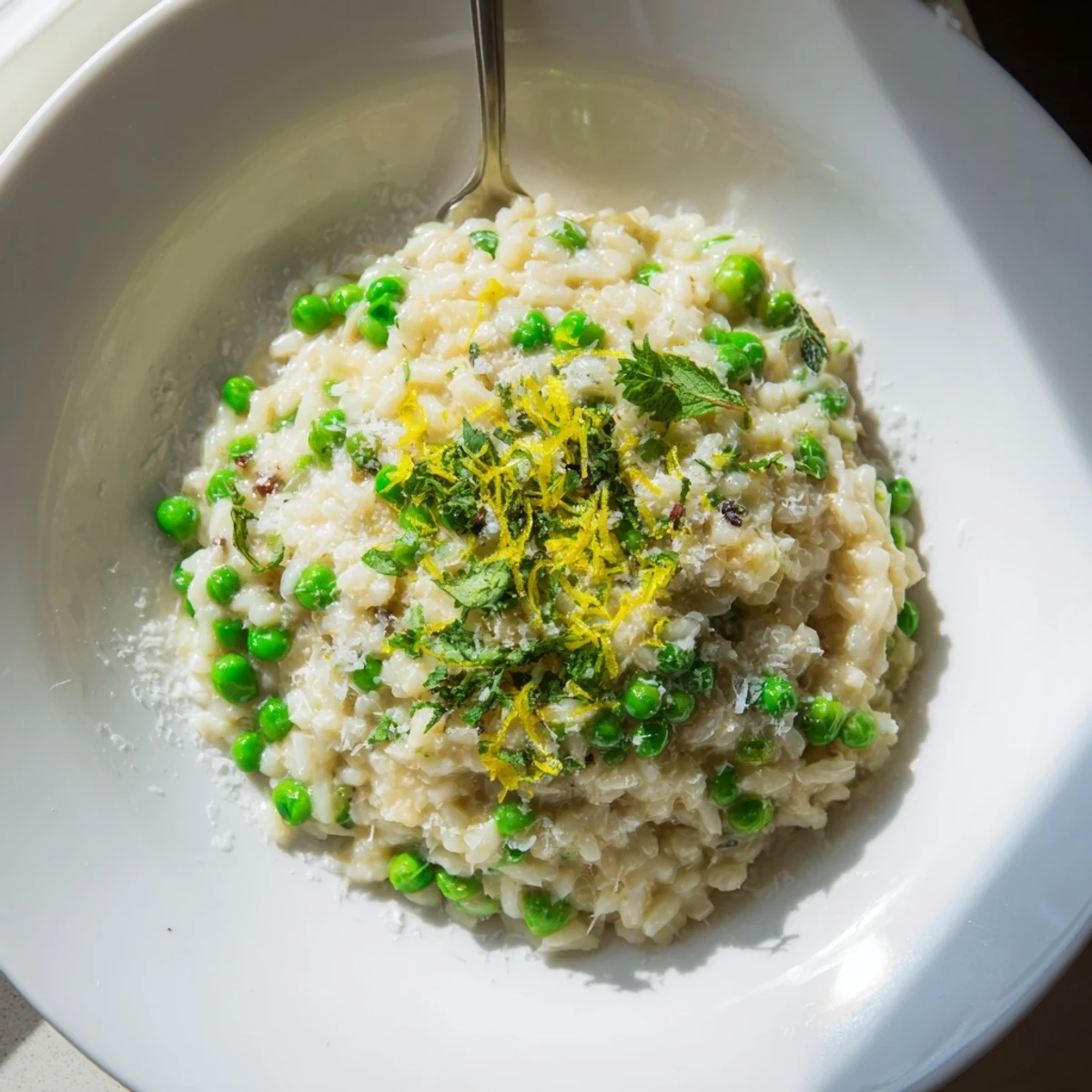
 This risotto has become one of those recipes I can make without even thinking, the kind of comfort food that feels like a hug in a bowl. Hope it brings that same warmth to your table too.
Recipe Questions & Answers
- → What makes risotto creamy?
-
The creaminess comes from slowly releasing Arborio rice's natural starch during gradual broth addition. Constant stirring helps achieve that signature velvety texture without adding heavy cream.
- → Can I use frozen peas instead of fresh?
-
Absolutely. Frozen peas work perfectly and actually maintain their sweetness well. Add them during the final 5 minutes of cooking to preserve texture and vibrant green color.
- → Why must the broth be warm?
-
Adding cold broth shocks the rice, interrupting the cooking process and affecting creaminess. Warm broth maintains steady temperature for even, consistent results throughout preparation.
- → How do I know when risotto is done?
-
Taste the rice—it should be tender but still retain a slight bite in the center (al dente). The texture should be flowing and creamy, not soupy or stiff. This typically takes 18-20 minutes.
- → Can I make this vegan?
-
Yes. Replace butter with vegan alternative and Parmesan with nutritional yeast or plant-based cheese. The technique remains identical, resulting in equally delicious results.
- → What wine works best?
-
Dry white wine like Pinot Grigio or Sauvignon Blanc complements the delicate pea flavor. Avoid oaky wines—they can overpower fresh, spring ingredients.