
 Save to Pinterest
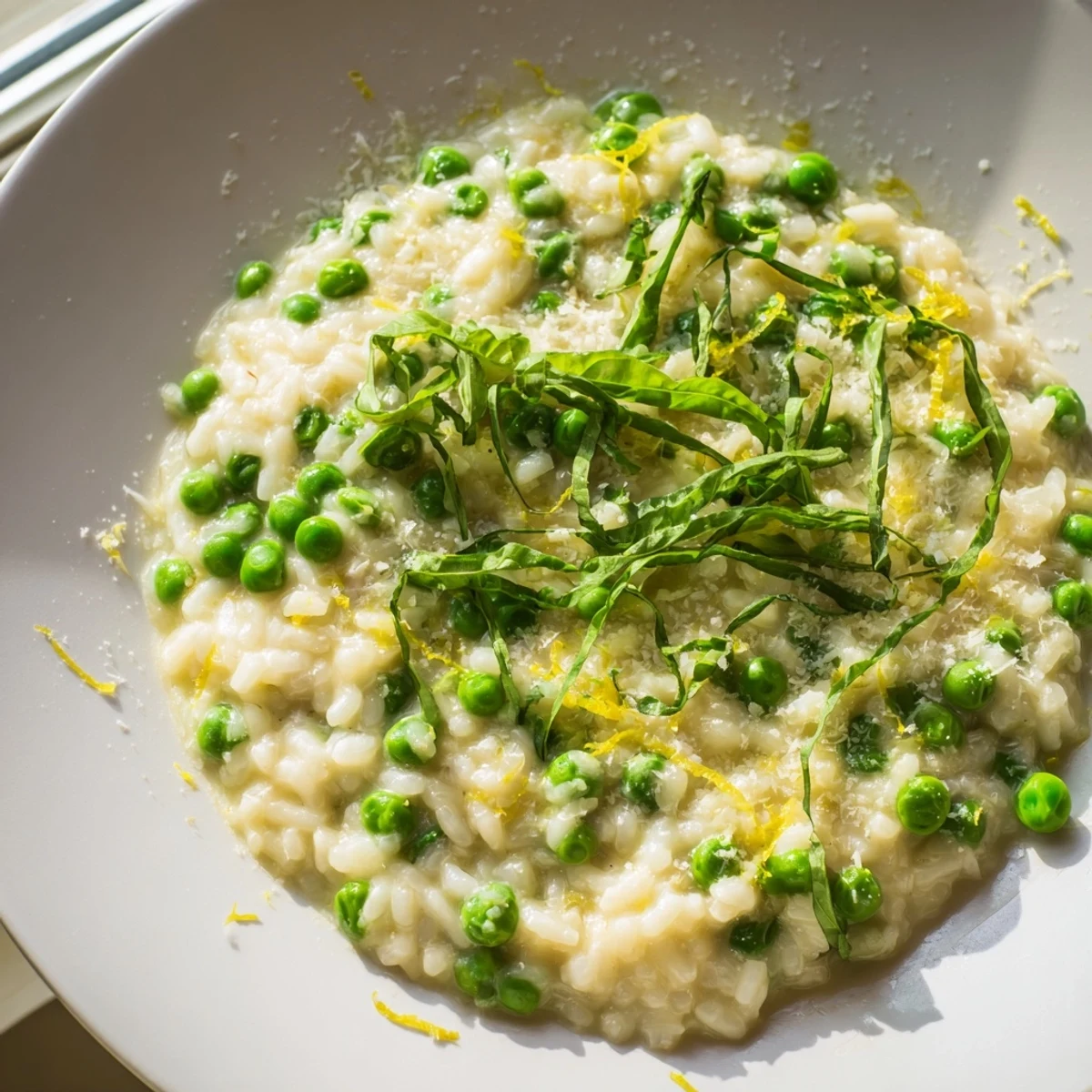
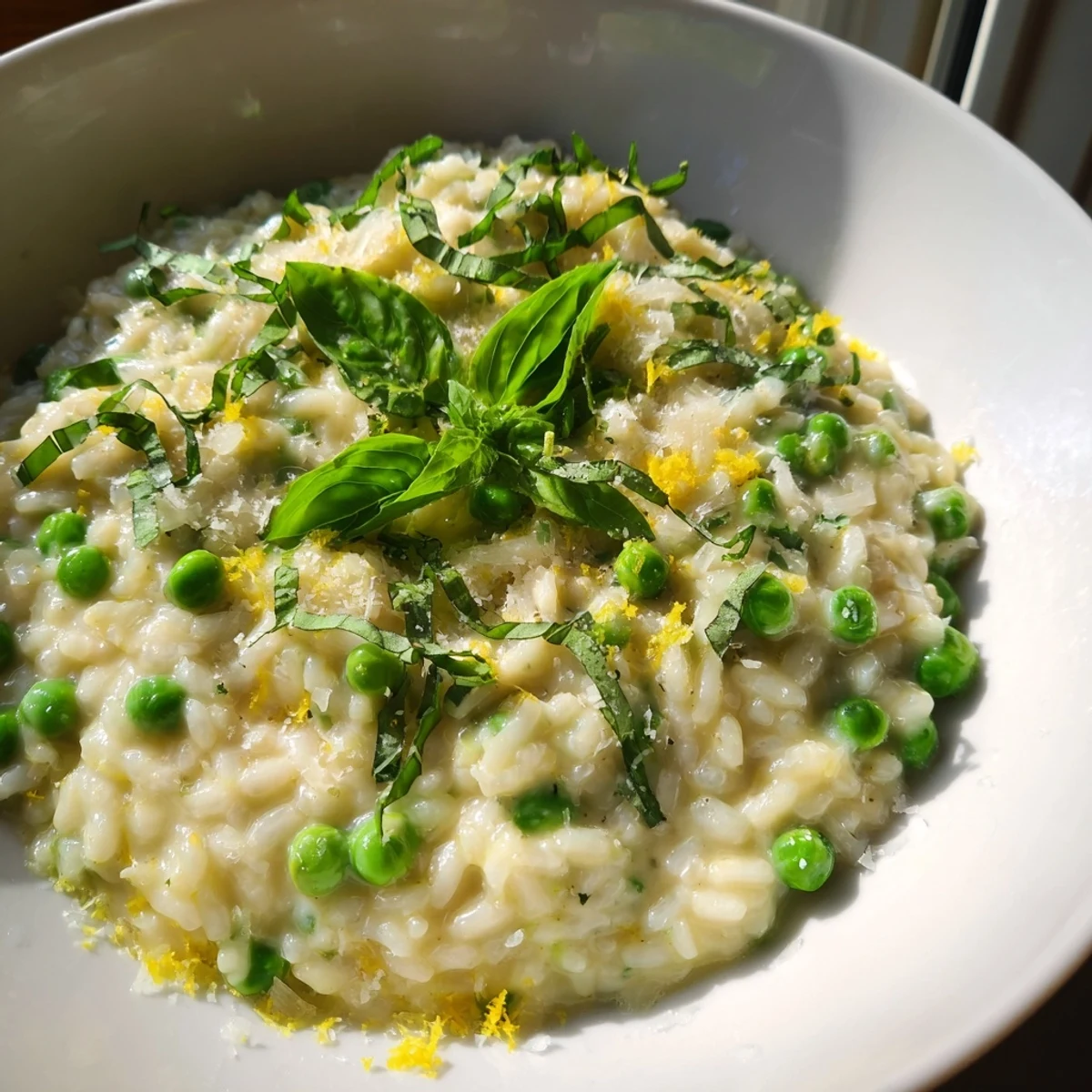
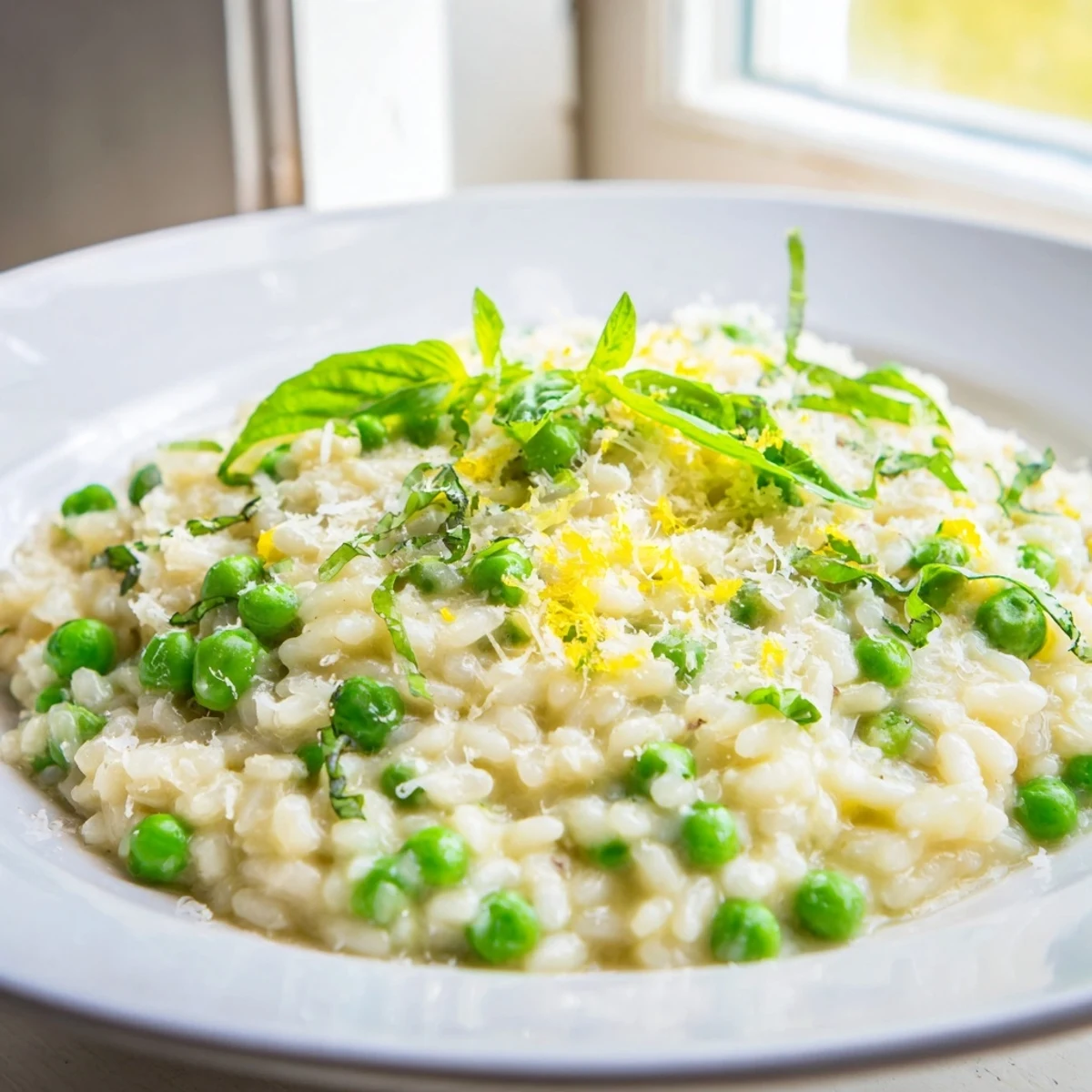
 This vibrant Italian dish transforms creamy Arborio rice into a luxurious base for sweet spring peas, nutty Parmesan, and fragrant fresh basil. The traditional risotto method achieves perfectly tender grains with a velvety texture that comes from slowly incorporating warm vegetable broth while stirring constantly.
The finishing touches of lemon zest and juice brighten the rich flavors, while optional heavy cream adds an extra layer of indulgence. This vegetarian main dish serves four and comes together in just 45 minutes, making it elegant enough for entertaining yet simple enough for weeknight dinners.
Fresh peas shine during spring months, though high-quality frozen peas work beautifully year-round. The dish pairs perfectly with crisp white wine like Sauvignon Blanc or Pinot Grigio, and can be easily adapted for vegan diners with plant-based alternatives.
The first time I made risotto properly, I stood at the stove stirring what felt like an endless pot of rice for forty minutes straight. My arm actually ached the next day, but that first spoonful—creamy, rich, with grains suspended in this perfect emulsion—changed everything about how I thought about rice dishes. Now spring pea risotto has become my go-to when I want something that feels fancy but comes together with ingredients I usually have in the pantry anyway.
Last spring I made this for friends who swore they hated risotto because it was too heavy. Something about the bright green peas and that hit of lemon at the end completely changed their minds—they went back for seconds and actually asked for the recipe before even leaving the table.
Ingredients
- Arborio rice: This short-grain rice releases all that starch into the broth creating that signature creamy texture without actually needing cream
- Warm vegetable broth: Keep it simmering on a back burner because adding cold broth shocks the rice and ruins the texture
- Olive oil and butter: Using both gives you flavor from the butter but a higher smoke point from the oil
- Yellow onion: Finely diced so it practically melts into the rice as everything cooks down together
- Garlic: Minced fresh adds that aromatic base that makes the whole kitchen smell incredible
- Spring peas: Fresh ones when you can find them but honestly frozen work perfectly fine here
- Parmesan cheese: freshly grated because the pre-grated stuff just doesnt melt the same way into the hot rice
- Heavy cream: Totally optional but pushes it over the edge into something truly decadent
- Fresh basil: Added at the very end so it stays bright and fragrant instead of wilting into something sad
- Lemon zest and juice: This is what cuts through all the richness and makes each bite feel somehow lighter
- Salt and pepper: Season gradually and taste as you go because the Parmesan already brings a lot of salt
Instructions
- Warm the broth:
- Keep the vegetable broth at a gentle simmer in a separate pan so its ready when you need it
- Sauté the aromatics:
- Cook the onion in olive oil and butter until it turns translucent then add the garlic for just one minute so it doesnt burn
- Toast the rice:
- Stir the Arborio rice constantly for about two minutes until the grains look slightly opaque around the edges
- Add broth gradually:
- Pour in one ladle at a time stirring frequently until each addition is almost completely absorbed before reaching for more
- Add the peas:
- When the rice is just barely al dente stir in the peas and cook for a few more minutes until theyre tender and bright
- Finish it off:
- Remove from heat and fold in the remaining butter Parmesan cream basil lemon zest and lemon juice
 Save to Pinterest
 There was this rainy Tuesday when I had nothing in the fridge but frozen peas and the end of a Parmesan wedge. This risotto saved dinner and somehow made a dreary evening feel a little bit special.
Making It Ahead
Risotto waits for no one so plan to serve it immediately but you can prep everything in advance. Have your broth warming and your vegetables diced before you start cooking.
Choosing Your Pan
A heavy bottomed skillet or Dutch oven distributes heat evenly and keeps everything at that steady gentle simmer you need. Thin pans will create hot spots that cook the rice unevenly.
Serving Suggestions
This risotto is substantial enough to stand alone as a main course but pairs beautifully with a simple green salad dressed with vinaigrette. A crisp white wine like Sauvignon Blanc cuts through the richness perfectly.
- Grate extra Parmesan at the table so everyone can add more to their liking
- A drizzle of good olive oil right before serving adds another layer of flavor
- Keep some extra basil leaves whole for garnish if you want it to look extra pretty
 Save to Pinterest
 Hope this brings a little taste of spring to your table no matter what season it actually is.
Recipe Questions & Answers
- → What makes risotto creamy without using cream?
-
The creaminess comes from slowly stirring warm broth into Arborio rice, which releases the rice's natural starches. This traditional technique creates a velvety texture without relying on heavy cream, though a small amount can be added for extra richness.
- → Can I use frozen peas instead of fresh?
-
Absolutely. High-quality frozen peas work wonderfully and are often sweeter than fresh peas available out of season. Simply add them during the last few minutes of cooking to maintain their bright color and tender texture.
- → How do I know when the risotto is done?
-
The rice should be al dente—tender but still slightly firm to the bite. The texture should be creamy and flowing, not stiff or dry. This typically takes 18–22 minutes of gradual broth addition and frequent stirring.
- → Can I make this risotto vegan?
-
Yes. Substitute olive oil or vegan butter for dairy butter, use vegan Parmesan alternative or nutritional yeast, and omit the heavy cream. The risotto will still be creamy and satisfying thanks to the starch-reduction technique.
- → What wine pairs well with this dish?
-
Crisp white wines like Sauvignon Blanc or Pinot Grigio complement the creamy texture and bright flavors. Their acidity cuts through the richness while enhancing the fresh basil and lemon notes.
- → How can I prevent the risotto from becoming gummy?
-
Keep the broth warm, add it gradually, and stir frequently but not constantly. This allows the rice to release starches slowly without breaking down too much. Also avoid overcooking—remove from heat when rice is al dente as it continues cooking off the heat.