
 Save to Pinterest
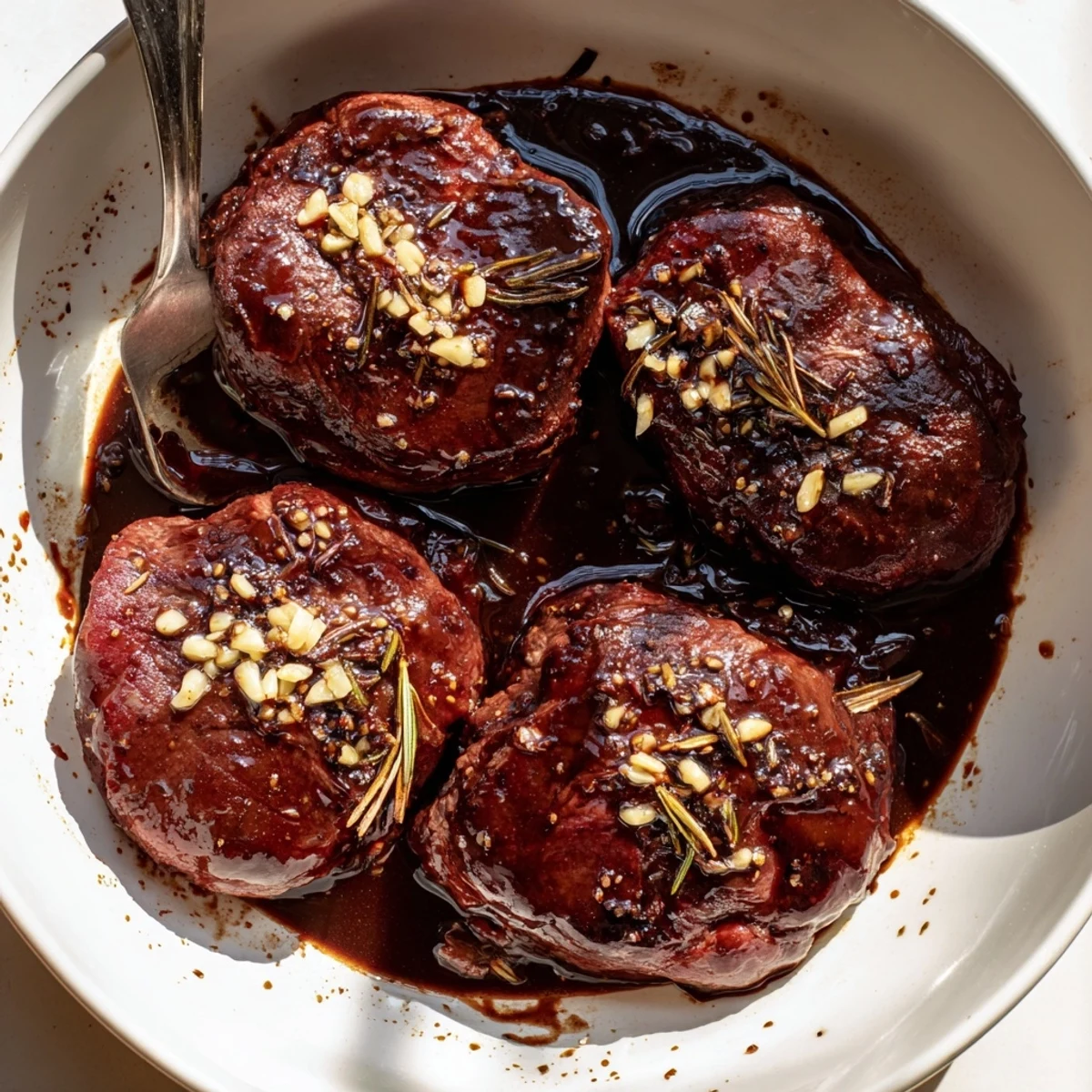
 This soy-and-balsamic blend with olive oil, Worcestershire, lemon, garlic, Dijon and brown sugar both flavors and gently tenderizes steaks. Whisk together, coat cuts, and refrigerate 2-24 hours for best depth. Discard used marinade before cooking, pat steaks dry for a strong sear, and let meat rest after cooking for juicier results. Swap honey for sugar or tamari for gluten-free needs.
Aromas really tell you how a steak will taste long before it hits the grill; this marinade first filled my kitchen with its bold, tangy promise on a rainy Tuesday when I needed dinner to feel more like an occasion. The sizzle of whisk on glass drew out the sharpness of Dijon and the earthy whisper of rosemary, and before I knew it, the day felt transformed. Sometimes, the simplest ingredients become unexpectedly luxurious the moment they come together. This steak marinade feels like a culinary secret passed along in a hurry, but with the power to turn any steak night into a little event.
There was a time our friends landed on the doorstep unannounced, just as I was debating takeout; instead, I pooled everything into this marinade, and we crowded around the kitchen island, laughing at how steak and stories sizzle best when expectations are low and appetites high.
Ingredients
- Soy sauce: Its saltiness is the backbone of the marinade, and I’ve found low-sodium works just as well for those watching salt.
- Olive oil: Gives the steak a rich mouthfeel and helps the flavors absorb—always whisk it in slowly for a silky emulsion.
- Worcestershire sauce: A dash brings complexity; don’t skip it if you crave punchy, savory depth.
- Balsamic vinegar: This underpins everything with gentle sweetness and a hint of tang—always use the real deal, not a cheap substitute.
- Lemon juice: Brightens and tenderizes, but fresh-squeezed makes all the difference, trust me.
- Garlic: Four cloves is just right—mincing them super fine lets their warmth permeate every inch of steak.
- Dijon mustard: Adds the right amount of zing and acts as an emulsifier so your flavors don’t separate.
- Brown sugar: Melts into the marinade and helps the steak caramelize beautifully; I once tried honey and loved the difference.
- Black pepper: Freshly ground packs more flavor, and you can add a touch more for a bolder finish.
- Rosemary: Whether dried or fresh, this herb cuts through the richness—chop fresh leaves fine so nothing feels woody.
- Onion powder: Lends a gentle backbone that brings it all together—never skip it; I learned the hard way.
Instructions
- Make the base:
- Whisk soy sauce, olive oil, Worcestershire sauce, balsamic vinegar, and lemon juice together in a medium mixing bowl until glossy and uniform.
- Add the aromatics:
- Drop in garlic, Dijon, brown sugar, black pepper, rosemary, and onion powder; whisk well until everything is perfectly blended and fragrant.
- Marinate the steak:
- Layer your steaks into a resealable bag or a shallow dish, then pour the marinade over to bathe each piece; it should feel like every surface is getting attention.
- Let flavors develop:
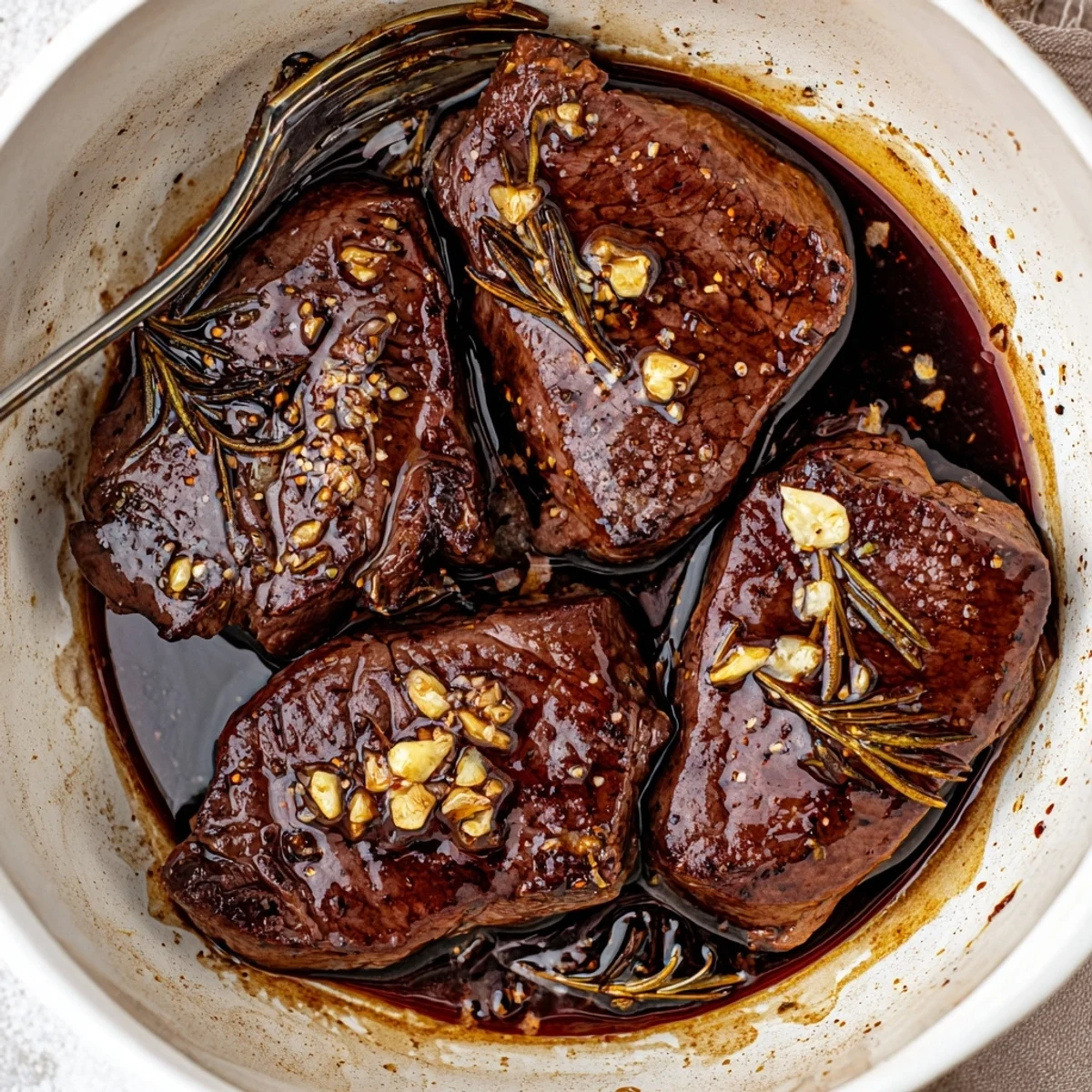
- Seal or cover, and chill in the fridge—2 hours is good, but anything up to 24 makes them extra tender; turn the steaks once or twice if you remember.
- Prep for cooking:
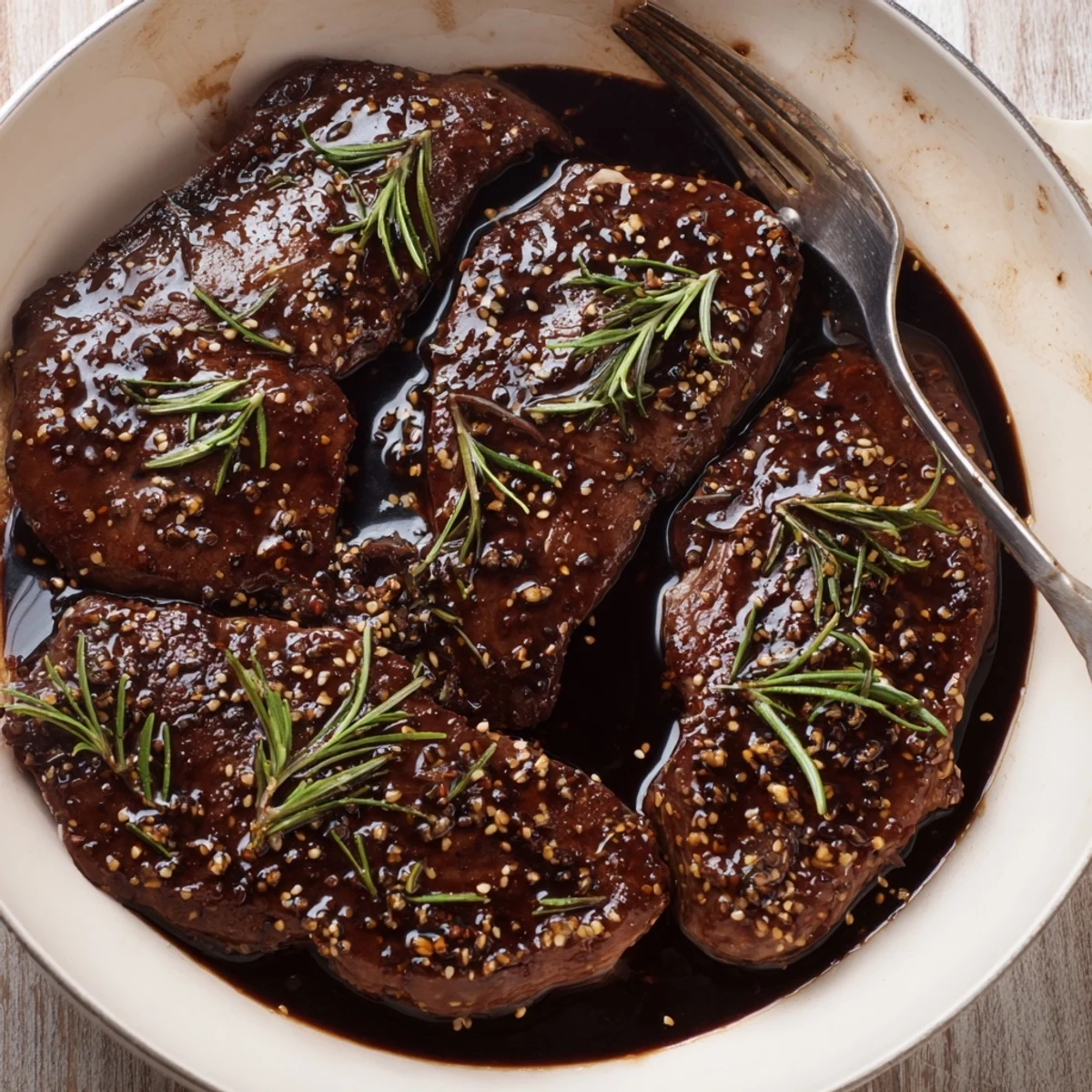
- Pluck out the steaks, pat them dry with paper towels, and discard the marinade; you’ll notice how supple and fragrant they’ve become. Grill, pan-sear, or broil as you like to your perfect doneness.
 Save to Pinterest
 Watching everyone reach for seconds around the table—steak juices mingling with the last lick of marinade on each plate—it dawned on me how good food sparks conversations that last far longer than dinner.
How to Adjust for Different Steaks
Working with ribeyes means shorter marination for maximum tenderness, but leaner cuts like sirloin appreciate every extra hour in the fridge soaking up flavor. If you’re feeding a crowd, slice up the steaks before marinating so each piece gets even coverage; just know you’ll need to cut back on marination time slightly. I once tried this method with chicken thighs too, and the results had everyone convinced it was made for more than just beef.
Choosing the Best Grilling Method
If the weather turns, I’ve found that broiling under a high heat gets an almost identical char to the grill—don’t let lack of outdoor space stop you. The smokiness of an outdoor grill is still unbeaten, so when the sun’s out, I lean into it, tongs in hand and anticipation high. And honestly, if forced to use a grill pan, adding an extra sprig of rosemary under the steak brings outside flavors in.
Kitchen Pivots and Helpful Reminders
Sometimes you’ll realize you’re out of fresh garlic—powder can pinch-hit, just reduce to 1 tsp and bloom it with the other dry spices to avoid any rawness. Replacing brown sugar with honey makes for a slightly stickier crust that caramelizes in an especially pleasing way. Before tossing leftovers, freeze any extra marinade in ice cube trays: perfect single-servings for your next impromptu steak night.
- If you don’t have Worcestershire, add a dash of soy sauce plus a splash of apple cider vinegar for backup.
- Always taste the marinade before adding to the meat—balance is easy to adjust early, impossible later.
- Label your marinating container with the finish time to avoid under- or over-marinating in the fridge shuffle.
 Save to Pinterest
 May this marinade turn your next steak night into an experience as savory as the memories it creates. Enjoy every bite and every moment around the table.
Recipe Questions & Answers
- → How long should I marinate steak for best texture?
-
Marinate at least 2 hours and up to 24 hours. Shorter times add surface flavor, while longer marination lets acids and enzymes penetrate for improved tenderness—avoid much longer to prevent mushy texture.
- → Can I use this mix on other proteins?
-
Yes. The balance of acid, oil and aromatics suits pork chops and chicken breasts; reduce marination time for delicate poultry to avoid over-tenderizing.
- → What swap can I use to make it gluten-free?
-
Replace regular soy sauce with tamari and choose a gluten-free Worcestershire alternative. Always check labels for hidden gluten in bottled sauces.
- → Is it safe to reuse the marinade?
-
Discard any marinade that has contacted raw meat. If you want a sauce, reserve a portion before adding raw steak or boil used marinade vigorously for several minutes to kill bacteria.
- → How do I get a better sear after marinating?
-
Pat steaks dry with paper towels to remove excess marinade, bring meat closer to room temperature, and use a very hot grill or skillet with a touch of oil to achieve a crisp, caramelized crust.
- → What flavor tweaks work well with this mix?
-
Add crushed red pepper for heat, swap honey for brown sugar for floral sweetness, or increase lemon for brighter acidity. Fresh rosemary boosts aromatic depth compared to dried.