 Save to Pinterest
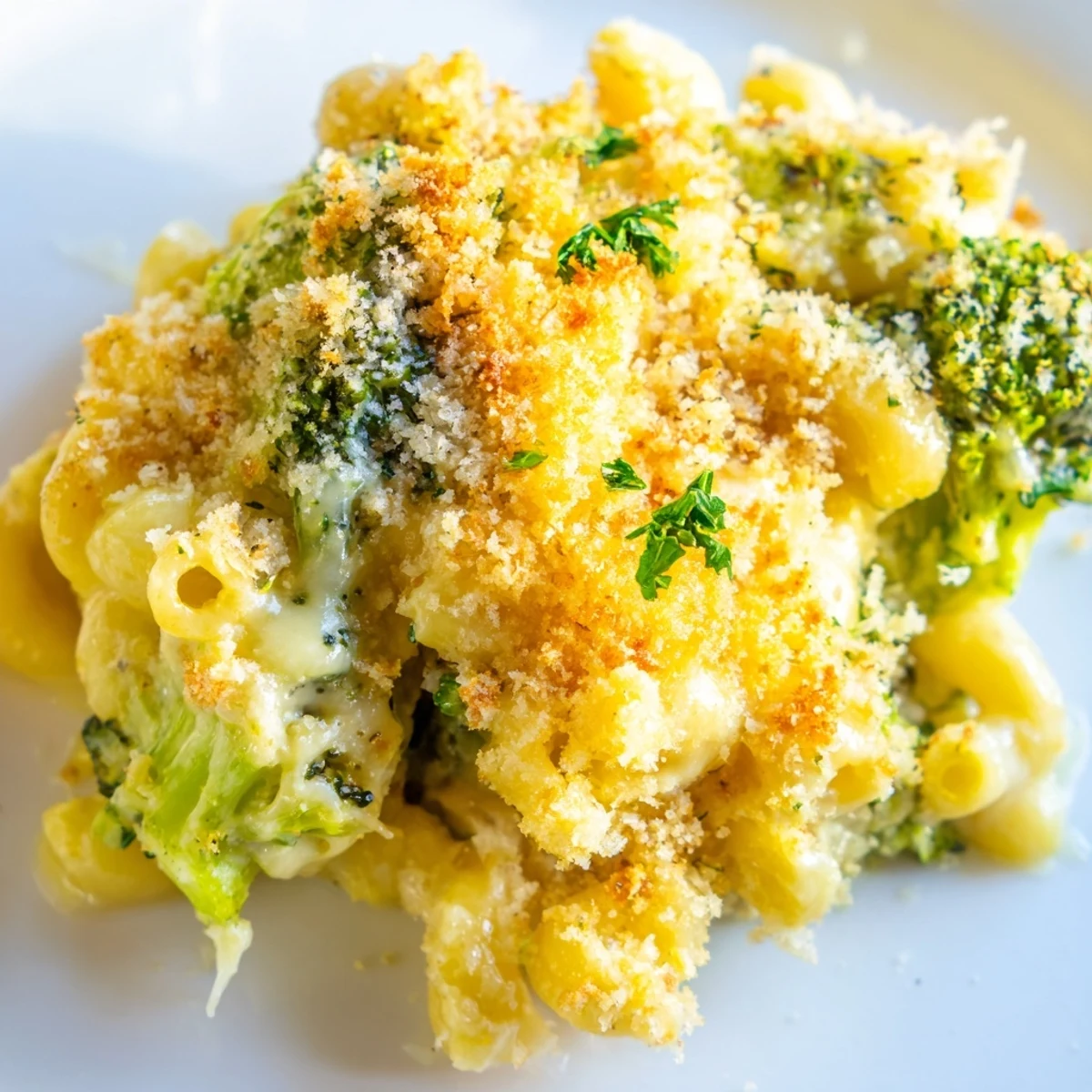
 This comforting dish combines tender elbow macaroni and fresh broccoli florets baked in a luscious, creamy cheese sauce made from sharp cheddar, mozzarella, and Parmesan. The sauce is enriched with butter, milk, and cream, seasoned with Dijon mustard and spices. Topped with buttery panko breadcrumbs and more cheese, it’s baked until bubbling and golden on top. Perfect for an easy vegetarian main course, it delivers rich flavors and satisfying textures in every bite.
My roommate once made mac and cheese for a dinner party and forgot the broccoli entirely, which felt like a missed opportunity in a dish that's already so forgiving. That night I decided to create a version that transforms this comfort classic into something with more substance, where tender broccoli florets hide in every creamy, cheese-laden bite. The bubbling golden top promises something crispy and indulgent all at once. This is the kind of dish that fills your kitchen with the smell of melting cheese and makes everyone linger at the table.
I made this for my sister's first apartment dinner, and watching her family demolish it while asking for the recipe felt like a real compliment. There's something about a bubbling casserole that makes people feel cared for, and this one does that job beautifully without requiring fancy technique or obscure ingredients.
Ingredients
- Elbow macaroni (340 g): The small curved tubes are essential here because they trap sauce in every bite; I've learned the hard way that other pasta shapes just don't hold the cheese sauce as generously.
- Fresh broccoli florets (300 g): Cut them smaller rather than larger so they cook evenly with the pasta and feel like a true part of the dish, not an afterthought.
- Unsalted butter (4 tbsp): Room temperature butter whisks into flour more smoothly and creates a richer base for the sauce.
- All-purpose flour (4 tbsp): This thickens the sauce without being heavy; whisk it constantly to avoid lumps that can spoil the silky texture.
- Whole milk (3 cups): Full-fat milk creates the creamy base, and adding it gradually prevents lumps from forming in your roux.
- Heavy cream (1 cup): Don't skip this; it's what transforms good mac and cheese into the kind people dream about.
- Sharp cheddar cheese (2 cups): The sharpness cuts through the richness beautifully; mild cheddar will make this taste one-dimensional.
- Mozzarella cheese (1 cup): This melts smoothly and adds a subtle stretch to the sauce that feels luxurious.
- Parmesan cheese (3/4 cup total): Half goes into the sauce for that umami punch, and the rest tops the breadcrumbs for that golden, crispy finish.
- Dijon mustard (1 tsp): A tiny amount adds complexity without any obvious mustard flavor; it's a secret weapon.
- Garlic powder and onion powder (1/2 tsp each): These season the sauce so subtly that people will wonder why it tastes more interesting than their usual mac and cheese.
- Panko breadcrumbs (1 cup): The crunchy topping is what makes this baked version special, and panko stays crisp longer than regular breadcrumbs.
Instructions
- Set your stage:
- Preheat your oven to 190°C (375°F) and grease your 23 x 33 cm baking dish with butter so nothing sticks. Having everything ready before you start cooking is the difference between a smooth process and a rushed scramble.
- Cook pasta and broccoli together:
- Bring salted water to a rolling boil, add macaroni, and let it cook for about 5 minutes before adding the broccoli florets. The pasta will finish cooking while the broccoli softens just enough to be tender but still bright; drain everything well to prevent a watery sauce.
- Build your cheese sauce base:
- Melt butter in a large saucepan over medium heat, then whisk in flour and cook for 1–2 minutes while stirring constantly, which cooks out the raw flour taste. Gradually whisk in milk and cream, pouring slowly so lumps don't form, and keep whisking until the mixture thickens enough to coat the back of a spoon lightly.
- Add the cheese magic:
- Remove the sauce from heat and stir in all three cheeses, the Dijon mustard, and the seasonings, mixing until everything melts into a smooth, glossy sauce. The mustard and spices should be barely detectable but give the sauce an undeniable richness.
- Combine everything gently:
- Pour the drained macaroni and broccoli into the cheese sauce and fold gently to coat every piece without breaking the broccoli into tiny bits. Transfer to your prepared baking dish and spread evenly.
- Make the crispy topping:
- Mix panko breadcrumbs with melted butter and grated Parmesan in a small bowl, then sprinkle this mixture evenly over the mac and cheese. This topping is what everyone eats first, so don't be shy with it.
- Bake until golden:
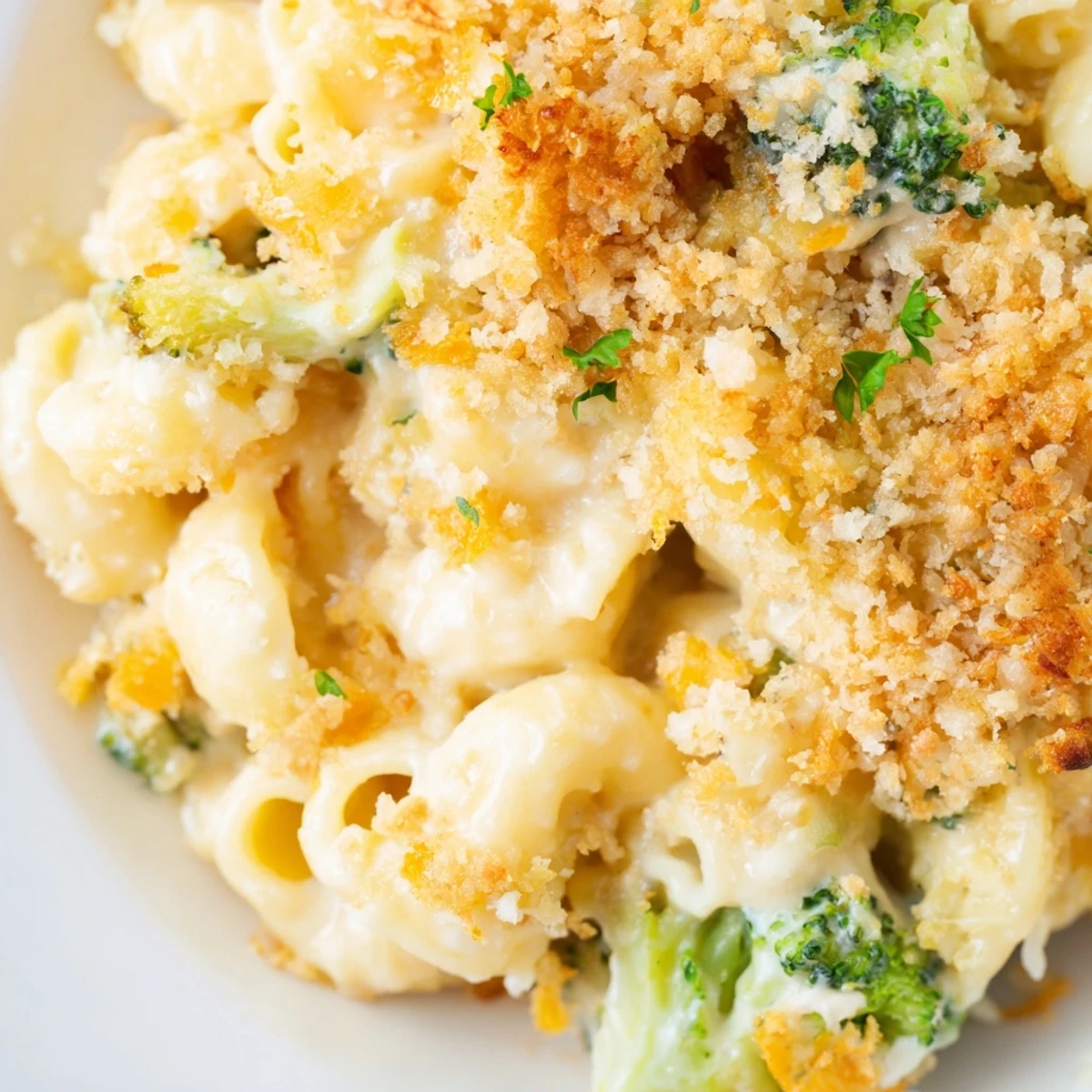
- Bake for 20–25 minutes until the top is golden brown and the sauce bubbles at the edges, which means everything is heated through. The bubbling is key; it tells you the cheese has melted and come together completely.
 Save to Pinterest
 I once served this at a potluck where someone who never eats vegetables asked for thirds, and that's when I knew the broccoli had stopped being a nutritional obligation and become part of what makes the dish crave-worthy. There's real magic in a dish that makes people feel both comforted and satisfied.
Cheese Sauce Secrets
The foundation of great mac and cheese is a properly made béchamel—that butter and flour base—cooked long enough to lose its raw flour taste but not so long it browns. Once you get comfortable with this technique, you can adjust it for your preferences; some people like their sauce thicker and clingier, while others prefer it a bit looser so it coats without pooling. The three-cheese approach gives you layers of flavor: sharp cheddar for tang, mozzarella for smooth meltability, and Parmesan for savory depth that keeps people guessing what makes it taste so good.
Make It Your Own
While the classic version is hard to improve, I've found that mixing in a teaspoon of Dijon mustard adds a subtle sophistication that people notice but can't quite identify. If heat is your thing, a pinch of cayenne pepper wakes the whole dish up, and if you're a cheese adventurer, swapping in Gruyère for some of the cheddar brings a toasty, almost nutty note that changes everything. For anyone avoiding gluten, using gluten-free pasta and panko works beautifully without any compromise to taste or texture.
Timing and Storage
This dish is best served within 5 minutes of coming out of the oven, when the top is still crispy and the sauce is at peak creaminess. Leftovers keep for three days in the fridge and can be reheated gently in a low oven to bring back some of that fresh-baked quality, though I'll admit the second day version is perfect for quick lunches straight from the container.
- Let the dish cool for 5 minutes after baking so it sets slightly and becomes easier to serve without it looking like soup.
- If making ahead, assemble everything up to the baking stage and refrigerate, then bake when ready, adding just a few extra minutes to the baking time.
- The sauce will thicken as it cools, so aim for creamy while hot rather than thick, knowing it will firm up as it sits.
 Save to Pinterest
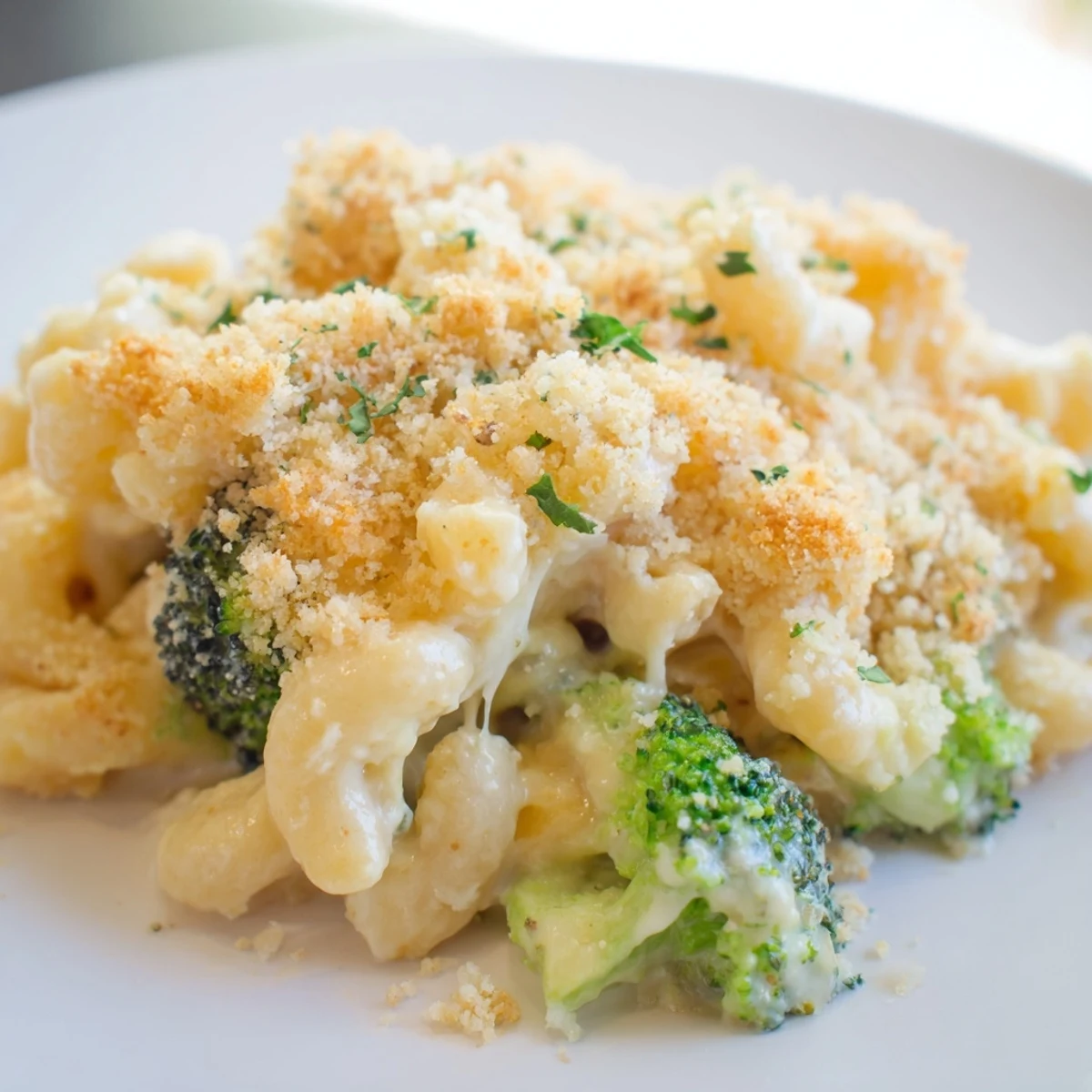
 This is the kind of dish that works equally well for a casual Tuesday night or when you need something that tastes like love on a plate. Make it once and it becomes the version people request.
Recipe Questions & Answers
- → How do I ensure macaroni and broccoli are perfectly cooked?
-
Cook macaroni for 5 minutes, then add broccoli for an additional 2–3 minutes until both are tender but still hold their shape. Drain well before mixing with sauce.
- → Can I substitute other cheeses for cheddar or mozzarella?
-
Yes, Gruyère can replace some cheddar for a nuttier flavor. Feel free to experiment with cheeses that melt well to maintain the creamy texture.
- → What is the best way to achieve a golden, crispy topping?
-
Mix panko breadcrumbs with melted butter and Parmesan cheese, then evenly sprinkle over the macaroni mixture before baking. This creates a crunchy and flavorful crust.
- → How can this dish be adapted for gluten-free diets?
-
Use gluten-free pasta and substitute panko breadcrumbs with gluten-free alternatives to keep the dish safe for gluten-sensitive individuals.
- → Is it better to use whole milk or cream in the cheese sauce?
-
A combination of whole milk and heavy cream achieves a rich, creamy sauce with balanced thickness and smoothness.