 Save to Pinterest
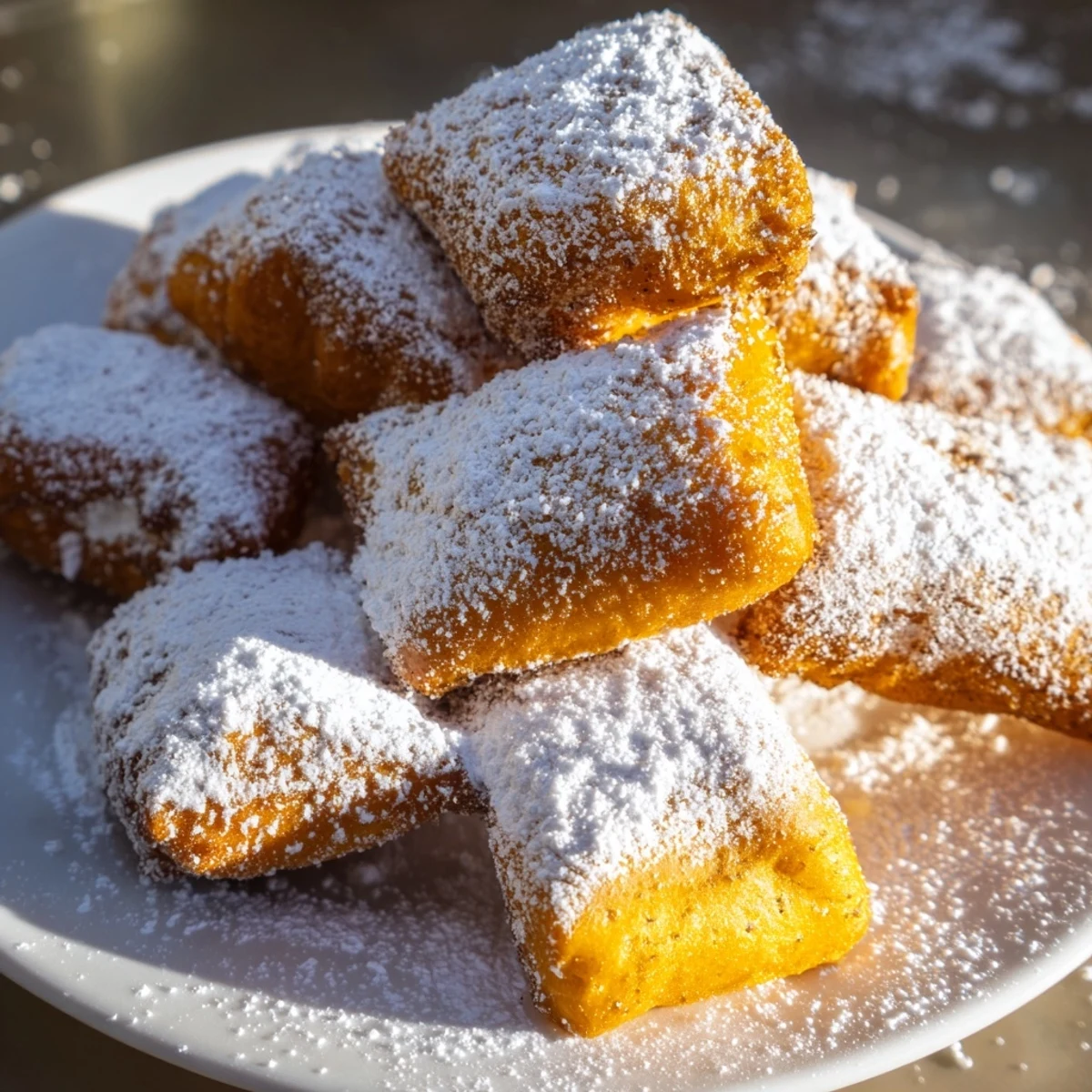
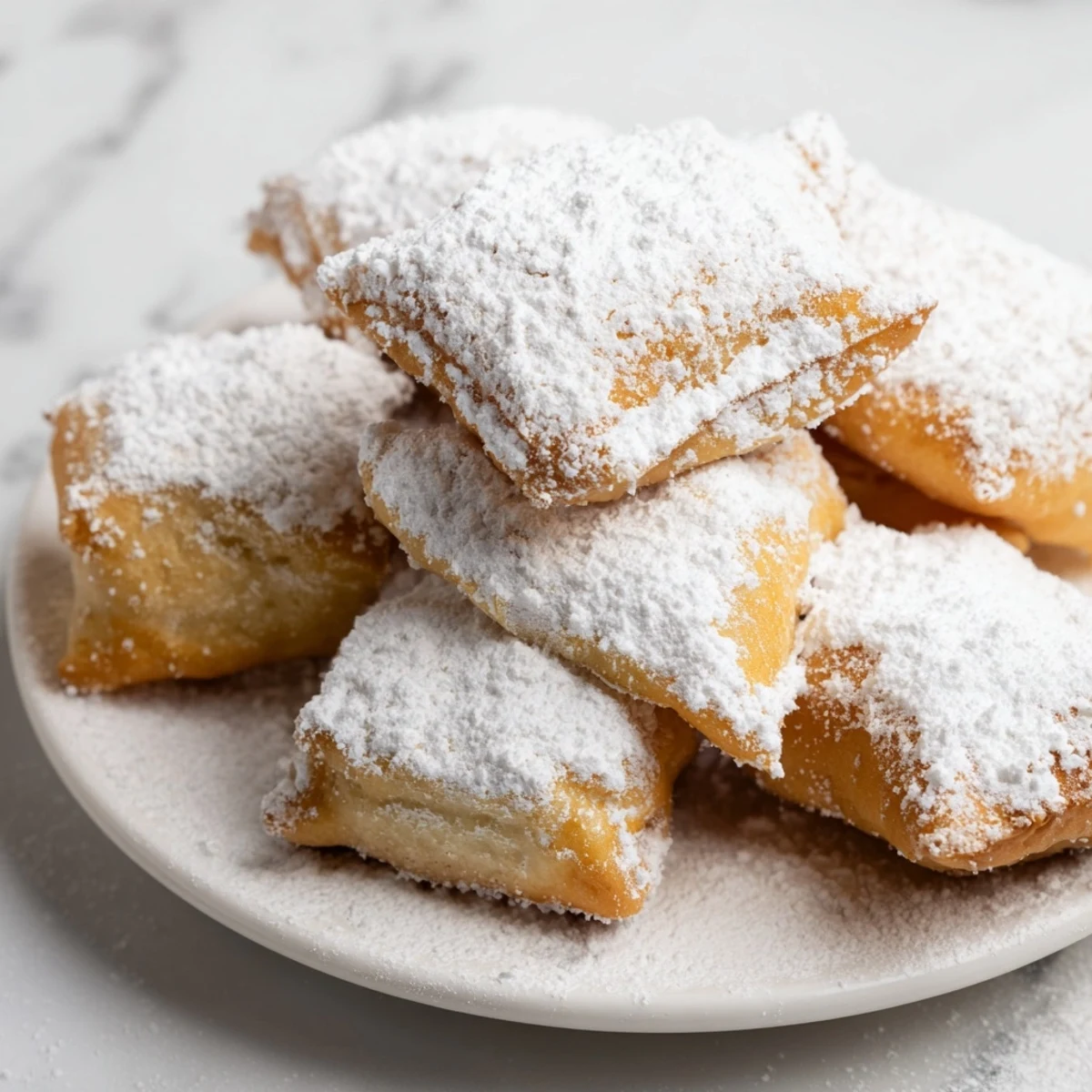
 This dish features traditional New Orleans-style beignets, crafted from a yeasted dough that is light and fluffy after frying. The dough combines flour, yeast, eggs, and butter for tender texture, with a final dusting of powdered sugar adding sweetness. Best served warm, these treats are ideal for festive occasions, especially Mardi Gras. Proper rising and frying temperature ensure a perfect golden exterior and airy interior.
Enhance flavors by adding spices like nutmeg or cinnamon to the dough. Pair with chicory coffee for authenticity. Preparation includes kneading, rising, cutting, and frying in hot vegetable oil. Leftovers are best fresh, though dough can be refrigerated overnight for convenience.
The first time I had beignets was during a rainy Tuesday in New Orleans, hiding from a sudden storm in a tiny café where the powdered sugar coated everything, including my black sweater. I watched the waiter carry a tray of these golden pillows through the crowded room, steam still rising from their crisp exteriors, and knew I had to recreate that magic in my own kitchen.
Last February, I made a triple batch for a Mardi Gras party and learned the hard way that fresh beignets disappear faster than you can fry them. My friends stood around the stove, waiting with paper plates, while I frantically tried to keep up with demand, laughing as sugar drifted through the entire house like edible snow.
Ingredients
- All-purpose flour: The backbone of these pillowy squares, creating just enough structure to hold together while remaining incredibly light inside
- Active dry yeast: Essential for that signature puff, and make sure your water is properly warm or youll end up with flat, disappointing disks
- Whole milk: Adds richness and helps create that tender crumb that separates great beignets from donuts
- Granulated sugar: Just enough sweetness to balance the savory yeast notes without becoming cloying
- Unsalted butter: Melted into the dough for flavor and keeping quality, creating those irresistible soft centers
- Vanilla extract: The secret ingredient that makes people ask what makes these taste so special
- Vegetable oil: Needs to be deep enough to float the beignets properly and maintain that steady 350°F temperature
- Powdered sugar: The mandatory finish coating that transforms these from fried dough into the iconic treat everyone loves
Instructions
- Wake up the yeast:
- Combine your warm water, milk, and yeast in a small bowl, watching for that beautiful foamy layer that tells you its alive and ready to work
- Build the base:
- Whisk together flour, sugar, and salt in a large bowl, creating a well in the center to welcome your wet ingredients
- Bring it together:
- Add eggs, melted butter, vanilla, and that bubbly yeast mixture, mixing until you have a sticky, shaggy dough that feels alive in your hands
- Work the dough:
- Knead on a floured surface for 5 to 7 minutes until the dough transforms from stubborn and tacky to smooth, elastic, and slightly resistant
- Let it rise:
- Place in a greased bowl, cover, and find the warmest corner of your kitchen for about an hour until it has doubled into a puffy, fragrant mound
- Roll and cut:
- Punch down gently, roll to 1/4 inch thickness, and cut into 2 inch squares, keeping your knife dusted with flour to prevent sticking
- Heat the oil:
- Bring your oil to exactly 350°F, using a thermometer if you have one because this temperature makes all the difference between raw centers and burnt exteriors
- Fry to perfection:
- Carefully lower 4 to 6 squares into the hot oil, watching them puff up dramatically, then flip after 1 to 2 minutes until both sides are golden brown
- Dust and devour:
- Let drain briefly on paper towels, then while still warm, shower generously with powdered sugar and serve immediately
 Save to Pinterest
 My grandmother used to say that beignets were the ultimate test of patience, and I finally understood what she meant the day I tried to rush the rising time and ended up with dense, sad little squares. Now I treat that hour of rising as a meditation period, checking on the dough periodically like a nurturing parent watching over a sleeping child.
The Secret to Perfect Puff
After dozens of batches, I discovered that the most common mistake is rolling the dough too thin. That quarter inch thickness might seem excessive, but it is exactly what allows the beignets to puff into those characteristic clouds that New Orleans is famous for. When the dough hits the hot oil, it needs enough substance to create that dramatic rise while still cooking through completely.
Making Authentic Feel Moments
Serve these with chicory coffee if you want the full French Quarter experience, though honestly any strong coffee will do the trick. The bitterness of chicory cuts through the richness of the fried dough and sweetness of the sugar, creating that perfect balance that makes the combination legendary in New Orleans cafes.
Timing Your Batch Perfectly
The biggest lesson I learned from my Mardi Gras disaster is to start frying about 20 minutes before you plan to serve. Beignets are at their absolute peak within 10 minutes of frying, when the exterior is still slightly crisp and the interior is steaming hot. Plan to work in small batches and have people waiting at the table rather than trying to keep them warm in the oven.
- Set up a dusting station with a rimmed baking sheet to catch all that excess powdered sugar
- Keep your paper towels ready on a large plate or baking sheet for draining
- Have your serving platter warmed and ready to receive those first golden squares
 Save to Pinterest
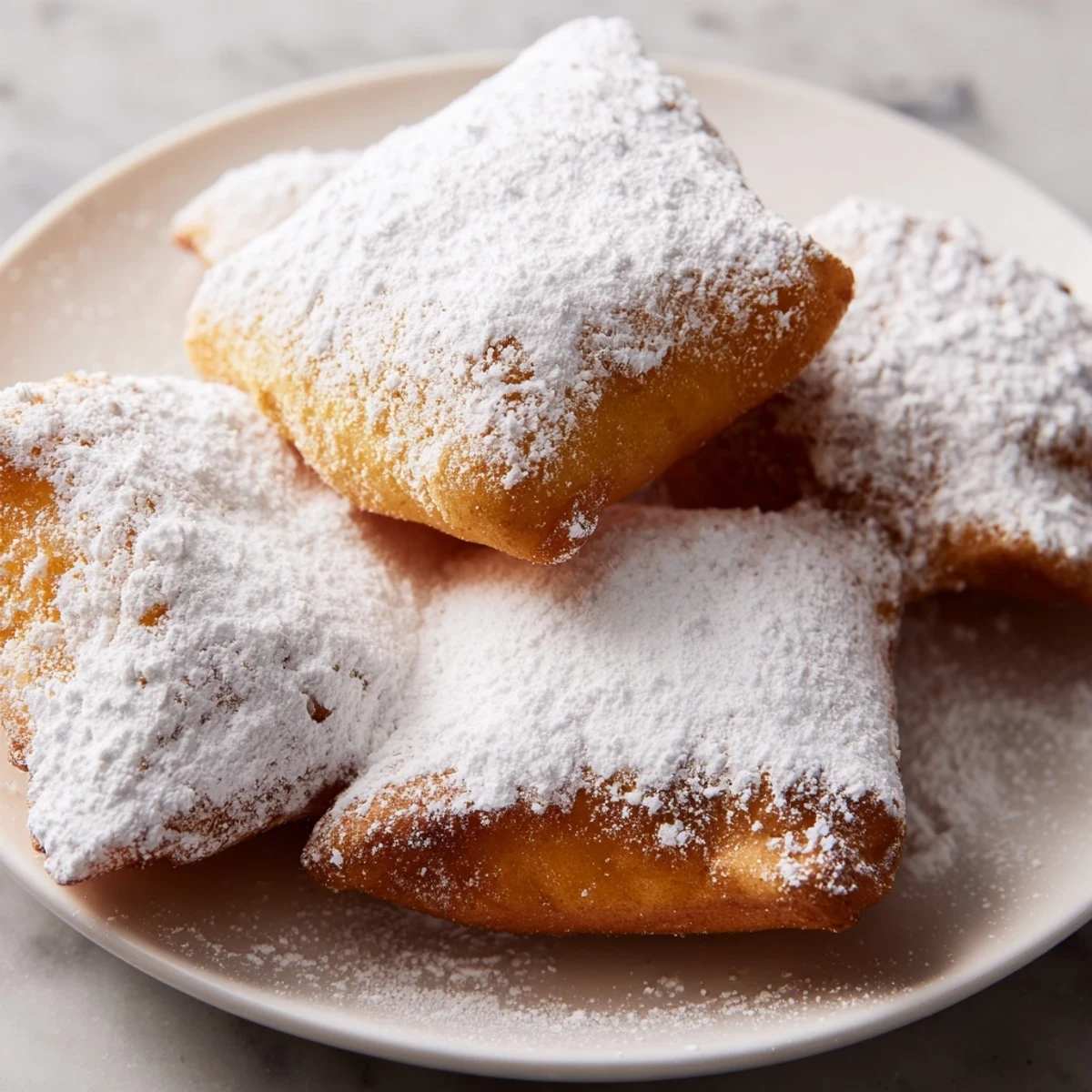
 There is something absolutely joyful about watching people bite into a freshly fried beignet and get that dusting of powdered sugar across their faces, inevitably leading to laughter and the kind of moment that makes cooking for others so completely worth it.
Recipe Questions & Answers
- → What type of flour is best for beignets?
-
All-purpose flour works well, providing the right balance for light, tender beignets while supporting yeast fermentation.
- → How do I achieve the perfect beignet texture?
-
Ensuring proper dough rising and frying at 350°F creates a fluffy interior with a crisp, golden exterior.
- → Can I add spices to the dough?
-
Yes, a pinch of nutmeg or cinnamon adds a subtle warmth and complexity to the flavor profile.
- → What oil is recommended for frying?
-
Vegetable oils with high smoke points like canola or peanut oil are ideal for frying beignets evenly without burning.
- → How should beignets be served for best taste?
-
Serve warm and generously dusted with powdered sugar, ideally alongside chicory coffee for an authentic experience.