
 Save to Pinterest
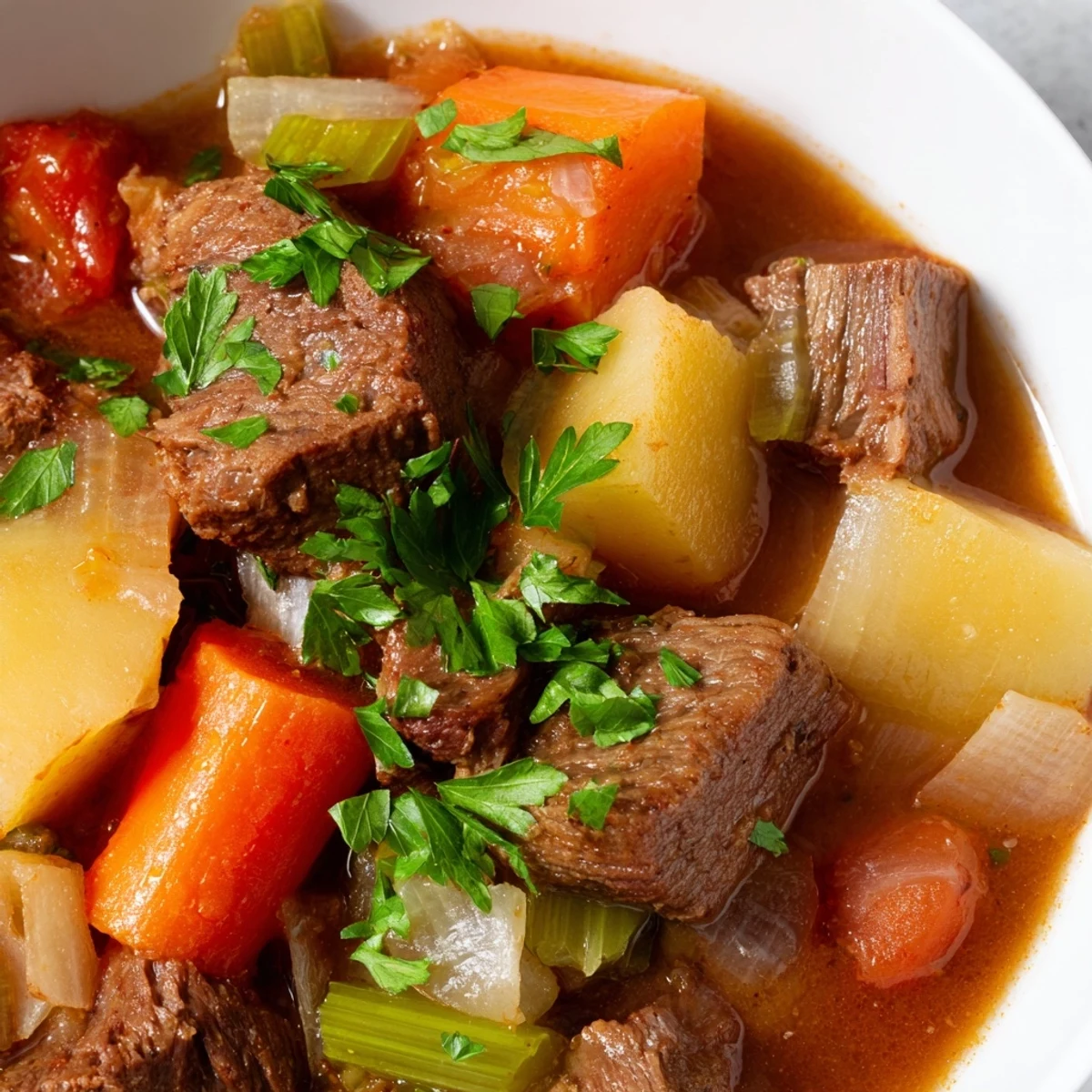
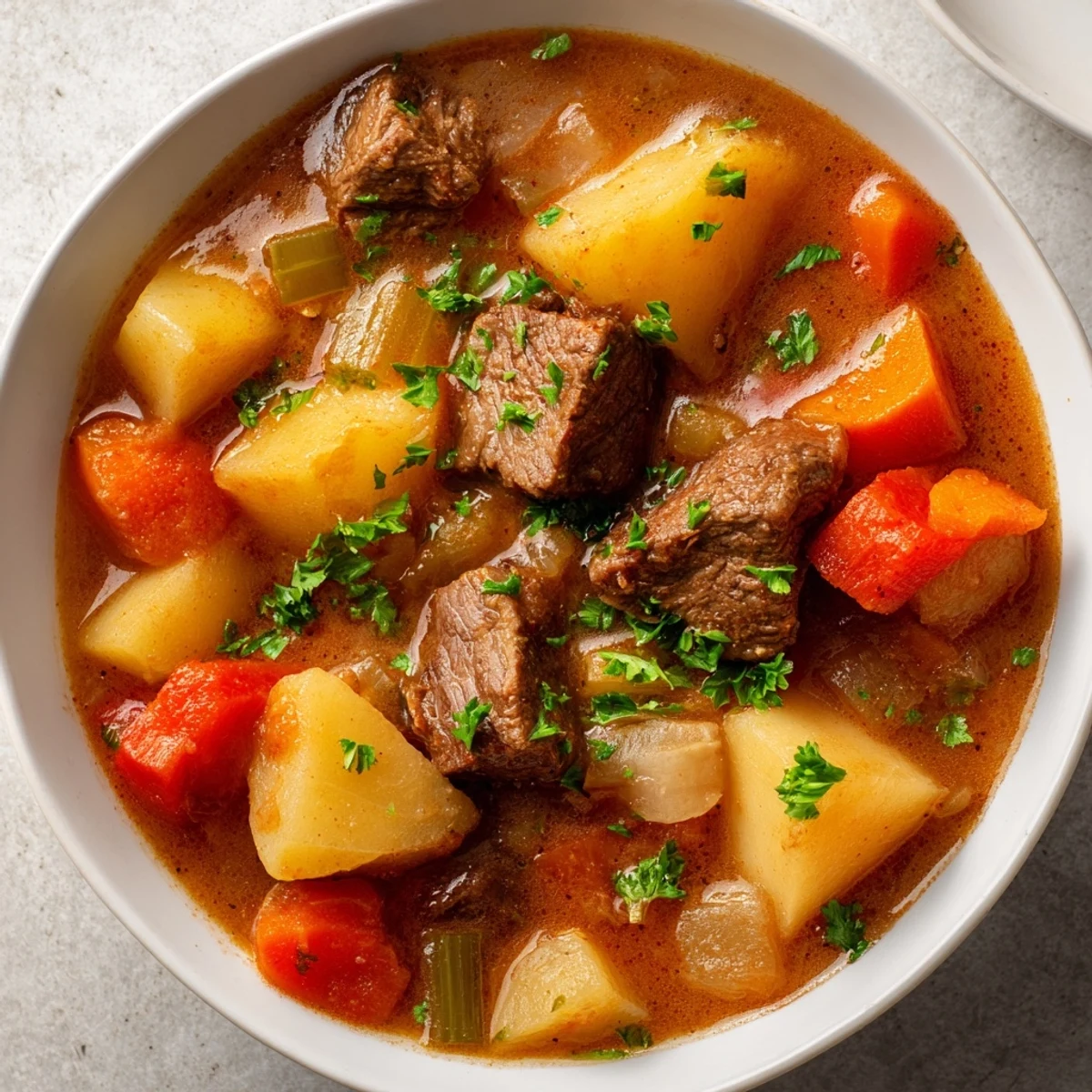
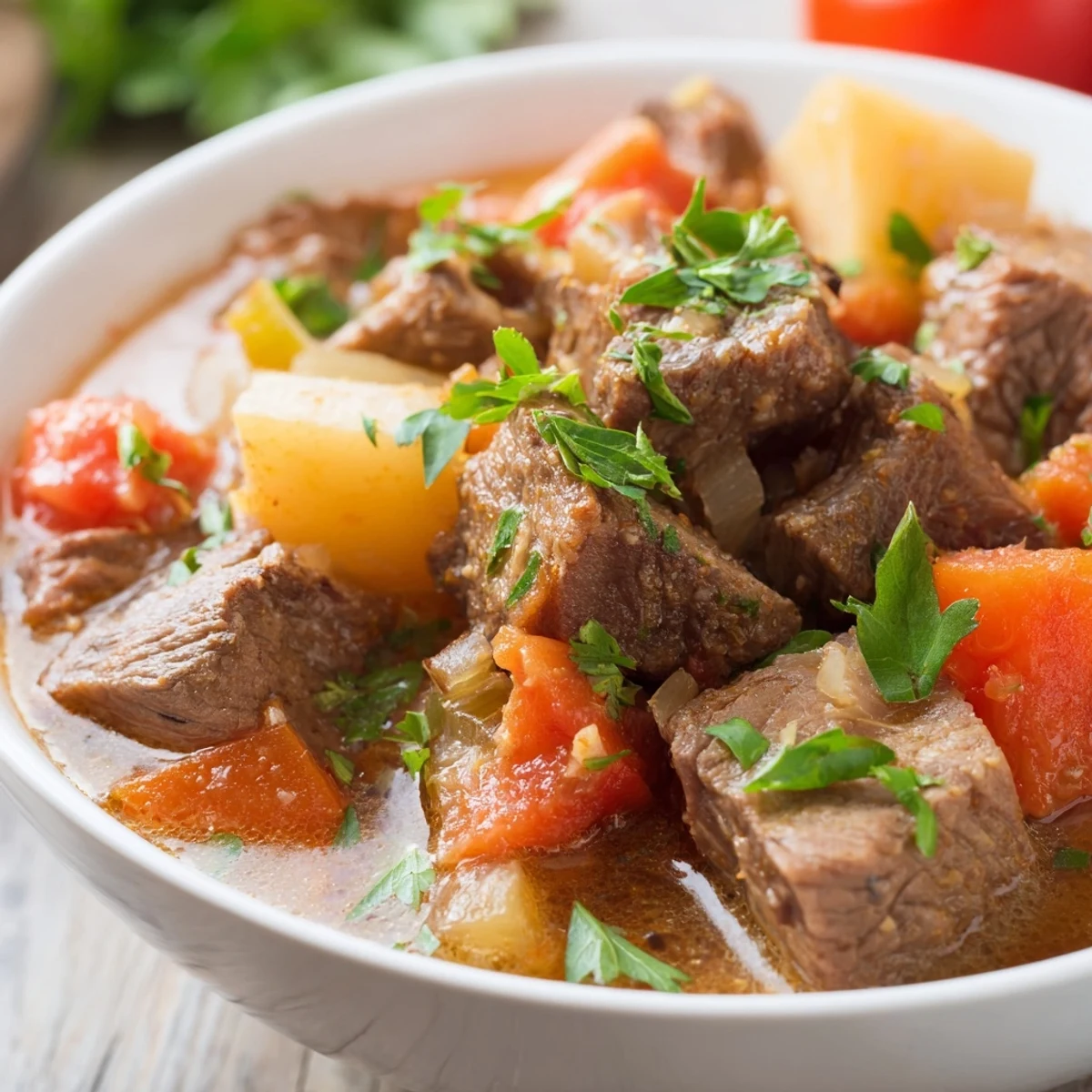
 This dish combines tender beef chuck with carrots, potatoes, onion, celery, and garlic, slowly cooked in a savory broth enriched with diced tomatoes and Worcestershire sauce. Herbs such as thyme, rosemary, and bay leaves add aromatic depth while the slow cook method ensures a comforting texture and rich flavor. Optional peas brighten the dish, and fresh parsley adds a fresh finish. Variations include substituting beef with chicken or pork for different tastes. Serve warm with bread or rice for a satisfying meal.
There's something deeply satisfying about dumping ingredients into a slow cooker in the morning and coming home to a kitchen that smells like dinner has been waiting for you all day. This beef and vegetable pot became my answer to those weeks when time felt impossibly tight but my family still deserved something made with care. What started as a desperate attempt to use up a large roast turned into a weeknight staple I now make without thinking twice.
My daughter once asked why this meal tasted different from what I normally made, and I realized it was because for once I wasn't rushed or distracted while cooking. The slow cooker had forced me to slow down myself. Now whenever I make it, that shift in pace feels like the real secret ingredient.
Ingredients
- Beef chuck roast (1.2 kg / 2.5 lb, cut into large chunks): Chuck has enough marbling to stay tender during long cooking and actually gets better the longer it simmers.
- Carrots (4 large, cut into 2-inch pieces): Cut them thick so they don't dissolve into mush; they'll soften plenty over six hours.
- Potatoes (3 large, quartered): Waxy varieties hold their shape better than starchy ones if you want pieces you can actually see.
- Onion (1 large, chopped): It breaks down into the broth and becomes almost invisible, but the depth it adds is undeniable.
- Celery (3 stalks, sliced): Often overlooked but it's what makes this taste like actual comfort instead of just beef and vegetables.
- Garlic (3 cloves, minced): Fresh is worth the effort; jarred garlic can turn bitter over six hours.
- Beef broth (2 cups / 480 ml): Use good quality or homemade if you can; it's the foundation everything else builds on.
- Diced tomatoes (1 can, 400 g, undrained): The acidity balances the richness and adds brightness the broth alone can't provide.
- Worcestershire sauce (2 tbsp): This is what makes people ask what's in it; don't skip it.
- Dried thyme and rosemary (1 tsp each): Dried herbs intensify during long cooking, so measure carefully.
- Bay leaves (2): Remove them before serving; discovering one in your spoon is never pleasant.
- Salt and black pepper (1 tsp salt, ½ tsp pepper): Always taste before serving and adjust; every broth is slightly different.
- Frozen peas (1 cup, optional): Add only in the last thirty minutes so they stay bright and don't turn to gray nothingness.
- Fresh parsley (2 tbsp chopped, optional): A small garnish that feels like you cared enough to finish properly.
Instructions
- Layer the foundation:
- Place beef chunks in the bottom of your slow cooker first, then arrange carrots, potatoes, onion, celery, and garlic on top. This order matters because it helps the meat season everything as it releases its juices.
- Build the broth:
- Pour in beef broth, diced tomatoes with their juice, and Worcestershire sauce over everything. The liquid should come about three-quarters of the way up the ingredients; it won't boil away like stovetop cooking.
- Season generously:
- Sprinkle thyme, rosemary, bay leaves, salt, and pepper evenly across the top. Don't stir yet; let each element settle into its place.
- Set and forget:
- Cover the slow cooker and set it to LOW for 6 to 8 hours. Resist the urge to lift the lid; every peek releases heat and extends cooking time by fifteen minutes.
- Finish strong:
- In the final thirty minutes, stir in frozen peas if using. Remove and discard the bay leaves, taste the broth, and adjust salt and pepper as needed.
- Plate with intention:
- Ladle meat and vegetables into bowls with plenty of broth, then scatter fresh parsley on top if you have it. Serve alongside crusty bread for soaking up every last drop.
 Save to Pinterest
 One winter evening, my neighbor tasted this and asked for the recipe, then made it for her family the next night and came back to tell me her seven-year-old had seconds. That's when I understood this wasn't just food; it was something that made people feel attended to.
Why Slow Cooking Changes Everything
Slow cooking is a completely different language from stovetop cooking. On the stove, you chase evaporation and manage heat flare-ups; in a slow cooker, everything moves at a patient pace that actually works in your favor. The beef doesn't toughen from high heat; it becomes progressively more tender as collagen converts to gelatin. That transformation takes time, and it cannot be rushed.
Variations That Still Work
Chicken thighs can substitute for beef if you prefer lighter meat, though reduce cooking time to 4 hours on LOW to keep them from drying out. Pork shoulder works beautifully too and brings its own subtle sweetness to the broth. Some people add mushrooms or swap half the potatoes for sweet potatoes, and the dish adapts without complaint.
Serving and Storage Wisdom
This meal tastes even better the next day once flavors have fully mingled overnight in the refrigerator. Reheat gently on the stovetop so nothing falls apart. The broth thickens slightly as it cools, which is exactly what you want for leftovers.
- Freeze portions in containers for up to three months of future easy dinners.
- If you want a thicker stew, stir in a slurry of cornstarch and water during the final thirty minutes of cooking.
- Crusty bread or rice on the side transforms it from a one-bowl meal into something more formal if you need it to feel that way.
 Save to Pinterest
 This dish asks so little of you but gives back comfort, nourishment, and the gift of a kitchen that smells like home. That's enough to make it worth returning to again and again.
Recipe Questions & Answers
- → What cut of beef works best?
-
Beef chuck roast is ideal for its marbling and tenderness after slow cooking, providing rich flavor and texture.
- → Can I use different vegetables?
-
Yes, root vegetables like parsnips or turnips can be added or substituted to complement the existing mix.
- → How do I thicken the broth?
-
Stir in a cornstarch slurry (1 tbsp cornstarch with 2 tbsp water) during the last 30 minutes of cooking to thicken the broth.
- → Is it possible to substitute beef?
-
Chicken thighs or pork shoulder can replace beef, but adjust cook times accordingly to ensure proper tenderness.
- → How can I enhance the flavor?
-
Adding Worcestershire sauce and fresh herbs like thyme and rosemary infuses the broth with depth and complexity.
- → When should peas be added?
-
Frozen peas should be added during the final 30 minutes of cooking to retain their color and texture.