
 Save to Pinterest
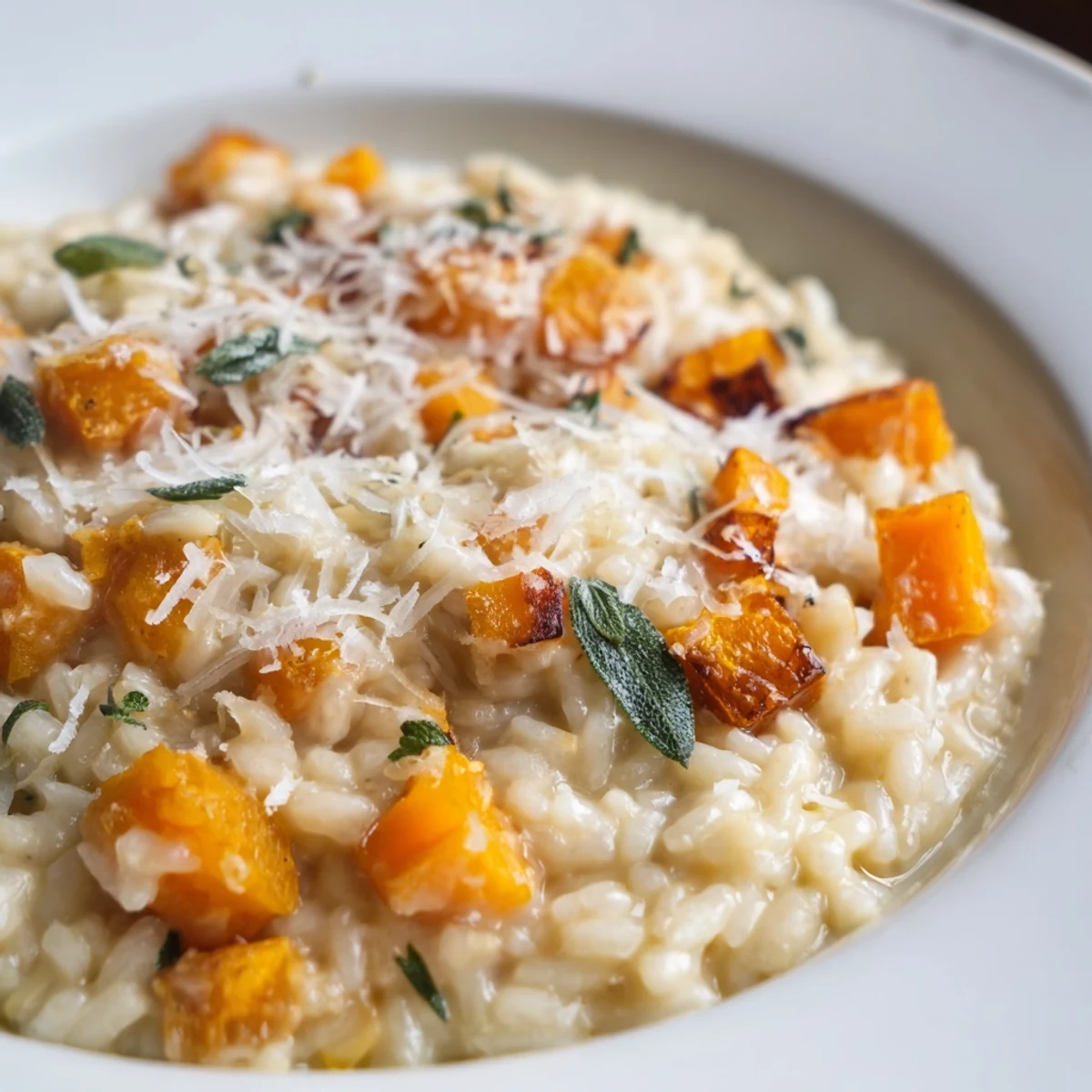
 This dish features tender winter squash combined with fragrant fresh sage and nutty Parmesan cheese, cooked into a creamy Arborio rice base. Sautéed onion and garlic add depth, while a splash of white wine and warm vegetable broth build layers of flavor. Butter and optional cream enrich the texture, creating a warm and satisfying plate perfect for chilly days. Garnished with extra sage and Parmesan, this dish embodies cozy Italian comfort with vegetarian-friendly ingredients.
There's something about standing at the stove on a gray November afternoon, watching risotto transform from scattered grains into something silky and alive, that makes you understand why Italians take their time with this dish. I learned to make risotto while visiting a friend's kitchen in Bologna, and what struck me most wasn't the technique—it was how patient the process made you become. Stirring continuously, waiting, listening to the gentle bubble of broth meeting hot rice, I felt the kitchen slow down around me. This version with winter squash came later, when I wanted to capture that same meditative feeling but with the sweetness and warmth that only cold months demand.
I made this for my neighbors one December evening, when the temperature had dropped and everyone was craving something comforting. I served it in shallow bowls with extra sage fried until crispy and a generous shower of Parmesan that melted into the heat. Someone asked for the recipe before finishing their first bite, which told me everything I needed to know about whether this was worth repeating.
Ingredients
- Winter squash (butternut or acorn), 1½ lbs: The sweetness here does the heavy lifting for flavor—look for squash that feels heavy for its size, which means it's dense with flavor.
- Arborio rice, 1½ cups: Don't skip this variety; it's starchy enough to create creaminess without turning to mush, which is the whole point of risotto.
- Yellow onion, 1 small, finely chopped: This is your flavor base, so take your time with the knife—smaller pieces cook evenly and dissolve into sweetness.
- Garlic, 2 cloves, minced: Fresh garlic makes all the difference here; the heat of risotto cooking will mellow it into something subtle and wonderful.
- Fresh sage, 8 leaves, chopped, plus extra for garnish: This herb is risotto's best friend—its slight bitterness plays perfectly against the squash's sweetness.
- Vegetable broth, 5 cups, kept warm: Warm broth matters more than you'd think; cold broth shocks the rice and disrupts the cooking process, so keep it simmering in a separate pot.
- Dry white wine, 1 cup: A wine you'd happily drink works best here—the acidity brightens everything and adds complexity you can't get from broth alone.
- Unsalted butter, 3 tbsp, divided: Butter is the soul of risotto's creaminess, so use good butter and add it at the very end for maximum silky texture.
- Freshly grated Parmesan cheese, ½ cup: Grate it yourself if you can; pre-grated cheese has anti-caking agents that make it grainy rather than smooth.
- Heavy cream, ¼ cup (optional): This is my secret addition when I want the risotto especially luxurious, but it's truly optional—the rice and butter already deliver creaminess.
- Extra-virgin olive oil, 2 tbsp: Use something you love the taste of; it carries flavor throughout the dish.
- Salt and freshly ground black pepper, to taste: Taste constantly as you cook and season as you go—this is how risotto reaches its full potential.
Instructions
- Warm your broth and soften your aromatics:
- Pour the vegetable broth into a separate pot and bring it to a gentle simmer—this warmth matters because it keeps your risotto cooking evenly. Meanwhile, heat the olive oil and 2 tablespoons of butter in a large, heavy saucepan over medium heat, then add the finely chopped onion and cook, stirring occasionally, until it turns translucent and begins to soften, about 3 minutes.
- Add fragrance and sweetness:
- Stir in the minced garlic and chopped sage, and let them perfume the oil for about 1 minute—you'll smell when it's right. Now add the diced squash, season generously with salt and pepper, and cook for 5 minutes, stirring every minute or so, until the edges of the squash begin to soften.
- Toast your rice:
- Pour in the Arborio rice and stir constantly for about 2 minutes, coating each grain in the oil and butter. You'll hear and feel the rice toasting, becoming slightly translucent at the edges while the center stays opaque—this small step builds nutty flavor.
- Introduce the wine:
- Pour in the white wine and stir constantly until it's nearly absorbed by the rice, which takes about 2 minutes. The wine adds acidity and will smell wonderful as it reduces.
- Begin the patient stirring ritual:
- Now comes the meditative part—ladle the warm broth into the rice, one ladleful at a time, stirring frequently and letting each addition absorb before adding the next. This process takes 20 to 25 minutes, and your constant stirring encourages the rice to release its starch, which creates the creamy sauce you're after.
- Finish with the final flourish:
- When the rice is creamy and tender but still has a slight firmness when you bite it (this is al dente), remove the pan from heat. Stir in the remaining 1 tablespoon of butter, the grated Parmesan, and the heavy cream if you're using it, stirring until the risotto becomes smooth and glossy.
- Rest and serve:
- Let the risotto sit off the heat for 2 minutes—this resting period lets the starches relax and the flavors settle. Divide among shallow bowls, garnish generously with extra sage and more Parmesan, and serve immediately.
 Save to Pinterest
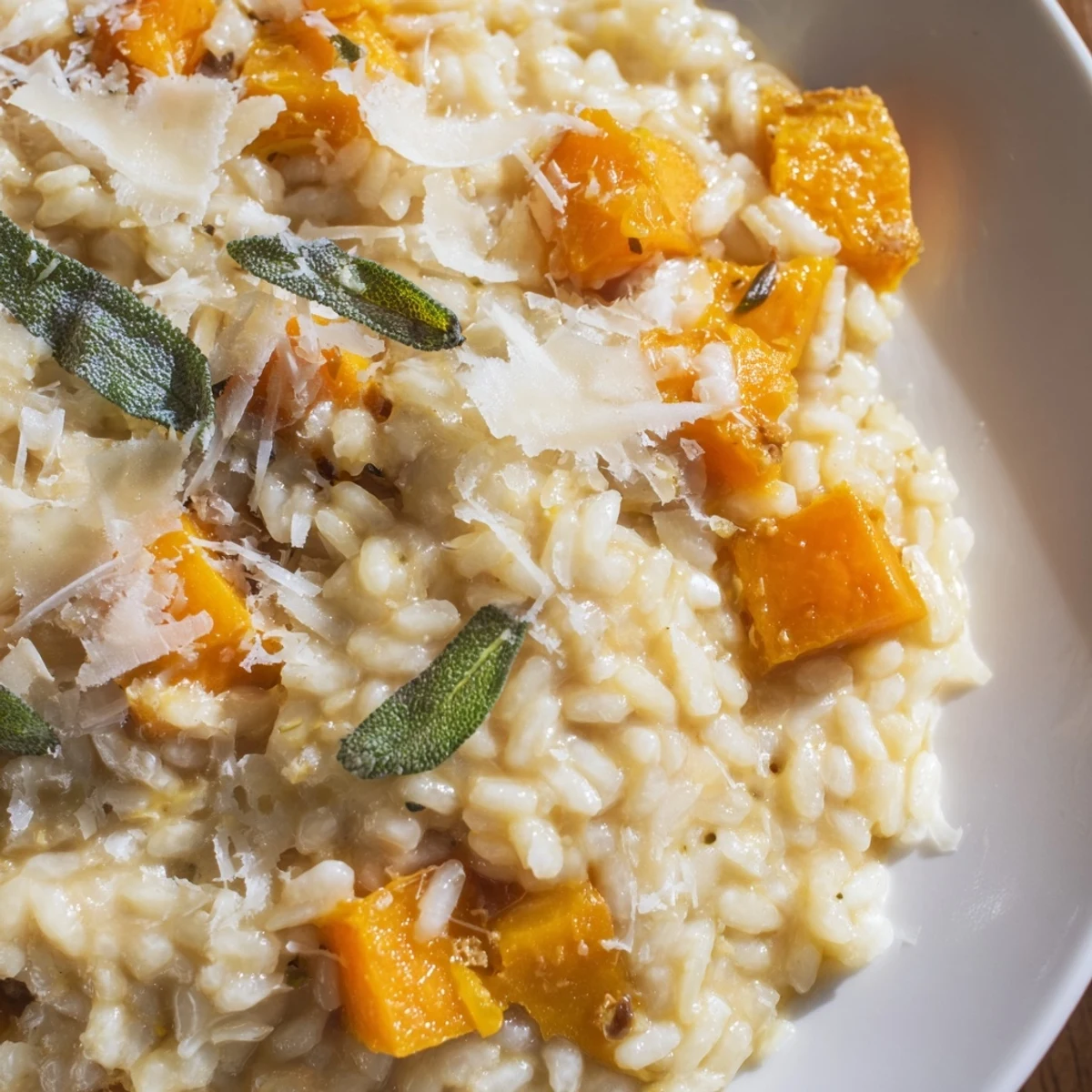
 I remember my friend Margot tasting this for the first time and going silent—not out of politeness, but because her whole face changed. She pushed her spoon through the risotto and it moved like butter, and I watched her realize that something she thought was complicated was actually just about paying attention and being kind to your ingredients. That's when risotto stopped being a recipe and became something I made whenever I wanted to feel grounded.
Choosing Your Squash
Butternut squash is the classic choice because its flesh is fine-grained and sweet, but acorn squash works beautifully too if that's what you find at the market. The key is choosing squash that feels dense and heavy, with unblemished skin—this indicates the flesh is packed with sugars and flavor. If you're dicing by hand, a sharp knife makes the work faster and safer; if you have a food processor, pulse the cooked squash briefly to create some texture variation within the risotto.
Building Flavor Layer by Layer
The magic of risotto happens in stages, each one building on the last. The onion becomes your sweet base, the garlic and sage add earthiness and complexity, the toasted rice brings nuttiness, the wine adds brightness, and the broth knits everything together. Many people rush through these steps, but each one matters—there's a reason Italian cooks spend time here, and it's not because they enjoy standing at the stove, though I've come to think they do.
Variations and Flexibility
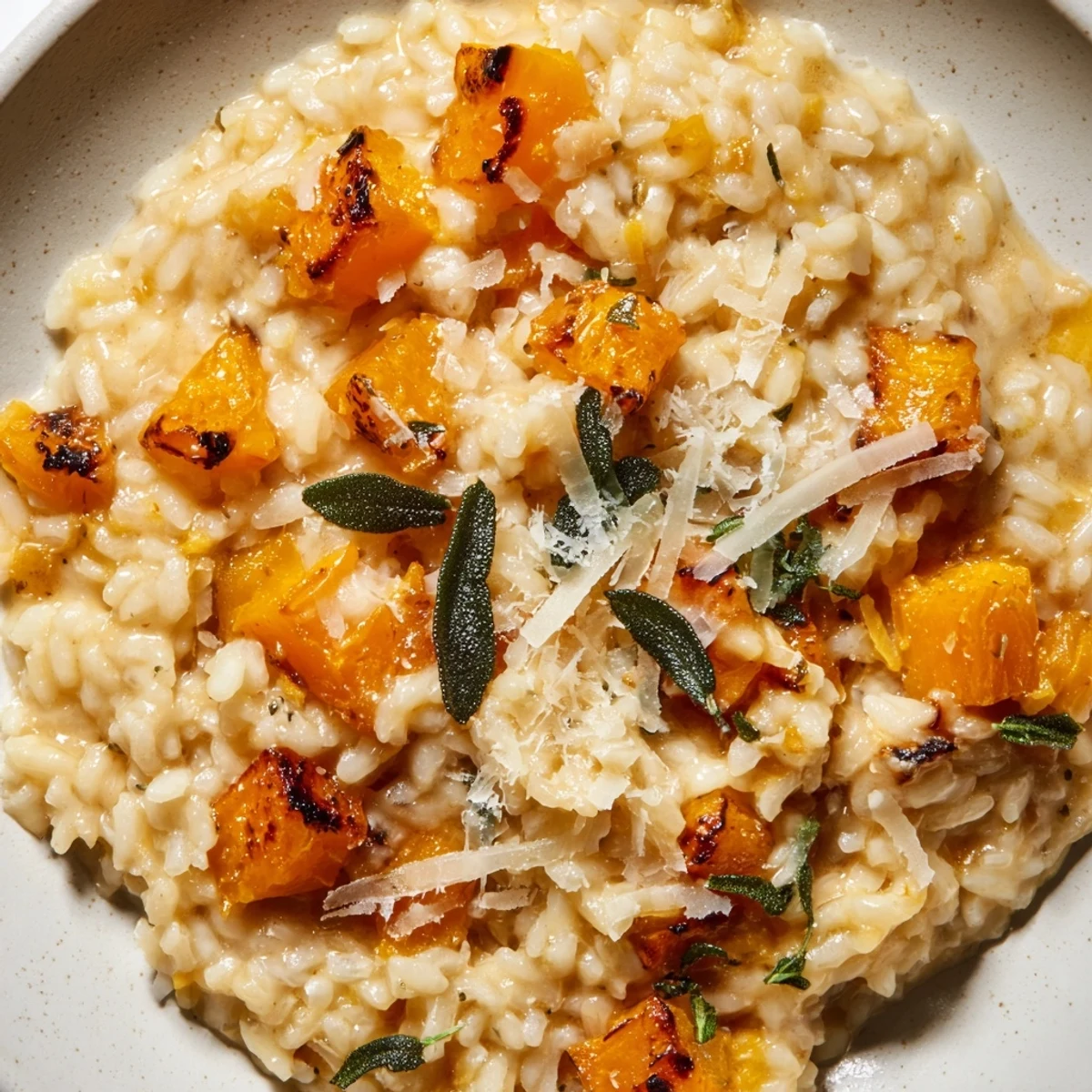
Once you understand how risotto works, you can adapt it to whatever you have in your kitchen and whatever season you're cooking in. I've made it with roasted squash folded in at the end for added texture, with crispy sage leaves scattered across the top, even with a drizzle of truffle oil when I wanted to feel fancy. For a vegan version, swap the butter for vegan butter, use nutritional yeast instead of Parmesan for that savory punch, and skip the cream—the risotto will still be creamy from the rice itself.
- Try adding a pinch of freshly grated nutmeg to echo the squash's natural sweetness without overwhelming it.
- If you make this ahead, store it in the refrigerator and loosen it with warm broth when you reheat it, stirring over gentle heat until it becomes creamy again.
- Save any leftover risotto to pan-fry into crispy cakes the next day—they're wonderful with a fried egg on top.
 Save to Pinterest
 This risotto is the kind of dish that transforms an ordinary evening into something worth remembering. Serve it with a crisp white wine like Pinot Grigio, a simple green salad, and people who are willing to sit at the table and let the meal slow them down.
Recipe Questions & Answers
- → What type of squash works best for this dish?
-
Butternut or acorn squash, peeled and diced, provide a sweet, tender texture that enhances the creamy rice.
- → Can I substitute the Parmesan cheese?
-
For a vegan version, nutritional yeast can replace Parmesan to add a similar nutty flavor.
- → How is the rice cooked to achieve the creamy texture?
-
Arborio rice is slowly cooked by gradually adding warm vegetable broth while stirring, releasing starch for creaminess.
- → Is white wine necessary in this preparation?
-
White wine adds acidity and depth, but it can be omitted or replaced with additional broth if preferred.
- → What herbs complement the flavor profile here?
-
Fresh sage is highlighted for its earthy aroma, perfectly balancing the sweetness of the squash and richness of the cheese.