
 Save to Pinterest
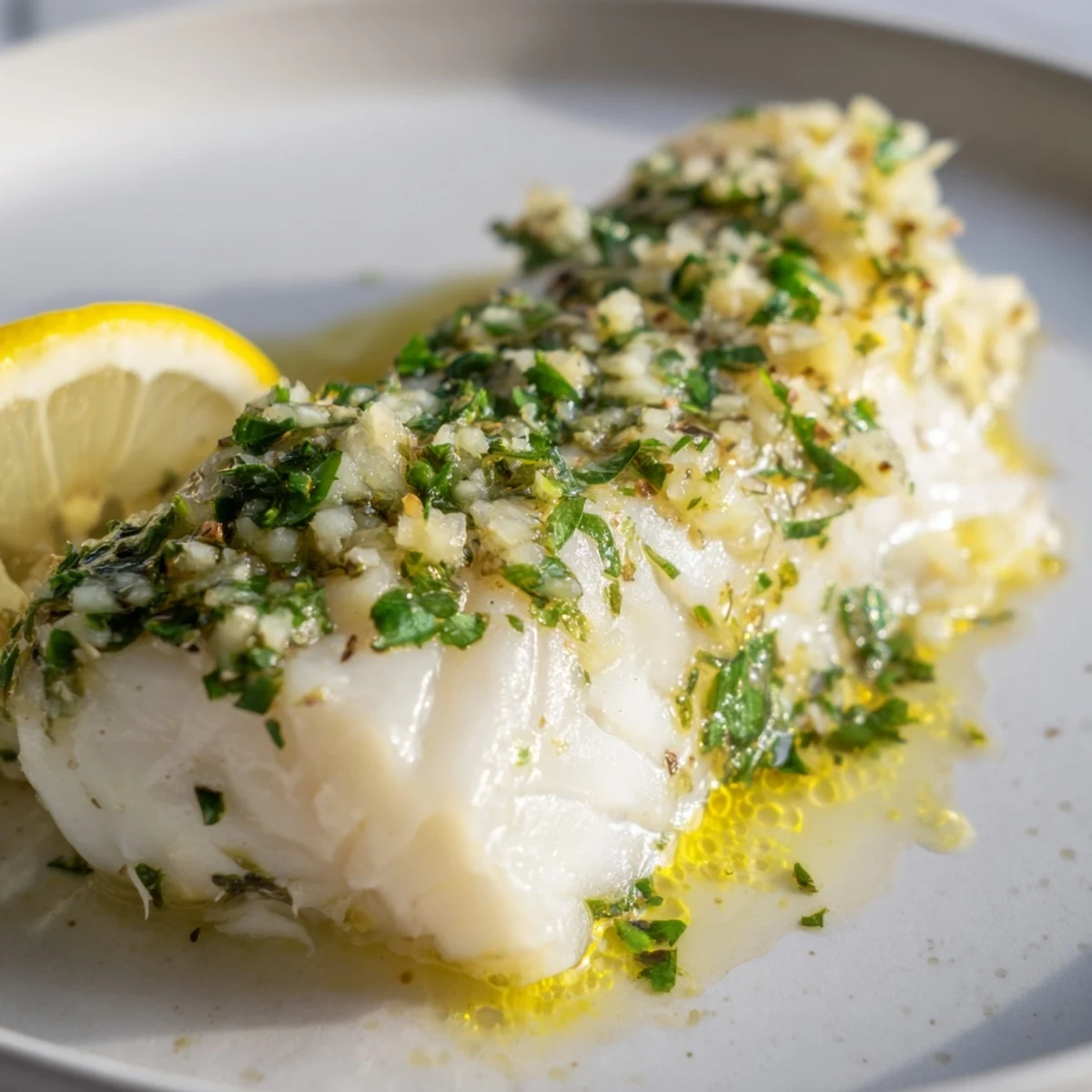
 This dish features skinless halibut fillets seasoned and baked until flaky, then drizzled with a warm garlic lemon butter sauce. The preparation involves cooking the fish in the oven while melting butter with citrus and parsley on the stove. It results in a moist, flavorful main course ready in under thirty minutes, ideal for an elegant weeknight dinner.
There's something about the smell of lemon and butter hitting a hot oven that makes everything feel like celebration. My first time making this halibut, I wasn't even trying to impress anyone—just cooking dinner on a random Tuesday when I realized I had beautiful fillets and the right ingredients. Twenty minutes later, my kitchen smelled like a restaurant, and I understood why people order fish when they want to feel a little fancy without the fuss.
I made this for someone I was trying to impress, and I remember standing at the stove watching the butter foam up with garlic, thinking I'd either nailed it or made a mess. When they took that first bite and closed their eyes, I knew the butter sauce was doing its job. It became the dish I made whenever I needed to prove I could cook something that tasted like it came from somewhere other than my kitchen.
Ingredients
- Halibut fillets (6 ounces each, skinless): Look for fillets that are bright white and smell clean like the ocean—this is your foundation, so quality matters.
- Olive oil: Just enough to coat the fish before it hits the oven, creating a gentle barrier that keeps everything moist.
- Kosher salt and freshly ground black pepper: Season generously before baking because the fish needs this more than you'd think.
- Unsalted butter: The star of the sauce—use real butter, not a substitute, because it makes a visible difference in flavor and richness.
- Fresh lemon juice and zest: One fresh lemon beats bottled juice every time; the brightness changes the entire dish.
- Fresh parsley, minced: Stir it in at the very end so it stays green and alive-tasting rather than faded.
- Garlic clove, minced: Just one small clove so the sauce stays elegant without overpowering the fish.
Instructions
- Get your oven ready and prep the dish:
- Heat the oven to 400°F and lightly grease a baking dish that fits your fillets snugly in a single layer. A smaller dish keeps everything close together and helps them cook evenly.
- Dry and season the halibut:
- Pat each fillet completely dry with paper towels—this step matters because it helps them get golden and cook properly. Brush both sides with olive oil, then season with salt and pepper, tasting as you go.
- Bake until opaque:
- Arrange the fillets in the dish and slide it into the oven for 12 to 15 minutes, depending on thickness. You'll know it's done when the fish is completely opaque and flakes apart gently with a fork—overcooking happens fast, so start checking around the 12-minute mark.
- Make the lemon butter sauce:
- While the fish bakes, melt the butter in a small saucepan over medium heat, then add the minced garlic and let it cook just long enough to smell amazing, maybe 30 seconds. Stir in the lemon juice, zest, salt, and pepper, then take it off the heat and fold in the fresh parsley so it stays bright green.
- Plate and finish:
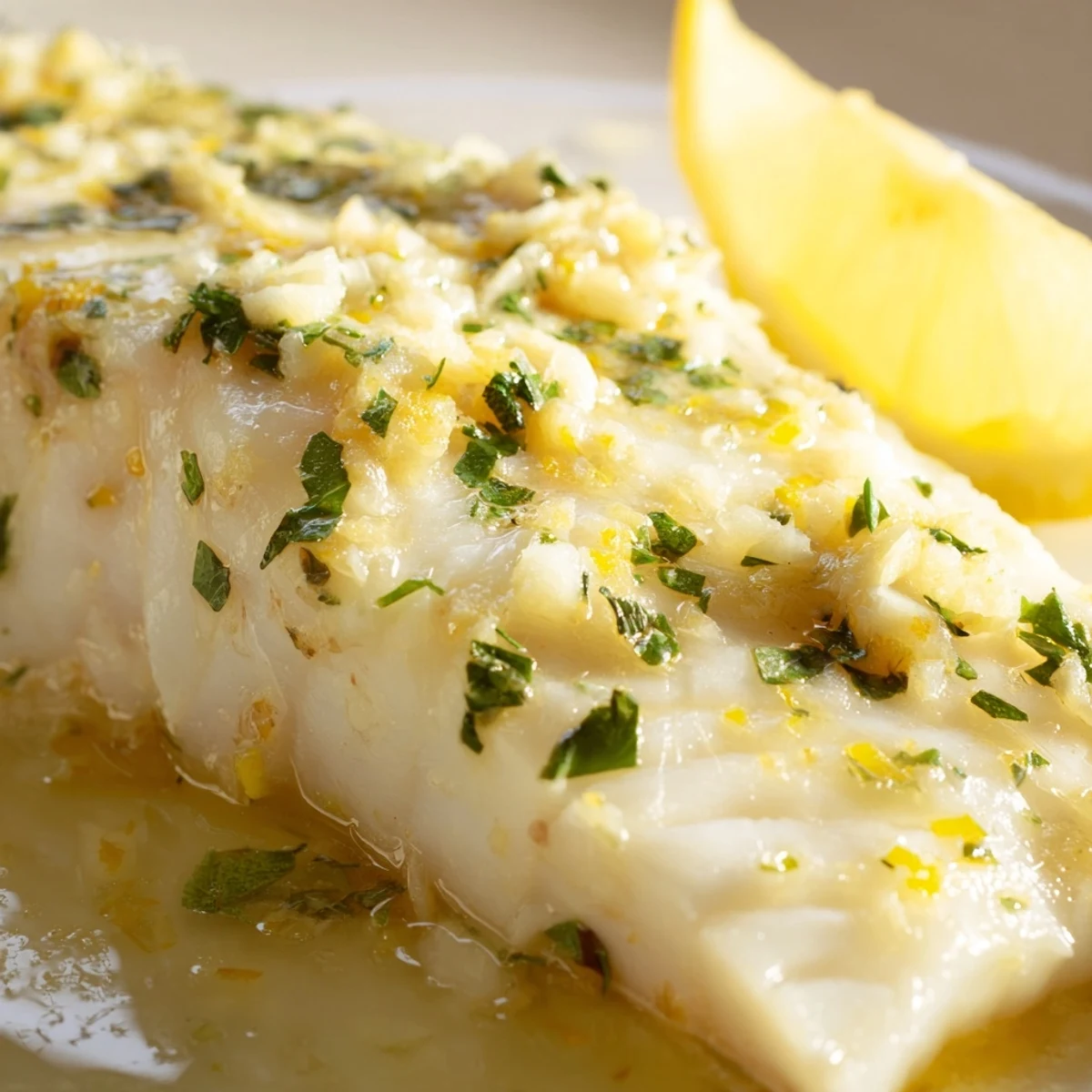
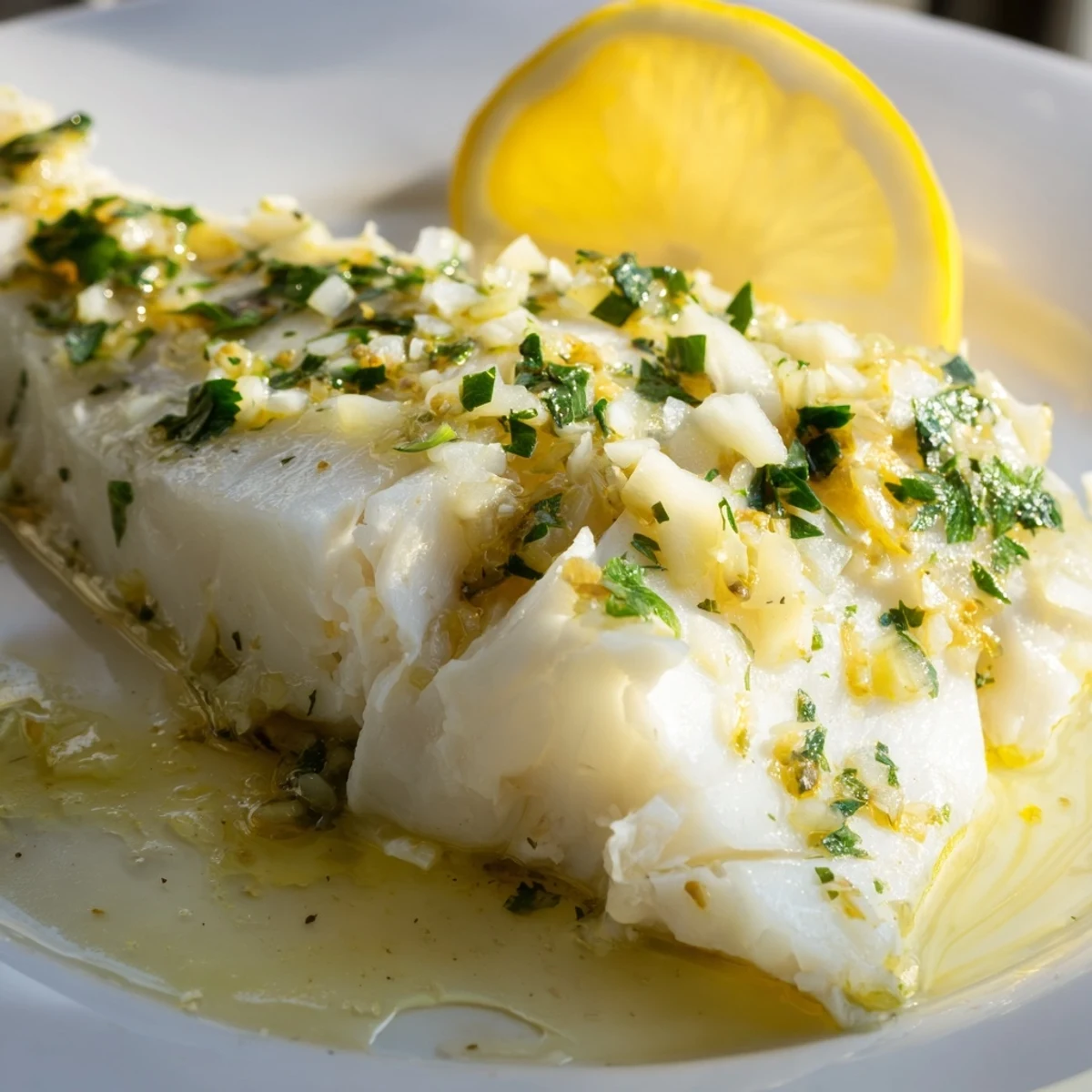
- Transfer each fillet to a warm plate and spoon the sauce over the top, letting it pool slightly. Add lemon slices and a sprinkle of extra parsley if you want it to look as good as it tastes, then serve right away while everything's warm.
 Save to Pinterest
 The moment I stopped thinking of this as just dinner and started seeing it as something I'd gladly make for people I care about, everything shifted. It's the kind of dish that proves you don't need hours or a complicated list to create something that feels special and tastes even better.
Why This Sauce Changes Everything
The lemon butter sauce is what makes this dish sing—it's silky, tangy, and it brings out flavors in the halibut that plain fish can't achieve on its own. The acid from the lemon juice keeps it bright rather than heavy, and the butter adds richness without making you feel full after one bite. Honestly, I've been tempted to pour this sauce over vegetables or crusty bread just because it's that good.
What To Serve Alongside
This halibut plays beautifully with sides that are either light and crisp or roasted and earthy. I usually go for steamed asparagus with a whisper of salt, or roasted potatoes that soak up any extra sauce on the plate. A simple green salad with a vinaigrette is another path—something bright and acidic to echo what the lemon butter is already doing.
Simple Swaps and Variations
If halibut isn't what you have on hand, this method works beautifully with cod, haddock, or sea bass—anything with that flaky white fish texture. For a richer version, splash a little dry white wine into the butter sauce and let it bubble down for a few seconds before adding the lemon juice. You can also sprinkle a tiny bit of paprika or smoked sea salt on the fillets before baking if you want an extra layer of flavor without changing the core of what makes this dish work.
- Try adding fresh thyme or dill to the sauce if you want an herbal note alongside the parsley.
- A pinch of red pepper flakes in the butter sauce brings a subtle heat that plays well with lemon.
- Leftovers (if there are any) actually taste great cold or at room temperature the next day as part of a salad.
 Save to Pinterest
 This is the kind of recipe that reminds you cooking at home doesn't have to be complicated to feel like an event. Make it for yourself on a night when you deserve something good.
Recipe Questions & Answers
- → How do I know when halibut is done?
-
The fish is fully cooked when it turns opaque and flakes easily with a fork.
- → Can I use frozen halibut?
-
Yes, thaw the fillets completely in the refrigerator and pat them dry before seasoning and baking.
- → What can I substitute for parsley?
-
Fresh dill, chives, or tarragon work well as alternatives to parsley in the lemon butter sauce.
- → Is this dish gluten-free?
-
Yes, the ingredients used are naturally gluten-free, making it suitable for a gluten-free diet.
- → What sides pair well?
-
Steamed asparagus, roasted potatoes, or a crisp green salad pair beautifully with this fish.