
 Save to Pinterest
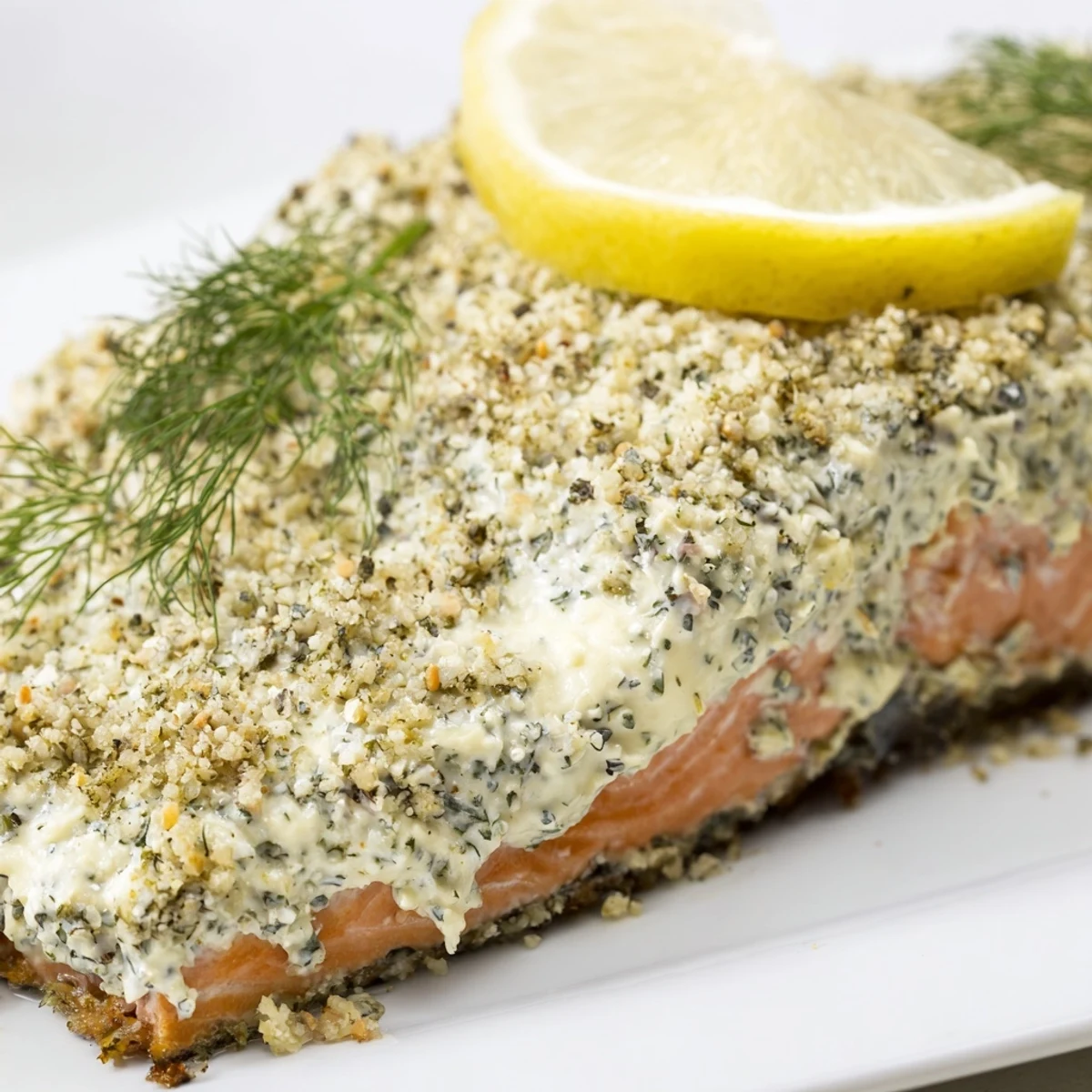
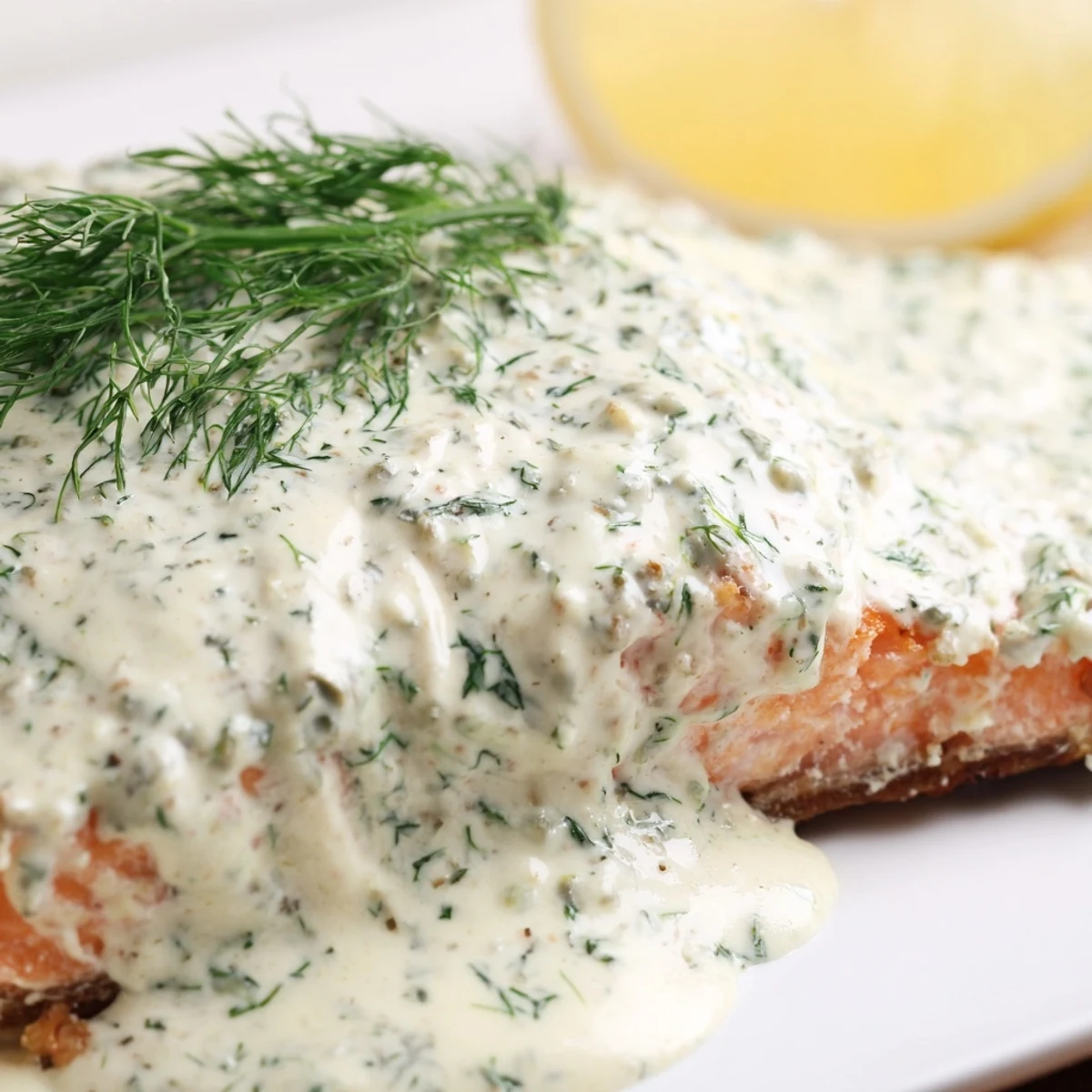
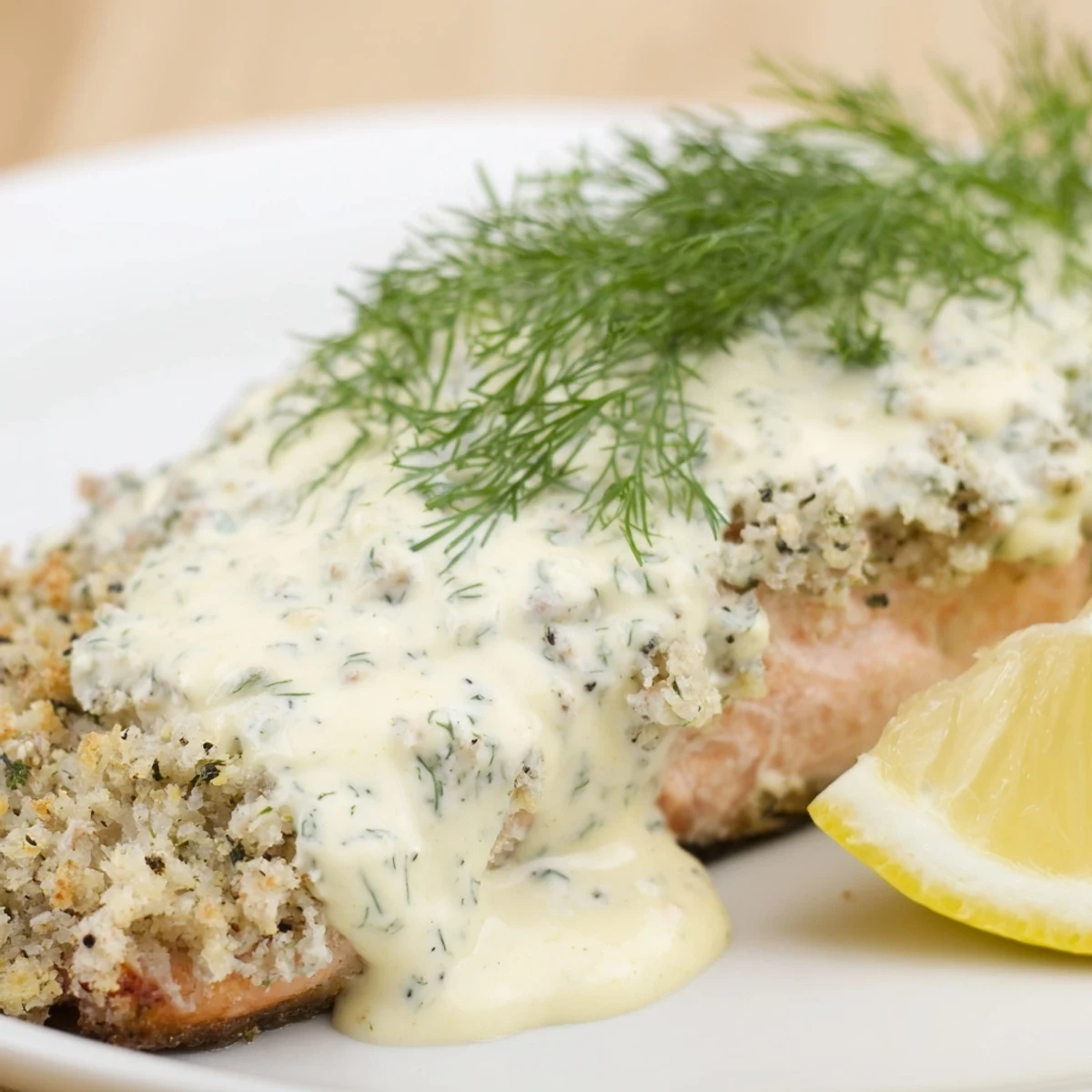
 Enjoy tender, oven-baked salmon fillets enhanced by a creamy sauce made with fresh dill and a blend of Dijon and whole grain mustard. This quick and simple cooking method preserves the fish's moisture while the sauce adds a bright, tangy flavor with hints of honey and garlic. Garnish with lemon wedges and extra dill to elevate the dish. Ideal for a wholesome, elegant meal ready in under 30 minutes.
I learned to make this salmon on a weeknight when a friend texted asking what I was cooking, and somehow that simple question turned into an impromptu dinner party. I had salmon in the freezer, mustard in the cupboard, and just enough fresh dill from the garden to make something that felt more impressive than the thirty minutes I had to work with. The sauce came together so easily that I almost couldn't believe how elegant it tasted—that perfect sharp-creamy balance that makes people think you've been fussing over dinner all day when really you've barely broken a sweat.
The first time I served this to my parents, my mom kept asking if I'd added something she couldn't quite place—turned out to be the honey, just a teaspoon working quietly to round out all that sharp mustard and bright dill. My dad asked for seconds before anyone else had finished, which from him is basically a standing ovation, and we ended up talking so long that dessert happened almost by accident.
Ingredients
- Salmon fillets (4, about 170 g each): Look for fillets that feel firm and smell like the ocean, not fishy—that's your first sign everything's going to taste good.
- Olive oil (1 tablespoon): Just enough to help the salmon develop a little color and keep it from sticking, nothing extravagant needed here.
- Salt and freshly ground black pepper: The only seasoning the fish itself needs before the sauce arrives to do the real work.
- Dijon mustard (3 tablespoons): The backbone of your sauce—smooth, sharp, and doing most of the flavor lifting.
- Whole grain mustard (2 tablespoons): This adds texture and a subtle sweetness that plays beautifully against the Dijon.
- Mayonnaise (3 tablespoons): The peacemaker that softens the mustard's edges and makes everything creamy; use real mayo if you can.
- Fresh dill (2 tablespoons, plus extra for garnish): Fresh dill is non-negotiable here—it's what makes people ask what that bright green flavor is.
- Fresh lemon juice (1 tablespoon): A squeeze of brightness that keeps the sauce from feeling heavy.
- Honey (1 teaspoon): A tiny bit of sweetness that quietly balances everything and makes the flavors sing together.
- Garlic clove (1, minced): Just one, finely minced so it dissolves into the sauce rather than announcing itself.
- Lemon wedges: For serving, so people can add extra brightness if they want it.
Instructions
- Get your oven ready:
- Preheat to 200°C (400°F) and line a baking sheet with parchment paper or a light spray of oil—this is your stage, make it non-stick.
- Prepare the salmon:
- Pat those fillets dry with a paper towel because any moisture will steam the fish instead of letting it cook properly. Place them skin-side down, brush lightly with olive oil, and season with just salt and pepper—the fish speaks for itself right now.
- Bake the salmon:
- Slide it into the oven for 12 to 15 minutes depending on thickness, watching for that moment when the flesh turns opaque all the way through. You'll know it's done when a fork flakes the thickest part easily.
- Make the sauce:
- While the salmon's in the oven, whisk together both mustards, mayo, dill, lemon juice, honey, and minced garlic in a small bowl until everything's smooth and cooperative. Taste as you go—if it needs more brightness, add another squeeze of lemon.
- Bring it all together:
- Pull the salmon out of the oven, plate each fillet, and spoon that sauce generously over the top like you mean it. Scatter extra fresh dill on top and tuck a lemon wedge beside each fillet.
- Serve immediately:
- Don't let it sit around getting cold—this is best enjoyed right when everything's still warm and the sauce is at its creamiest.
 Save to Pinterest
 There's something about putting a homemade sauce on top of something simple that makes people feel cared for—like you took an extra fifteen minutes just for them. The first time someone asked me for the recipe, I almost didn't want to share it because it felt like my secret, but then I realized the real magic wasn't in the ingredients, it was in knowing when to stop fussing and just trust that good things are already right there.
The Dill Question
Fresh dill is really the thing here—it's bright and grassy in a way dried dill can never quite match, even though dried will work in a pinch. If you've got a pot of dill growing somewhere, or a friend who grows it, now's the time to use it generously because it brings this whole dish into focus. I once tried making this with dried dill on a winter night when fresh wasn't available, and I ended up adding a tiny squeeze of lemon zest instead just to get that freshness back, which taught me that substitutions work better when you understand what you're actually missing.
What to Serve It With
The sauce is rich enough that you want something light beside it—roasted potatoes work beautifully because they're substantial without fighting for attention, or steamed green vegetables if you're going the lighter route. A crisp white wine like Sauvignon Blanc is honestly perfect because the acidity cuts through the cream and the dill in both the sauce and the wine feel like they were made for each other. I've also served this with rice on nights when I wanted something soft and neutral, letting the salmon and that gorgeous sauce be the stars.
Making It Your Own
This recipe is flexible in the best way—if mayonnaise feels too heavy, Greek yogurt swaps in beautifully and actually brightens everything up. You can go heavier on the whole grain mustard if you like texture, or skip it entirely if you prefer smooth, and the honey is really just there to whisper sweetness, so taste and adjust to what feels right to you. Here's what I've learned works:
- Add a touch of white wine or even water to the sauce if it's thicker than you'd like.
- Fresh tarragon is magical if you have it instead of or alongside the dill.
- A tiny pinch of cayenne pepper wakes everything up without making it hot.
 Save to Pinterest
 This has become one of my go-to meals when I want to feel like I've accomplished something without actually spending all evening in the kitchen. It's the kind of recipe that makes you look good without requiring you to be anywhere near a culinary genius.
Recipe Questions & Answers
- → What type of salmon works best for baking?
-
Fresh or thawed salmon fillets with or without skin both work well. Skin-on fillets help retain moisture and flavor.
- → How do I know when the salmon is perfectly cooked?
-
Salmon is done when it turns opaque and flakes easily with a fork but remains moist inside.
- → Can I adjust the sauce to be lighter?
-
Yes, substitute mayonnaise with Greek yogurt to reduce fat while keeping creaminess.
- → Is fresh dill necessary for the sauce?
-
Fresh dill offers the best flavor and aroma, but dried dill can be used if fresh is unavailable, though it’s less vibrant.
- → What side dishes complement this salmon preparation?
-
Roasted potatoes, steamed vegetables, or a crisp green salad pair beautifully to balance flavors and textures.
- → How should I store leftovers for best quality?
-
Keep salmon and sauce refrigerated in airtight containers and consume within 1-2 days for best taste.