
 Save to Pinterest
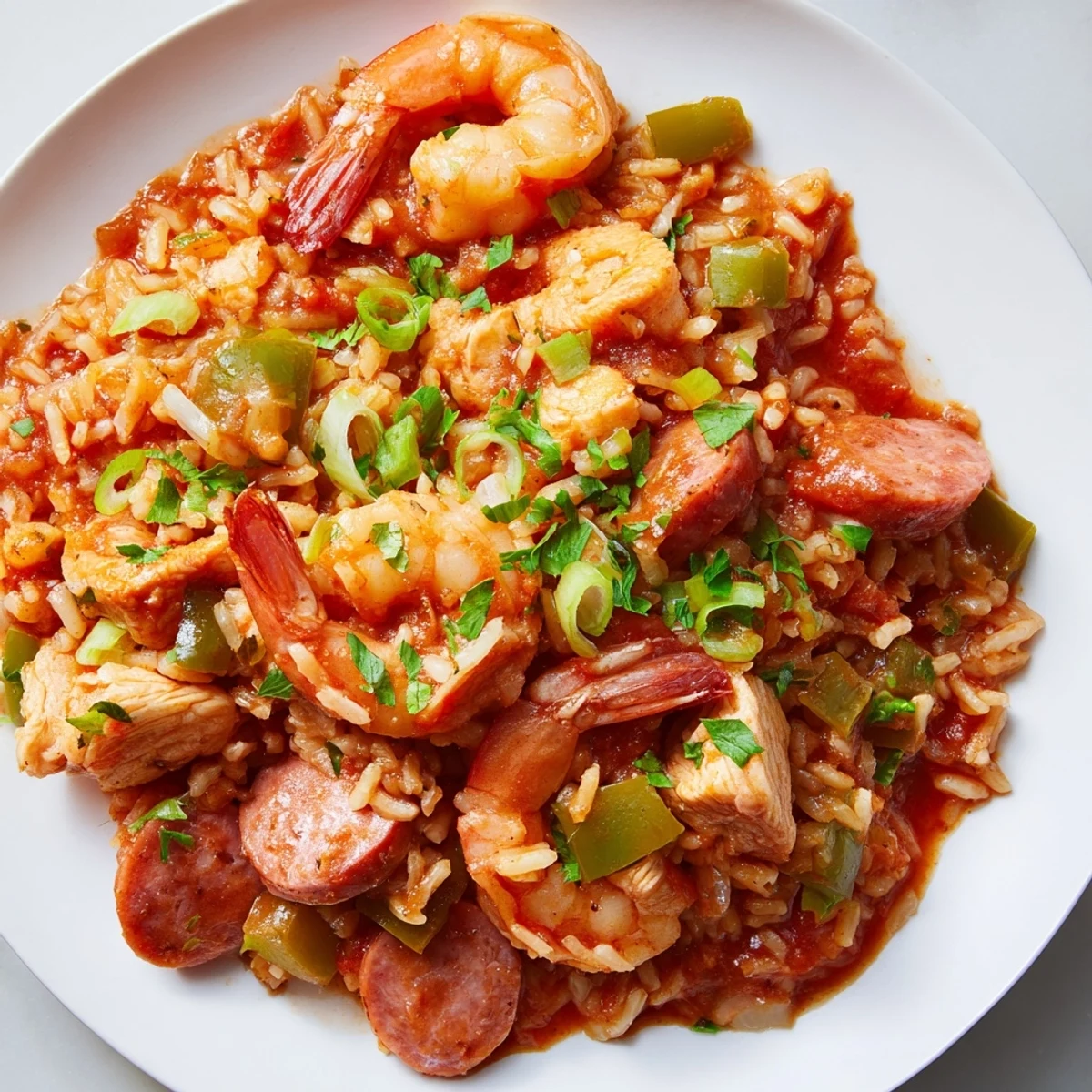
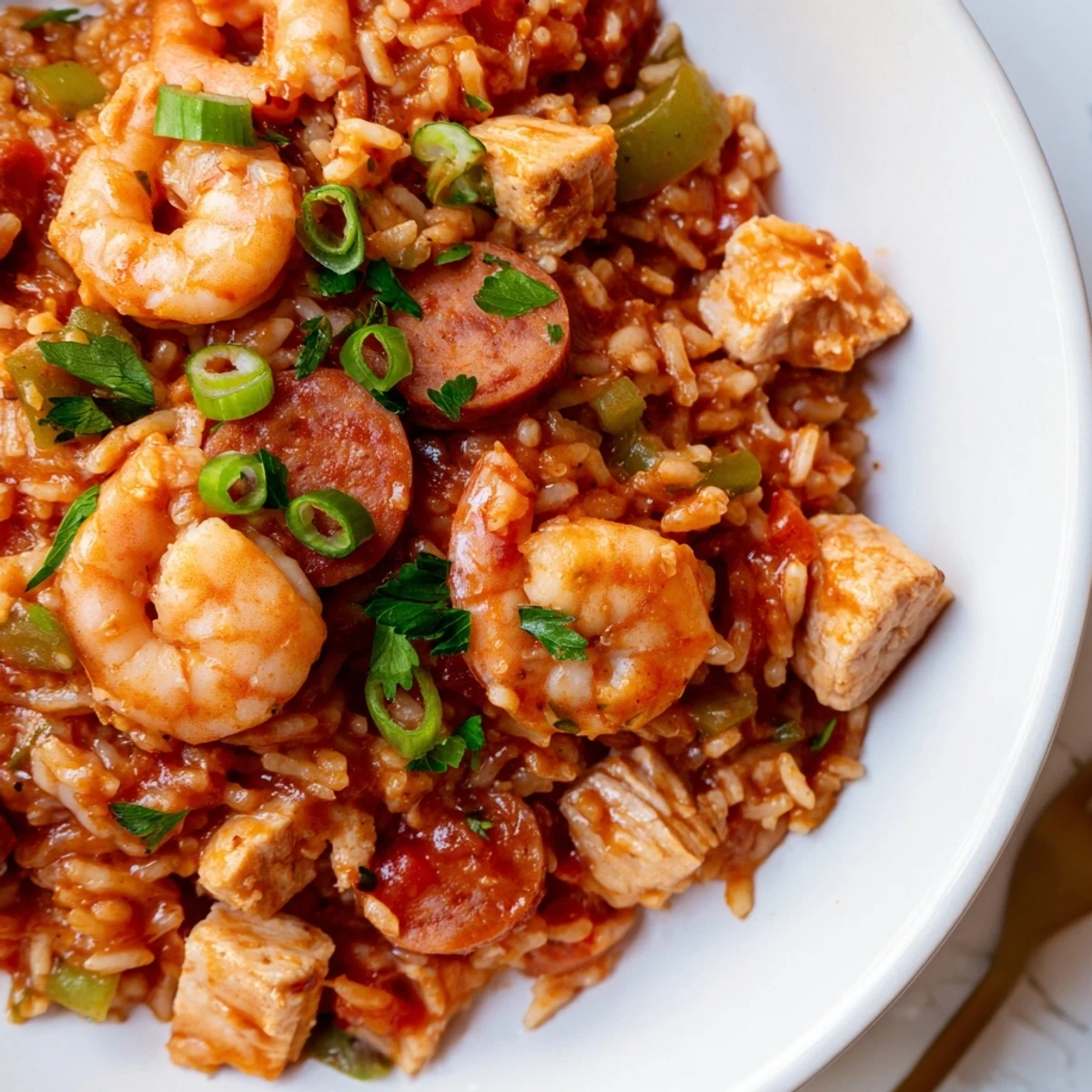
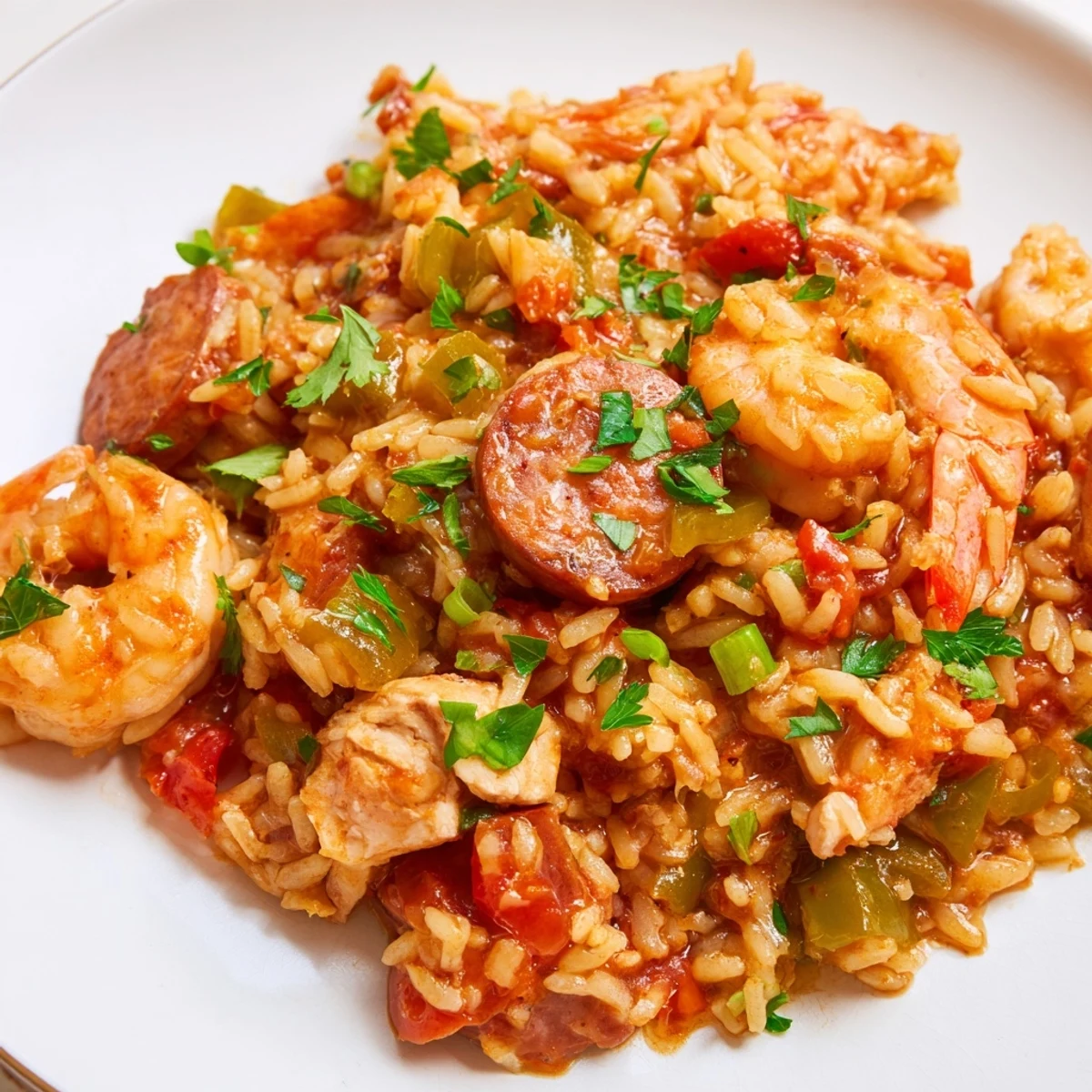
 This authentic Creole jambalaya combines tender chicken thighs, succulent shrimp, and smoky andouille sausage with the holy trinity of onions, bell peppers, and celery. Long-grain rice absorbs a deeply flavored broth infused with tomatoes, paprika, thyme, oregano, and cayenne for authentic Louisiana heat. Brown the proteins first for depth, then build the aromatic base before simmering everything together for perfectly cooked rice and tender shrimp. This one-pot wonder delivers restaurant-quality results in just one hour.
The first time I made jambalaya, my kitchen windows fogged up completely as the rich aroma of sautéed trinity filled every corner of the house. Outside, rain drummed against the roof while inside, this pot of Louisiana comfort bubbled away, transforming simple ingredients into something magical. My southern neighbor had scribbled the recipe on the back of an envelope after I'd mentioned never having made a proper Creole dish before.
Last Mardi Gras, I brought this jambalaya to our neighborhood potluck where it sat beside fancy charcuterie boards and artisanal flatbreads. As the evening progressed, I watched from across the room as people kept returning to the humble dutch oven, spooning second and third helpings. Even Mrs. Thomas, who lived in New Orleans for thirty years, asked what family recipe Id used and nodded approvingly at my technique.
Ingredients
- Chicken thighs: Dark meat stays juicy even after the long simmer, and I've learned that cutting them slightly larger than bite-sized compensates for their shrinking during cooking.
- Andouille sausage: This smoky sausage creates the backbone flavor, but after a memorable disaster with extra-spicy andouille that overwhelmed everything, I now taste a small piece before adding the full amount.
- The trinity: Equal parts onion, bell pepper and celery form the aromatic base that defines Louisiana cooking - one evening I tried skipping the celery and immediately regretted it.
- Long-grain rice: Dont skip rinsing it, as Ive discovered the hard way that unwashed rice can turn your beautiful jambalaya into gummy cement.
- Cayenne pepper: I keep a light hand initially, letting everyone adjust their own heat level at the table - this revelation saved my friendship with my spice-averse brother-in-law.
Instructions
- Brown the proteins:
- Start by heating olive oil until it shimmers before adding your chicken pieces. Youll want that gorgeous golden crust that forms when you dont crowd the pan and resist the urge to stir constantly.
- Build the flavor base:
- The trinity of vegetables should cook until they become soft and fragrant, releasing their moisture into the pot. Listen for that satisfying sizzle as they hit the hot oil.
- Rice alchemy:
- Coat each grain with the vegetable mixture before adding liquids - this step prevents clumping and infuses the rice with flavor from the very beginning. You'll see the rice turn slightly translucent around the edges.
- The patient simmer:
- Keep the heat low and lid tight during the crucial cooking period. The gentle bubbling sound should be barely audible, like a whispered conversation.
- Add the shrimp last:
- Shrimp cook remarkably quickly, and nothing ruins jambalaya faster than rubbery overcooked seafood. They'll turn from gray to pink before your eyes, signaling they're perfectly done.
- The final rest:
- Resist the temptation to serve immediately. Let the pot sit covered off heat for five minutes, allowing flavors to meld and excess moisture to be absorbed.
 Save to Pinterest
 When my brother visited from Seattle during a particularly difficult time in his life, I made this jambalaya without any fanfare, just something warm for dinner. As we sat at the kitchen table, steam rising from our bowls, he took a bite and fell silent. After a moment he looked up and said, This tastes like being taken care of, and sometimes I think thats what good cooking really is.
Serving Suggestions
I've learned that jambalaya needs little accompaniment, but a simple green salad with a sharp vinaigrette creates the perfect contrast to the richness of the dish. The lemon wedges arent just garnish - a fresh squeeze brightens everything on the plate, especially the seafood flavors that might otherwise get lost among the bolder components.
Making Ahead & Storage
After experimenting repeatedly, I've discovered jambalaya actually improves overnight in the refrigerator, as the flavors have time to fully integrate into the rice. When reheating, I add a small splash of chicken stock and cover the pot, using gentle heat to bring it back to temperature without drying out or overcooking the delicate shrimp.
Adjusting The Heat Level
One summer I served this jambalaya at a gathering where guests ranged from my pepper-loving uncle to my spice-phobic niece, and learned the importance of finding middle ground with heat. The base recipe now keeps cayenne moderate, letting everyone customize their own experience at the table.
- Hot sauce passed at the table allows spice enthusiasts to dial up the heat without compromising the base dish.
- A dollop of cool sour cream on top can tame the spice for sensitive palates while adding a rich counterpoint.
- Remember that andouille varieties vary dramatically in spiciness, so taste before you commit to the full amount.
 Save to Pinterest
 This jambalaya has become more than just dinner in my home - its become a language of care, celebration and comfort. Whether for weekly family meals or special gatherings, theres something about this colorful, fragrant pot that brings people together around the table in the most wonderful way.
Recipe Questions & Answers
- → Can I make jambalaya ahead of time?
-
Yes, jambalaya tastes even better the next day as flavors meld. Prepare through step 6, cool completely, then refrigerate. Reheat gently over medium-low heat, adding the shrimp fresh during reheating to avoid overcooking.
- → What's the difference between jambalaya and gumbo?
-
Jambalaya is a rice dish where rice cooks in the flavorful broth, creating a one-pot meal. Gumbo is a thicker stew served over rice. Both share Louisiana roots and use the holy trinity of vegetables.
- → How do I adjust the spice level?
-
Start with ¼ tsp cayenne and gradually increase to ½ tsp or more based on preference. Serve hot sauce on the side for individual heat control. Paprika adds flavor without significant heat.
- → Can I use other proteins instead of shrimp?
-
Absolutely. Substitute with crab meat, crawfish, mussels, or increase chicken and sausage proportions. Adjust cooking times based on protein—shellfish cooks quickly in 5-7 minutes.
- → Why is my rice mushy?
-
Jambalaya rice should be tender but not mushy. Use a 1:2.5 rice-to-liquid ratio and don't stir excessively. Keep the lid on during cooking to trap steam, and remove from heat once liquid absorbs.
- → What type of rice works best?
-
Long-grain white rice like jasmine or basmati works perfectly, staying separate and fluffy. Short-grain rice becomes stickier. Rinse rice before cooking to remove excess starch for better texture.