
 Save to Pinterest
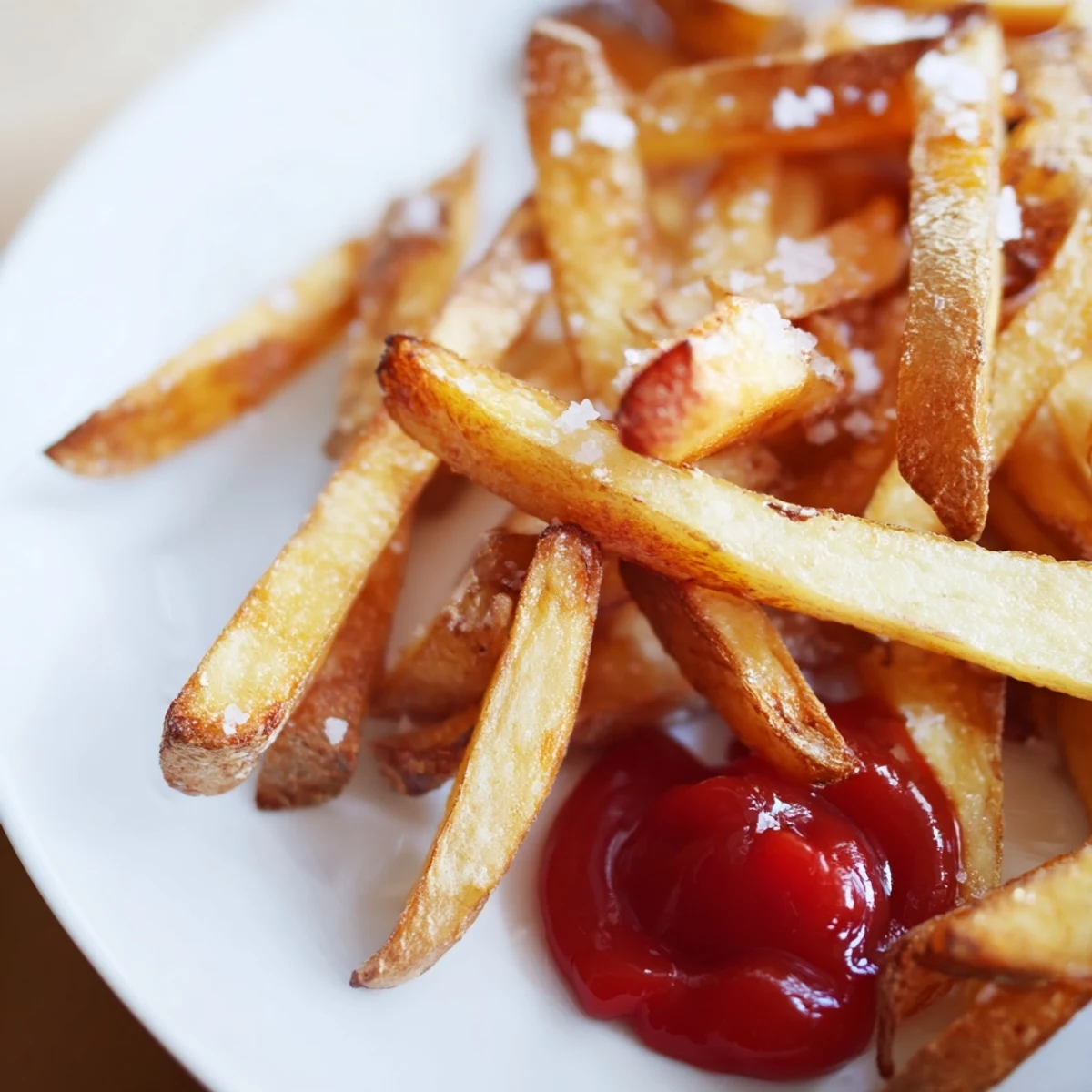
 These golden fries are double-fried to achieve a perfect crispy exterior while staying tender inside. Start by rinsing cut potatoes to remove excess starch, then fry them twice in hot vegetable oil at controlled temperatures. Toss freshly fried fries with sea salt and serve immediately alongside classic tangy ketchup. Options for seasoning include smoked paprika or garlic powder, and alternate dips like aioli provide tasty variations. This method ensures a satisfying treat that's both crunchy and flavorful, suitable for vegetarian and vegan diets depending on ketchup choice.
There's something about the sound of potatoes hitting hot oil that instantly transports me back to lazy summer afternoons at my grandmother's kitchen. She'd stand at the stove with this effortless confidence, never checking a thermometer, just knowing by the way the oil moved when it was time. I've since learned that her magic was actually science, but I still chase that same golden perfection she made look so simple. These crispy fries became my comfort food, the thing I make when I want to feel like everything's under control.
I remember making these for my roommate's birthday party, thinking they'd just be a side dish no one would touch. Instead, people were hovering around the cooling rack before they'd even finished draining, burning their fingertips and asking for the recipe. That's when I realized some dishes don't need to be complicated to leave an impression—they just need to be done right.
Ingredients
- Russet Potatoes (900 g / 2 lbs): These are your foundation—their starch content is exactly what you need for that fluffy interior and crispy exterior that feels like contrasts when you bite into it.
- Vegetable Oil (1 L / 4 cups): Sunflower or canola works best because they can handle high heat without smoking and won't overpower the potato flavor with anything too assertive.
- Sea Salt (1 tsp): Never underestimate salt—it's the thing that makes people go back for more without quite knowing why.
- Ketchup (120 ml / ½ cup): The classic pairing, though honestly these are good enough to eat alone once you taste that first salty, crispy bite.
Instructions
- Cut and Soak Your Potatoes:
- Peel your russet potatoes and cut them into uniform fries—about the thickness of a pencil works perfectly. Rinse them under cold water and watch the water get cloudy; that's the starch leaving, which is exactly what you want. Pat them completely dry with a kitchen towel because water and hot oil don't get along.
- Get Your Oil Ready:
- Pour your vegetable oil into a deep, heavy-bottomed pot and clip on a kitchen thermometer. Heat it to 175°C (350°F)—this is your first-fry temperature, and hitting this mark is where the magic starts.
- First Fry (Blanch):
- Working in batches so you don't crowd the pot, carefully add your fries to the hot oil and listen to them sizzle. Fry for 4–5 minutes until they're pale golden and tender but not crispy yet—think of this as cooking them through. Use a slotted spoon to fish them out and spread them on paper towels to cool.
- Second Fry (Crisping):
- Turn your heat up to 190°C (375°F) and let the oil come back to temperature. Return your fries in batches and fry for 2–3 minutes until they're a deep golden brown and crackling. This is when they transform into something irresistible.
- Season and Serve:
- Drain your fries thoroughly on fresh paper towels and toss with sea salt while they're still hot. Serve immediately with ketchup on the side, or don't serve them at all and keep them for yourself—I won't judge.
 Save to Pinterest
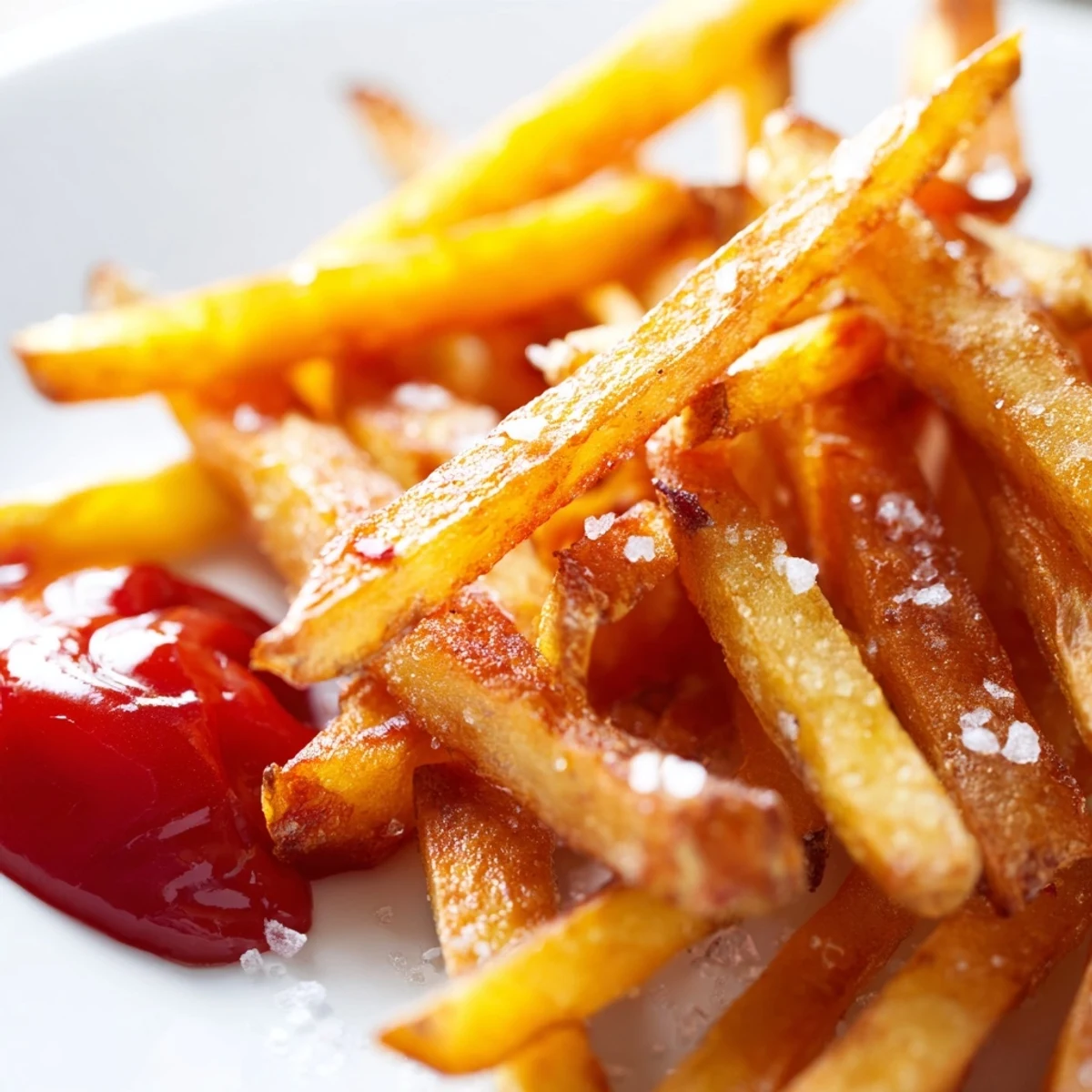
 I learned the hard way that fries left sitting in a warm bowl start steaming themselves back to softness, which is why my friend's grandmother always served them on a cloth-lined plate that wicked away moisture. That small detail changed everything about how I think about serving them. Now when people eat these at my table, they stay crispy all the way to the last fry, and I get to feel like I know some ancient kitchen secret.
Why Temperature Really Matters
A kitchen thermometer is genuinely your best friend here—it's the difference between fries that are greasy and limp versus ones that shatter when you bite into them. The first temperature (175°C) is lower so the potato can cook through without the outside burning. The second temperature (190°C) is hotter because your fries are already partially cooked and you just need to crisp them up. I spent years guessing and getting inconsistent results until I finally stopped being stubborn about checking the temperature. It takes thirty seconds and changes everything.
The Starch Game
Rinsing your potatoes isn't busywork—it's removing excess starch so your fries get crispy instead of gummy. The cold water rinse also helps them cook more evenly because you're essentially cleaning the surface so heat reaches everything uniformly. I once skipped this step thinking I was saving time and ended up with fries that were simultaneously mushy in the middle and somehow burnt on the outside, which I didn't think was physically possible until I made them. Now I rinse like my life depends on it.
Beyond Ketchup
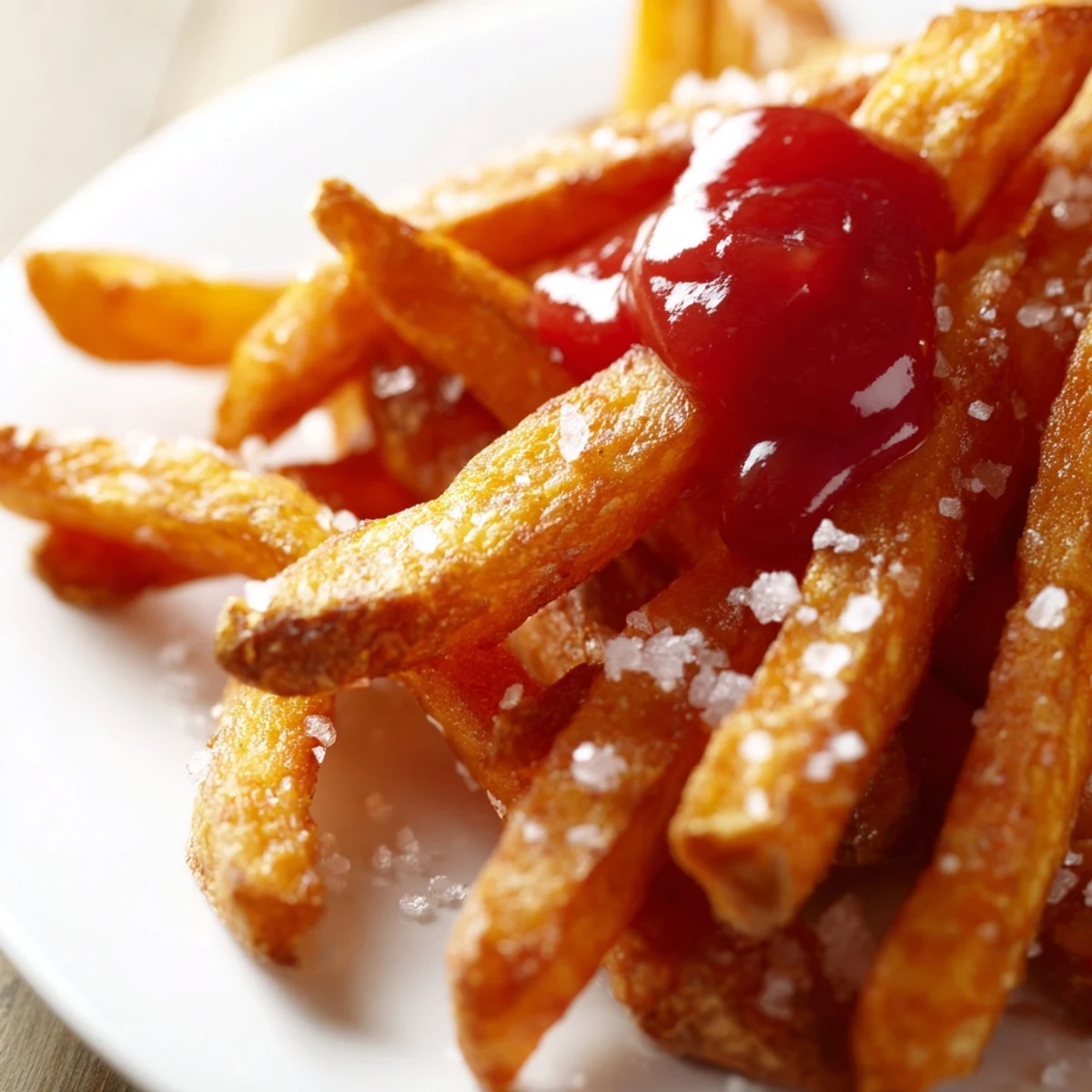
Ketchup is classic for a reason, but once you have truly crispy fries, you might want to experiment with what you dip them in. The possibilities are genuinely endless and it's one of those happy accidents where good technique opens up new doors.
- Smoked paprika sprinkled over the salt gives them a subtle depth that feels like you just leveled up without changing the recipe.
- Garlic powder or fresh herbs like rosemary make them feel fancy enough for a dinner party but still taste like pure comfort.
- A spicy aioli or even just mayo mixed with sriracha turns them into something people will ask you to make again and again.
 Save to Pinterest
 These fries are proof that sometimes the simplest things, done with a little care and attention, become the meals people remember. Serve them hot and watch what happens.
Recipe Questions & Answers
- → How do I achieve extra crispy fries?
-
Soaking the cut fries in cold water for 30 minutes removes excess starch, and double-frying at different temperatures locks in crispiness.
- → What oil is best for frying fries?
-
Use neutral oils with high smoke points like sunflower or canola oil to fry fries evenly without burning.
- → Can I season fries beyond salt?
-
Yes, adding smoked paprika, garlic powder, or fresh herbs enhances flavor and adds variety to the fries.
- → How do I know when fries are cooked properly?
-
First fry until pale golden and tender, then a second fry until deep golden and crispy indicates perfect doneness.
- → Are these fries suitable for vegan diets?
-
They can be vegan if vegan-friendly ketchup is used and frying oil contains no animal products.