
 Save to Pinterest
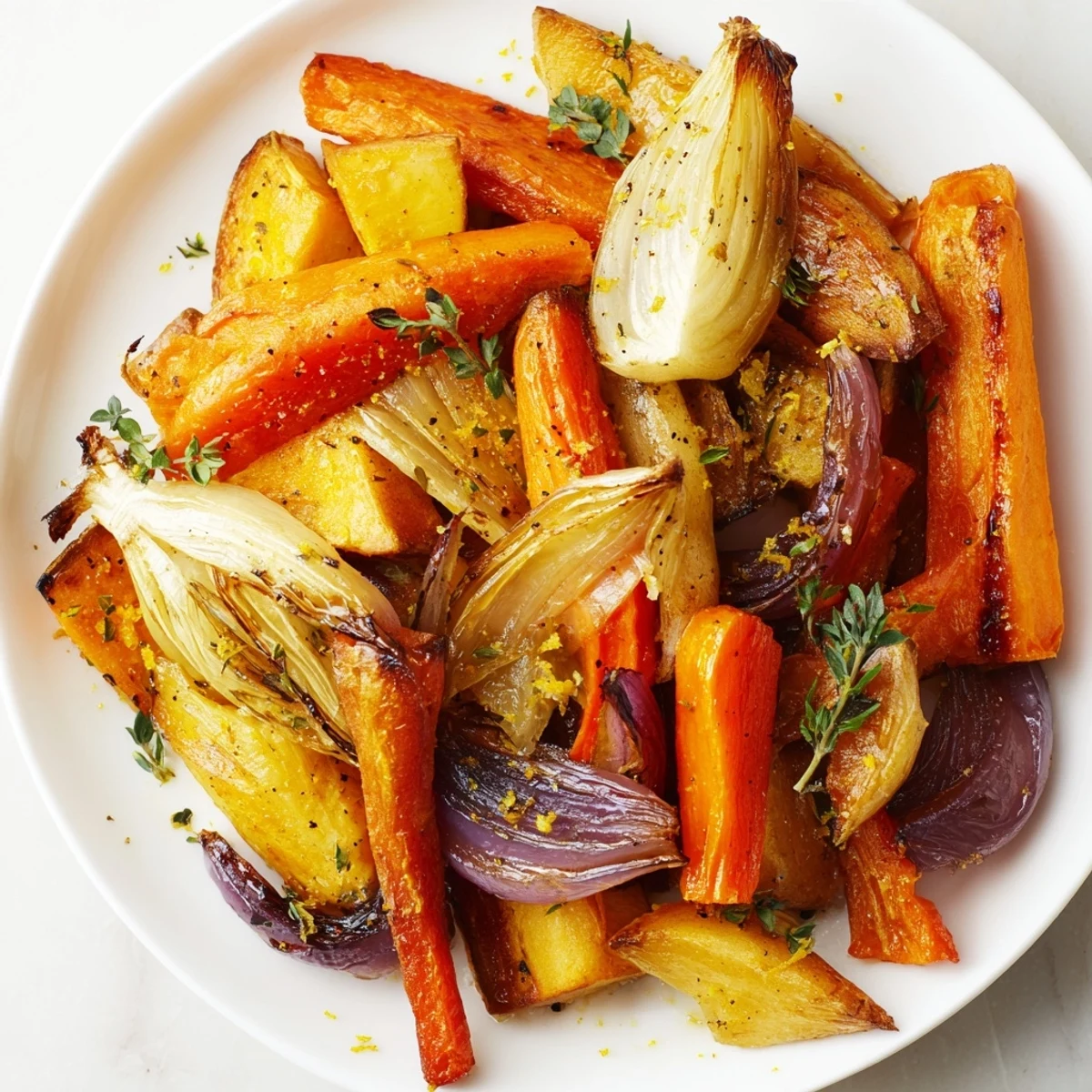
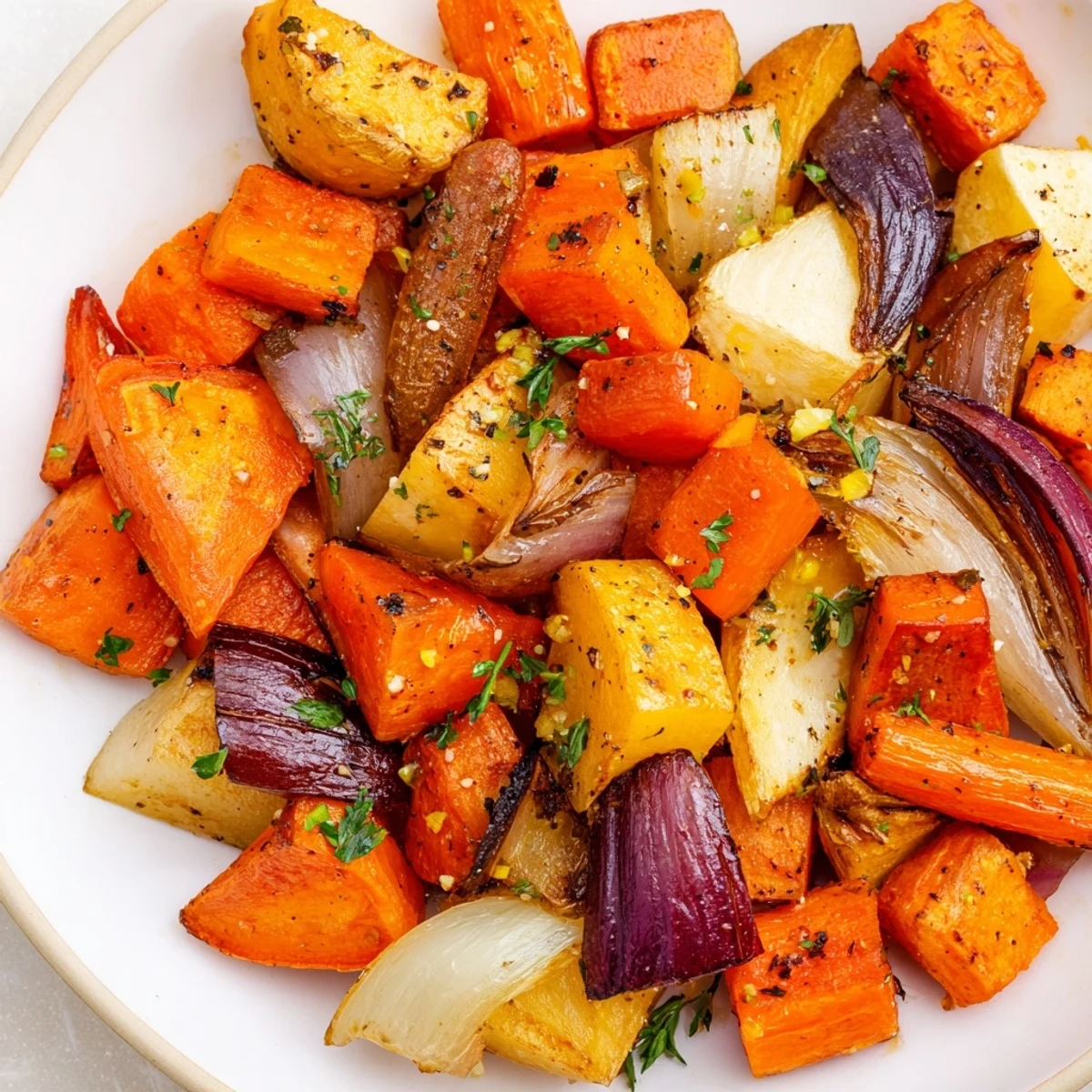
 This dish highlights a medley of root vegetables like carrots, parsnips, sweet potato, celeriac, and red onion caramelized to perfection. Tossed with olive oil, freshly chopped thyme, garlic, salt, and pepper, the roots roast in the oven until tender and golden, offering an aromatic and hearty flavor profile. Garnished with fresh parsley and a hint of lemon zest, it delivers a vibrant, rustic touch. Ideal for a gluten-free, vegetarian meal, this dish pairs wonderfully with roasted meats or stands strong on its own.
There was a Tuesday evening when I opened my vegetable drawer to find it nearly empty except for a bunch of carrots, a parsnip, and something that looked like it had seen better days. Rather than order takeout, I grabbed what little else I had, tossed everything in a pan with olive oil and thyme, and forty minutes later pulled out the most golden, caramelized masterpiece. It was the kind of accident that teaches you something true about cooking—sometimes the best meals come from working with what's already in front of you.
I made this for a dinner party where one guest mentioned she'd given up meat, and I suddenly had nothing prepared that felt substantial enough. I threw together whatever roots I could find, hit them with thyme, and watched people ask for the recipe before they'd even finished their plates. That's when I knew it wasn't just a side dish—it was the kind of thing that stands on its own.
Ingredients
- Carrots: Choose ones that feel firm; they'll caramelize beautifully and turn sweet as they roast.
- Parsnips: Slightly earthier and starchier than carrots, they add depth and creaminess when soft.
- Sweet potato: Brings natural honey notes and keeps everything from feeling one-dimensional.
- Celeriac: If you haven't cooked with this before, trust it—it becomes silky and nutty.
- Red onion: The sweetness mellows in the heat, and the natural sugars caramelize with everything else.
- Olive oil: Don't skimp here; this is what turns the vegetables golden and creates the crispy edges.
- Fresh thyme: The heart of the dish—it perfumes everything as it roasts and smells like walking through someone's garden.
- Garlic: Minced small so it disappears into the vegetables rather than overpowering them.
Instructions
- Heat your oven and prep the pan:
- Set the temperature to 200°C (400°F) and line a baking sheet with parchment paper so nothing sticks and cleanup stays effortless.
- Toss everything together:
- Combine all your chopped vegetables in a large bowl, then pour the olive oil, salt, pepper, thyme, and minced garlic over them. Toss with your hands until every piece is glistening and coated—this is where the magic starts.
- Spread it out:
- Arrange the vegetables in a single layer on your baking sheet, giving them space to breathe so they caramelize instead of steam.
- Roast and stir:
- Put it in the oven and forget about it for about seventeen minutes, then give everything a good stir so the pieces on the bottom get a turn at the hot spots. Let them go another eighteen to twenty minutes until they're golden and tender when pierced with a fork.
- Finish and serve:
- Transfer to a serving platter, scatter parsley and lemon zest across the top if you have them, and bring it to the table while everything is still warm and the thyme aroma is at its peak.
 Save to Pinterest
 My neighbor knocked on the door smelling the thyme and asked what I was making, then came back the next week asking me to teach her. Watching someone discover that vegetables could taste this good, without any meat or cream, felt like sharing a small kitchen secret.
Why Root Vegetables Matter
There's something honest about cooking with roots—they're forgiving, affordable, and they improve with time in the heat rather than suffering from it. When you're learning to cook, mastering roasted vegetables teaches you more than any fancy technique because you're learning heat, patience, and how simple ingredients transform. The sugars in these vegetables don't exist until the oven brings them out, which is why a root vegetable at room temperature tastes like almost nothing, but the same vegetable roasted tastes like autumn and care.
Variations and Swaps
This recipe is built to adapt to whatever is in front of you or whatever you're craving that week. Turnips work beautifully, as do beets if you don't mind the color bleeding slightly into everything else—which honestly adds to the charm. I've made this with just carrots and onions when that's all I had, and with a mess of six different vegetables when I wanted to clean out the drawer. The thyme stays, because that's what holds it all together, but everything else is negotiable.
Small Touches That Matter
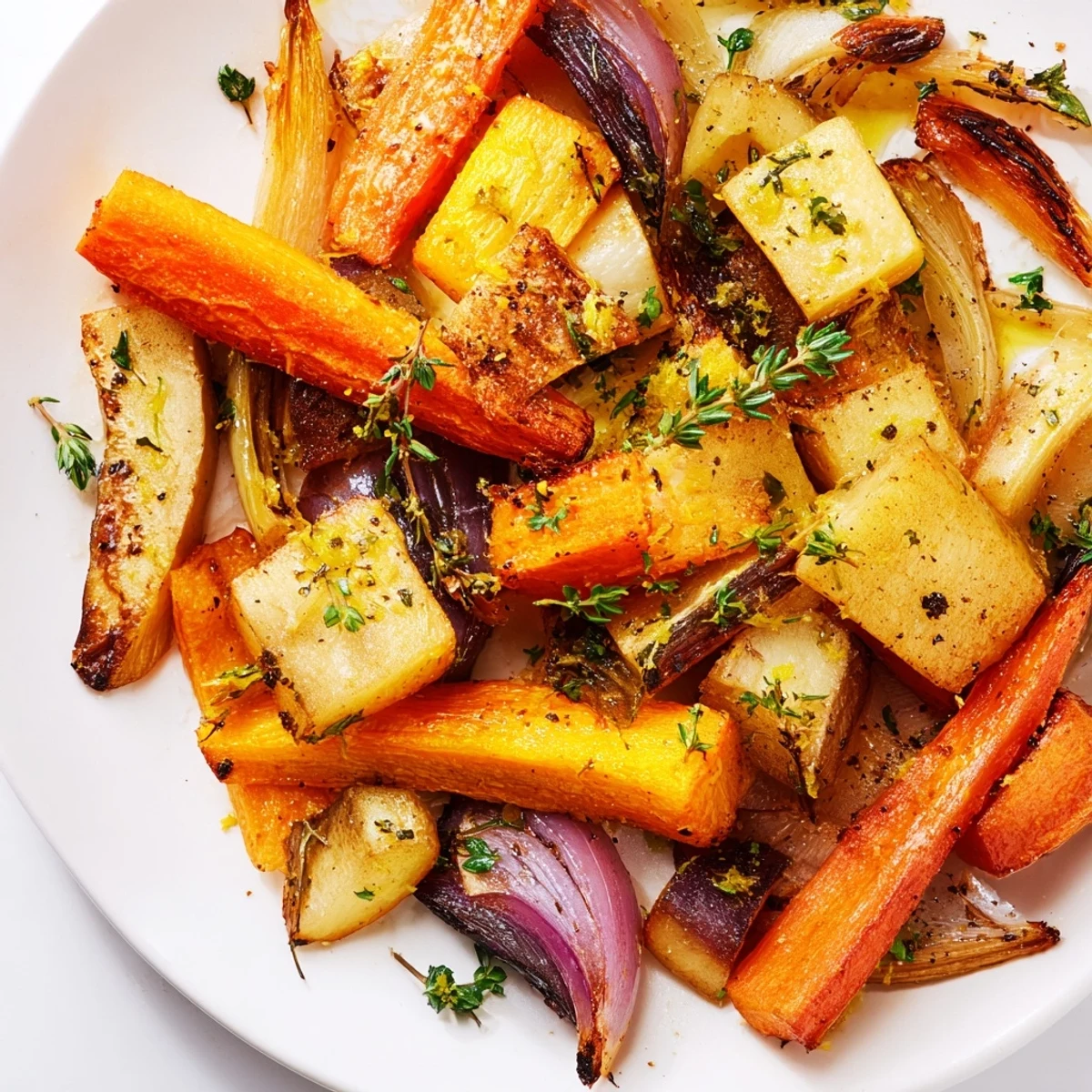
The lemon zest at the end isn't just decoration—it cuts through the richness and makes the whole dish taste brighter and more alive, even though it's just a whisper of citrus. A drizzle of honey before roasting pushes the sweetness further if you're in the mood for that kind of comfort, though I usually skip it because the vegetables already taste like dessert.
- Let the vegetables come to room temperature for a few minutes before serving if you can wait that long, because the flavors settle and deepen as they cool slightly.
- Leftovers taste just as good cold the next day, tucked into a grain bowl or straight from the container while standing at the kitchen counter.
- If the edges feel too dark, your oven might run hot—cover the pan loosely with foil for the second half of roasting next time.
 Save to Pinterest
 This dish has become my answer to the question of what to bring, what to cook when nothing feels inspired, and what to serve when you want people to feel taken care of without any fuss. It's proof that the most memorable meals don't need to be complicated.
Recipe Questions & Answers
- → What types of root vegetables can I use?
-
Carrots, parsnips, sweet potatoes, celeriac, and red onions work well. You can also add turnips, beets, or rutabaga for variety.
- → How do I ensure the roots caramelize properly?
-
Coat vegetables evenly with olive oil and roast at a high temperature (around 200°C/400°F), stirring once halfway to promote even browning.
- → Can I prepare the dish in advance?
-
Roots can be prepped and tossed with seasonings ahead of time. Roast just before serving to maintain texture and flavor.
- → What herbs complement the roasted roots?
-
Fresh thyme is essential here, but parsley adds freshness as a garnish. You may also experiment with rosemary or sage.
- → Any tips for additional flavor?
-
Adding a drizzle of honey before roasting enhances natural sweetness, and lemon zest sprinkled after roasting adds bright citrus notes.