 Save to Pinterest
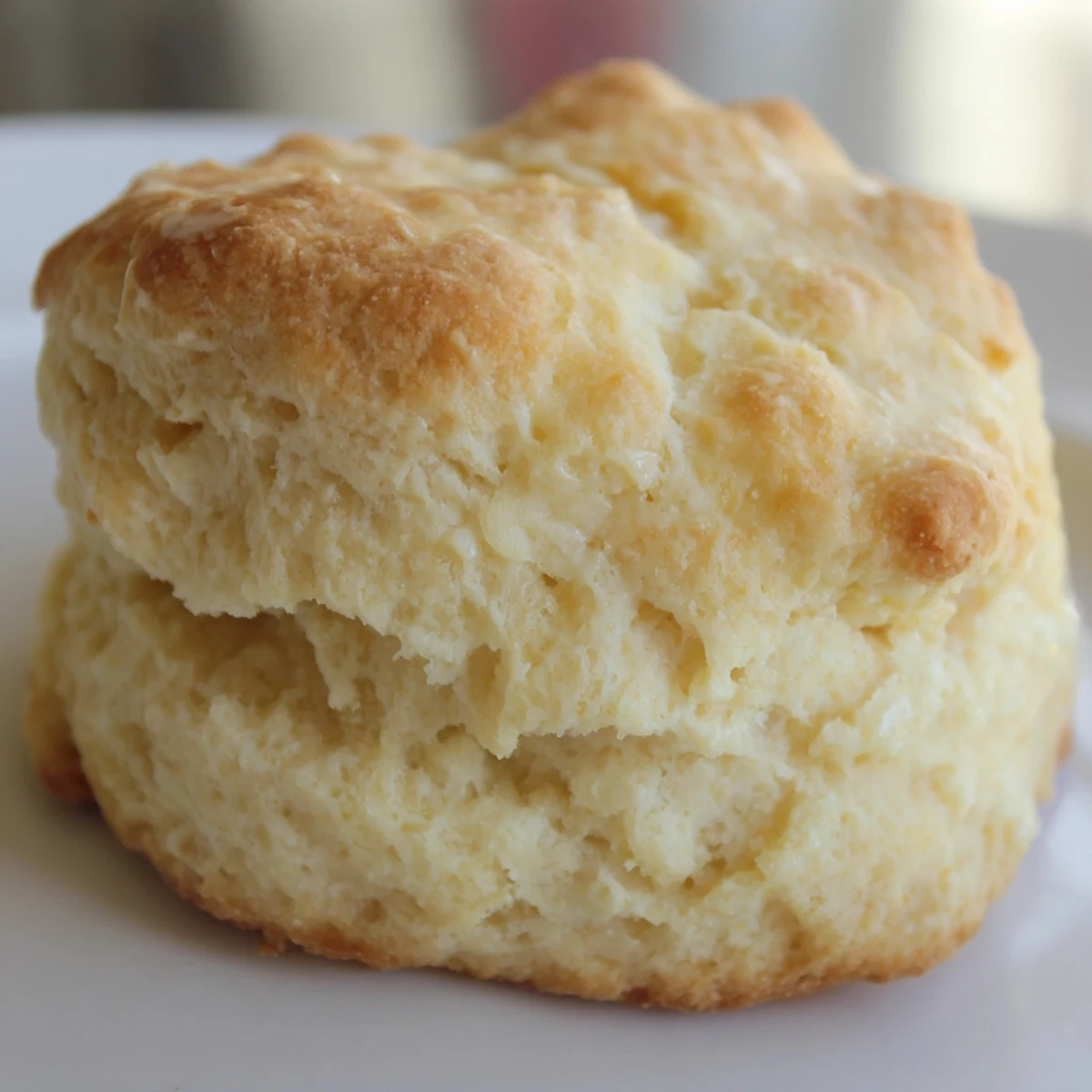
 Master the art of authentic Southern buttermilk biscuits. This guide ensures light, flaky, and buttery results every time. You'll start by combining dry ingredients – flour, baking powder, and soda – with perfectly cold, cubed butter, cut into coarse crumbs. Then, gently mix in cold buttermilk to form a tender dough. The secret to flakiness lies in simple folding before cutting. Bake until golden and serve these warm, tender biscuits. They're ideal as a breakfast staple or a comforting side for any meal, promising a delightful taste of Southern tradition.
I remember standing in my grandmother's kitchen, sunlight streaming through the window, the air thick with the smell of brewing coffee and something impossibly comforting baking in the oven. She never followed a recipe, just measured with her hands and a knowing glance, but those biscuits were legendary. For years, I chased that elusive taste, that perfect flaky texture, until I finally cracked the code with this Southern Buttermilk Biscuit recipe.
One particularly chilly autumn morning, I decided to surprise my housemates with a batch. The aroma of warm butter and baking dough slowly wafted through the house, coaxing everyone out of bed with sleepy smiles. Seeing their faces light up as they slathered jam on those fresh, hot biscuits was a small, perfect moment of domestic bliss.
Ingredients
- All-purpose flour: This is your foundation; don't overthink it, but don't substitute for something too low-protein or you'll lose some structure.
- Baking powder & baking soda: The dynamic duo that gives your biscuits that incredible lift and tender crumb.
- Salt: Essential for balancing the flavors and bringing out the richness of the butter.
- Granulated sugar (optional): A tiny pinch here just rounds out the flavor, making them slightly sweeter, but they're wonderful without it too.
- Unsalted butter, cold and cubed: This is your secret weapon for flakiness; seriously, keep it as cold as possible.
- Cold buttermilk: Its acidity reacts with the leaveners, and its chill keeps your butter from melting prematurely, both crucial for a light biscuit.
Instructions
- Get Ready, Get Set:
- Preheat your oven to a blazing 450°F (230°C) and get a baking sheet ready with parchment paper; a hot oven means a quick, high rise.
- Whisk Your Dry Friends:
- In a large bowl, whisk together the flour, baking powder, baking soda, salt, and sugar until everything is perfectly combined and aerated.
- Butter Time:
- Add those tiny cubes of cold butter to the dry mixture, then use a pastry cutter or your fingertips to work it in until it looks like coarse crumbs with some delightful pea-sized bits still visible.
- Buttermilk Bath:
- Make a little well in the center of your dry mix and pour in the cold buttermilk; stir gently with a fork, just until the dough barely comes together.
- Fold for Flakes:
- Turn the shaggy dough out onto a lightly floured surface, then pat it gently into a rough rectangle about an inch thick. Fold it in half, then pat it out again; repeat this 2-3 times to create those amazing flaky layers.
- Cut 'em Out:
- Using a 2.5-inch (6 cm) biscuit cutter, press straight down firmly—no twisting, which seals the edges and prevents a good rise. Gather any scraps, re-pat them gently, and cut more biscuits.
- Bake Together:
- Arrange your biscuits on the prepared baking sheet, snuggled closely together; this helps them rise taller and stay soft. Brush their tops lightly with a little extra buttermilk for a beautiful golden finish.
- Golden Perfection:
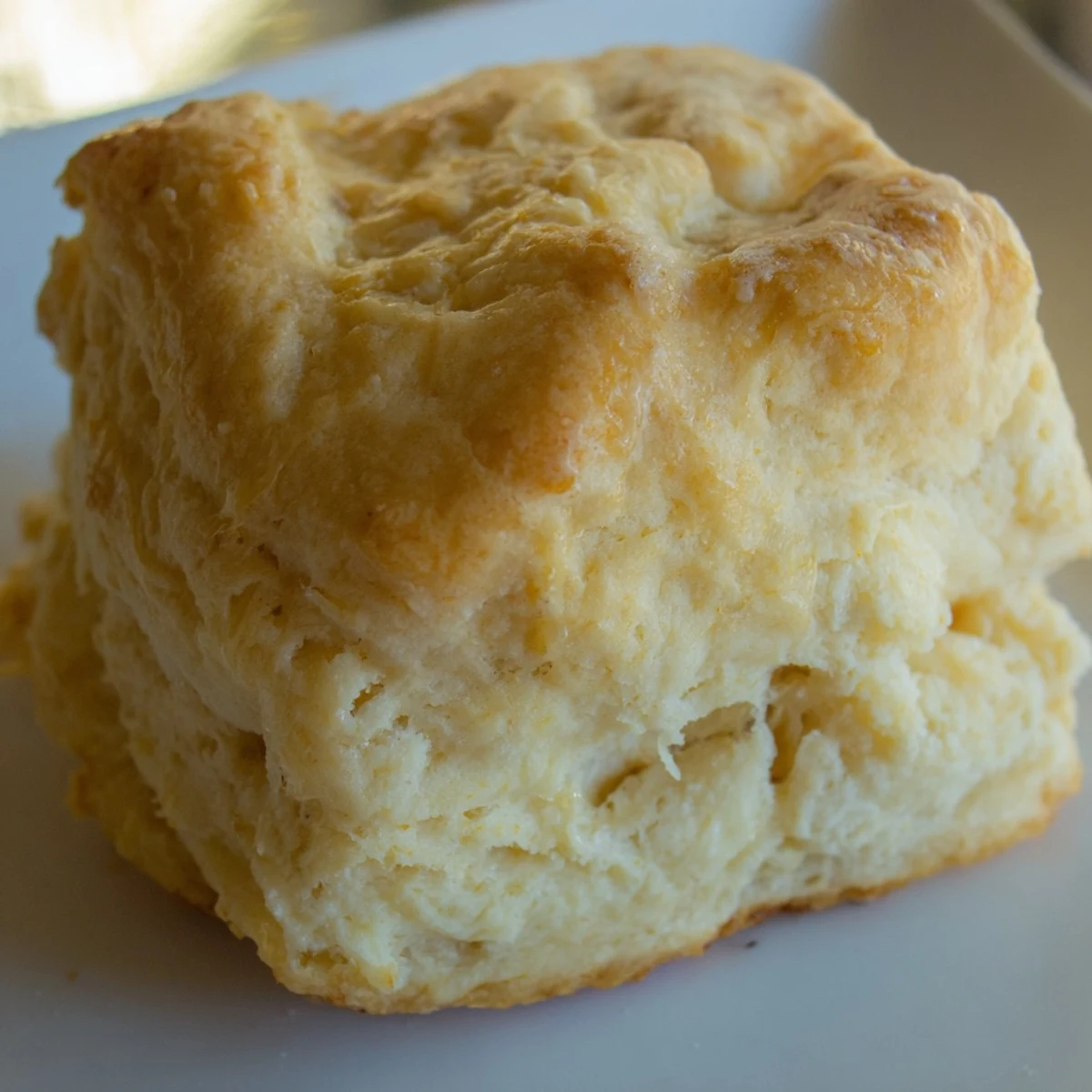
- Slide them into the hot oven for 12–15 minutes, or until they're gorgeously golden brown on top and bottom. Pull them out and serve immediately, while they're still warm and irresistible.
 Save to Pinterest
 These biscuits have a way of anchoring moments, especially on busy weekends. I once whipped up a batch for an unexpected brunch with friends who were passing through town, and the simple act of sharing those warm, fluffy treasures made a fleeting visit feel like a cherished, extended gathering. It's more than just a recipe; it's a way to say, "Welcome."
The Science of Flakiness
Ever wondered why everyone screams "cold butter" for biscuits? It's not just a suggestion; it's the secret sauce. As the cold butter melts in the hot oven, it releases steam, which creates tiny pockets of air, pushing the layers of dough apart to form those glorious, airy flakes. Using warm butter means it melts too quickly and incorporates too smoothly, resulting in a cakier, less flaky biscuit.
The Art of a Light Touch
Making biscuits isn't about brute force; it's about a gentle, loving touch. Overworking the dough develops gluten, which is great for bread, but for biscuits, it means tough, chewy results. Aim for just combined, shaggy dough, and handle it minimally when patting and folding. Think of it more as coaxing the dough than kneading it.
Serving Your Biscuits with Style
These biscuits are magnificent on their own, but they truly shine when paired with the right accompaniments.
- A dollop of homemade jam or a drizzle of local honey takes them to breakfast heaven.
- For a savory twist, split them open and smother them in a rich, peppery sausage gravy.
- They also make a fantastic base for individual fruit shortcakes, especially with fresh berries and whipped cream.
 Save to Pinterest
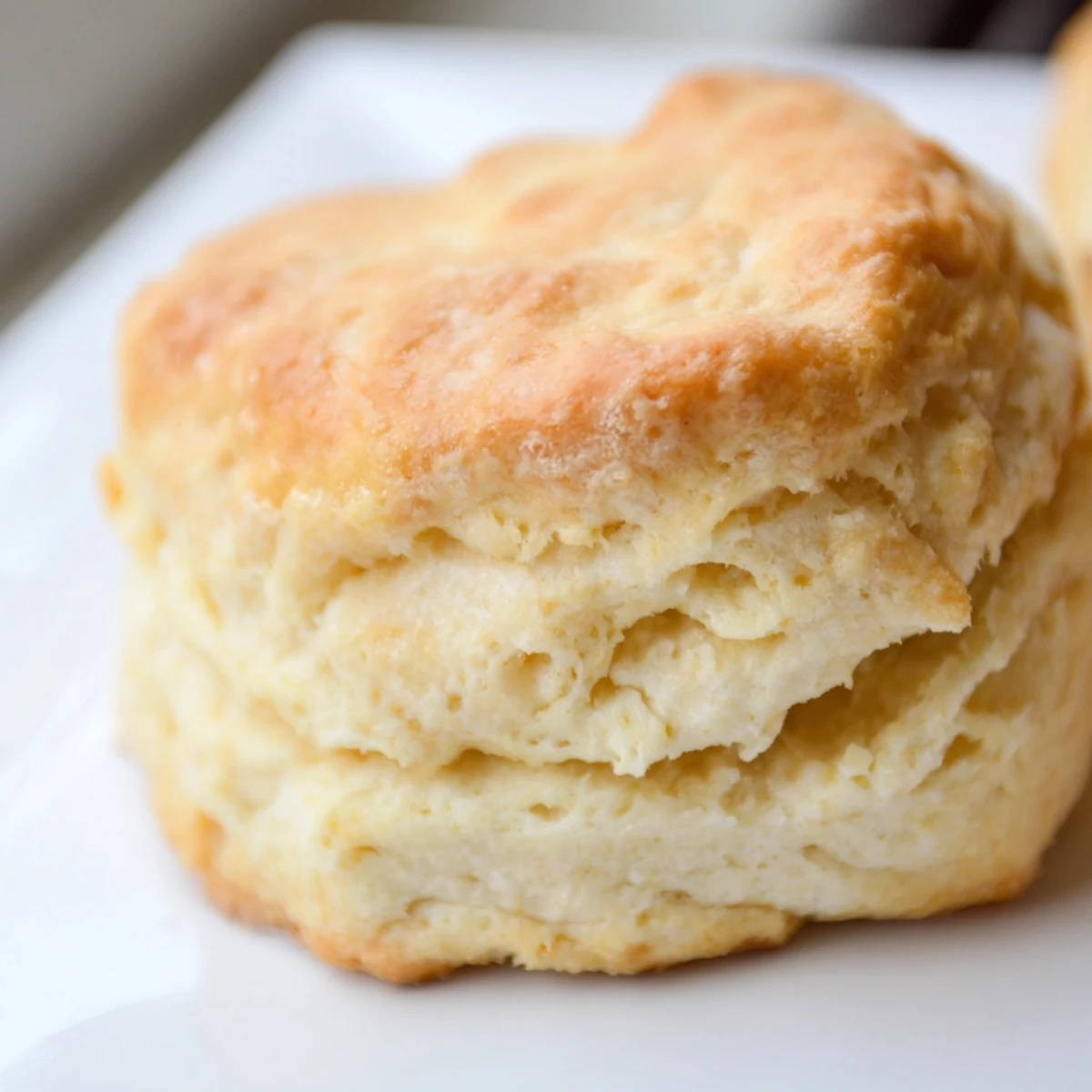
 Whipping up a batch of these Southern Style Buttermilk Biscuits fills the kitchen with such a comforting aroma and brings so much joy. I hope they bring as much warmth and deliciousness to your home as they do to mine.
Recipe Questions & Answers
- → Why is cold butter and buttermilk important for these biscuits?
-
Using cold butter ensures it doesn't fully incorporate into the flour, creating pockets of steam during baking that lead to flaky layers. Cold buttermilk also helps keep the dough cool and contributes to a tender crumb.
- → Can I use a food processor to cut in the butter?
-
While possible, exercise caution. Pulse only a few times until the butter resembles pea-sized pieces to avoid overmixing, which can lead to tough biscuits. A pastry cutter or your fingertips are often preferred.
- → What's the best way to get tall, fluffy biscuits?
-
Ensure your dough is at least 1-inch thick before cutting. When using a biscuit cutter, press straight down without twisting; twisting seals the edges and can inhibit rise. Placing biscuits close together on the baking sheet also encourages them to rise upward.
- → How should I store and reheat leftover buttermilk biscuits?
-
Store cooled biscuits in an airtight container at room temperature for 2-3 days. To reheat, warm them in a toaster oven, a conventional oven at 300°F (150°C) for a few minutes, or briefly in a microwave until soft and warm.
- → Can I make a buttermilk substitute if I don't have any?
-
Yes, you can. Add 1 tablespoon of lemon juice or white vinegar to a liquid measuring cup, then fill it with regular milk (whole or 2%) until it reaches 3/4 cup (180 ml). Let it sit for 5-10 minutes until it slightly curdles before using.
- → Why is it crucial not to overmix the biscuit dough?
-
Overmixing develops the gluten in the flour too much, which will result in tough, chewy biscuits instead of the desired light, tender, and flaky texture. Mix just until the ingredients are combined and no dry streaks remain.