
 Save to Pinterest
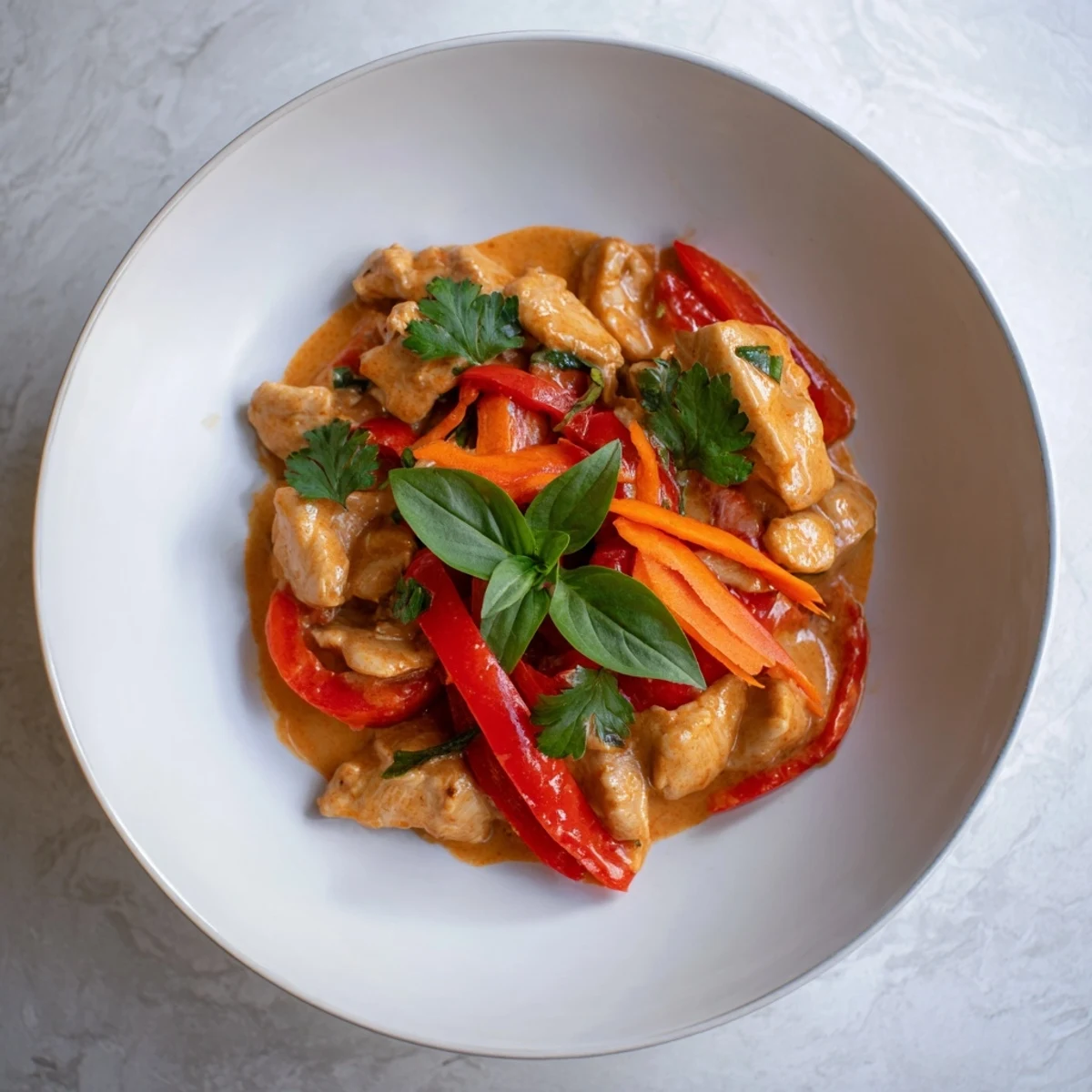
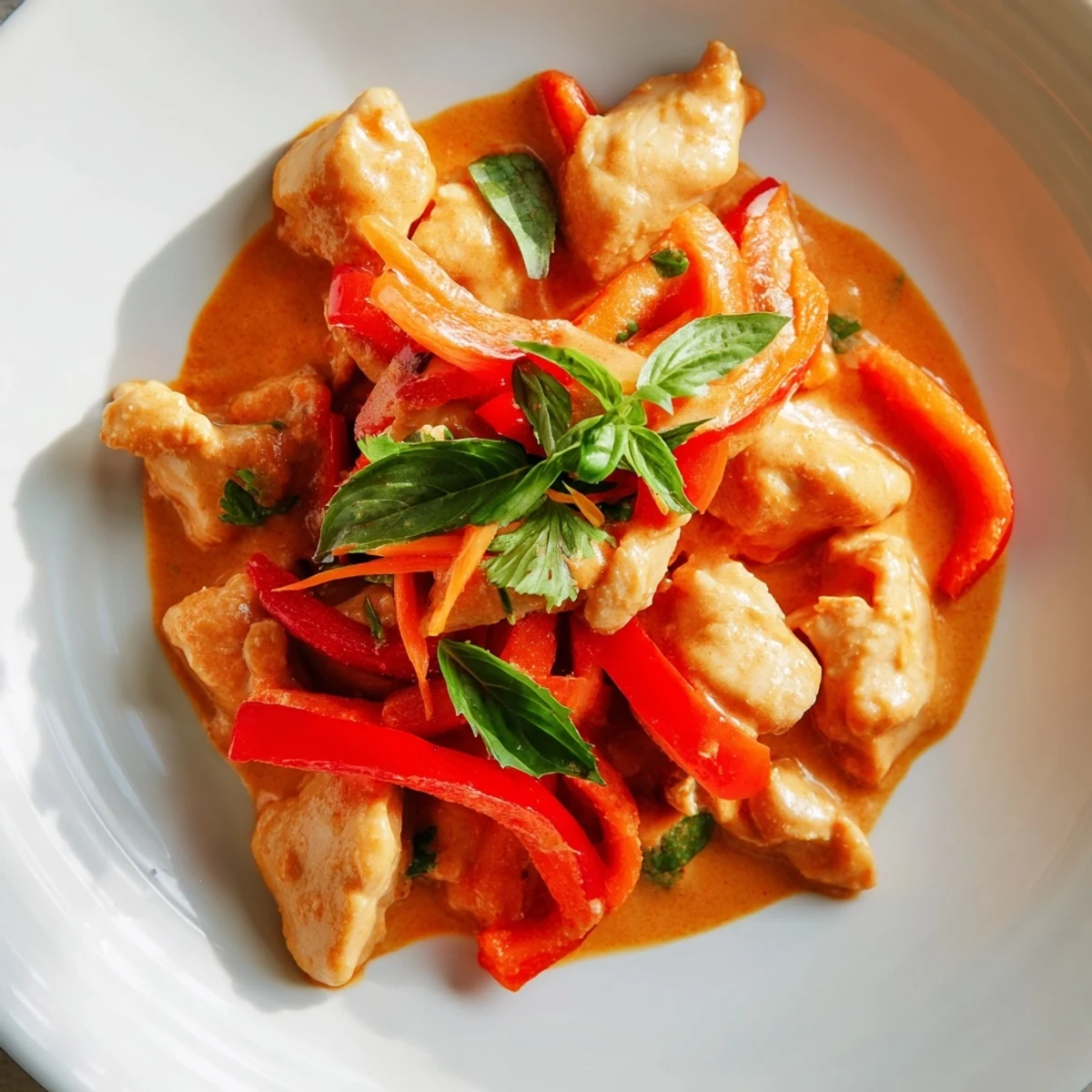
 This vibrant Thai red curry combines tender chicken pieces with crisp bell peppers, snow peas, and carrots in a luscious coconut-based sauce. Built on a foundation of authentic Thai red curry paste, the dish balances bold spice with creamy coconut richness, brightened by lime juice and fresh herbs.
Preparation takes just 15 minutes of prep work, followed by 25 minutes of simmering to meld flavors and cook the chicken through. The result is a restaurant-quality main dish that's naturally gluten-free and easily adaptable to your heat preference or dietary needs.
The first time I made Thai Red Curry, my kitchen filled with aromas that transported me halfway across the world. I'd been intimidated by Thai cuisine for years until a rainy Sunday when I finally gathered my courage and ingredients. The sizzle of curry paste hitting hot oil and that first taste of the velvety coconut sauce was an absolute revelation.
Last winter, I made this curry for my neighbor who was recovering from surgery. The steam fogged my glasses as I carried it across our snowy yards, but her face lit up at that first spoonful. We sat quietly eating, the spices warming us from within while snow fell outside her kitchen window.
Ingredients
- Thai red curry paste: The heart and soul of this dish, store-bought works wonderfully, but I learned that refrigerated paste has better flavor than shelf-stable varieties.
- Coconut milk: Full-fat provides the richest, silkiest texture, though I've successfully used light coconut milk when trying to cut calories.
- Fish sauce: Don't be scared by the smell, it mellows during cooking and adds that mysterious umami depth that makes Thai food so addictive.
- Chicken thighs: I prefer thighs over breast meat as they stay juicier and more forgiving if slightly overcooked.
- Kaffir lime leaves: These wrinkly little leaves make a tremendous difference, and I started keeping them in my freezer after discovering how much fragrance they add.
Instructions
- Bloom the curry paste:
- Heat oil in your largest wok or skillet over medium heat, then sauté the onion until it softens. Add the curry paste and cook until it releases its fragrance, about one minute.
- Build the protein foundation:
- Add chicken pieces and stir to coat with the aromatic paste. You want slight browning for extra flavor, but don't worry about cooking through yet.
- Create the silky sauce:
- Pour in coconut milk and stock, then add the fish sauce, soy sauce, and brown sugar. The liquid should bubble gently, not boil rapidly.
- Add vegetables strategically:
- Slide in bell peppers, snow peas, carrots and simmer until the chicken is fully cooked and vegetables remain vibrant. They should still have a pleasant crunch when bitten.
- Balance the flavors:
- Taste your curry and adjust with more fish sauce for saltiness or sugar for sweetness. Finish with fresh lime juice just before serving for brightness.
- Garnish generously:
- Serve over jasmine rice and scatter with fresh herbs and chili slices. The contrast between the hot curry and cool herbs creates magic in each bite.
 Save to Pinterest
 My college roommate claimed to hate all things spicy until I convinced her to try just one spoonful of this curry. The look of surprise on her face as flavors unfolded was priceless. Six years later, she still texts me when she makes it for her own family, calling it the gateway dish that opened her world to new cuisines.
Perfecting Your Curry Base
Through countless curry experiments, Ive found that cooking the paste until the oil slightly separates creates the deepest flavor foundation. Sometimes Ill even add a spoonful of coconut cream from the top of the can directly to the curry paste, letting it reduce until concentrated before adding the remaining liquid, which creates remarkable depth.
Vegetable Variations
While the recipe calls for specific vegetables, Thai curries are wonderfully adaptable to whatever is in your fridge. Ive tossed in leftover roasted sweet potatoes, wilting spinach, and even frozen peas with delicious results. The sauce transforms nearly any vegetable into something extraordinary, making this a perfect end-of-week fridge-clearing meal.
Serving and Storing
The flavor of this curry actually improves overnight as the ingredients meld together in the refrigerator, making it perfect for meal prep or make-ahead dinner parties. I accidentally discovered this when unexpected guests delayed our dinner by a day, and everyone raved about the depth of flavor.
- Store leftovers in an airtight container for up to 3 days, the flavors will continue developing nicely.
- For freezing, slightly undercook the vegetables so they dont become mushy when reheated.
- Reheat gently on the stovetop rather than microwaving for the best texture preservation.
 Save to Pinterest
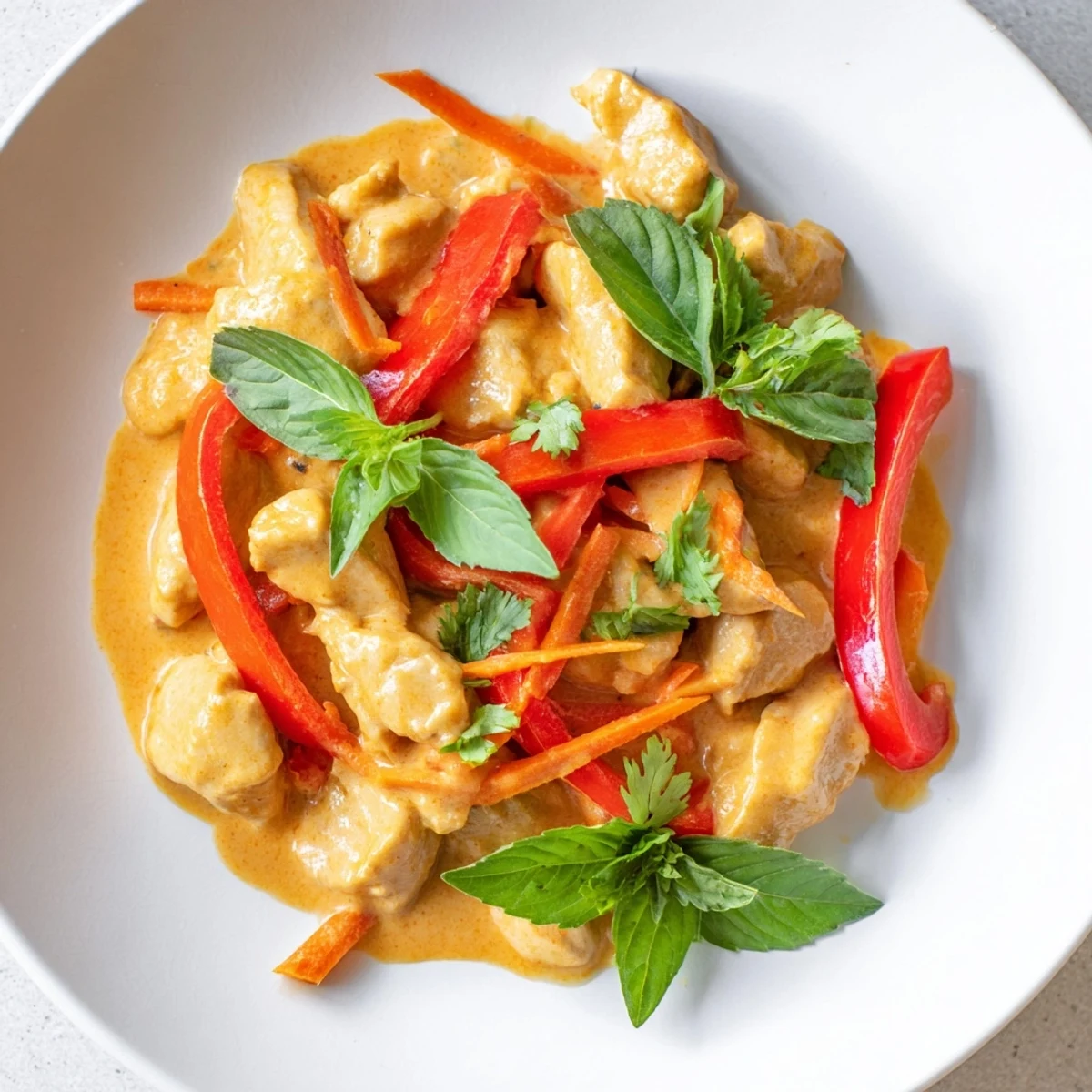
 This curry has become my signature offering of comfort and care, the dish friends request when celebrating good news or needing consolation. There's something universal about these warm, complex flavors that speaks directly to the heart.
Recipe Questions & Answers
- → Can I adjust the heat level of this curry?
-
Absolutely. Start with 2 tablespoons of curry paste and add more gradually to reach your desired spice level. Fresh sliced chilies can also enhance heat. For milder versions, reduce paste quantity or add extra coconut milk to mellow the intensity.
- → What proteins work best as alternatives to chicken?
-
Shrimp cooks quickly in the same timeframe, making it ideal for a seafood variation. Tofu absorbs the curry flavors beautifully for a vegetarian option. Beef or pork can also work, though cooking times may vary slightly depending on cut and thickness.
- → How do I make this dish gluten-free?
-
Use certified gluten-free soy sauce or tamari as a replacement for regular soy sauce. Verify your curry paste is gluten-free, as some brands may contain gluten. Most other ingredients are naturally gluten-free, but always check product labels for cross-contamination warnings.
- → Can I prepare this curry in advance?
-
Yes, the curry base can be made ahead and refrigerated for up to 3 days. Reheat gently over medium heat before serving. For best texture, add fresh vegetables when reheating rather than storing them in the curry overnight.
- → What's the best way to serve this dish?
-
Steamed jasmine rice is the traditional pairing, absorbing the aromatic sauce beautifully. Fresh Thai basil and cilantro add bright, fresh finishing notes. A crisp Riesling or Thai iced tea complements the spice and richness perfectly.
- → Are there allergens I should be aware of?
-
This curry contains fish sauce and soy, which may trigger allergies. Curry paste sometimes includes shrimp paste, so check labels if you have shellfish allergies. Always verify product ingredients and preparation surfaces if you have severe allergies.