
 Save to Pinterest
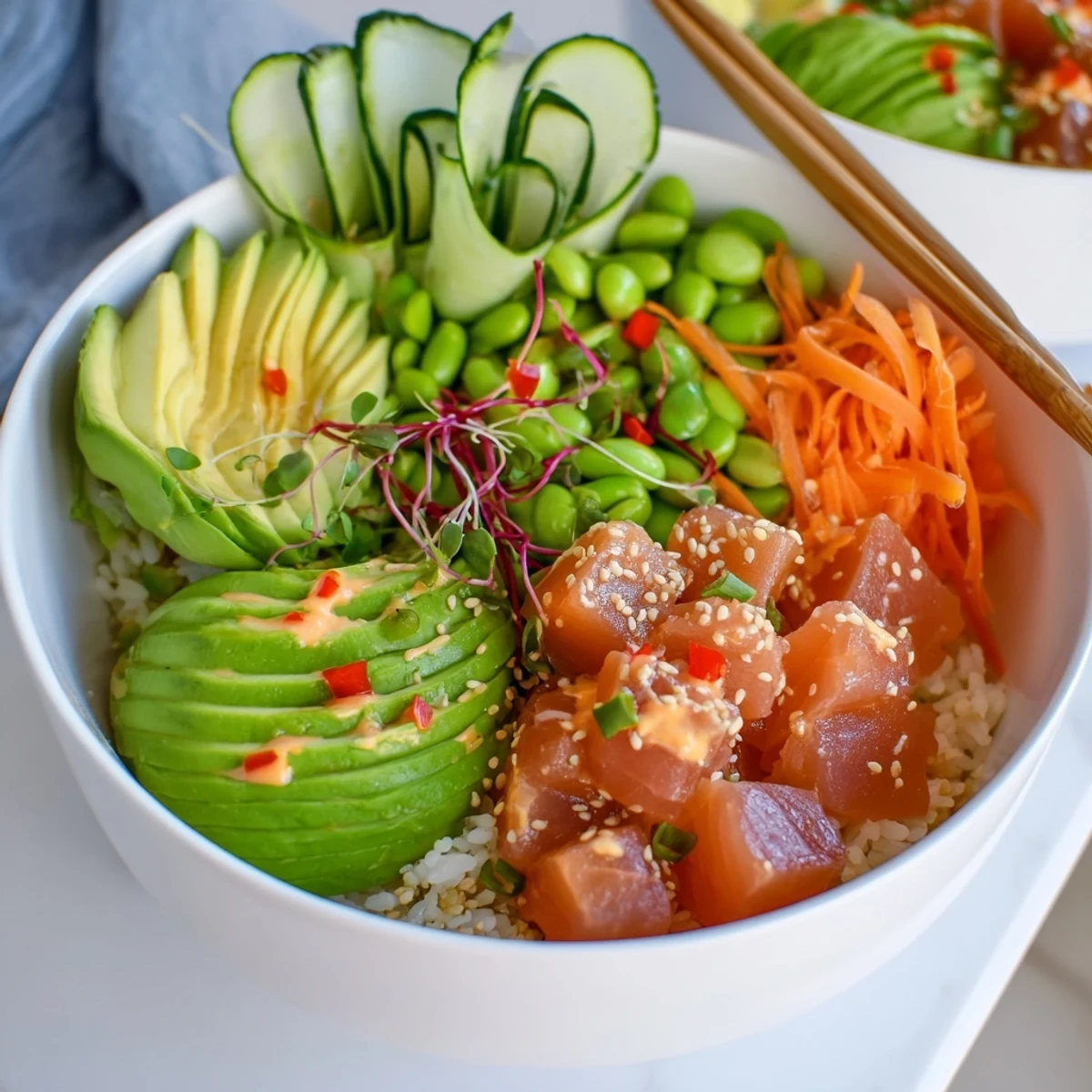
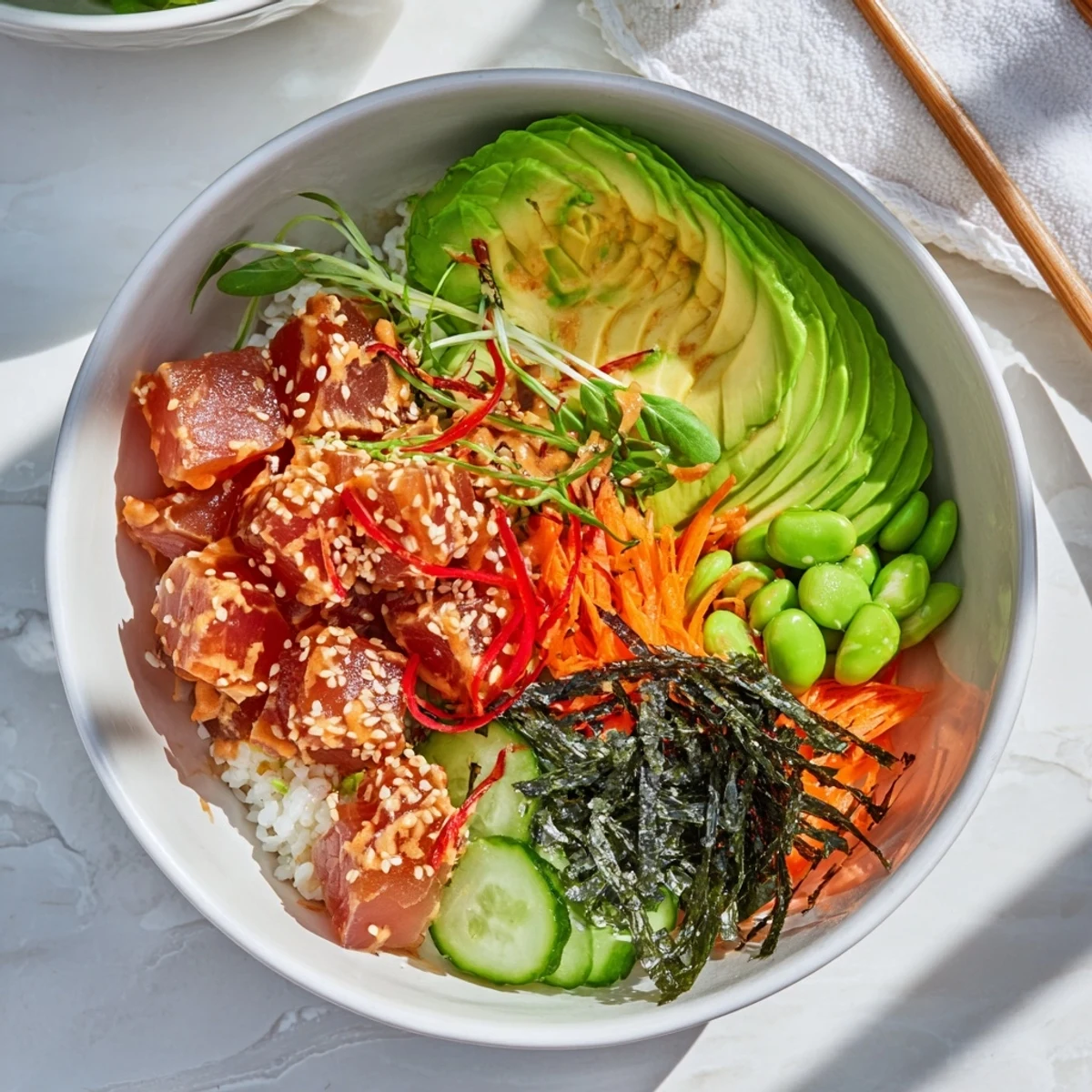
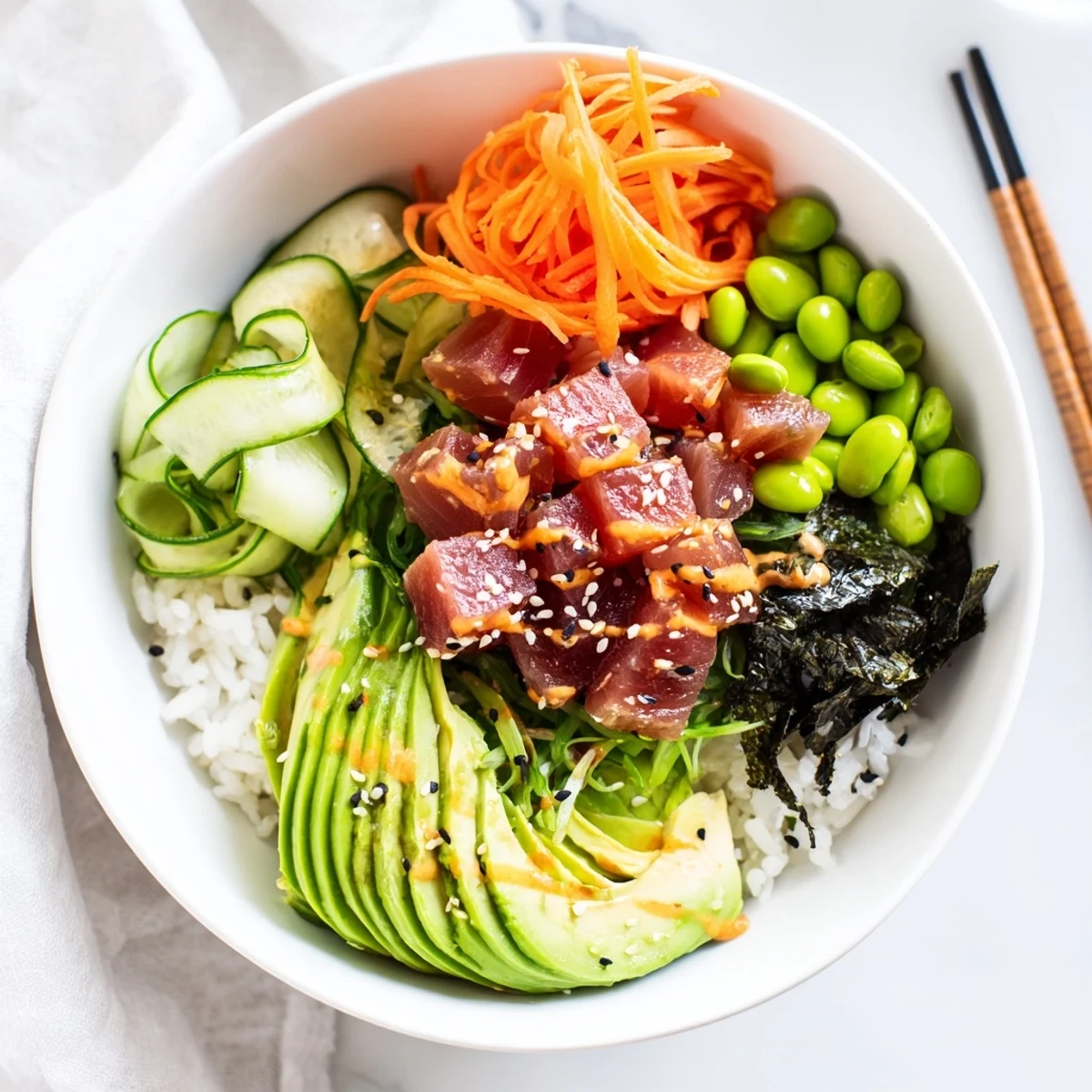
 This Hawaiian-inspired bowl combines sushi-grade tuna marinated in a spicy blend of soy sauce, sesame oil, and sriracha. The fish rests atop fluffy seasoned rice alongside buttery avocado slices, crisp cucumber, shredded carrot, and tender edamame. A sprinkle of nori strips, sesame seeds, and fresh garnishes completes this satisfying 40-minute meal that balances heat, creaminess, and refreshing crunch in every bite.
The first time I had poke was at a tiny hole-in-the-wall spot in Honolulu where the chef handed me a sample cup and my entire understanding of raw tuna shifted in one bite. Something about how the spicy mayo cut through the rich fish, the way avocado creaminess balanced the sharp heat, and how that warm vinegared rice tied everything together made me realize this wasn't just dinner, it was an experience. I spent weeks obsessively tweaking ratios at home, much to my roommates' delight, until I finally landed on this version that hits every single note.
Last summer I made these bowls for a group of friends who claimed they 'didn't do raw fish,' and I watched in satisfaction as every single person went back for seconds. There's something genuinely magical about how the marinade transforms the tuna, how it becomes this vibrant, jewel-toned bowl that makes people feel like they're treating themselves to something extraordinary on a random Tuesday night.
Ingredients
- Sushi-grade tuna (400 g): This is non-negotiable. I learned the hard way that buying anything less than sushi-grade results in a completely different, disappointing experience.
- Low sodium soy sauce (3 tbsp): Regular soy sauce can overpower the delicate tuna flavor, and I've found that the lower sodium version lets the fish shine through while still providing that essential umami base.
- Sriracha (1 tbsp): Start here, but know that I often bump it to 1.5 tablespoons when I want more heat. The sriracha's garlicky kick is what makes this poke distinctively different from traditional versions.
- Kewpie mayonnaise (1 tbsp): This Japanese-style mayo is richer and creamier than Western versions, and it makes the spicy sauce velvety instead of just hot.
- Sushi rice (2 cups): Short-grain rice is essential here. Long-grain varieties won't give you that sticky, clumpy texture that lets you scoop up all the toppings together.
- Ripe avocados (2): They should yield slightly to gentle pressure but not feel mushy. I've made the mistake of using under-ripe ones and the texture contrast just doesn't work.
Instructions
- Perfect the Rice Foundation:
- Rinse your sushi rice until the water runs completely clear, about 4 to 5 rinses, which removes excess starch and prevents gummy rice. Combine the rinsed rice with water in your saucepan, bring it to a rolling boil, then immediately reduce to the lowest simmer setting, cover tightly, and let it work its magic for exactly 15 minutes without lifting the lid.
- Season and Cool the Rice:
- While the rice steams, whisk together rice vinegar, sugar, and salt in a small bowl until the sugar dissolves completely. Gently fold this seasoning mixture into the hot rice using a paddle or spatula, spreading it out on a baking sheet to cool to room temperature, which stops the cooking process and gives each grain that perfect glossy finish.
- Build the Spicy Marinade:
- Whisk together soy sauce, sesame oil, sriracha, Kewpie mayonnaise, rice vinegar, honey, and toasted sesame seeds in a medium bowl until the mixture emulsifies into a silky, orange-hued sauce. The honey is crucial here as it balances the heat and creates a beautiful caramelized note when it meets the tuna.
- Marinate the Tuna:
- Add your diced tuna to the bowl and fold it gently into the marinade until every piece is coated but still holding its shape. Cover and refrigerate for at least 10 minutes, but I've discovered that 15 minutes is the sweet spot where the flavors penetrate without the texture becoming mushy.
- Prep Your Toppings:
- Slice your avocados, cucumber, and carrot into thin, uniform pieces so each bite contains a bit of everything. Shell your edamame if you bought them in pods, and cut your nori sheets into delicate strips with kitchen scissors for easier eating.
- Assemble the Bowls:
- Divide the seasoned rice among four bowls, creating a slight well in the center of each. Arrange the marinated tuna, avocado slices, cucumber ribbons, carrot, edamame, and nori strips in sections over the rice, then finish with pickled ginger, additional sesame seeds, and those optional chili slices if you're craving extra heat.
 Save to Pinterest
 My friend Sarah, who swore she'd never enjoy raw fish, texted me at 11 PM after I made this for her family dinner, admitting she'd just made herself a second bowl for 'research purposes.' That's the moment this recipe went from 'something I make' to 'something I share' in my cooking rotation.
The Art of Tuna Selection
I've learned to develop relationships with fishmongers who understand sushi-grade isn't just a label, it's a promise of handling and freshness. Look for tuna that's deep red with no brown spots, and don't be afraid to ask when it arrived at the store. The extra effort in sourcing pays off in every single bite.
Rice That Holds Everything Together
The rice vinegar mixture should be warm when you fold it into the hot rice, which helps it absorb evenly. I use a slicing motion with my paddle rather than stirring, which keeps each grain separate and coated without mashing them together.
Balancing the Heat
If you're sensitive to spice, start with half the sriracha and add more to the tuna separately rather than the whole bowl. I've also discovered that a tiny drizzle of additional sriracha on top just before serving creates those beautiful flavor pockets that surprise you as you eat.
- Let your knife do the work, using a sharp blade to make clean cuts through the tuna rather than sawing
- Cube your tuna just before marinating, not ahead of time, to maintain freshness
- Room temperature ingredients (except the rice) work better than cold ones from the fridge
 Save to Pinterest
 There's something deeply satisfying about sitting down to a bowl that looks this beautiful and tastes this complex, knowing you created it in your own kitchen. Enjoy every bite of this little vacation to the islands.
Recipe Questions & Answers
- → What makes this dish authentic Hawaiian-style?
-
Traditional poke features fresh raw fish seasoned with soy sauce, sesame oil, and ocean flavors. This version honors those roots while adding contemporary touches like creamy avocado and spicy mayo elements commonly found in modern Hawaiian preparations.
- → Can I use frozen tuna instead of fresh?
-
Frozen sushi-grade tuna works well if properly thawed overnight in the refrigerator. Look for fish labeled specifically for raw consumption and ensure it reaches safe temperatures during handling. The texture should remain firm and moist after thawing.
- → How spicy is the marinade?
-
The heat level adjusts easily based on your sriracha amount. One tablespoon provides moderate warmth that builds gradually. For more intensity, add additional hot sauce or include fresh chili slices. The mayonnaise and honey help balance the spice with creaminess and subtle sweetness.
- → What rice alternatives work for this bowl?
-
Brown rice offers nutty flavor and extra fiber while maintaining the desired fluffy texture. Cauliflower rice provides a low-carb option that absorbs the seasonings beautifully. Quinoa adds protein but may require additional seasoning to match traditional flavor profiles.
- → How long can I store the marinated tuna?
-
Consume marinated tuna within 24 hours for optimal quality and safety. Keep refrigerated and never leave at room temperature beyond 30 minutes. The citrus and soy components continue curing the fish over time, so texture may become softer with extended marinating.
- → What vegetables substitute well in this bowl?
-
Sliced radish adds peppery crunch while mango brings tropical sweetness that complements the spicy elements. Shredded cabbage offers refreshing bite and vibrant color. Steamed bok choy or blanched snow peas provide appealing texture contrasts without overwhelming delicate flavors.